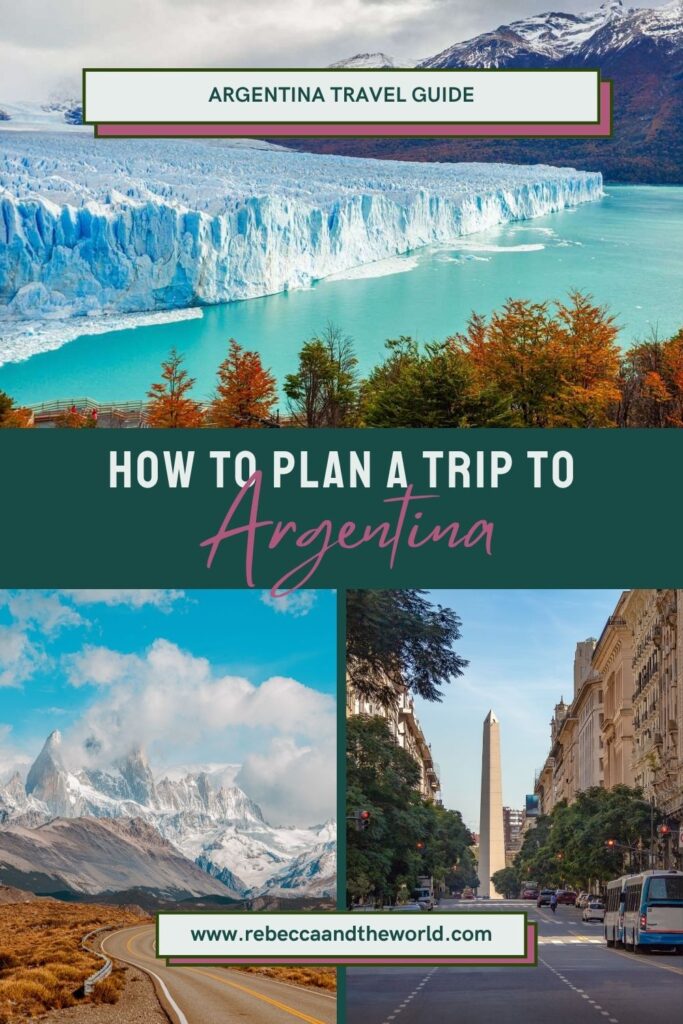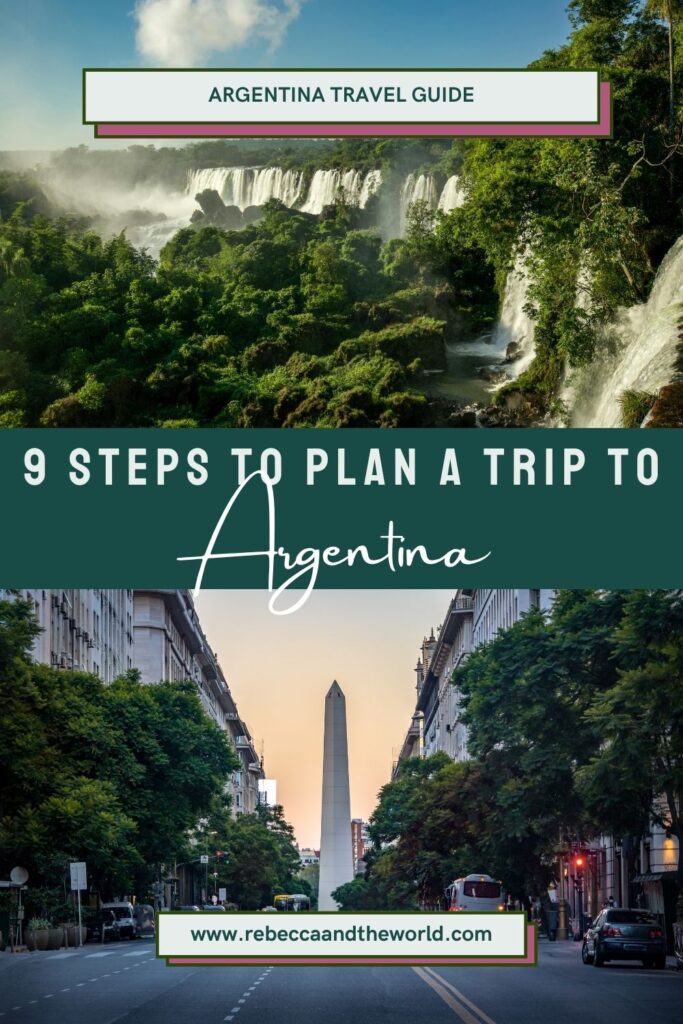

Planning your first trip to Argentina? This step-by-step guide walks you through everything you need to know before visiting this spectacular South American country.
Planning a trip to Argentina can feel overwhelming.
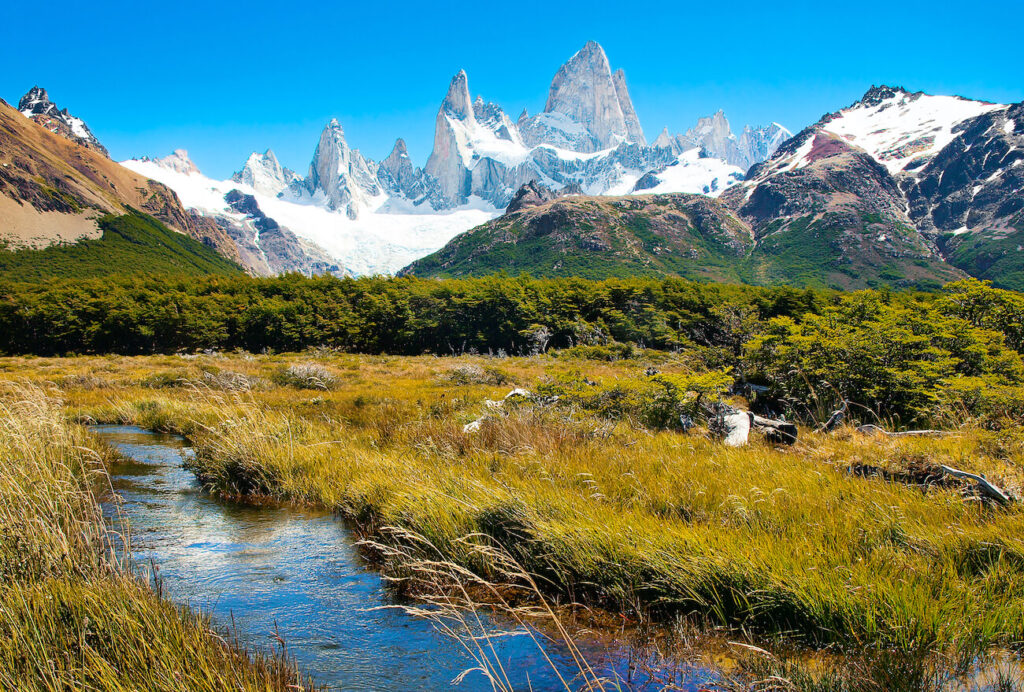
It’s the eighth-largest country in the world, after all, stretching nearly 3,700 kilometres from the colourful desert mountains of the north to the tropical rainforests of Iguazú Falls in the northeast to the glaciers of Patagonia in the south. You could spend months here and still leave with places on your bucket list.
With a little planning, you can have an incredible time travelling around Argentina – without squeezing too much into a single trip, underestimating travel times or visiting regions at the wrong time of year.
I lived in Argentina for two years and travelled extensively throughout the country, from the wineries of Mendoza and the colourful landscapes of the northwest, to Patagonia, Buenos Aires and beyond. Since then, I’ve helped thousands of readers plan their own Argentina itineraries – and many of the same questions come up again and again.
This guide brings together everything you need to know to plan your first trip to Argentina. I’ll help you decide how long to stay, which regions to visit, when to go, how to get around and the common mistakes to avoid, in just nine easy steps.
This blog post may contain affiliate links, meaning if you book or buy something through one of these links, I may earn a small commission (at no extra cost to you).
Argentina trip planning at a glance
Here’s a quick overview of what you need to know before planning your trip.
| What to know | My thoughts |
| Best time to visit | March-April and October-November for the best weather across most of the country |
| Ideal trip length | Two weeks for a first visit; three weeks if you want to explore at a slower pace |
| Currency | Argentine peso. Credit cards are widely accepted, but carry some cash (and bring US dollars to exchange into pesos). |
| Language | Spanish |
| Driving | Useful outside major cities, especially for Mendoza, Patagonia and northwest Argentina; not necessary at all in Buenos Aires |
| Travel insurance | Medical insurance is a requirement to enter the country (although checks are sporadic); Travel insurance is always recommended, regardless of where you’re visiting, but especially if you’re hiking or travelling to remote areas |
| My best planning tip | Choose fewer destinations and spend longer in each rather than trying to see the whole country in one trip! |
Step 1: Decide how much time you have
Before you start pinning destinations on a map, work out how much time you have.
One of the biggest mistakes I see first-time visitors make when they plan a trip to Argentina is trying to squeeze too much into one trip. Argentina is enormous, and travelling between regions can take longer than people expect.
Rather than trying to see everything, I recommend choosing two or three regions and experiencing them properly. You’ll spend less time in airports and more time actually enjoying the country.
The good news? Argentina is the sort of destination that leaves you wanting to come back anyway!
How long should you spend in Argentina?
Here’s what I recommend for a first visit – and later on I’ll provide more specific itinerary ideas for each length of time.
| Trip length | What I recommend |
| 1 week | Buenos Aires plus either Iguazú Falls or Mendoza. You’ll get a great introduction to Argentina without spending too much time travelling. |
| 10 days | Buenos Aires, Iguazú Falls and Mendoza, or Buenos Aires and Patagonia if hiking is your priority. Buenos Aires and northwest Argentina for an epic and adventurous road trip, but you’ll need 7 days just for the northwest. |
| 2 weeks | This is the sweet spot for a first trip! I reckon two weeks is the minimum amount of time to plan a trip. |
| 3 weeks | Even better – you’ll have time to add Northwest Argentina or spend longer in Patagonia. |
| 1 month or more | You can begin exploring beyond the classic highlights and include places like Iberá Wetlands, Peninsula Valdés or a more extensive northwest road trip. |
Personally, I think two weeks is the ideal minimum length for a first trip to Argentina. It’s enough time to experience several very different parts of the country without feeling rushed.
Resist the temptation to see everything
When people first start planning, they often come up with an itinerary that looks something like this:
- Buenos Aires
- Iguazú Falls
- Mendoza
- Bariloche
- El Calafate
- El Chaltén
- Ushuaia
…all in two weeks.
On paper, it looks possible.
In reality, you’ll spend most of your holiday unpacking and repacking bags, checking into airports and sitting on planes.
A much better trip is one where you leave a few places for next time. (As someone who also always wants to see it all, I know, it’s hard!)
Patagonia alone deserves at least a week. Northwest Argentina is easily another week. Buenos Aires is not a city I recommend rushing through either.
Trust me – it’s far more enjoyable to spend four nights in one place than to tick off six destinations in ten days.
Step 2: Choose your destinations
Now that you know how much time you have, it’s time for the fun part: deciding where to go.
Argentina has glaciers, waterfalls, world-class wine regions, colourful mountains, vibrant cities and even penguins and whales. The country really has something for almost every traveller.
So, as you plan a trip to Argentina you need to think about the kind of trip you want and the destinations that match your interests (rather than simply ticking off the country’s most famous sights).
Not sure which regions to choose? Here’s a quick overview of Argentina’s main destinations and how much time you’ll need in each.
Buenos Aires (3-5 days)
Argentina’s vibrant capital and the gateway for most international visitors. Come for the food, culture, neighbourhoods, architecture and nightlife.
Patagonia
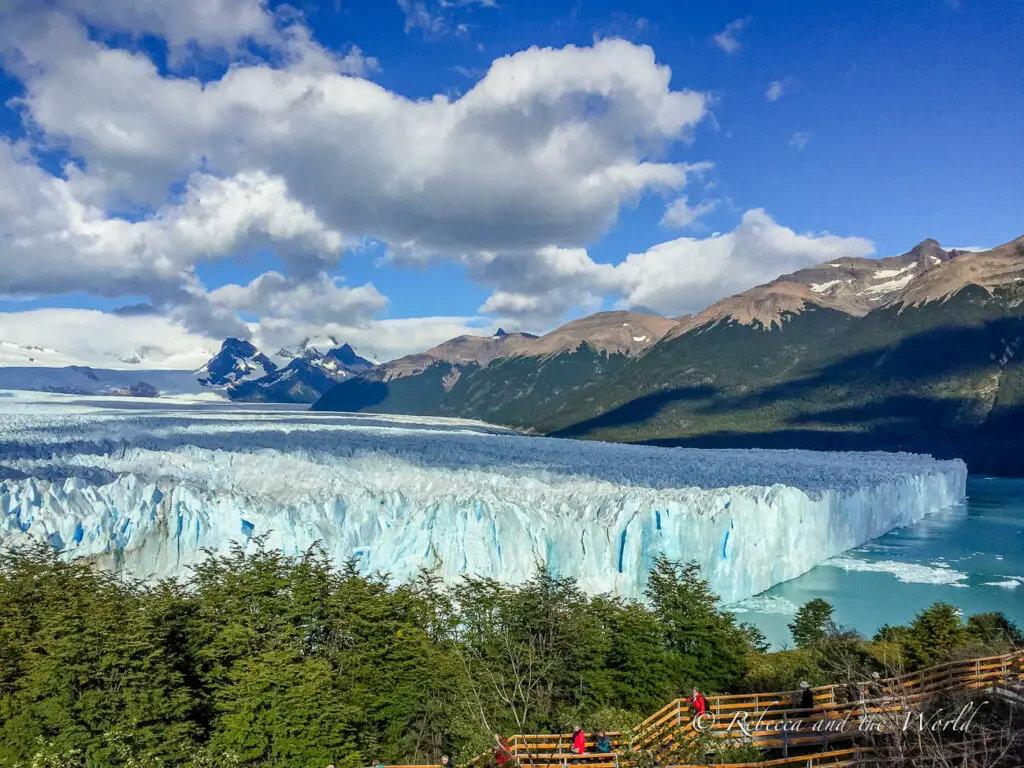
El Calafate & El Chaltén (5-7 days) – The classic Patagonia itinerary, combining the spectacular Perito Moreno Glacier with some of Argentina’s best hiking in nearby El Chaltén.
Bariloche (3-5 days) – A picturesque lake district known for alpine scenery, scenic drives, hiking, chocolate and outdoor adventures in every season.
Ushuaia (2-4 days) – The world’s southernmost city, offering Beagle Channel cruises, Tierra del Fuego National Park and easy access to Antarctica for expedition cruises.
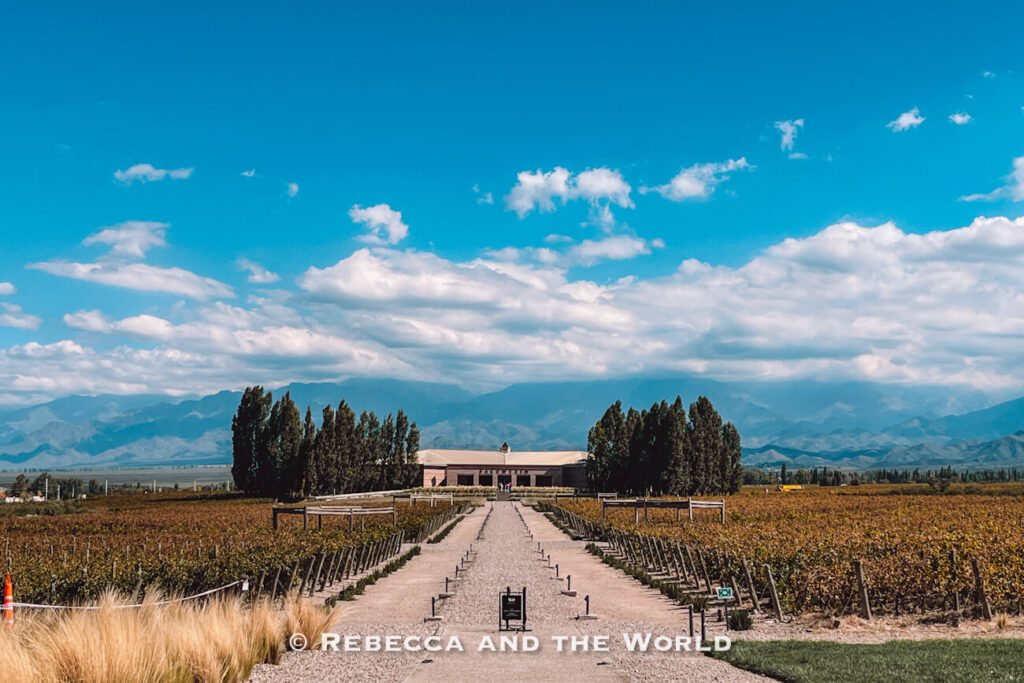
Mendoza (3-4 days)
Argentina’s premier wine region, famous for Malbec, vineyard lunches, excellent restaurants and Andes views.
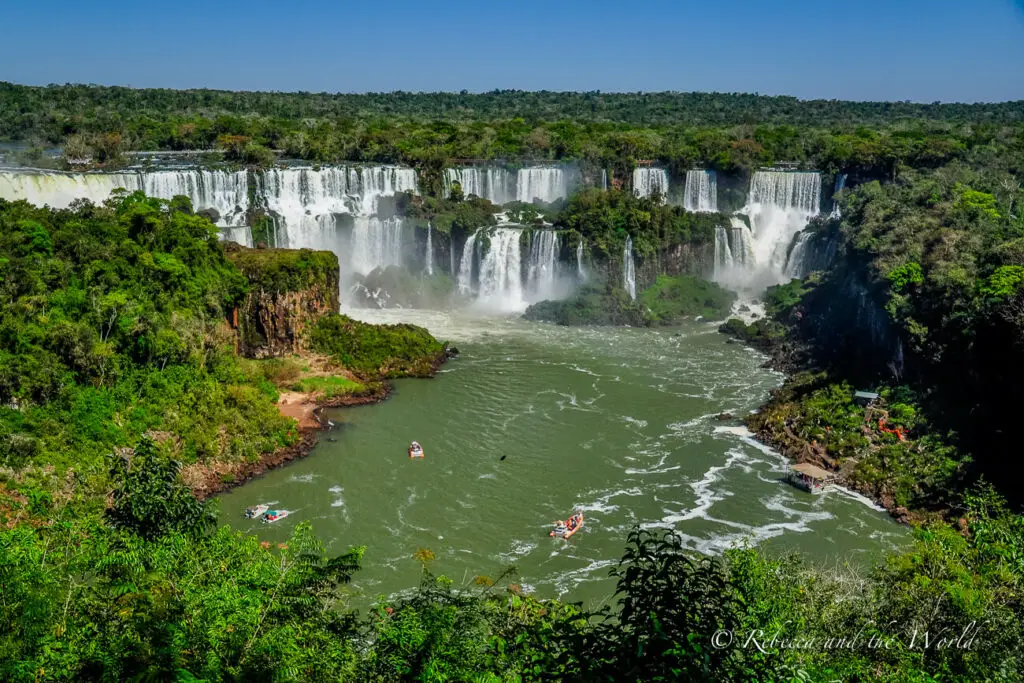
Iguazú Falls (2-3 days)
One of the world’s great natural wonders, with spectacular waterfalls spanning both Argentina and Brazil.
Northwest Argentina (5-7 days)
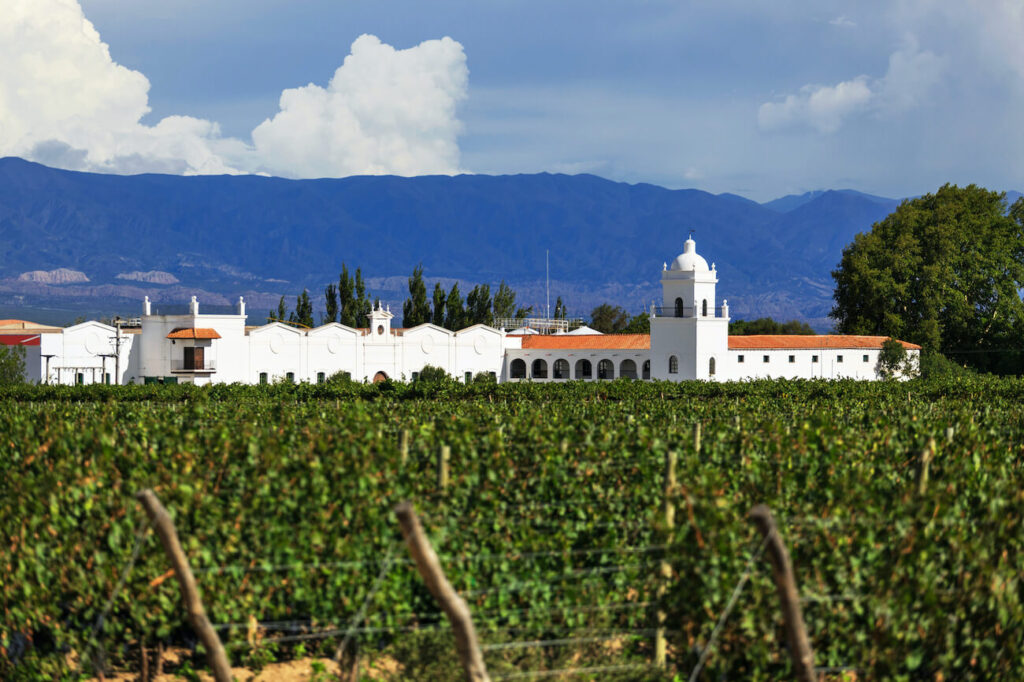
Explore the colourful mountains of Salta and Jujuy, colonial towns, scenic road trips and Cafayate, Argentina’s second major wine region.
Peninsula Valdés (2-3 days)
A UNESCO World Heritage Site renowned for whale watching and incredible marine wildlife, including penguins, sea lions and elephant seals.
Iberá Wetlands (3-4 days)
One of South America’s largest wetlands and one of Argentina’s best wildlife destinations, home to capybaras, caiman and hundreds of bird species.
Which part of Argentina is right for you?
| If you love… | I recommend… |
| Food, wine and city life | Buenos Aires + Mendoza |
| Hiking and spectacular scenery | El Calafate + El Chaltén in Patagonia |
| Wildlife | Península Valdés, Ushuaia or Iberá Wetlands |
| Road trips | Salta, Jujuy and Cafayate in northwest Argentina, Patagonia in the south |
| Wine with fewer crowds | Cafayate |
| Bucket-list natural wonders | Iguazú Falls, Perito Moreno Glacier |
| Lakes and outdoor adventures | Bariloche |
Need help planning your Argentina trip? 🇦🇷
Feeling overwhelmed about planning your trip to Argentina? I get it. And I can help! I offer one-to-one travel consultation calls to help you plan your trip to Argentina. In an hour, we can map out a realistic itinerary or work through your specific questions so you can book an incredible trip. Save hours of your time with my local knowledge and expertise.
Step 3: Decide when to visit
In a country this large, there are many different climates, so there’s no one “best” time to visit Argentina.
Argentina stretches nearly 3,700 kilometres from north to south. While you could be hiking beneath glaciers in Patagonia, temperatures in Iguazú Falls might be pushing 35°C. Or you could be exploring the colourful landscapes of northwest Argentina while snow blankets the hiking trails in Patagonia.
That’s why I always recommend choosing your destinations first and then deciding when to travel.
I think March-April and October-November are the best months to visit Argentina. These shoulder seasons offer pleasant weather across much of the country, fewer crowds and make it easier to combine several regions in one trip.
That said, every destination has its own ideal season.
Best time to visit Argentina’s most popular destinations
| Destination | Best time to visit | Why |
| Buenos Aires | March-May and September-November | Comfortable temperatures for exploring the city on foot, jacarandas in spring |
| Patagonia: El Calafate, El Chaltén and Ushuaia | November-March | Hiking trails, boat trips and tourist services are fully operating |
| Bariloche | December-March for hiking; June-August for skiing | Two distinct seasons depending on your interests |
| Mendoza | March-April | Harvest season, beautiful vineyards and ideal weather for winery visits |
| Iguazú Falls | April-June and August-September | Lower humidity and more comfortable temperatures (but still steamy!!) |
| Northwest Argentina | April-November | Dry, cooler weather without the summer rains |
| Iberá Wetlands | April-October | Pleasant temperatures and excellent wildlife viewing |
| Península Valdés | June-December | Best for whale watching and marine wildlife, with different species visible throughout the season |
My favourite months to visit Argentina
If I could only choose two months to visit Argentina, they’d be November and March.
November is my top pick. Spring is in full swing, the jacaranda trees turn Buenos Aires purple, Patagonia’s hiking season is just getting underway and temperatures are comfortable across much of the country. It’s one of the few times of year when you can comfortably combine several regions in the same trip.
March is a close second. The summer crowds have started to thin out, Mendoza comes alive with the grape harvest, Patagonia is still fantastic for hiking and Buenos Aires enjoys warm, sunny days without the intense summer heat. The summer rains in the the northwest should have subsided (although check this closer to your trip because rains can cause washouts into April).
→ READ NEXT: Best Time to Visit Argentina: When to Go by Region
Step 4: Build your itinerary
Now that you’ve decided how long you’re travelling and when you’re visiting, it’s time to put the pieces together.
And this is where it can sometimes get tricky if you want to visit a few destinations. Not all major destinations have direct flights between each, so you’ll often have to backtrack via Buenos Aires. For example, if you want to visit Mendoza and then head down to Ushuaia, you’ll have to go back to Buenos Aires and get another flight to Ushuaia, which obviously adds hours to your travelling time.
★ REBECCA’S TIP
One of my absolute favourite and most-used websites is Flight Connections. I use this site to see how to fly between different destinations, which airlines fly the route and whether routes are seasonal or year-round.
My advice? Keep your itinerary simple.
Rather than trying to see every corner of Argentina, build your trip around two or three regions that complement each other. You’ll spend less time travelling and have a much more enjoyable experience.
Sample Argentina itineraries
I’ve got several Argentina itinerary ideas across this website which cover multiple regions in efficient ways. Rather than rehashing them all here, go and check them out:
Step 5: Set your budget
One of the questions I get asked most often is: “Is Argentina expensive?”
The answer is… it depends.
Argentina has always been one of South America’s more expensive destinations, but it remains cheaper than visiting many parts of western Europe or major cities like New York City. What’s also tricky is that the country’s economy changes frequently, so prices can fluctuate significantly from one year to the next (and even from one month to the next!).
The biggest factors that affect the cost of your trip are where you go, when you travel and your travel style.
Patagonia, for example, is generally the most expensive region in Argentina, while destinations like Salta and the northwest often offer better value for money.
How much does a trip to Argentina cost?
As a general guide, I would budget around:
- Budget: US$75-100 per person, per day
- Mid-range: US$150-250 per person, per day
- Luxury: US$300+ per person, per day
These figures include accommodation, meals, transport and sightseeing, but not international flights.
Things like accommodation, car rental, flights and tours can be easily budgeted for ahead of time, because you can check those prices online. Wine is always good value in Argentina! But when it comes to restaurants and drinking/eating out, it can be hard to budget. I do have a guide to Buenos Aires travel costs that you can use as a guide – just make sure to have a bit extra just in case!
Remember that exchange rates and local prices can change quickly in Argentina, so it’s always worth checking current costs before you travel.
→ READ NEXT: How much does it cost to visit Buenos Aires?
Ways to save money
If you’re travelling on a budget, here are a few ways to keep costs down.
- Visit during the shoulder seasons, especially March-April or October-November.
- Prioritise fewer destinations to reduce domestic flight costs.
- Stay a little longer in each destination rather than moving every couple of days (again, this will help reduce transport costs).
- Book accommodation in Patagonia well in advance to lock in better prices.
- Book accommodation with a kitchen so you can cook a few meals (I usually have breakfast items on hand and then eat lunch/dinner out).
- Choose a mix of guided tours and independent activities rather than booking tours every day. There are always plenty of free things to do as well.
★ MONEY-SAVING TIP
One of the easiest ways to save money is not finding cheaper hotels – it’s simplifying your itinerary. Every extra destination usually means another flight, another airport transfer and another night’s accommodation. Slowing down often saves both money and stress.
Step 6: Book flights, transport and travel insurance
Once you’ve settled on your itinerary, it’s time to start making bookings.
I recommend locking in your international flights first, followed by any domestic flights, accommodation and major tours or activities. This gives you the best chance of securing your preferred dates and can often save you money.
Book your international flights
Most international visitors arrive in Buenos Aires, flying into Ezeiza International Airport (EZE). Some regional flights also use Aeroparque Jorge Newbery (AEP), which is much closer to the city and primarily used for domestic services.
✈️ SEARCH FOR FLIGHTS TO BUENOS AIRES ✈️
If you’re connecting between international and domestic flights, double-check which airport you’re flying into and out of. Transfers between Ezeiza and Aeroparque can take longer than you expect, especially during peak traffic. Many travellers have been caught out!
★ ITINERARY TIP
One thing you can do to avoid backtracking is to consider whether you can fly into Buenos Aires and back home out of another city in Argentina. For example, there are direct flights from Mendoza to Santiago, Lima and Panama City. Similarly, you can fly from Salta to Lima, Rio de Janeiro and Panama City. Check Flight Connections to see the options available. You’ll have to weigh up the costs and timings but it can often save you a lot of travel time.
Book domestic flights early
Argentina is a huge country, and unless you have plenty of time or love taking buses, you’ll almost certainly need at least one domestic flight.
Routes such as Buenos Aires to El Calafate, Ushuaia, Bariloche, Mendoza and Iguazú Falls are served by frequent flights, but prices tend to increase as departure dates approach – particularly during the Patagonia summer season and school holidays.
If you’re travelling during peak season, especially December to February, I would book domestic flights several months in advance.
Should you rent a car?
Whether you need a car depends entirely on where you’re travelling.
I recommend hiring a car if you’re planning to explore:
- Mendoza and its surrounding wine regions (if someone will be a designated driver while the others are wine tasting, of course!)
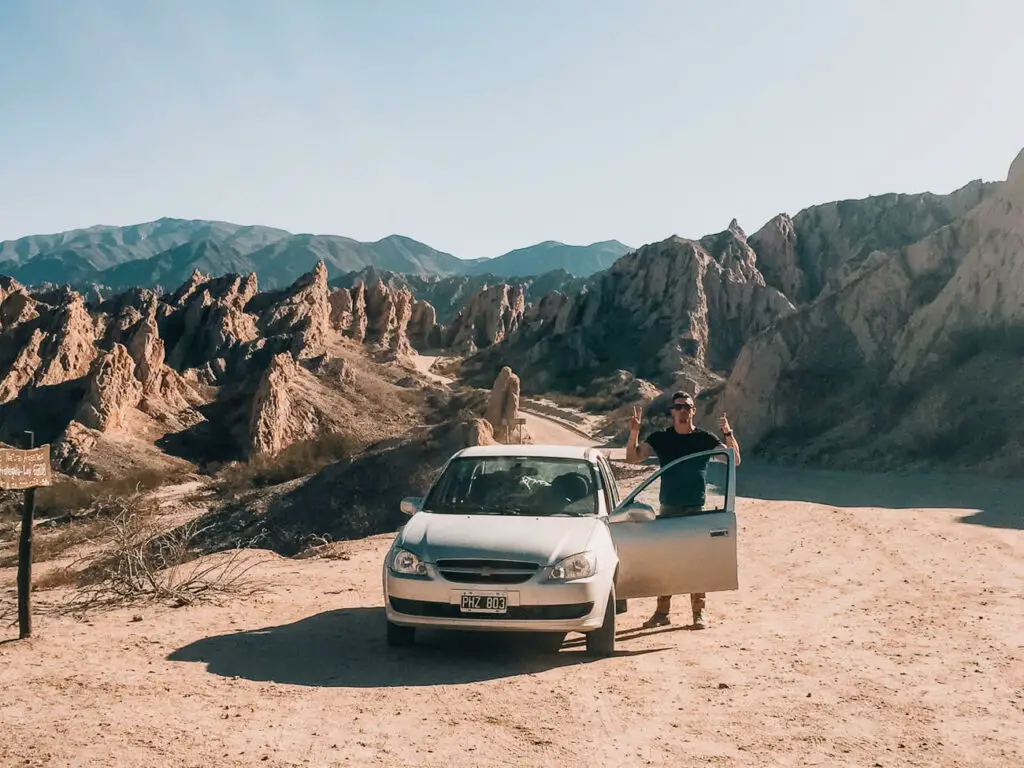
- Northwest Argentina, including Salta, Cafayate and Jujuy
- The Lake District around Bariloche
- Parts of Patagonia, if you want the flexibility to explore beyond the main towns or avoid bus travel
🚘 CHECK CAR RENTAL IN ARGENTINA HERE 🚘
You won’t need a car in Buenos Aires, and it’s generally unnecessary for destinations like Iguazú Falls.
→ READ NEXT: How to rent a car in Argentina
Do you need to take buses?
Argentina has a long-distance bus network, and buses can be useful for some routes if you’re travelling on a tighter budget or have plenty of time. Even then, buses sometimes aren’t that much cheaper than flying.
For most first-time visitors, I recommend flying between major regions. The distances are simply too long to spend your trip sitting on buses.
A good compromise is to fly between regions, then use local transport, tours or a rental car once you arrive.
Don’t forget travel insurance
Travel insurance is one of those things you hope you never need – but you’ll be glad to have it if something goes wrong.
Whether it’s lost luggage, a cancelled flight or unexpected medical treatment, comprehensive travel insurance can save you thousands of dollars. If you’re planning to hike in Patagonia, trek on Perito Moreno Glacier or take part in adventure activities, check that your policy includes the appropriate level of cover.
It’s also mandatory to have medical insurance to enter Argentina. While I’ve never been asked for proof on arrival, you won’t want to be caught out!
→ READ NEXT: What to know before buying travel Insurance for Argentina
Step 7: Book accommodation
With your flights booked, it’s time to choose where you’ll stay.
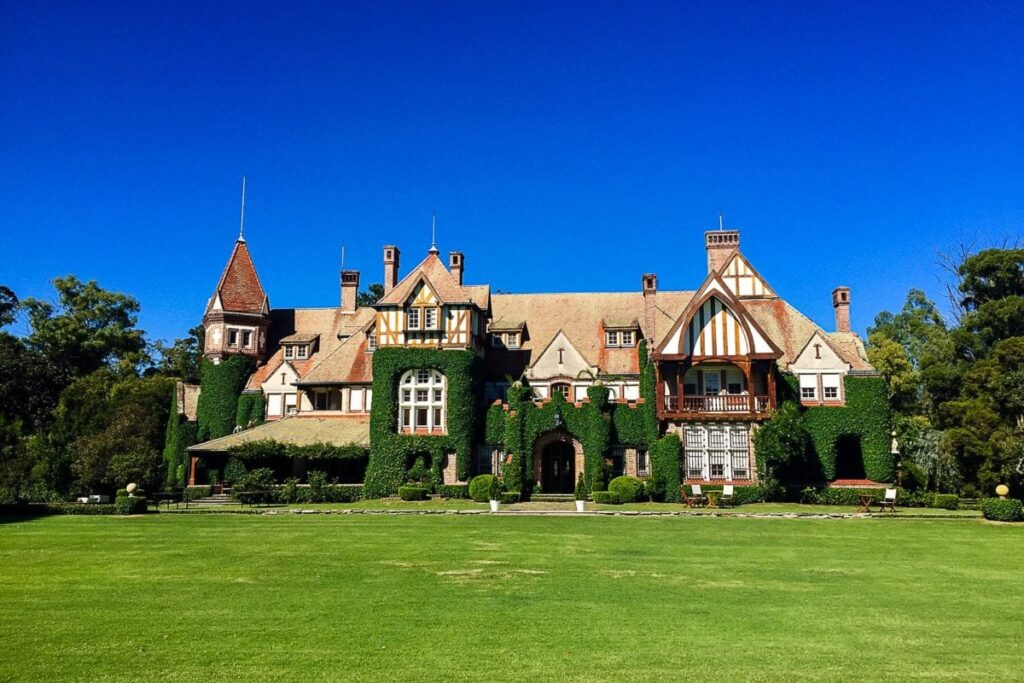
Argentina has accommodation to suit every budget, from hostels and boutique hotels to luxury estancias and world-class resorts. Whether you’re looking for a centrally located apartment in Buenos Aires or a cosy lodge overlooking the mountains in Patagonia, you’ll find plenty of options.
The biggest question is not what to book – it’s when to book.
Book early for Patagonia
If you’re travelling to Patagonia between November and March, don’t leave accommodation until the last minute.
Popular (and smaller) destinations such as El Chaltén, El Calafate and Ushuaia can book out months in advance, particularly over Christmas, New Year and the peak summer holidays. The best hotels and guesthouses are usually the first to go.
As a general rule, I would start looking at accommodation as soon as you have booked your flights. I like looking at BOTH Booking.com and Expedia and comparing prices – sometimes one site will be a whole lot cheaper than the other (and both sites have discounts and rewards for membership). I always choose flexible cancellation as well just in case I want to change my travel plans or find a different hotel that I like better.
You can be more flexible elsewhere
Outside Patagonia, you’ll usually have a little more flexibility.
Buenos Aires has thousands of accommodation options across a wide range of budgets, while Mendoza, Salta and Bariloche generally have good availability unless you’re travelling during major festivals, school holidays or long weekends.
That said, if you’ve found somewhere you really love, it’s worth booking early rather than hoping it will still be available later. Again, use flexible cancellation to your advantage!
What type of accommodation should you choose?
Argentina offers plenty of variety, so don’t feel like you have to stay in traditional hotels throughout your trip.
You could:
- stay in boutique hotels in Buenos Aires
- spend a night or two at a vineyard hotel in Mendoza (there are so many stunning places to stay in Mendoza)
- experience an estancia in the countryside – there are estancias near Buenos Aires but also all around the country
- wake up to mountain views in Patagonia
- book a self-catering apartment if you’re staying longer in one place (great for cooking and washing clothes!)
Step 8: Book tours and activities
With your itinerary and accommodation sorted, it’s time to think about the experiences that will make your trip memorable.
While many activities in Argentina can be booked once you arrive, there are a handful of popular tours and attractions worth securing before you travel – particularly if you’re visiting during the busy summer season.
Experiences I recommend booking in advance
Some tours have limited daily numbers or regularly sell out during peak season. If any of these are on your wish list, I would book them as soon as your travel dates are confirmed.
Restaurants
Most people planning a trip to Argentina will have heard of the famous Don Julio. It’s one of the most popular steakhouses in Buenos Aires and considered one of the best restaurants in the world. You will need to be online as soon as reservations open to nab a table here, usually a month or two in advance. BUT don’t despair if you can’t get a table, there are so many incredible restaurants in Buenos Aires that serve food just as well as Don Julio.
Perito Moreno Glacier trekking
Walking on Perito Moreno Glacier was one of the highlights of my time in Patagonia – and it’s one of Argentina’s most popular experiences.
Spaces on the Mini Trekking and Big Ice treks are limited and often book out well in advance during the summer hiking season.
→ READ NEXT: How to go trekking on Perito Moreno Glacier
Iguazú Falls tours
You don’t need a guided tour to visit Iguazú Falls, but if you’re visiting during peak periods, I would consider booking entrance tickets in advance. You can do this online for both the Argentine and Brazilian sides.
→ READ NEXT: Visiting Iguazú Falls: The complete guide to the Argentina and Brazil sides
Mendoza wine tours
Many of Mendoza’s best wineries require reservations, particularly if you’re planning a long lunch or visiting smaller boutique wineries. Book a week or two ahead and you should be fine.
If you don’t want to drive, organised winery tours are an excellent option – and the best ones often book out several weeks in advance.
If you’re visiting during March’s harvest season, book well ahead.
→ READ NEXT: The best wineries in Mendoza
Food experiences in Buenos Aires
Buenos Aires is one of South America’s great food cities, and there are plenty of great foodie experiences to build into your itinerary.
Some of my favourites include the Betty and Marcelo asado experience, Asado Adventure (where you’ll enjoy an asado in Frank’s home) or Sherpa Food Tours. I also think The Argentine Experience is a fun night out, and Fogón Asado is worth it for a special occasion.
→ READ NEXT: The best food tours in Buenos Aires
What does not usually need booking?
Not everything needs to be organised months in advance.
In most places in Argentina, you can usually wait until you’re there to book things like:
- city walking tours (there are plenty of free walking tours you can book a day or two in advance)
- museum tickets
- local day trips
- many national park entrance tickets
This gives you a little flexibility if the weather changes or you decide to spend an extra day somewhere.
Don’t over-schedule your trip
When planning, it’s tempting to fill every day with activities. But please leave some free time!
Some of my favourite memories of Argentina are not from organised tours at all. They’re from wandering through neighbourhoods in Buenos Aires, lingering over a long lunch in Mendoza or stopping unexpectedly during a road trip through the northwest.
Leave room for those moments.
★ REBECCA’S TIP
I usually recommend booking one major experience each day rather than trying to squeeze in several. It gives you flexibility and leaves room for the unexpected – whether that’s stumbling across a local market, accepting an invitation for a glass of wine or simply deciding to spend longer somewhere you’ve fallen in love with.
Step 9: Before you travel
You’ve booked your flights, planned your itinerary and reserved your accommodation – yay!
Before you pack your bags, there are just a few final things to organise.
Check passport and entry requirements
Before you travel, make sure your passport has enough validity for your trip (6 months) and check the latest entry requirements for your nationality.
Depending on your passport, you may not need a visa for short tourist visits, but it’s always worth confirming the latest requirements before you fly.
Health and medications
There are no mandatory vaccinations for most travellers visiting Argentina, but depending on your itinerary, your doctor may recommend certain routine or travel vaccinations.
If you’re planning to visit Iguazú Falls, Iberá Wetlands or other subtropical regions in the north of the country, it’s worth speaking to your GP or a travel health clinic well before you leave. They can advise whether vaccinations such as yellow fever or other travel vaccines are recommended based on your itinerary and medical history.
I also recommend packing any prescription medication you’ll need for the duration of your trip, along with a copy of your prescription if applicable.
★ REBECCA’S TIP
I always book a travel health appointment a month or two before a big international trip. It gives me plenty of time to organise any vaccinations, refill prescriptions and pick up a basic first aid kit before I start packing.
Pack a basic medical kit
You don’t need to bring an entire pharmacy, but I always travel with a few essentials, including:
- pain relief
- antihistamines
- diarrhoea medication
- motion sickness tablets (if needed)
- blister treatment
- sunscreen
- insect repellent
Pharmacies (farmacias) are easy to find in cities and towns throughout Argentina, especially in Buenos Aires, but it’s always reassuring to have the basics with you, particularly if you’re hiking in Patagonia or visiting more remote areas.
Organise your money
Argentina’s financial situation changes frequently, so it’s worth checking the latest advice before you travel.
Credit cards are widely accepted in cities and tourist destinations, but I always recommend carrying some cash as well – particularly if you’re visiting smaller towns or travelling in more remote parts of the country.
It’s also a good idea to carry at least two different debit or credit cards, just in case one doesn’t work. I like to have a Visa or MasterCard (not AMEX as they’re not widely accepted in Argentina) and a Wise debit card for places that either don’t accept credit card or that charge super high surcharges for credit.
→ READ NEXT: Money in Argentina: Everything you need to know
Arrange travel insurance
You should already have done this when you booked your flights. Hopefully you won’t need it, but if you do, you’ll be glad you have it.
Choose a policy that covers medical expenses (mandatory for entry into Argentina), trip cancellations, lost luggage and any adventure activities you plan to do, such as glacier trekking or hiking in Patagonia.
🛡 CHECK TRAVEL INSURANCE POLICIES WITH TRAVEL INSURANCE MASTER 🛡
Stay connected
The easiest way to access maps, translation apps and ride-sharing services is with an eSIM or local SIM card. If your phone supports an eSIM, you can install one before you leave home and activate it so you’re connected as soon as you land. I’ve bought Airalo eSIMs for my most recent trips and found the process super easy and coverage has been great.
Otherwise, you can buy a local SIM card after arriving in Argentina, but it is more complicated.
Download a few useful apps
Before you leave, I recommend downloading:
- Google Maps
- Google Translate, with Spanish downloaded offline
- WhatsApp, which is widely used throughout Argentina (it’s how I often communicate with wineries, tour guides etc)
- Uber or Cabify
- Your airline’s app
- A currency conversion app (I like XE.com)
Learn a few Spanish phrases
You don’t need to be fluent in Spanish to enjoy Argentina, but knowing a few basic phrases will go a long way – particularly outside Buenos Aires and major tourist destinations.
Even something as simple as greeting people in Spanish is always appreciated.
Pack for the regions you’re visiting
Packing for Argentina is pretty easy – but if you’re visiting a few different regions you might need to pack some specific items.
If you’re combining Patagonia with Iguazú Falls, for example, you may need everything from a waterproof jacket and hiking boots to shorts and sunscreen. I’ve listed everything you might need in my Argentina packing list guide.
→ READ NEXT: The ultimate Argentina packing list
Double-check your bookings
Before you leave, make sure you’ve downloaded or saved copies of:
- Flight confirmations
- Accommodation bookings
- Travel insurance policy – and the phone number to contact them if needed
- Tour reservations
- Passport details
- Emergency contact information
Having digital copies stored offline can be invaluable if you lose internet access.
★ REBECCA’S TIP
About a week before every international trip, I create a simple folder on my phone with screenshots of my flight details, hotel bookings, travel insurance and any tour confirmations. Hopefully I never need them – but it’s much easier than searching through emails when you’re standing in an airport or checking into a hotel.
Common Argentina trip planning mistakes and how to avoid them
After living in Argentina for two years and helping thousands of readers plan their trips, I’ve noticed a few mistakes come up again and again. I also have a guide full of Argentina travel tips.
Trying to see too much
This is by far the biggest mistake I see. I know I’ve already rabbited on about this multiple times already, but it’s important.
Argentina is enormous, and while it might look easy to hop from Buenos Aires to Iguazú Falls, Mendoza, Patagonia and Salta, every change of destination costs you valuable travel time (and costs more money).
Rather than trying to tick off every famous place, choose two or three regions and explore them properly. You’ll spend less time in airports and more time actually enjoying your holiday.
And then you can plan to come back to Argentina! 🙂
Underestimating distances
Many first-time visitors don’t realise just how big Argentina is.
A flight from Buenos Aires to Ushuaia takes around 3.5 hours, while driving from Mendoza to El Calafate simply is not realistic for most itineraries (a drive I’d love to do – but it’ll take you around 30 hours).
Before adding another destination, always check how long it will actually take to get there, including airport transfers, check-in and waiting time.
Spending too little time in Buenos Aires
I often see itineraries with just one or two nights in Buenos Aires.
In my opinion, that’s not enough. Buenos Aires is not a city you simply “see”. It’s a city you experience.
Give yourself time to wander through Palermo, browse the bookstores in Recoleta, enjoy long lunches, discover hidden cafés and enjoy an evening at a parrilla or tango show.
I recommend at least three full days in Buenos Aires, and ideally four or five if you can swing it.
Final thoughts: Planning your Argentina trip
Planning a trip to Argentina can feel overwhelming at first, but it doesn’t have to be.
Start with how much time you have, choose the destinations that interest you, travel at the right time of year and resist the temptation to cram too much into one itinerary. And if it still feels all too hard, book a travel consult with me!
Argentina is one of those rare countries that almost always leaves people wanting to return. Don’t worry about seeing everything on your first visit. Leave something for next time – and enjoy the journey.
I hope this guide helps you plan an unforgettable trip to Argentina!
How to plan a trip to Argentina: FAQs
Is Argentina a good destination for first-time visitors?
Absolutely. Argentina is one of my favourite countries to recommend because it offers so much variety in a single trip. You can experience the vibrant culture of Buenos Aires, the incredible scenery of Patagonia, world-famous wine in Mendoza and the spectacular Iguazú Falls, all within one country. It’s also relatively easy to travel around thanks to a good network of domestic flights.
How many days do you need in Argentina?
I recommend spending at least two weeks in Argentina if it’s your first visit. That gives you enough time to explore Buenos Aires and visit two or maybe three other destinations without feeling rushed. If you only have a week, stick to Buenos Aires and one other destination, while three weeks or more lets you experience the country at a much slower pace.
What’s the best month to visit Argentina?
There’s not one perfect month because the climate varies so much across the country. However, if you’re planning a multi-region trip, I recommend March-April or October-November. These shoulder seasons generally offer pleasant weather, fewer crowds and make it easier to combine destinations like Buenos Aires, Patagonia and Iguazú Falls. For a more detailed breakdown, read my guide to the best time to visit Argentina.
Is Argentina expensive to visit?
Argentina can suit a range of budgets, although costs vary depending on where you travel. Patagonia is generally the most expensive region due to accommodation, tours and transport, while destinations such as Salta and the northwest tend to offer better value. Compared to Australia, North America and much of Europe, food, wine and public transport are usually excellent value.
Is Argentina safe for tourists?
Argentina is generally a safe destination for tourists, but like any country, take precautions. The biggest risks are usually petty theft and pickpocketing in busy areas of Buenos Aires and other major cities. Keep an eye on your belongings, avoid displaying valuables and stay aware of your surroundings. Most visitors have a safe and enjoyable trip.
Do I need to speak Spanish in Argentina?
No, you can travel around Argentina without speaking fluent Spanish. In Buenos Aires, Patagonia and other popular tourist destinations, you’ll find English spoken in hotels, restaurants and on tours. That said, learning a few basic Spanish phrases will make your trip easier, particularly in smaller towns and less touristy regions, and people always appreciate the effort.
Do I need cash in Argentina?
Yes, I recommend carrying some cash, even though credit cards are widely accepted in cities and tourist destinations. Smaller businesses, markets and some rural areas may only accept cash, and it’s always useful to have some Argentine pesos on hand. I also suggest travelling with at least two different debit or credit cards in case one does not work.
Should I rent a car in Argentina?
It depends on where you’re travelling. You definitely don’t need a car in Buenos Aires, and it’s unnecessary in destinations like Iguazú Falls. However, hiring a car is a great idea if you’re exploring Mendoza’s wine region, taking a road trip through Salta and Jujuy, or touring the Lake District around Bariloche. Some parts of Patagonia are also much easier to explore with your own vehicle.
Is Argentina easy to travel around?
Yes. Despite its size, Argentina is relatively easy to explore thanks to an extensive domestic flight network connecting the country’s major destinations. Long-distance buses are available and can be useful for budget travellers with more time, but for most first-time visitors, flying is the best way to cover long distances efficiently.
Can you drink the tap water in Argentina?
Tap water is generally safe to drink in Buenos Aires and most major cities. In more remote areas, it’s worth checking with your accommodation before drinking from the tap, as water quality can vary. If you’re unsure, stick to bottled or filtered water.
Did you find this article helpful? Consider buying me a coffee as a way to say thanks!
If you have any questions about planning your itinerary, leave a comment below!
Need help planning your Argentina trip? 🇦🇷
Feeling overwhelmed about planning your trip to Argentina? I get it. And I can help! I offer one-to-one travel consultation calls to help you plan your trip to Argentina. In an hour, we can map out a realistic itinerary or work through your specific questions so you can book an incredible trip. Save hours of your time with my local knowledge and expertise.
Read next
Before you go, you might like these Argentina travel guides.
- Argentina Itinerary Ideas… From 3 Days to 4 Weeks
- Best Time to Visit Argentina: When to Go by Region
- First Time in Buenos Aires? Here’s What You Need to Know
- Money in Argentina: Everything You Need to Know
- Travel Insurance for Argentina: What to Know
- The Ultimate Argentina Packing List
ARGENTINA TRIP ESSENTIALS
- Book your flight to Argentina online with Skyscanner. I like how this site allows you to find the cheapest days.
- One thing I always purchase is travel insurance! Travel Insurance Master allows you to compare across multiple policy providers, while SafetyWing is great for long-term travellers and digital nomads.
- Wise is my choice for sending and receiving money and spending money overseas (you can get a digital and physical card).
- Find a great hotel in Argentina. Check prices on Booking.com and Expedia online.
- Check out the huge range of day tours throughout Argentina on GetYourGuide or Viator. I love a good food tour in particular!
- Saving money? Check out the range of free walking tours across Argentina with GuruWalk (don’t forget to tip!).
- How to get around? I use DiscoverCars for car hire, or Motorhome Republic and Jucy for campervan/RV rental. For buses, trains and ferries, I use 12GO, Busbud and Omio.
- Grab an e-sim to stay connected while on the road.
- A copy of the Lonely Planet guide to Argentina will be handy. Also pick up a Spanish language phrasebook to help you navigate your visit.
- Keep those bottles of wine you’ll be buying safe in these wine bags.
- Check out my Amazon shop for my fave travel items – everything from backpacks and suitcases to travel adapters and beauty products.
PIN IT FOR LATER: HOW TO PLAN A TRIP TO ARGENTINA
Save this guide to Pinterest so you can plan a trip to Argentina soon!