
Visiting Buenos Aires for the first time? This Buenos Aires travel guide covers everything you need to know before you go, from where to stay and how many days to spend in the city to practical tips on safety, transport and what not to miss.
If you’re planning your first trip to Buenos Aires, you’re in for a treat.
Argentina’s capital is one of those cities that gets under your skin. It’s a place where elegant European-style architecture sits alongside leafy parks, neighbourhood cafés and late-night steakhouses. One minute you’re wandering through a grand cemetery filled with marble mausoleums, the next you’re squeezing into a crowded bar for wine and empanadas.
I lived in Buenos Aires for nearly two years, and it’s still one of my favourite cities in the world. What I loved most wasn’t any single attraction, but the city’s atmosphere. The long lunches, the café culture, the beautiful old buildings and the feeling that people genuinely enjoy spending time with friends and family.
That said, Buenos Aires can feel overwhelming for first-time visitors. It’s a huge city, spread across dozens of neighbourhoods, and there are a few things that make it different to other destinations.
This Buenos Aires travel guide brings together everything you need to know before you visit Buenos Aires for the first time. I’ll cover where to stay, how many days to spend in the city, how to get around, what not to miss and some practical travel tips.

This blog post may contain affiliate links, meaning if you book or buy something through one of these links, I may earn a small commission (at no extra cost to you).
Need help planning your Argentina trip? 🇦🇷
Feeling overwhelmed about planning your trip to Argentina? I get it. And I can help! I offer one-to-one travel consultation calls to help you plan your trip to Argentina. In an hour, we can map out a realistic itinerary or work through your specific questions so you can book an incredible trip. Save hours of your time with my local knowledge and expertise.
Is Buenos Aires worth visiting?
If you’re trying to decide whether Buenos Aires deserves a place on your Argentina itinerary, my answer is an easy yes.
But probably not for the reasons you might expect.
Buenos Aires isn’t a city packed with world-famous landmarks. There isn’t a single attraction that defines the city in the same way that the Eiffel Tower defines Paris or the Colosseum defines Rome.
What makes this city special is the combination of beautiful architecture, distinctive neighbourhoods, excellent food, green spaces and a culture that encourages people to slow down and enjoy life. It’s a city made for wandering. It’s energetic and yet relaxed at the same time.
If you enjoy architecture, food, culture and exploring neighbourhoods on foot, Buenos Aires is an easy city to love.
→ READ NEXT: 15 reasons why you should visit Argentina
How many days do you need in Buenos Aires?
One of the biggest mistakes I see first-time visitors make is not allowing enough time in Buenos Aires.
I understand why it happens. Argentina is enormous, and most travellers are trying to fit Buenos Aires in alongside places like Patagonia, Mendoza or Iguazú Falls. When you’re looking at a map of the country, it can be tempting to treat the capital as a quick stop before moving on to the landscapes Argentina is famous for.
But Buenos Aires isn’t a city that reveals itself in a day or two. If your schedule allows, I’d recommend spending at least three full days in Buenos Aires.
That said, I actually think four or five days is the sweet spot. An extra day or two gives you more time to explore different neighbourhoods, visit more attractions, try a range of restaurants or take a day trip from Buenos Aires (quick stop in Uruguay, why not?!).
READ NEXT:
Best time to visit Buenos Aires
Buenos Aires is a year-round destination, but if you can choose when to visit, I’d aim for either spring (September to November) or autumn (March to May).
These are the months when the city is at its best. The weather is warm without being unbearably hot (or cold), people spend more time outdoors and the parks, cafés and plazas feel full of life.
Spring is my personal favourite. The jacaranda trees bloom, outdoor dining returns in full force and the city feels especially vibrant after winter.
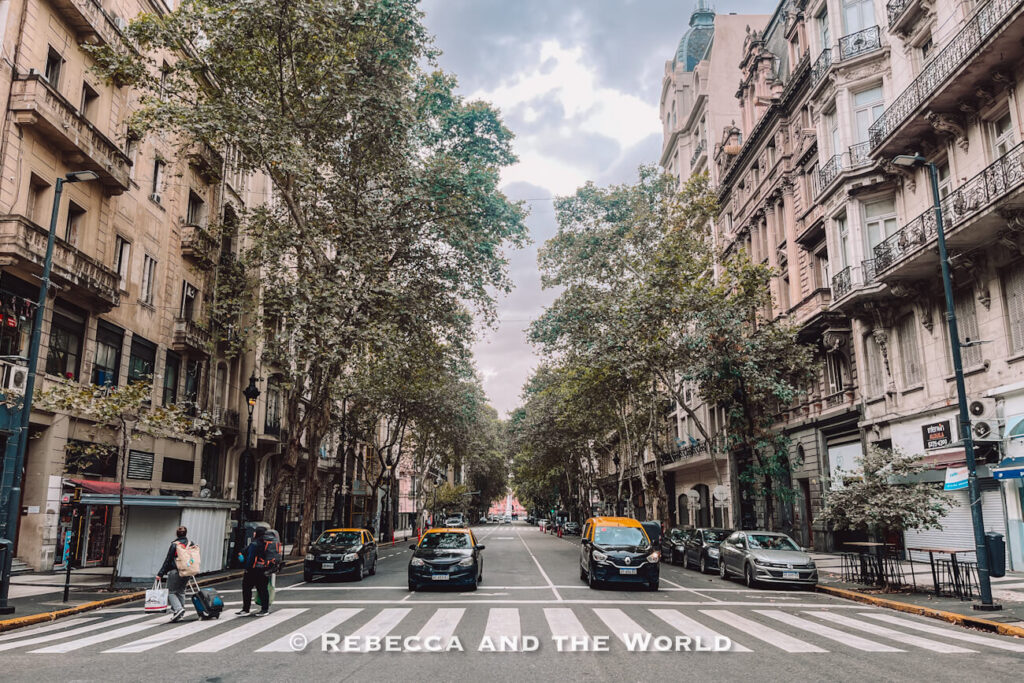
Autumn is a close second. Temperatures are still pleasant, the summer crowds have thinned out and the city’s tree-lined streets take on beautiful autumn colours.
Summer (December to February) can be hot and humid, with temperatures regularly climbing above 30°C. Many locals leave the city during January for beach holidays, so some neighbourhoods feel quieter than usual. It’s still a good time to visit, but be prepared for the heat.
Winter is often overlooked. While you’ll miss some of the outdoor atmosphere that makes Buenos Aires special, temperatures are generally mild and it’s a great time to explore the city’s museums, cafés and restaurants.
→ READ NEXT: The best time to visit Argentina
Arriving in Buenos Aires
Arriving in Buenos Aires is fairly straightforward, but there is one thing that catches some first-time visitors out: the city has two airports.
Most international flights arrive at Ezeiza International Airport (EZE), which is located around 30 kilometres from the city centre. Depending on traffic, the journey into neighbourhoods like Palermo or Recoleta usually takes between 45 minutes and an hour.
Domestic flights and many regional flights use Aeroparque (AEP), which is much closer to the city and more convenient.
If you’re connecting between flights, double-check which airport you’re flying into and out of. Transfers between Ezeiza and Aeroparque can take longer than you’d expect, especially during peak traffic. Similarly, if you’re booking flights for the rest of your trip, pay close attention to the airport you’re booking so you don’t get caught out.
Once you’ve landed, getting into the city is easy. I usually use Uber or Cabify, both of which are widely available and reliable. Official taxis and private transfers are also available.
Getting around Buenos Aires
One of the reasons Buenos Aires is such an easy city to visit is that you don’t need a car.
In fact, I’d actively avoid hiring one. Traffic can be chaotic, parking is often difficult and you’ll spend more time worrying about your car than enjoying the city.
Instead, expect to walk a lot. Neighbourhoods like Palermo, Recoleta and San Telmo are best explored on foot, and some of the city’s best cafés, bars and bookstores are the places you stumble across while wandering around.
For longer distances, I usually use Uber or Cabify. Trips are really affordable at around US$3-$10 depending on where you’re going.
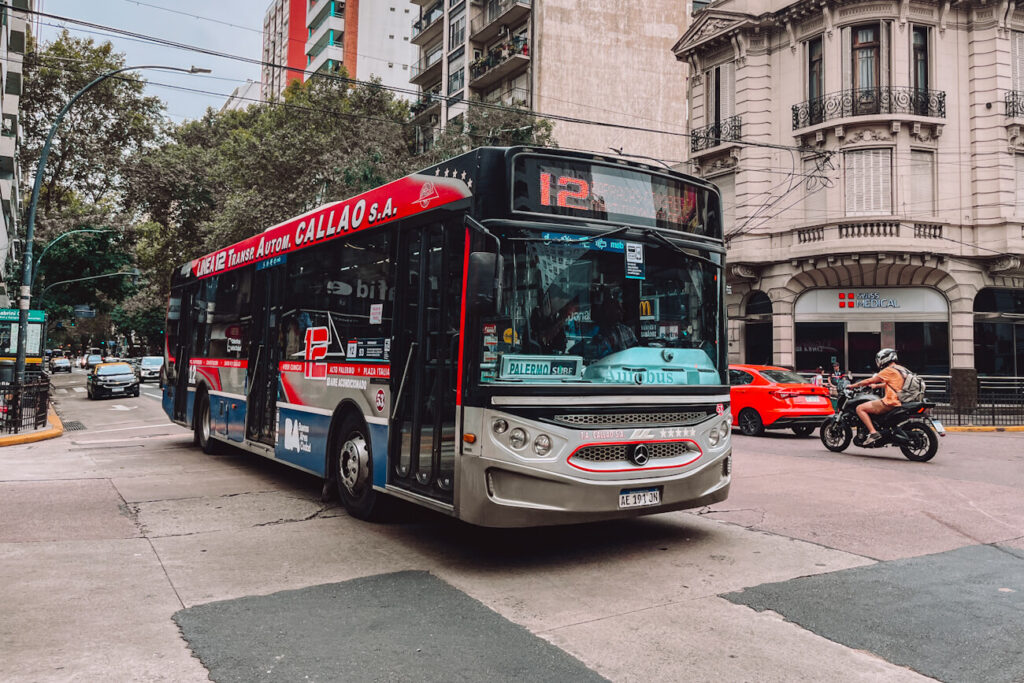
That said, Buenos Aires also has a good public transport network. The Subte (metro) is useful for getting around central parts of the city, while buses reach almost everywhere.
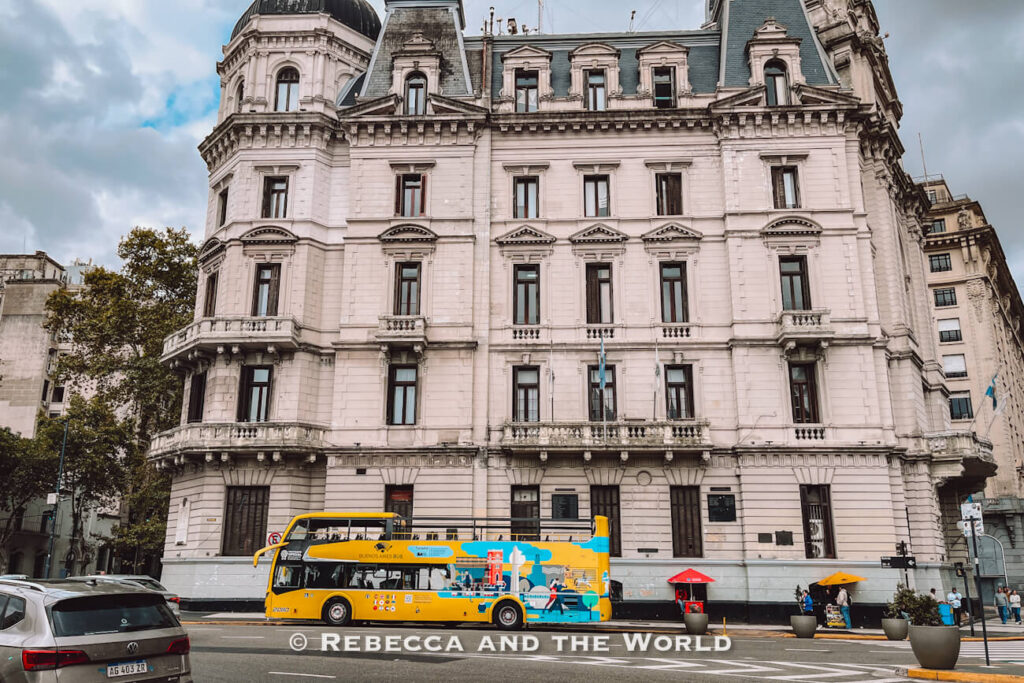
Want to see the city sights? Jump on the Buenos Aires hop-on hop-off bus. Touristy, sure, but very convenient.
READ NEXT:
Buenos Aires travel guide: What to know before you arrive
There are a few things about Buenos Aires that are worth understanding before your trip. Knowing them ahead of time will help you avoid some common first-timer mistakes.
Buenos Aires is bigger than most visitors expect
One of the biggest surprises for first-time visitors is just how large Buenos Aires is.
On a map, neighbourhoods like Palermo, Recoleta and San Telmo can look quite close together. In reality, getting between them can easily take 20 to 30 minutes.
Rather than zigzagging across the city, try grouping activities by neighbourhood.
Money in Argentina
If you’ve done any research about travelling in Argentina, you’ve probably come across discussions about exchange rates, cash and the country’s economy.
The reality is that things change frequently, but these days, paying for things in Buenos Aires is generally straightforward. Credit cards are widely accepted at hotels, restaurants and most businesses, although it’s still worth carrying some cash for smaller purchases and markets.
For cash exchanges, bring US dollars in crisp, $100 notes ($50 notes are also acceptable).
One thing I will say is that Buenos Aires isn’t quite the bargain destination it once was. You’ll still find good value compared to many cities around the world, but don’t arrive expecting everything to be incredibly cheap.
READ NEXT:

Staying connected
Buying a local SIM card when you arrive is possible, but it does take time to set up and can be tricky if your Spanish isn’t great.
What I prefer to do is get an eSIM. You can set everything up before you leave home and have data as soon as you land.
A few apps worth downloading
You don’t need many apps to get around Buenos Aires, but there are a few I’d download before arriving.
Google Maps is essential for navigating between neighbourhoods and finding restaurants, cafés and attractions. It’s pretty reliable for navigating public transport, too.
Uber and Cabify are my preferred transport apps and are often the easiest way to get around the city. I find that Uber has more cars but that Cabify is usually cheaper.
WhatsApp is great for communicating with restaurants, tours and your hotel – everyone is on WhatsApp in Argentina.
Although a lot of people speak English in Buenos Aires, Google Translate is useful to have to translate menus and make yourself understood.
Dinner happens late
One of the first things many visitors notice is that Buenos Aires runs on a later schedule.
Restaurants often don’t start getting busy until 9pm, and it’s completely normal for locals to sit down for dinner at 10pm or later. Even with little toddlers!
Rather than trying to eat early and head back to your hotel, embrace it. Take a slower approach to your evenings, enjoy a long dinner and leave room for a post-meal wander or a drink at a nearby bar. Or take advantage of the quieter “gringo hours”!
READ NEXT:
You don’t need to dress up
Despite its elegant architecture and famous steak restaurants, Buenos Aires is a fairly relaxed city when it comes to clothing.
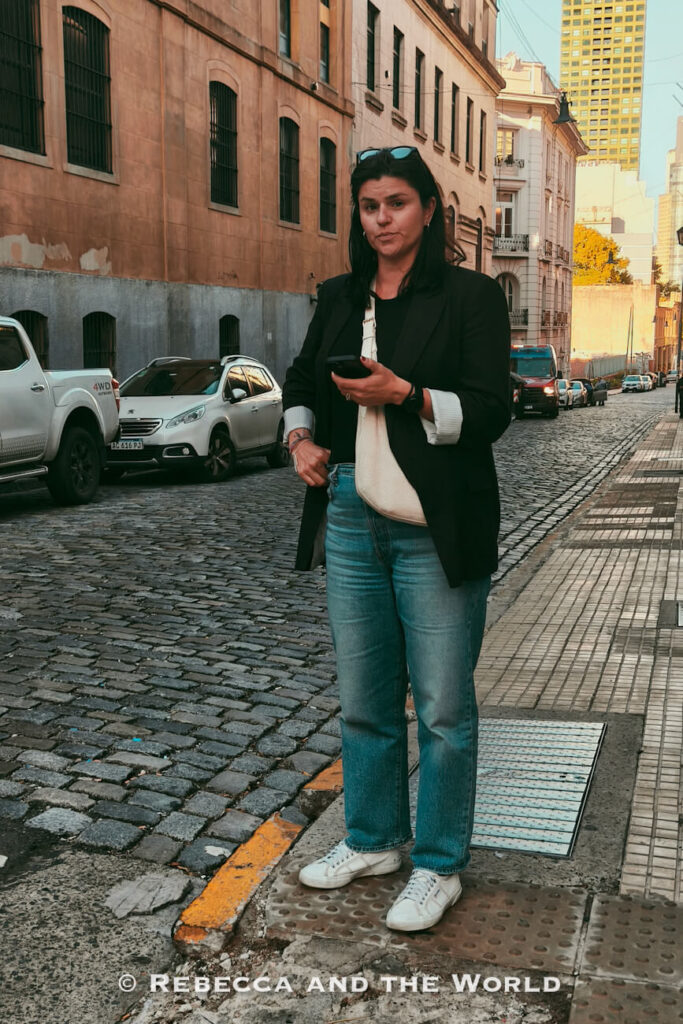
People generally dress stylishly, but not formally. Even at excellent restaurants, smart-casual is usually more than enough. Jeans and a nice top are perfectly acceptable. Avoid active wear and your hiking gear so you don’t stand out like a tourist.
My biggest recommendation? Bring comfortable shoes.
You’ll spend a lot of time walking, and many footpaths are uneven or lined with tree roots. Save the suitcase space for practical clothes and leave the high heels at home.
→ READ NEXT: The ultimate Argentina packing list
Where to stay in Buenos Aires
If this is your first visit to Buenos Aires, stay in either Palermo or Recoleta.
Both neighbourhoods are safe, walkable and packed with the cafés, restaurants and local atmosphere that make Buenos Aires such an enjoyable city to visit. You really can’t go wrong with either.
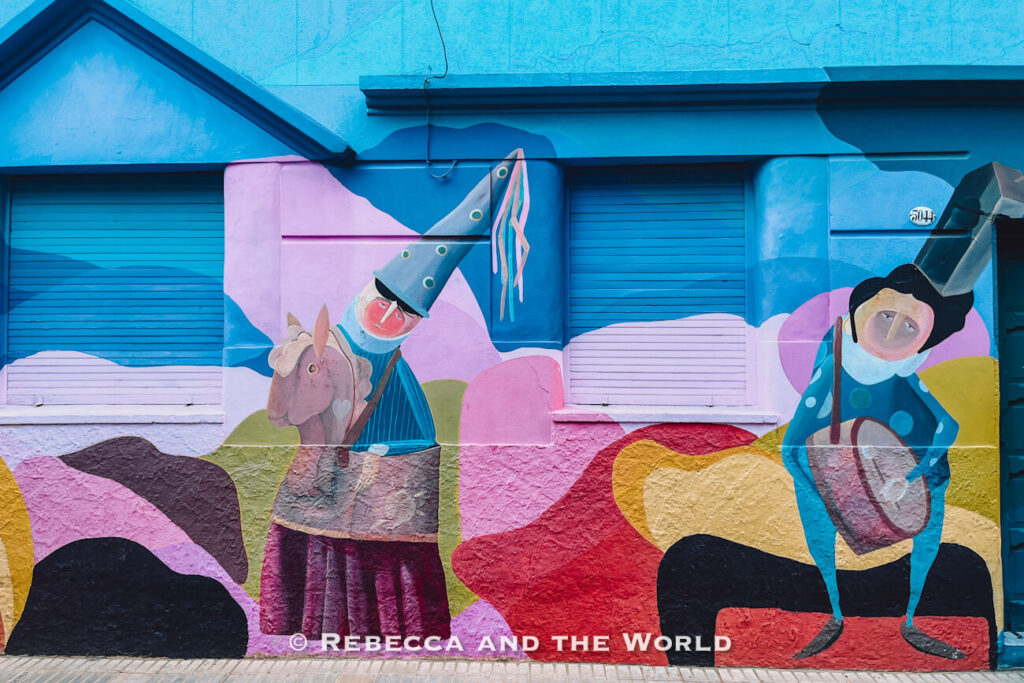
Palermo
If you’re looking for one neighbourhood that captures modern Buenos Aires, it’s Palermo.
This is where you’ll find some of the city’s best restaurants, bars, cafés and boutiques, along with plenty of green space. I particularly like Palermo for first-time visitors because it’s easy to explore on foot and has a great mix of local life and visitor-friendly amenities.
Recoleta
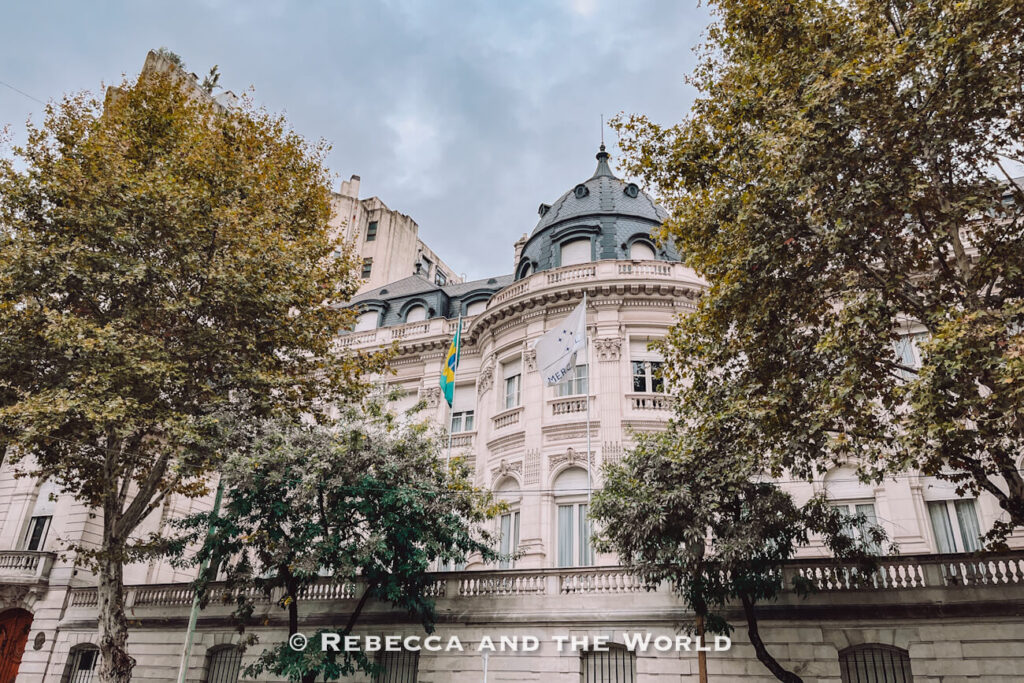
Recoleta has a completely different feel. It’s more elegant, quieter and known for its beautiful architecture, leafy streets and historic buildings. This is where I lived while I was in Buenos Aires, and it’s still one of my favourite parts of the city.
While it doesn’t have quite the same nightlife scene as Palermo, it’s incredibly central.
What about San Telmo and Microcentro?
Both are worth visiting, but I wouldn’t stay in either on a first trip.
San Telmo is one of the most atmospheric neighbourhoods in Buenos Aires, particularly on Sundays when the famous market takes over the streets. It’s absolutely worth exploring, but I think most visitors will have a better overall experience staying in Palermo or Recoleta and visiting San Telmo for the day.
The same goes for Microcentro. It’s home to many of the city’s major landmarks, including Plaza de Mayo and the Casa Rosada, but it can feel quiet once office workers head home.
For a short visit, Palermo and Recoleta are simply better bases. They’re more pleasant to wander around, have more dining options and give you a better feel for everyday life in Buenos Aires.
→ READ NEXT: Where to stay in Buenos Aires
10 things you can’t miss on your first visit to Buenos Aires
You could easily spend weeks exploring Buenos Aires, but if this is your first visit, these are the experiences I’d prioritise.
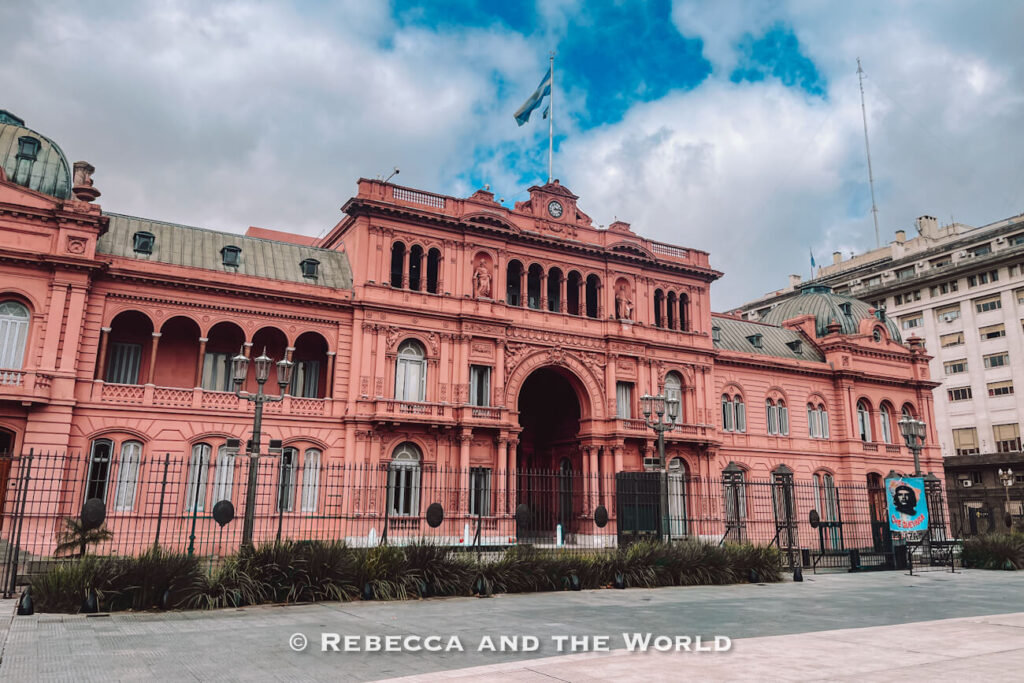
1. Explore Plaza de Mayo
Buenos Aires’ most important square is surrounded by landmarks like the Casa Rosada, the Metropolitan Cathedral and the Cabildo. It’s also where many of Argentina’s defining political moments have played out. I recommend joining a walking tour so you can better understand the stories behind the buildings.
→ READ NEXT: Palacio Barolo tours: A complete guide to visiting
2. Wander through Recoleta Cemetery
One of the world’s most fascinating cemeteries, Recoleta is filled with elaborate mausoleums, sculptures and the tombs of some of Argentina’s most influential figures, including Eva Perón. Even if cemeteries aren’t usually your thing, this one is worth seeing. Take a free guided tour to hear the tales behind the tombs.
3. Step inside Teatro Colón
Often considered one of the finest opera houses in the world, Teatro Colón is a masterpiece of architecture and design. If you can, book a concert or performance. Otherwise, a guided tour is still well worth your time.

4. Visit San Telmo Market
If you’re in Buenos Aires on a Sunday, don’t miss the famous Feria de San Telmo. The streets fill with market stalls, performers and food vendors. If you can’t make it on a Sunday, San Telmo is still worth visiting for its historic atmosphere, antique shops and cafés.
5. Spend an afternoon in Palermo
Don’t just tick off the sights – give yourself time to wander. Browse boutiques in Palermo Soho, stop for coffee, explore the parks and enjoy some of the city’s best restaurants and bars.
→ READ NEXT: What to buy in Buenos Aires
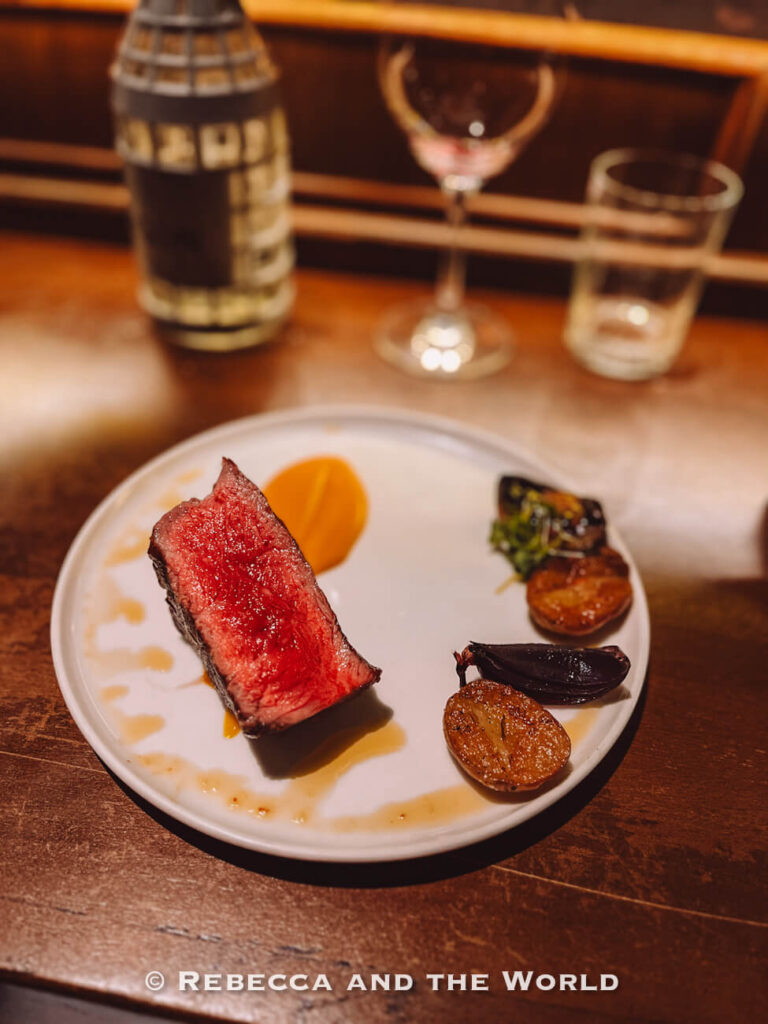
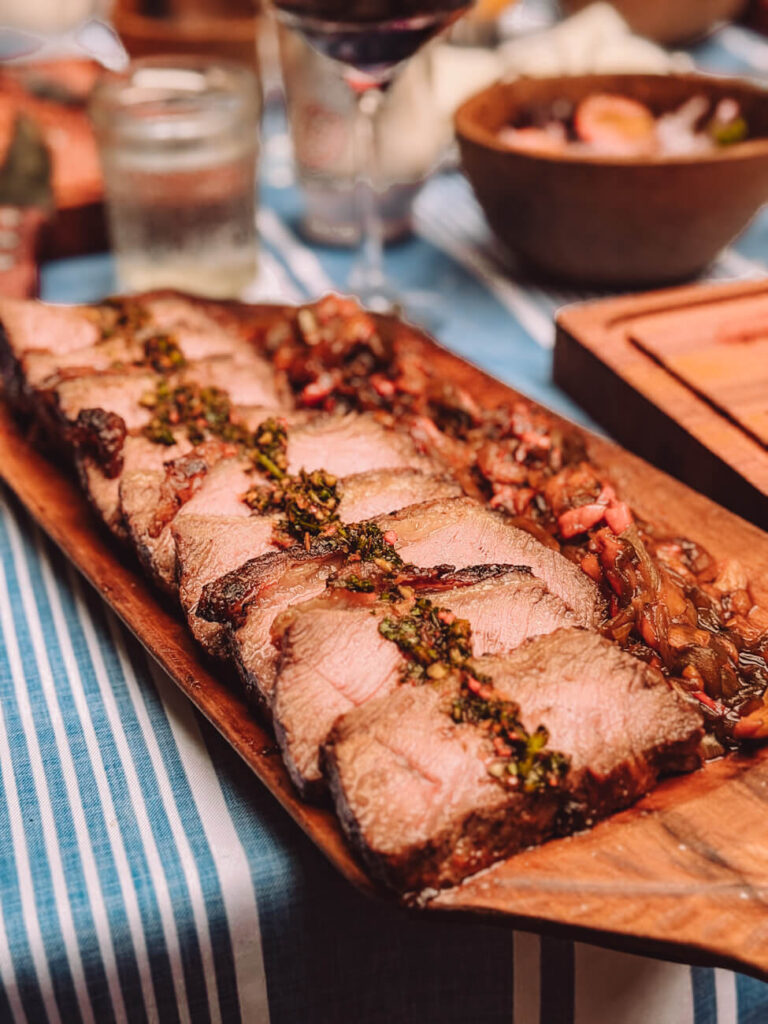
6. Eat all the Argentine steak
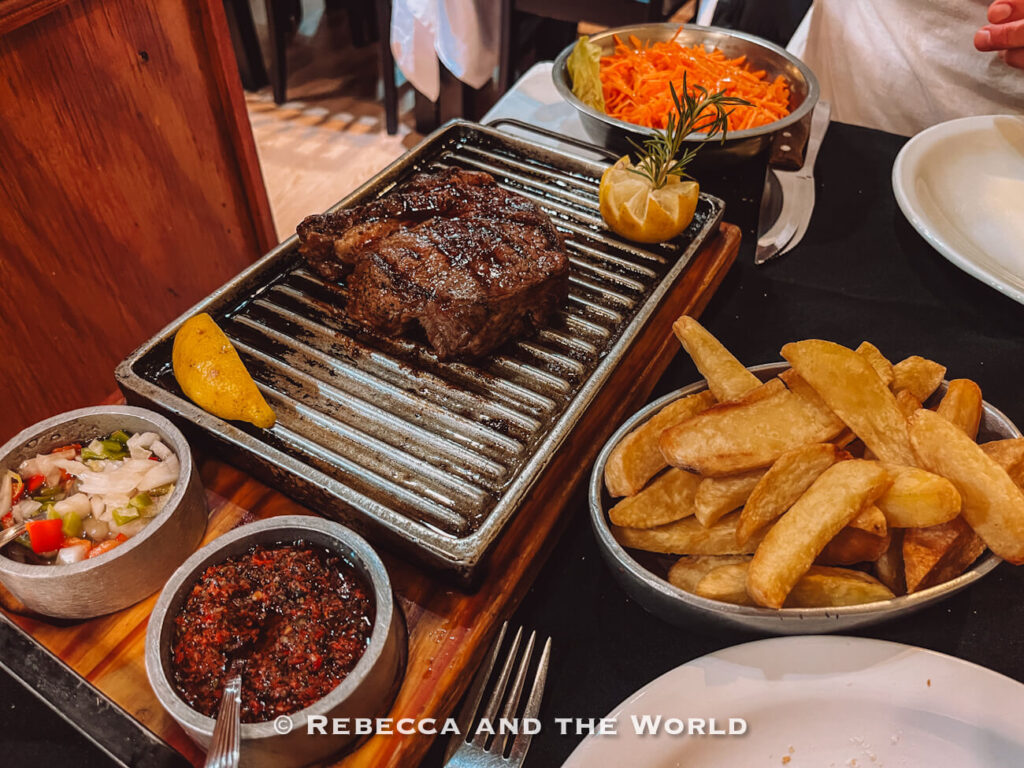
Yes, it’s a cliché. It’s also one of the best meals you’ll have in Buenos Aires. Pair a perfectly cooked steak with a glass of Malbec and you’ll quickly understand why Argentine beef has such a strong reputation.
→ READ NEXT: The best steakhouses in Buenos Aires
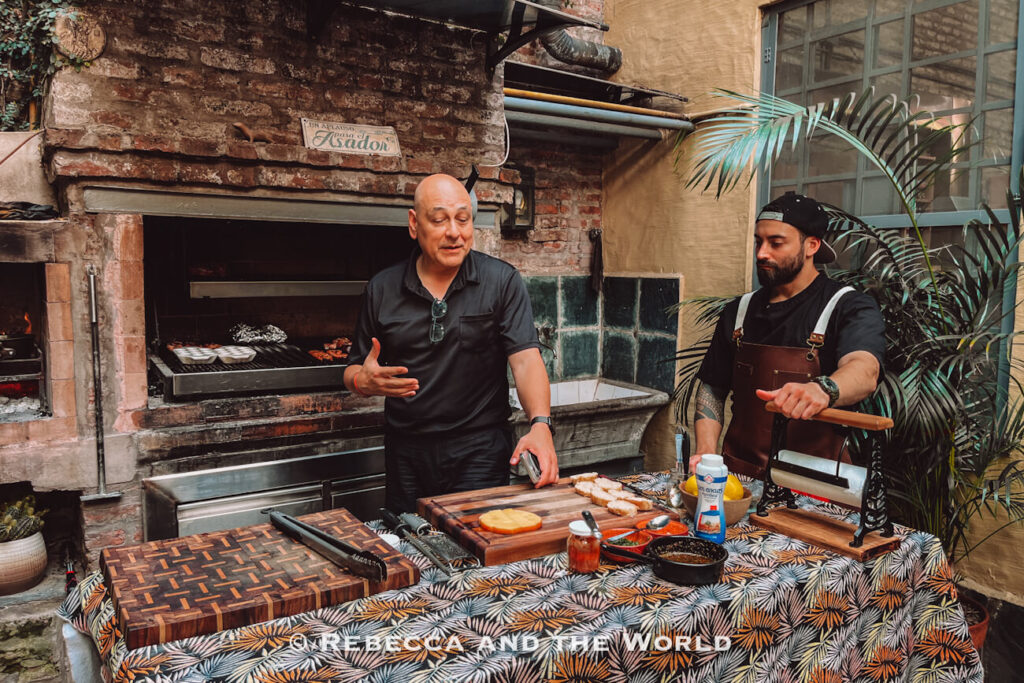
7. Join a food tour
One of the best ways to understand Buenos Aires is through its food. A food tour will introduce you to local favourites while also giving you insight into the city’s history, immigration influences and dining culture.
→ READ NEXT: The best food tours in Buenos Aires
8. Browse the shelves at El Ateneo Grand Splendid
Housed inside a former theatre, El Ateneo Grand Splendid is one of the most beautiful bookstores in the world. It’s touristy, yes – but it’s also genuinely impressive and worth a stop while you’re in Recoleta.

9. See a tango show
Tango was born in Buenos Aires, and seeing it performed here is a memorable experience. There are dozens of shows to choose from, ranging from intimate performances to elaborate dinner-and-show productions.
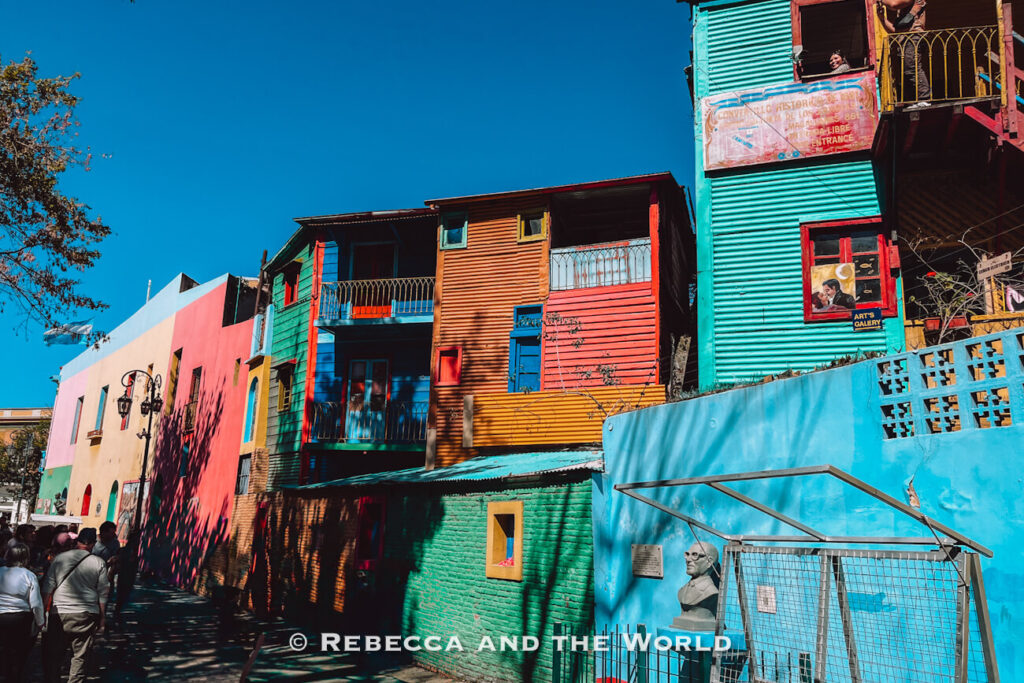
10. Visit La Boca
With its brightly painted buildings and lively atmosphere, La Boca is one of Buenos Aires’ most recognisable neighbourhoods. It’s touristy, but it’s also colourful, fun and unlike anywhere else in the city.
Is Buenos Aires safe?
Yes! Like any large city, it’s not completely free of crime, but the biggest risk for most travellers is petty theft rather than anything more serious.
The most common issues are pickpocketing and phone theft, particularly in crowded areas such as markets, public transport stations and popular tourist attractions. Keep an eye on your belongings, avoid leaving your phone sitting on café tables and stay aware of your surroundings, especially in busy places.
It’s also worth taking a little extra care in La Boca. The colourful Caminito area is perfectly fine to visit during the day, but I recommend sticking to the main tourist streets and avoiding wandering too far beyond them.
When travelling at night, I usually use Uber or Cabify, especially if I’m moving between neighbourhoods after dinner.
Use the same common sense you would in any major city, and you’ll find Buenos Aires a welcoming and safe place to visit.
Buenos Aires travel guide: Final thoughts
Buenos Aires isn’t a city that dazzles you with a single landmark or bucket-list attraction.
Instead, it’s a place that reveals itself gradually. Through long lunches that stretch into the afternoon, neighbourhood cafés filled with locals, late-night dinners with friends and hours spent wandering tree-lined streets with no particular destination in mind.
That’s what I loved most about living here. While the city certainly has its share of impressive sights, restaurants and experiences, it’s the atmosphere and everyday moments that tend to stay with you long after you’ve left.
If this is your first visit, give yourself at least a few days to explore beyond the major attractions. Slow down, spend time in the neighbourhoods and leave room in your itinerary for a little spontaneity.
Chances are you’ll leave already thinking about when you can come back.
Did you find this article helpful? Consider buying me a coffee as a way to say thanks!
If it’s your first time to Argentina, I hope this Buenos Aires travel guide has been helpful. Drop any questions in the comments section below.
Need help planning your Argentina trip? 🇦🇷
Feeling overwhelmed about planning your trip to Argentina? I get it. And I can help! I offer one-to-one travel consultation calls to help you plan your trip to Argentina. In an hour, we can map out a realistic itinerary or work through your specific questions so you can book an incredible trip. Save hours of your time with my local knowledge and expertise.
Read next
Before you go, you might like these Buenos Aires travel guides:
- 3 Days in Buenos Aires Itinerary: What to See, Do and Eat (By a Former Local)
- Where to Stay in Buenos Aires, Argentina: A (Former) Local’s Guide
- Best Food Tours in Buenos Aires: 8 Foodie Experiences Worth Your Time and Money
- How to Get Around Buenos Aires: Transport Tips for First-Time Visitors
- Buenos Aires Travel Budget: What it Costs to Visit Argentina
ARGENTINA TRIP ESSENTIALS
- Book your flight to Argentina online with Skyscanner. I like how this site allows you to find the cheapest days.
- One thing I always purchase is travel insurance! Travel Insurance Master allows you to compare across multiple policy providers, while SafetyWing is great for long-term travellers and digital nomads.
- Wise is my choice for sending and receiving money and spending money overseas (you can get a digital and physical card).
- Find a great hotel in Argentina. Check prices on Booking.com and Expedia online.
- Check out the huge range of day tours throughout Argentina on GetYourGuide or Viator. I love a good food tour in particular!
- Saving money? Check out the range of free walking tours across Argentina with GuruWalk (don’t forget to tip!).
- How to get around? I use DiscoverCars for car hire, or Motorhome Republic and Jucy for campervan/RV rental. For buses, trains and ferries, I use 12GO, Busbud and Omio.
- Grab an e-sim to stay connected while on the road.
- A copy of the Lonely Planet guide to Argentina will be handy. Also pick up a Spanish language phrasebook to help you navigate your visit.
- Keep those bottles of wine you’ll be buying safe in these wine bags.
- Check out my Amazon shop for my fave travel items – everything from backpacks and suitcases to travel adapters and beauty products.
PIN IT FOR LATER: BUENOS AIRES TRAVEL GUIDE
Save this Buenos Aires travel guide to Pinterest so you can plan your trip later.