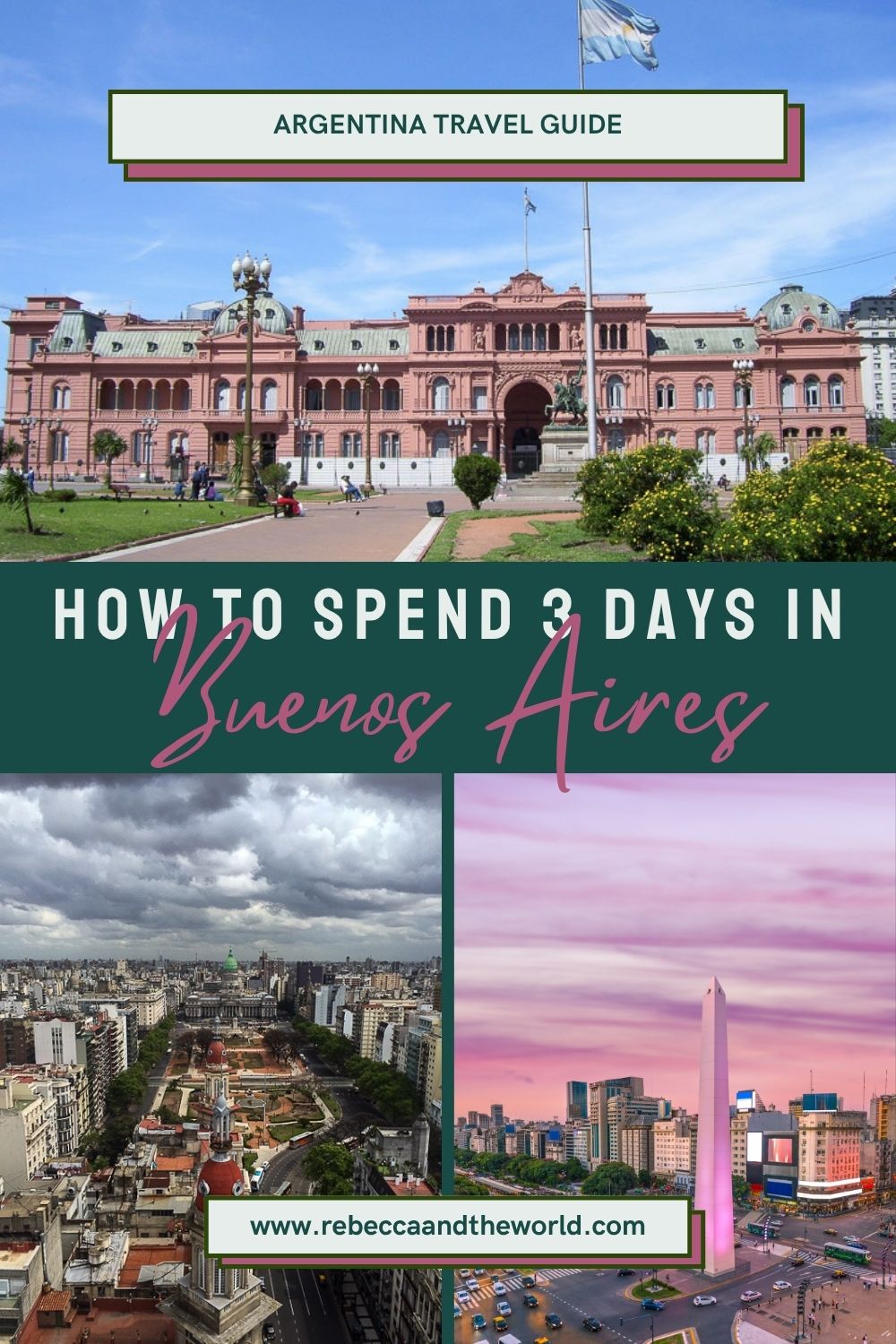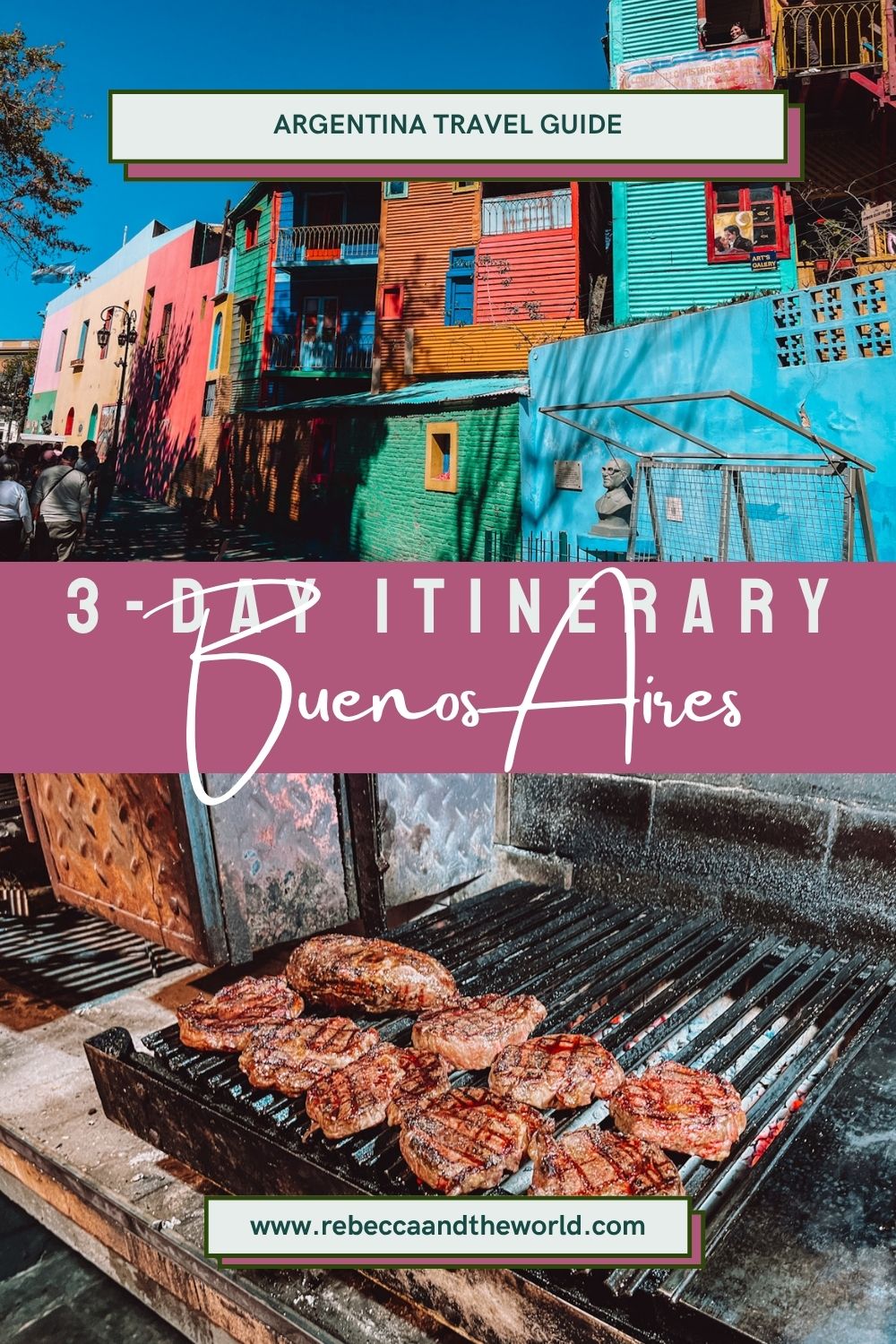

Looking for ways to spend 3 days in Buenos Aires for your first time in the city? You’ve come to the right place!
Buenos Aires is one of the most incredible cities in the world. If you’re anything like me, you will immediately fall in love with the city’s architecture, the food, the parks, the laidback culture and the people.
While you could easily spend weeks here, if you’ve only got 3 days in Buenos Aires, then this Buenos Aires itinerary will help you make the most of those days. It’s entirely possible to hit the highlights in a short amount of time.
I lived in Buenos Aires for almost two years, and this post is my personal guide to the best things to do in Buenos Aires and how to organise them into the perfect itinerary for first-time visitors.
Vamos!
This blog post may contain affiliate links, meaning if you book or buy something through one of these links, I may earn a small commission (at no extra cost to you).
Snapshot: Buenos Aires travel guide
☀️ Best time to visit: spring (Sep-Nov) and autumn (Mar-May)
⭐️ When visiting Buenos Aires, you shouldn’t miss:
- Free walking tour of Buenos Aires – great way to learn about the history and culture and get recommendations from a local guide!
- The Argentine Experience in Buenos Aires – a fun dining experience
- Visiting the Recoleta Cemetery – home to many important Argentine figures and some incredible tombs
🏨 Book your hotels well in advance during peak season. The best areas to stay for a first-time visit are Palermo and Recoleta. My recommended hotels in Buenos Aires are:
- BE Jardin Escondido by Coppola – gorgeous boutique hotel in Palermo
- Hotel Club Frances – in Recoleta, with spacious rooms
- Casa Caravan – super cool hostel
🚙 Getting around: Buenos Aires is incredibly walkable, but there are also plenty of taxis and rideshares; the Subte (subway system) is also easy and cheap to use
🛬 Need to get from one of Buenos Aires’ two major airports to the city? Book a transfer here
⚠️ Safety: Don’t walk with your phone out on the street, especially near traffic (motochorros – thieves on motorbikes – are a thing); take rideshares at night
Snapshot: Buenos Aires itinerary
Here’s what this 3-day itinerary covers:
- Day 1: Downtown Buenos Aires visiting all the important historical sites, followed by a wander through bohemian San Telmo before a foodie experience
- Day 2: Visiting the stunning Teatro Colon, walking through elegant Recoleta (including the famous cemetery) and finishing with a night out at a tango show
- Day 3: Exploring colourful La Boca and then the trendy Palermo neighbourhood
It’s a busy three days but it hits the highlights of the city for a first-time visit.
My advice: While many people suggest doing a day trip to Tigre, Colonia del Sacramento (in Uruguay) or a gaucho day trip, it will mean you miss a lot of the city’s highlights. I recommend tacking on a day trip from Buenos Aires only if you’ve got more than three days.
Below, you’ll find what to see in Buenos Aires in 3 days laid out on a map. The map is colour-coded day-by-day according to the itinerary. Click the little arrow button in the top left-hand corner to open up the map details.
Day 1: Downtown, Plaza de Mayo, San Telmo and a foodie experience
Start your three perfect days in Buenos Aires right in the Centro Histórico. This is where the city’s big political moments have played out – from protests and celebrations to speeches that shaped Argentina’s modern identity – and where you’ll find some of Buenos Aires’ most impressive architecture.
If you want the history and stories, I’d recommend joining a walking tour. This free walking tour starts at 11am at the Plaza del Congreso. It’s three hours long and hits the main sights.
If you don’t want to join a group tour and prefer to be more flexible with your time, follow the self-guided walking itinerary below. Wear comfy shoes and pack a reusable water bottle because you’re going to be doing a lot of walking today! (Check out my full Argentina packing list.)
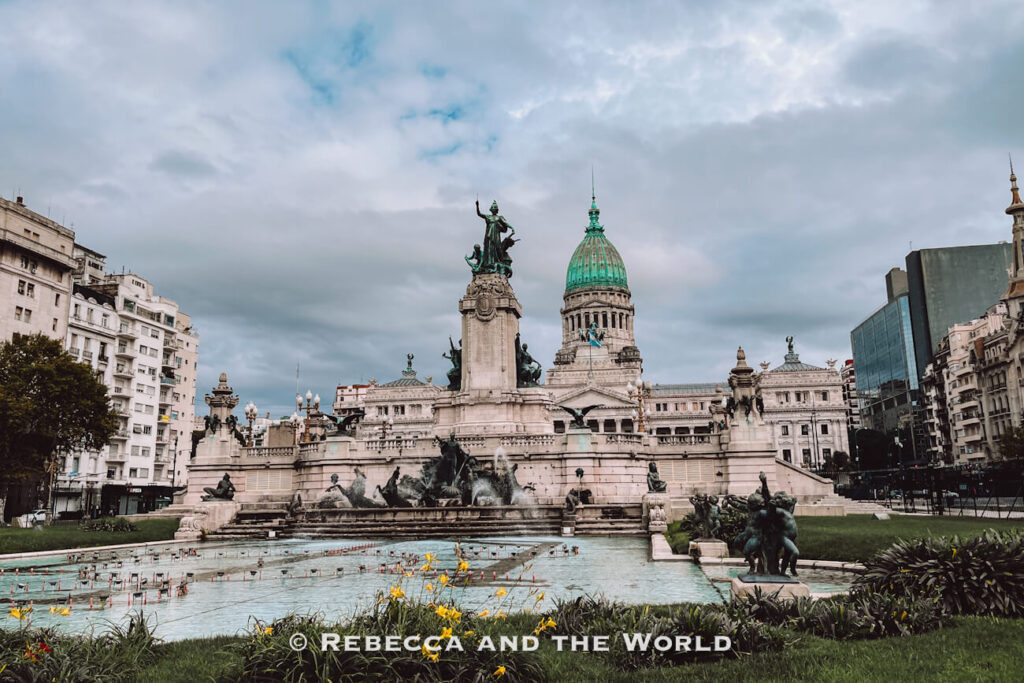
Take an Uber/Cabify/taxi or use the subte (subway) to begin at Plaza del Congreso. This grand square that was designed to match the importance of the building it faces: the Palacio del Congreso (National Congress). It’s monumental, stately and very European in style.
From Congreso, head south down Avenida de Mayo, one of the city’s most beautiful avenues. It was created in the late 1800s as Buenos Aires looked to Europe (especially Paris and Madrid) for inspiration, and it still has that “Old World boulevard” feel: ornate façades, iron balconies and historic cafés.
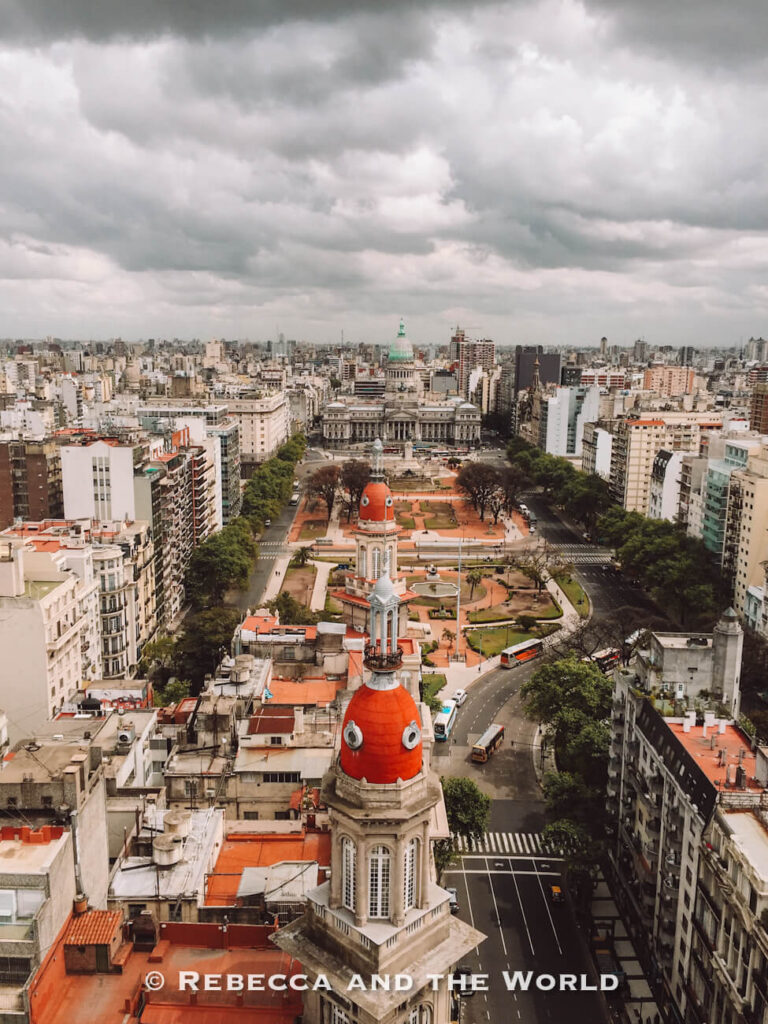
Avenida de Mayo is also home to one of Buenos Aires’ most unusual and fascinating buildings: Palacio Barolo.
Even if you don’t go inside, it’s worth stopping out the front to admire the detail. The building was inspired by Dante’s Divine Comedy, with design elements that symbolise hell, purgatory and heaven. If you do have time for a tour, the highlight is heading up for the views from the lighthouse at the top — it’s one of the best city panoramas you’ll get without leaving the centre.
You can book a tour of Palacio Barolo (I recommend booking in advance). Tours with a bilingual guide run daily (except Tuesdays) at 12pm, 2pm, 3pm and 4pm. Otherwise, there are night tours if you prefer to come back for sunset views (and a glass of wine).
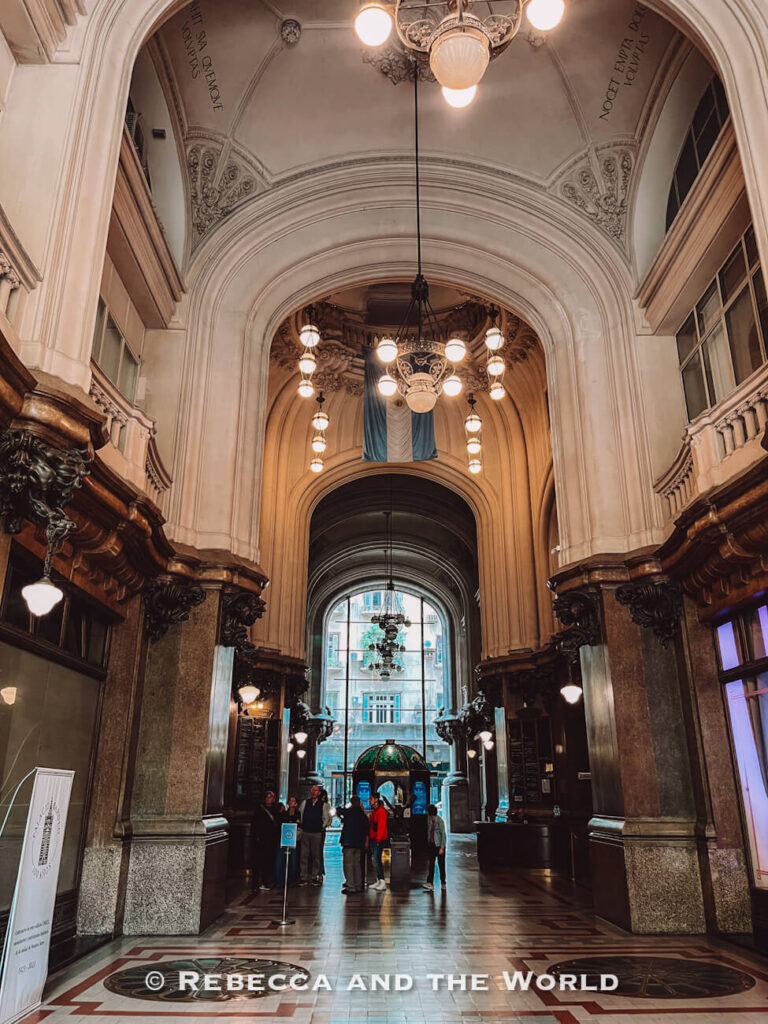
Next, make a classic Buenos Aires café stop at Café Tortoni (Avenida de Mayo 825). Yes, it’s touristy – but it’s an iconic café that’s hosted artists, writers and musicians for generations. Be warned that the lines can be long! Order a cortado (espresso with a little milk) and a medialuna (small croissant).
Continue towards Plaza de Mayo and you’ll reach the Cabildo Nacional, the colonial-era town hall. There’s a small (and free) museum you can wander through.
You’ve now arrived at Plaza de Mayo, the city’s most important public square. This is where Argentines have gathered for generations — for protests, vigils, celebrations and historic announcements. Nearly every building facing the plaza matters.
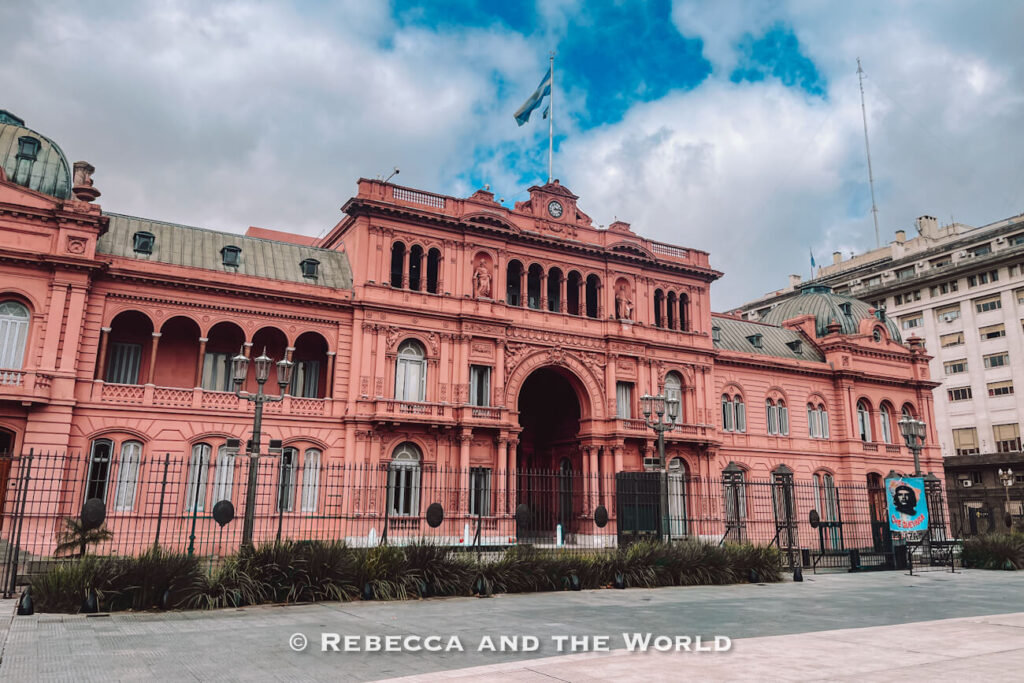
The Casa Rosada is the famous pink presidential office — and one of the most photographed buildings in Buenos Aires. The balcony is where Eva Perón addressed huge crowds.
Unfortunately they don’t run Casa Rosada tours anymore (I was lucky to do one when I lived there – the interiors are very elegant), but there is the Museo Casa Rosada (Museo del Bicentenario) next door. While all of the signs are in Spanish, it’s free and has some interesting exhibits about early Argentine governments.
Across the plaza you’ll see the Banco de la Nación Argentina, the country’s national bank. The building itself is striking.
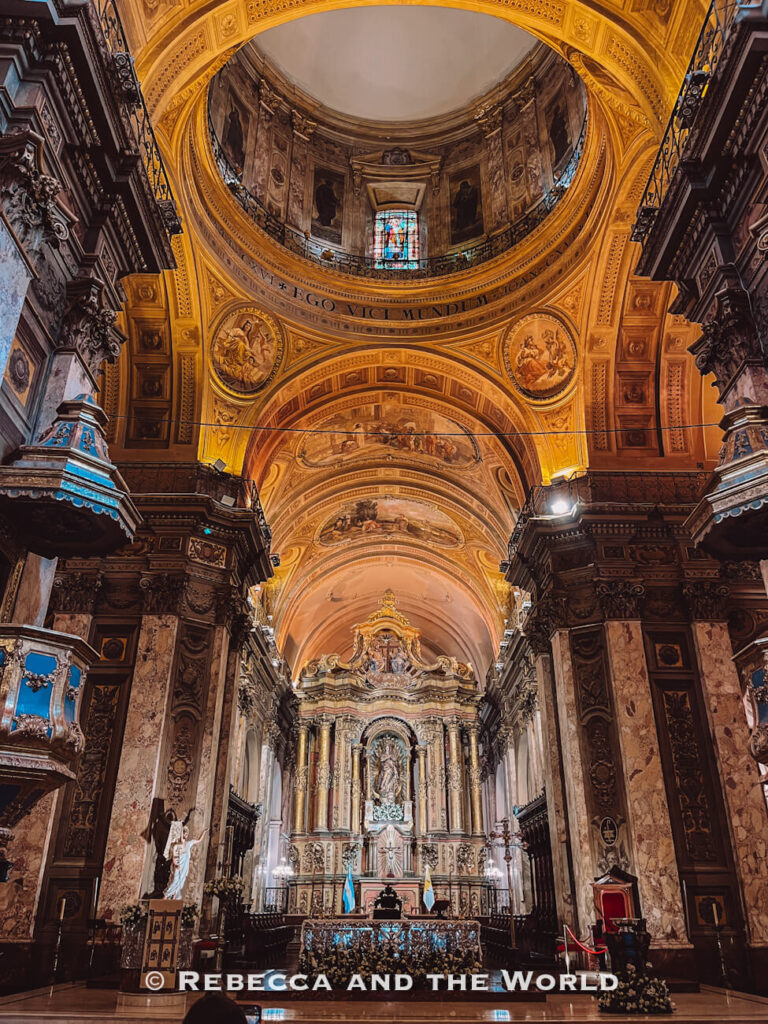
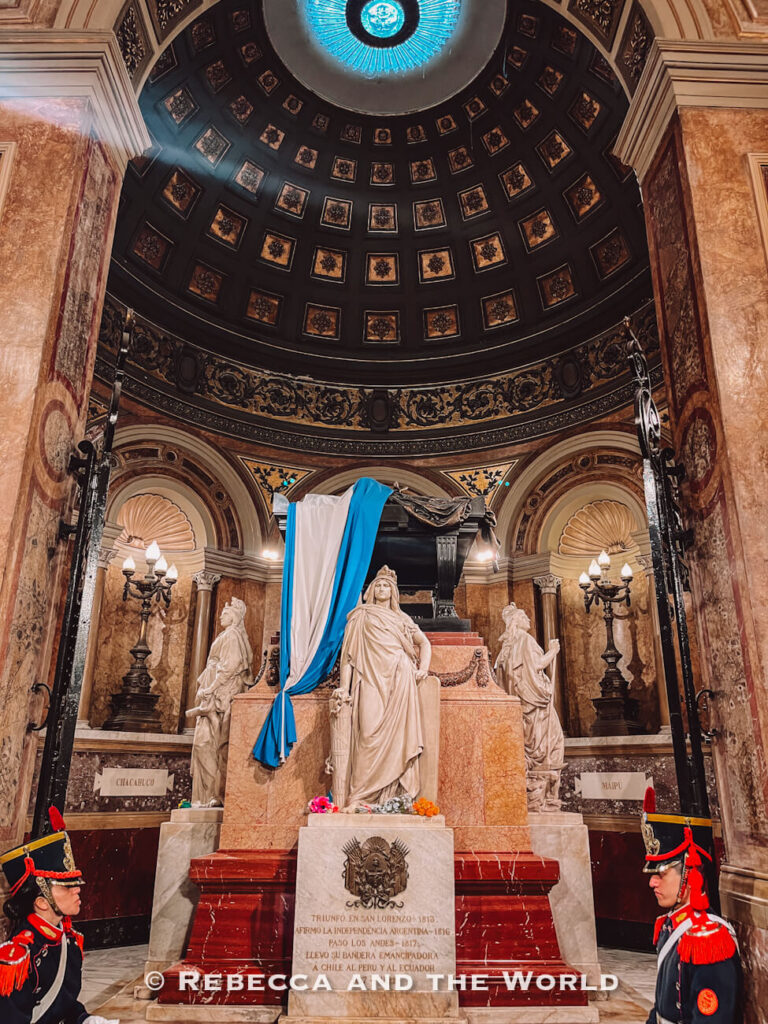
Finish with the Catedral Metropolitana. Inside is the tomb of General José de San Martín, one of Argentina’s most important historical figures. It’s also where the late Pope Francis (who was Argentine) used to lead mass when he was Archbishop of Buenos Aires.
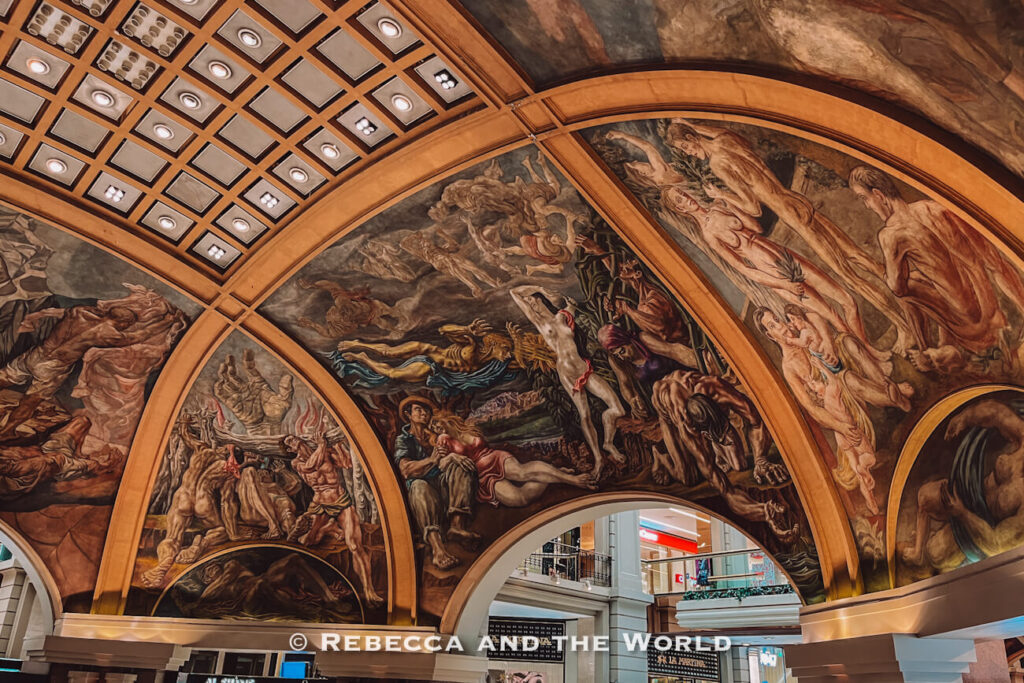
Optional detour: Galerías Pacífico – If you want a quick detour before you leave the area, head to Galerías Pacífico. Yes, it’s just a shopping mall, but it has beautiful murals on the ceiling that are worth seeing. It’s about a 15 minute detour in the opposite direction to where you’re heading next, though!
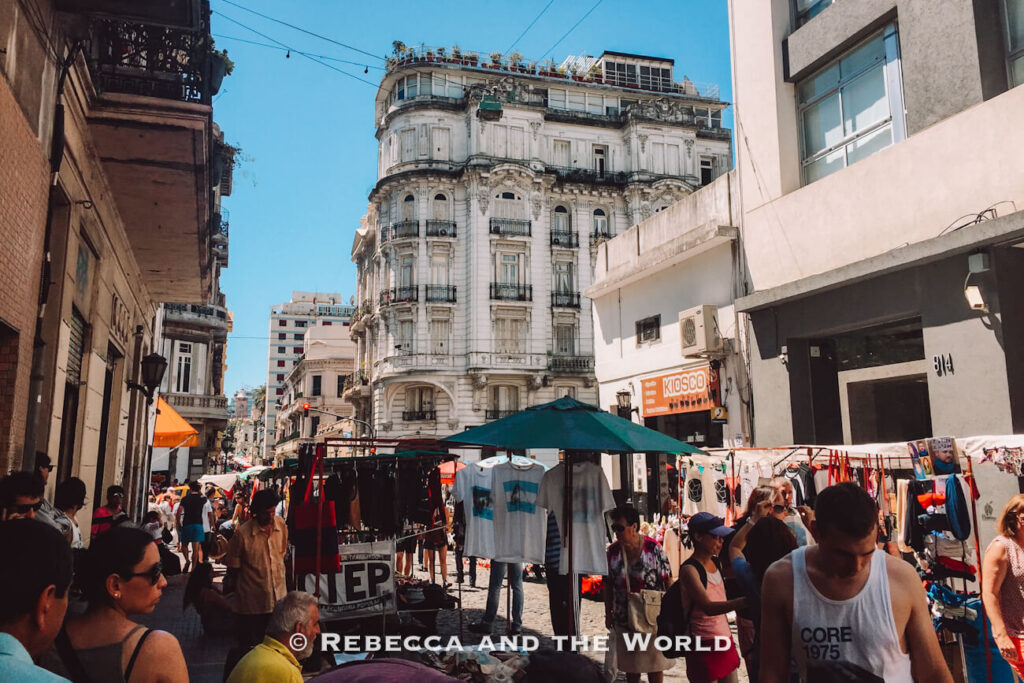
Next, head south to the barrio (neighbourhood) of San Telmo. You can walk here from the Plaza de Mayo – just cross Avenida Hipólito Yrigoyen and walk down Calle Defensa.
San Telmo was once full of the very wealthy, but a yellow fever epidemic in the late 19th century pushed them to Recoleta. The mansions here were then subdivided to house poor people – in many cases, dozens of families lived in one home.
San Telmo retains a bohemian vibe, and is filled with store after store of unique antique shops.
San Telmo is famous for its Sunday Feria de San Telmo market. The streets are filled with vendors selling all sorts of handicrafts and antiques, and the smell of asado lingers in the air. While it’s a fun market to visit, it is absolutely packed with people, making it difficult to actually enjoy the sights, so I recommend wandering through San Telmo on a weekday and then coming back in the late afternoon on a Sunday for the market if you can fit it in.
It’s most likely time for lunch – and you have plenty of options. Take a break inside the San Telmo Market, which is choc-a-bloc with bars, cafes and restaurants – this is probably your best bet for an easy meal.
La Brigada (Estados Unidos 465) is famous for having steak so tender the waiter cuts it with a spoon at your table, while the empanadas at El Gauchito (Avenida Independencia 414) are fried and delicious. Desnivel (Defensa 855) is another famous parrilla.
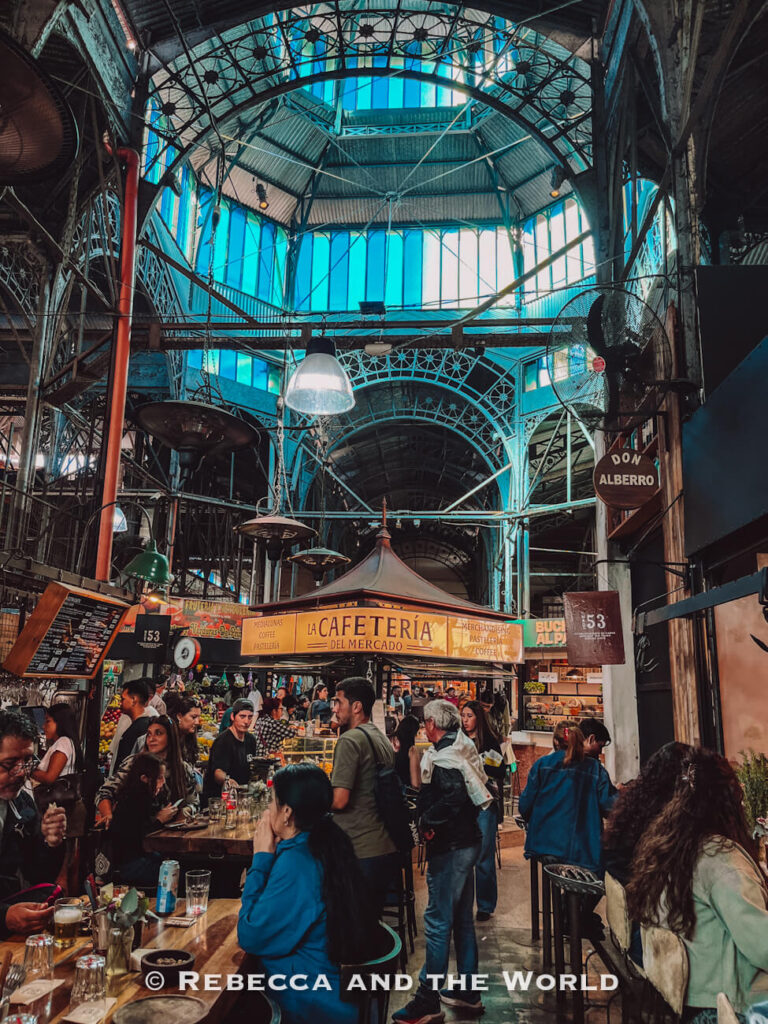
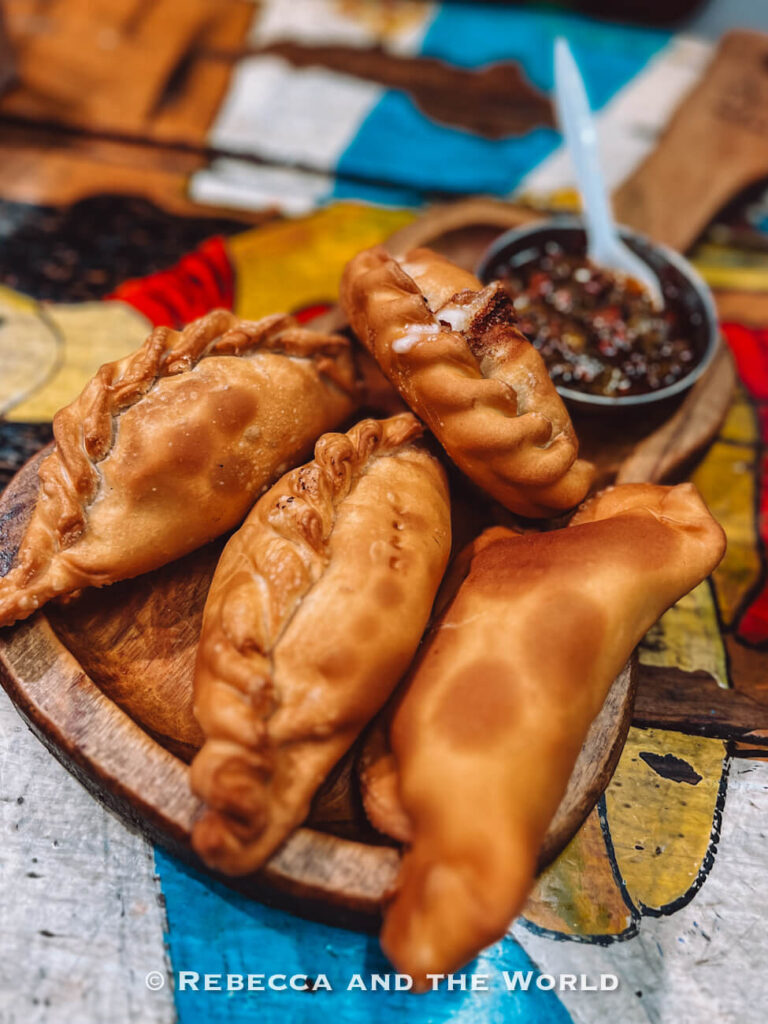
After eating, wander down Defensa and stop in at as many of the highlights as your energy will allow (listed below in order):
- Farmacia de la Estrella (Defensa 201) – an old-school pharmacy with murals on the ceiling
- Iglesia y Convento de San Francisco – grand Baroque-style church
- Mafalda statue (corner of Defensa and Chile streets) – join the queue for a photo with Mafalda, a famous Argentine cartoon character
- El Zanjón de Granados (Defensa 755) – one of the more unique things to do in Buenos Aires, this is a network of tunnels and sewers that lie beneath the streets; you can take a tour to learn about the people who lived here
- Antique stores – all along Defensa are antique stalls filled with everything from records, posters and books to furniture
- Casa Minima (San Lorenzo 380) – the smallest house in Buenos Aires
- Plaza Dorrego – watch tango dancers and shop for antiques
- Pasaje de la Defensa (Defensa 1181) – shops and cafés have now taken over this historic building
- Continue all the way down to Parque Lezama, where you can see the beautiful blue domes of the Russian Orthodox Church or visit the National Historic Museum
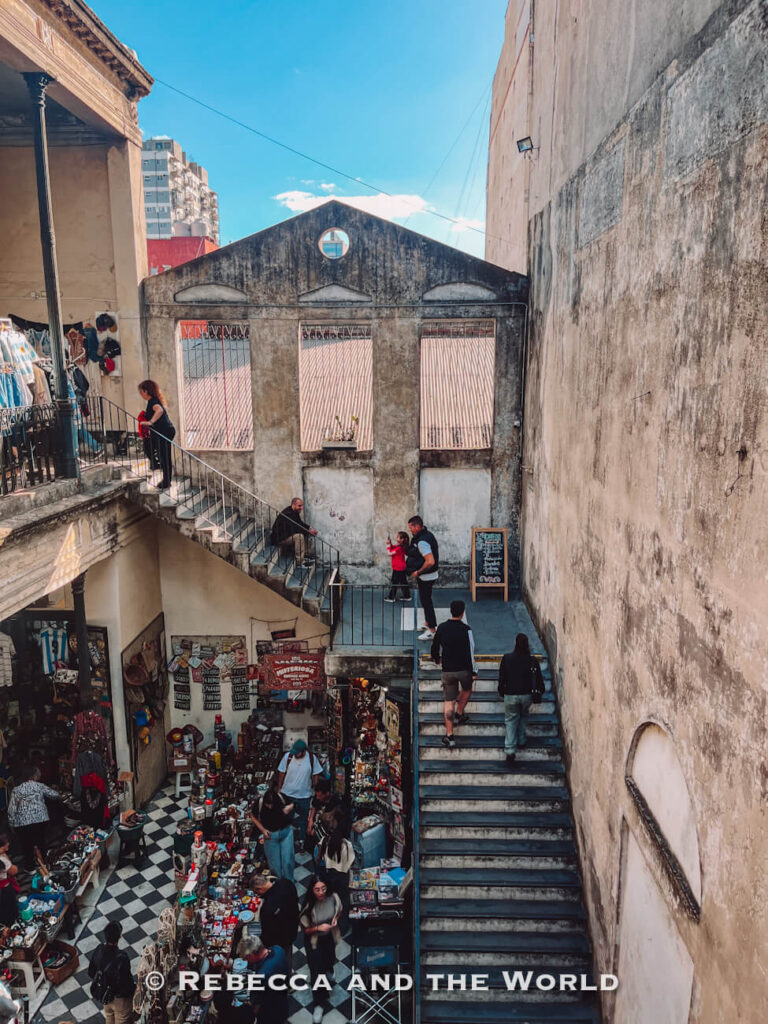
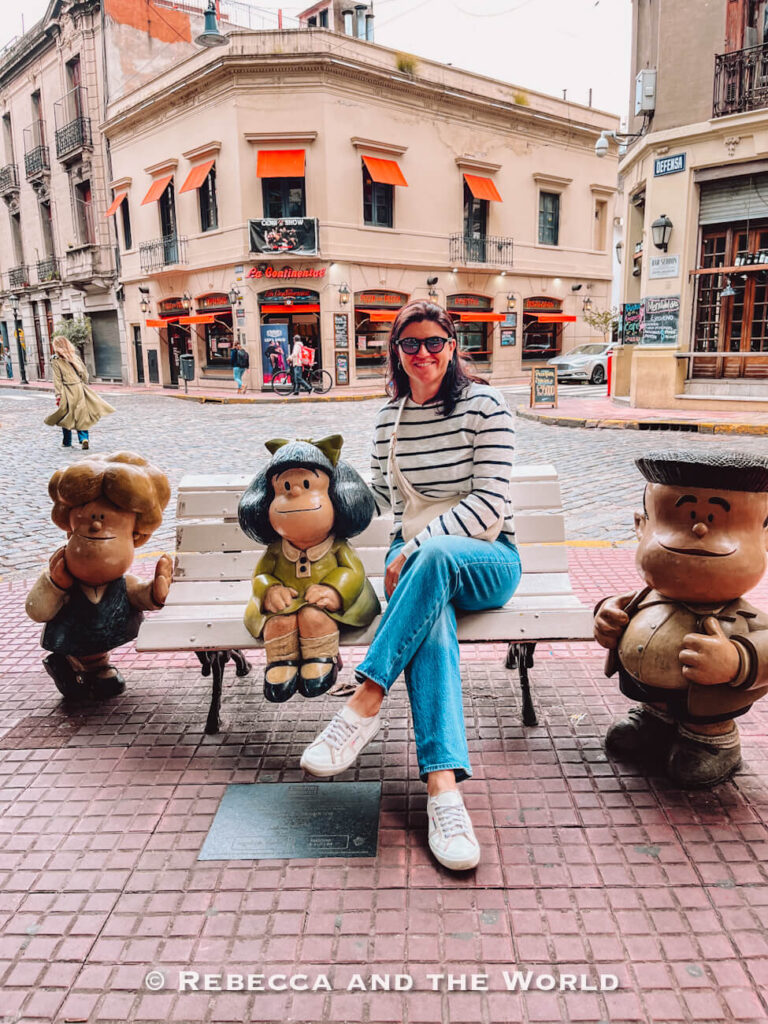
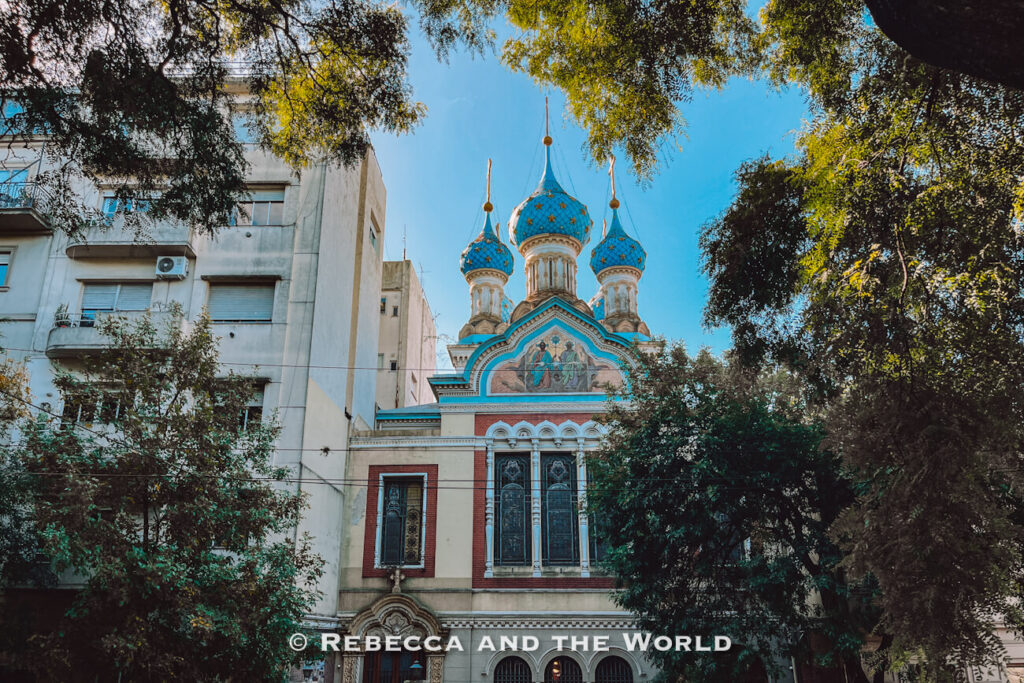
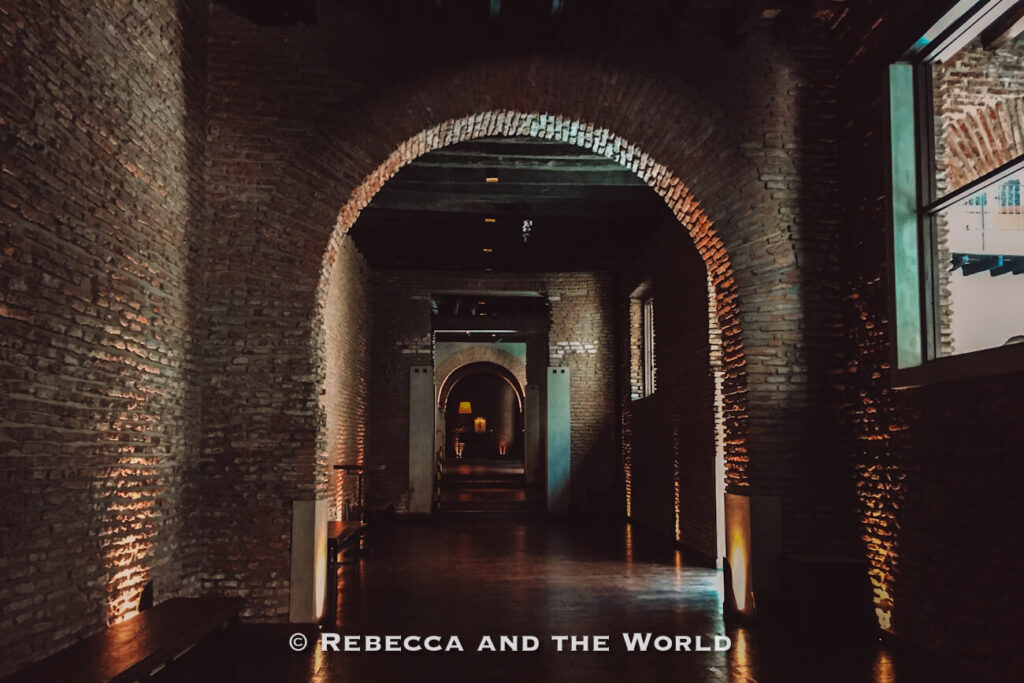
Walking all the way from Farmacia de la Estrella to the National Historic Museum will take about 30 minutes if you don’t stop – but I’d recommend allowing a few hours for a leisurely stroll.
Head back to your hotel for a rest and to freshen up. It’s been a big day!
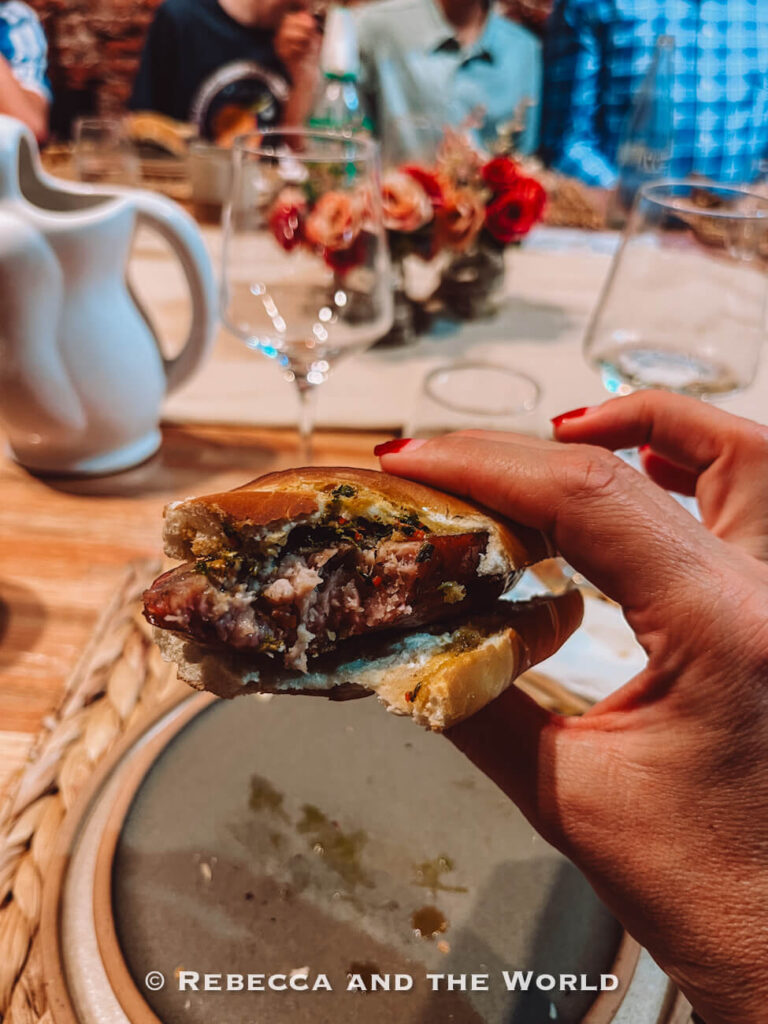
Tonight is all about food – but I’m not sending you to a restaurant for dinner (yet). You’re going to start with a fun food experience that will teach you about Argentine food culture, especially asado (barbecue).
You have a few options to choose from – and honestly, you can’t go wrong with any of these food experiences in Buenos Aires:
- The Argentine Experience: Part dinner, part cultural deep-dive — you’ll learn the basics of Argentine flavours (with a bit of hands-on fun) while eating your way through a set menu and plenty of wine. (BOOK HERE or read my review)
- Betty and Marcelo: A warm, family-style asado in Palermo where you watch the grill in action and learn how Argentines really do barbecue at home. (BOOK HERE USING CODE REBECCA&THEWORLD TO SAVE 5% or read my review)
- Fogón Asado: A splurge, for a special occasion (we went for my birthday) – this is a 9 or 14-course tasting menu where each course shows off a different cut or technique from the parrilla. They’re number 22 in the World’s Best Steakhouses list. (BOOK HERE or read my review)
- Sherpa Food Tour Buenos Aires: A more traditional food tour with multiple tastings and stops around the trendy neighbourhood of Palermo – but this starts at 5.30pm so you’ll need to plan your day accordingly. (BOOK HERE USING CODE REBECCA5 FOR A 5% DISCOUNT or read my review)
Whichever you choose, it’ll be a delicious (and filling) way to end your first day in Buenos Aires.

Need help planning your Argentina trip? 🇦🇷
Feeling overwhelmed about planning your trip to Argentina? I get it. And I can help! I offer one-to-one travel consultation calls to help you plan your trip to Argentina. In an hour, we can map out a realistic itinerary or work through your specific questions so you can book an incredible trip. Save hours of your time with my local knowledge and expertise.
Day 2: Teatro Colon, Recoleta and tango
Day 2 of this Buenos Aires itinerary is another big day of walking, so put those comfy shoes back on. (And remember: if you don’t want to walk everywhere, Cabify and Uber are very affordable in Buenos Aires.)
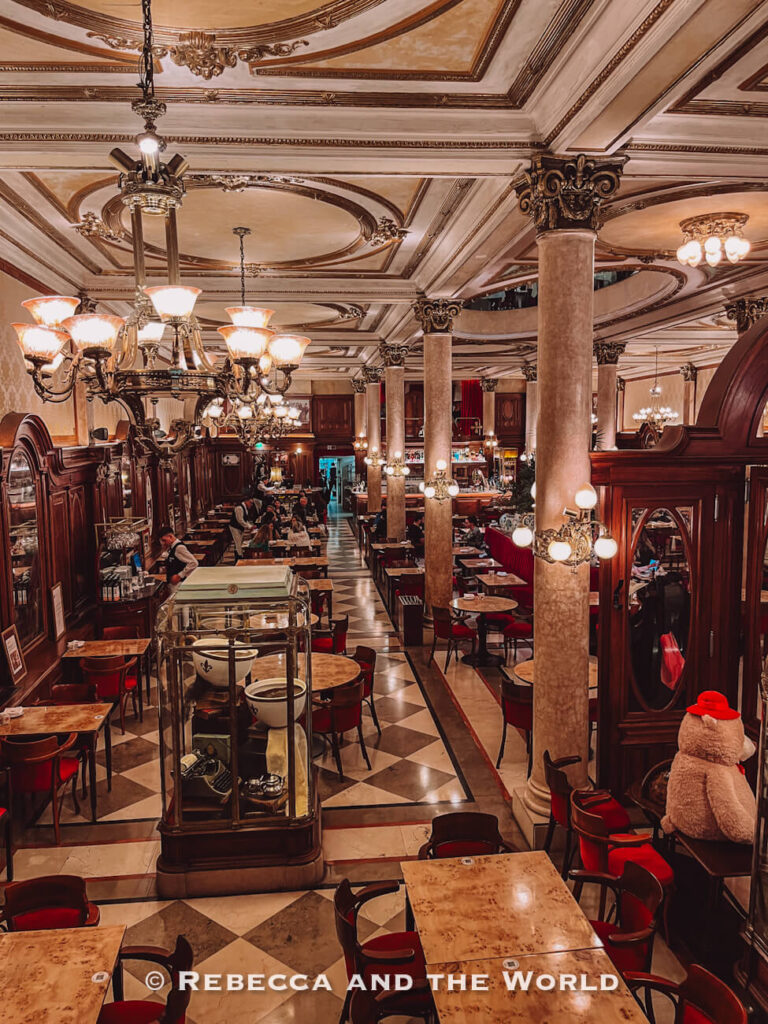
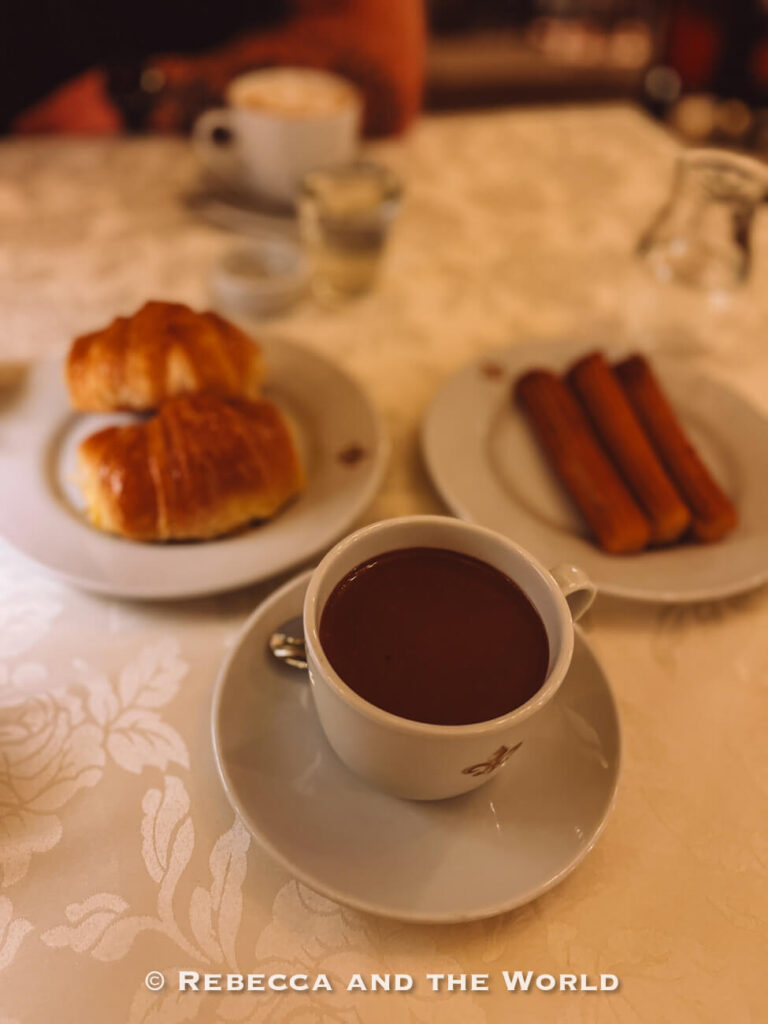
Begin with a light breakfast at Confitería La Ideal (Suipacha 384) – it’s pricey (I baulked at paying US$17 for churros and chocolate, yikes), but you’re paying for the setting as much as the coffee. Think early-1900s elegance: chandeliers, high ceilings and waistcoated staff.
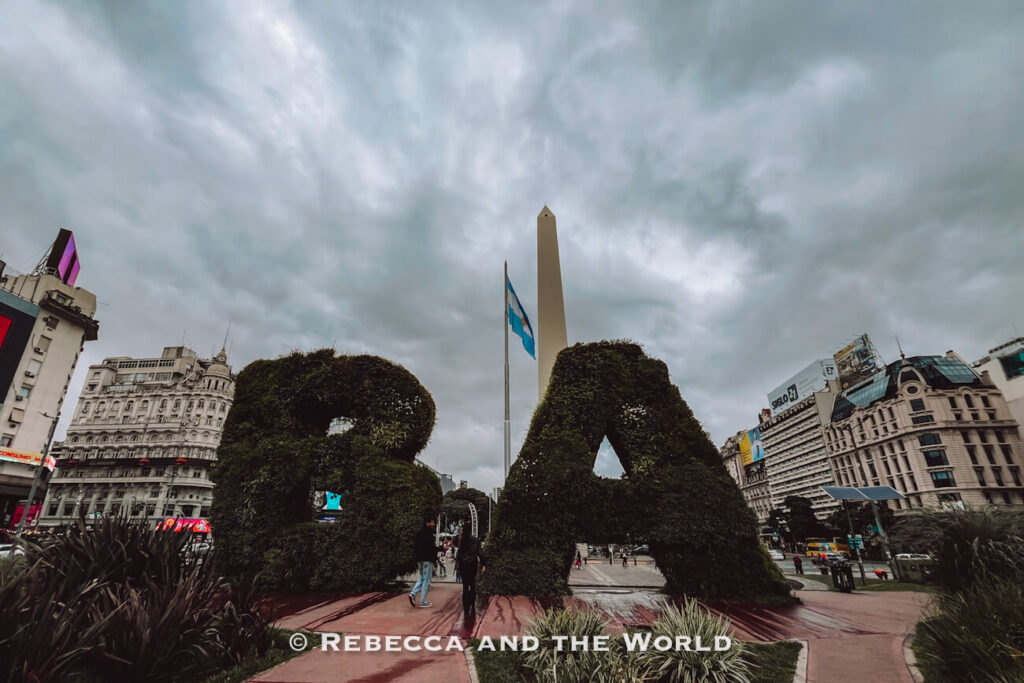
Next, head to the Obelisco, one of Buenos Aires’ most famous landmarks. It sits on Avenida 9 de Julio (one of the widest avenues in the world). Take your photo and then keep moving.

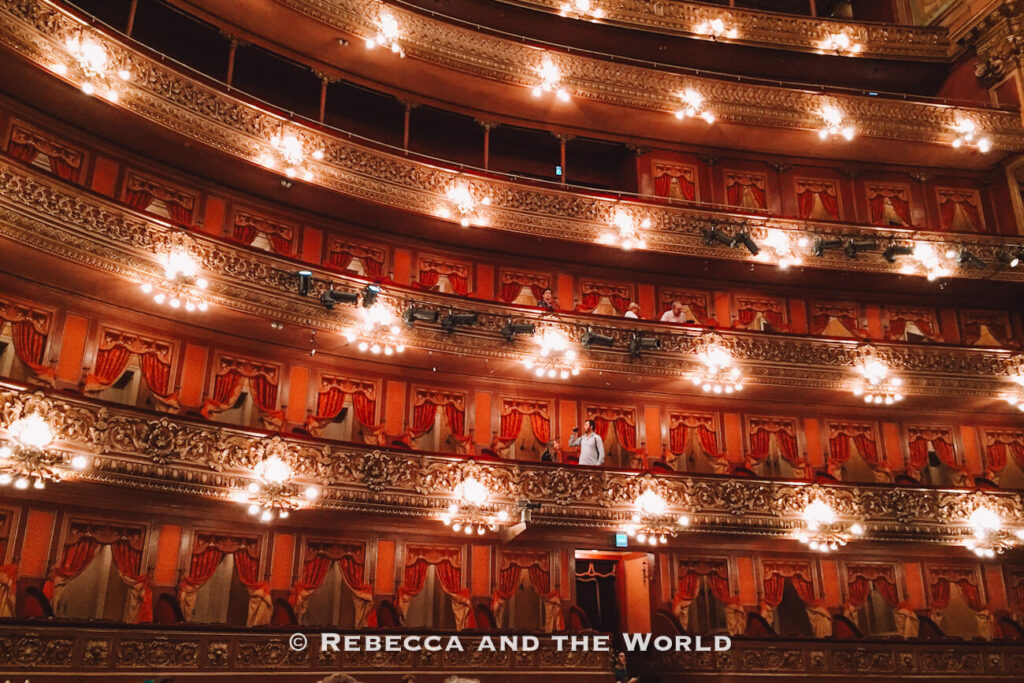
From here, make your way to Teatro Colón (Cerrito 628) and join the 11am English guided tour (book this ahead — it’s one of the most popular experiences in the city). This is one of the city’s grandest buildings, and the inside is pure old-world splendour: grand staircases, gilded halls and chandeliers. Pavarotti reportedly once said that only flaw of Teatro Colón is that its acoustics are so perfect the audience can hear any mistakes. Whether that’s true or not, it’s undoubtedly one of the most beautiful places to visit in Buenos Aires.
Plan your own adventure: Teatro Colón tours in English run at 10am, 11am, 12pm, 1pm, 1.30pm, 2pm, 3pm and 3.30pm, and the tour is around 50 minutes.
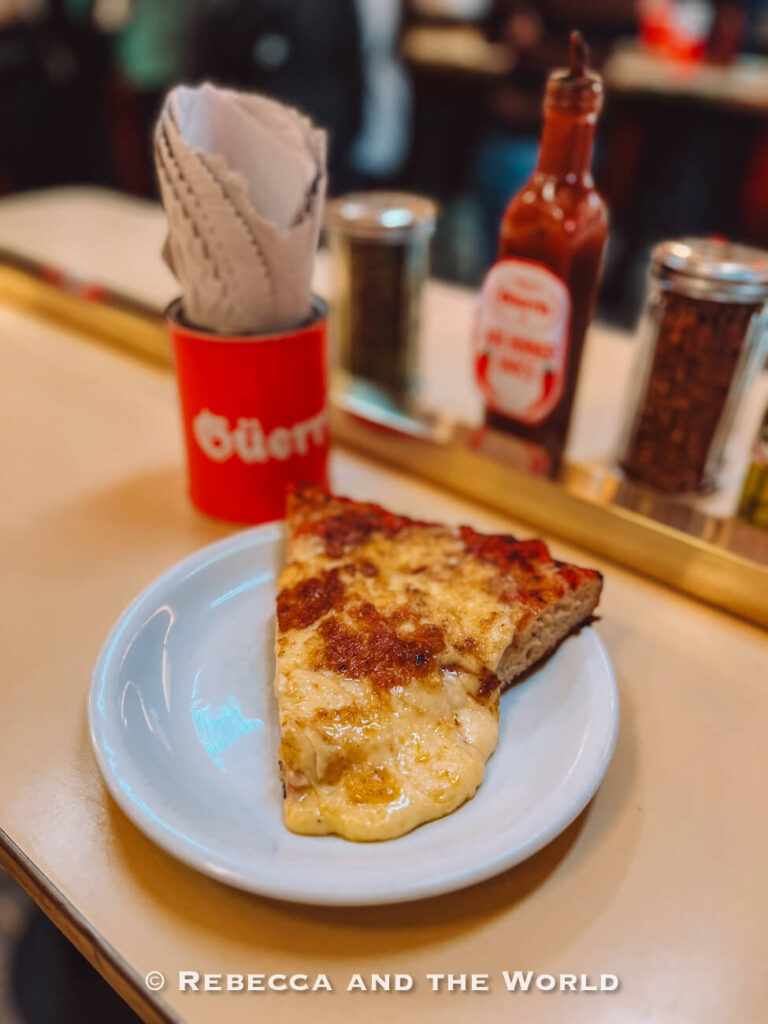
After the tour, you’ve earned lunch – and here are three of my favourite options just a short walk from the theatre:
- Güerrín (Corrientes 1368): a classic for pizza al molde (thick and cheesy). Grab a slice or two and eat them standing up at the bench.
- Los Galgos (Callao 501): a historic bar notable with old-school charm; order the revuelto gramajo (potato and egg has) and tortilla de papas, as well as a glass of vermouth.
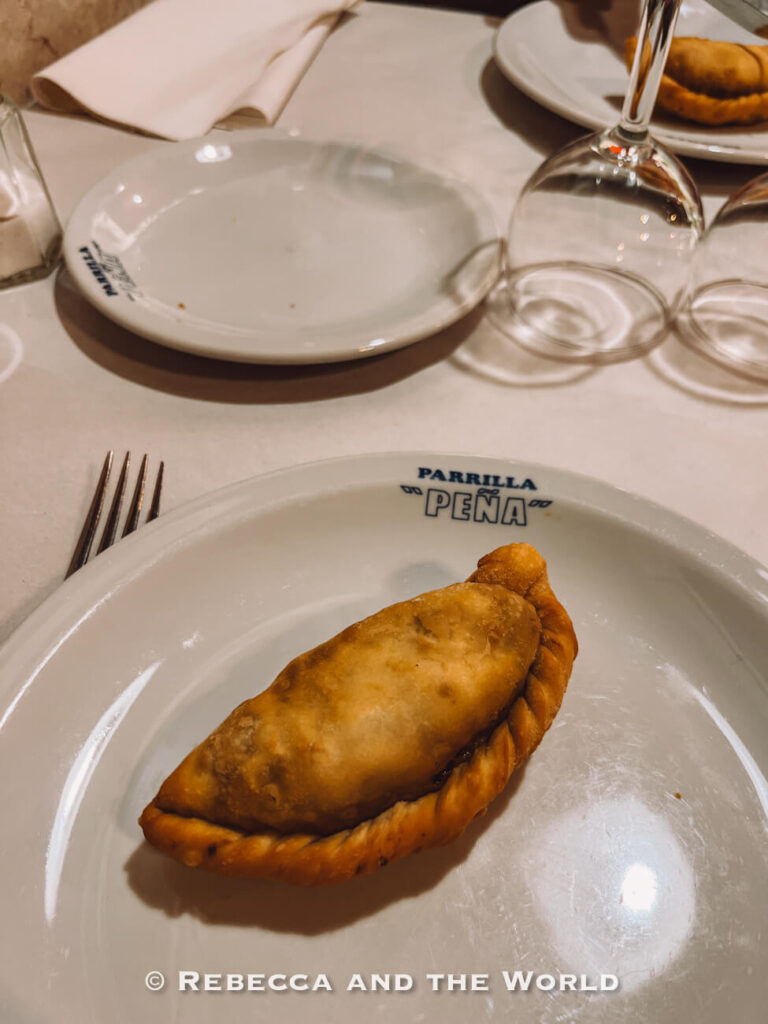
- Parrilla Peña (Rodriguez Peña 682): my favourite parrilla in Buenos Aires — old-school, the sort of place where waiters greet regulars by name and bottles of half-finished wine wait on shelves for their owners’ next visit. Portions are huge, so order and share accordingly!
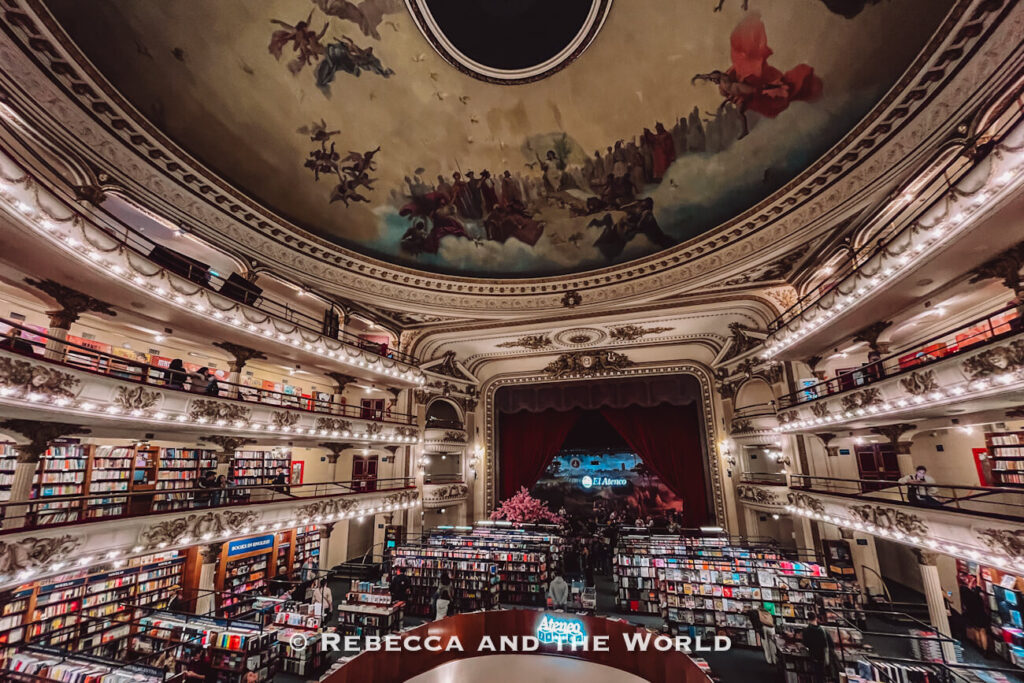
Next up: stroll over to El Ateneo Grand Splendid (Santa Fe 1860), a bookshop set inside a former theatre. You’re here really just to take a photo of the stunning surroundings. This is considered one of the most beautiful bookstores in the world.
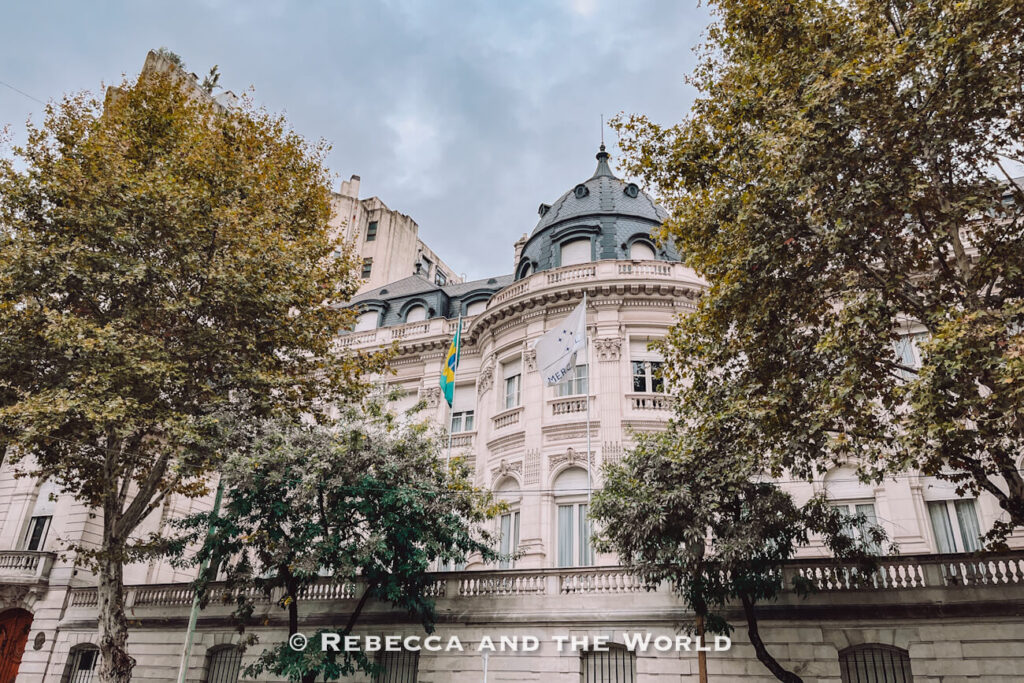
Now wander over to Avenida Alvear, one of Buenos Aires’ most elegant streets — the architecture is the main attraction here. There’s a very European feel here, with serious “old money” energy. (I used to live on this street and felt very out of place!)
Start at the Brazilian and French embassies (they’re about a 20-minute walk from El Ateneo, but again, jump in a rideshare if you prefer). They’re stunning examples of the grandeur that made Recoleta famous.
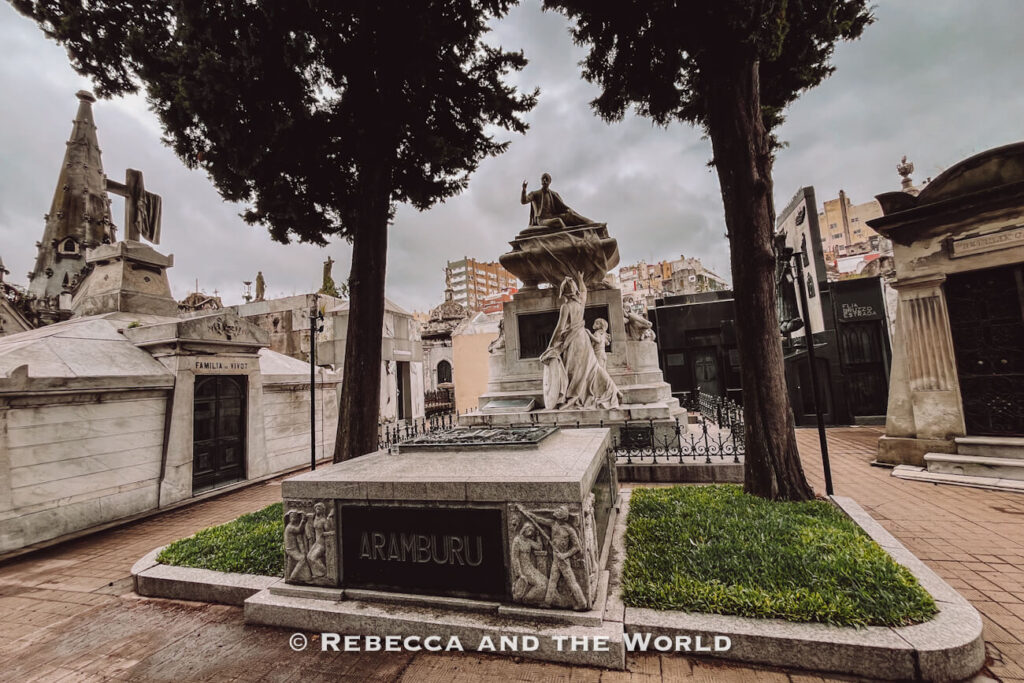
Then make your way east along Avenida Alvear towards the Recoleta Cemetery (Junín 1760). Visiting a cemetery may be an odd choice, but give it a chance. The mausoleums are extraordinary: marble angels, dramatic statues, and narrow “streets” that feel like a miniature city.
You can visit independently, but if you love stories and history, a guided tour adds a lot. This tour begins at 3.30pm daily (except Sundays). Otherwise, you can follow the free map provided with your ticket to the tombs of famous residents like Eva Peron, Domingo Samiento and Carlos Pellegrini (the last two are former presidents of Argentina).
By now, you’ll be ready for a break. The cafés around Recoleta are definitely touristy and definitely expensive… but they’re also perfectly placed for a mid-afternoon reset. Order a coffee, sit down, and let your feet forgive you.
Cross through Plaza Francia and continue on to the Museo Nacional de Bellas Artes (Libertador 1473). It’s one of the city’s best art museums, and even a quick visit gives you a sense of Argentina’s cultural weight.
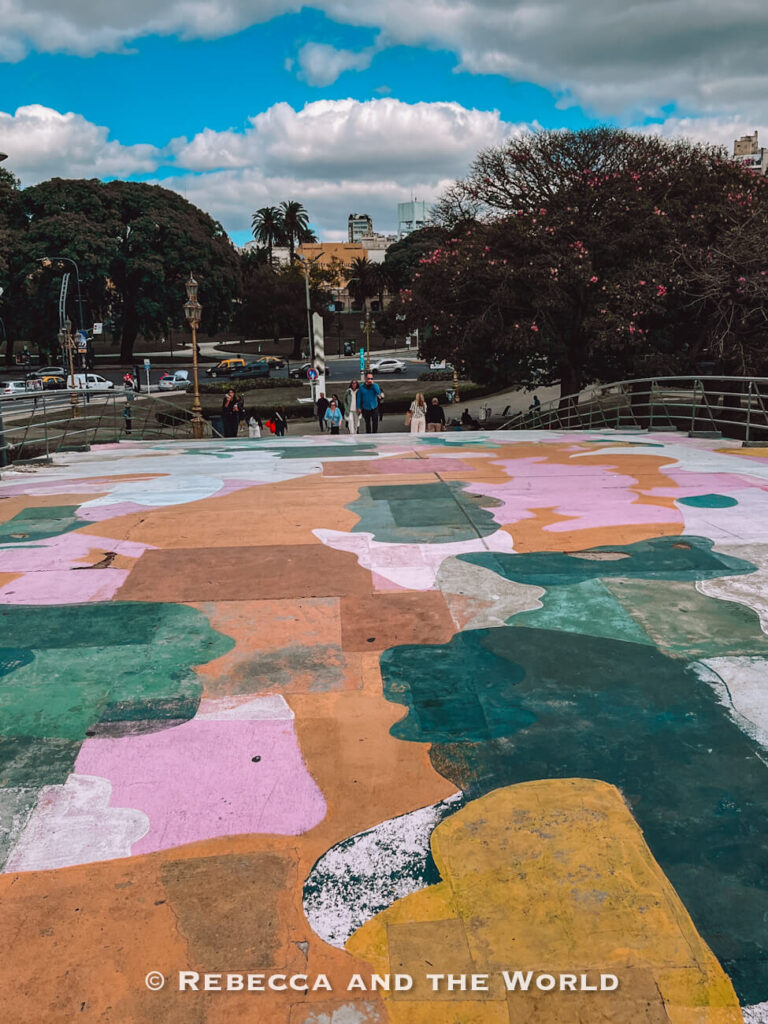
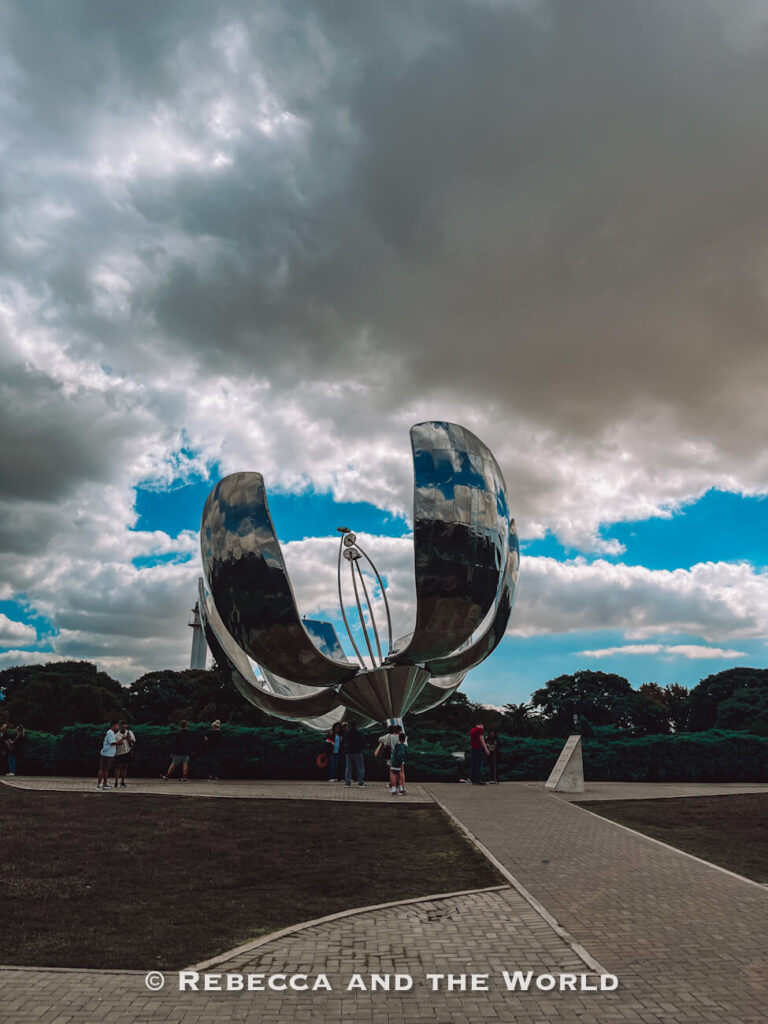
From there, walk across the colourful Puente Peatonal Dr. Alfredo Roque Vítolo and pass the imposing Facultad de Derecho. Finish at Floralis Genérica (Avenida Presidente Figueroa Alcorta 2301), the giant metal flower sculpture. Again, this is just a photo stop – but the sculpture is an interesting one.
If you’ve still got energy and it’s not too late, these next two stops are worth adding:
- Biblioteca Nacional Mariano Moreno: a fascinating stop, especially if you like architecture or cultural institutions (it’s an eye-popping example of brutalist architecture) — but you must have a physical passport with you to enter.
- Museo Nacional de Arte Decorativo: a beautiful mansion-turned-museum that gives you a glimpse into how Buenos Aires’ elite once lived.
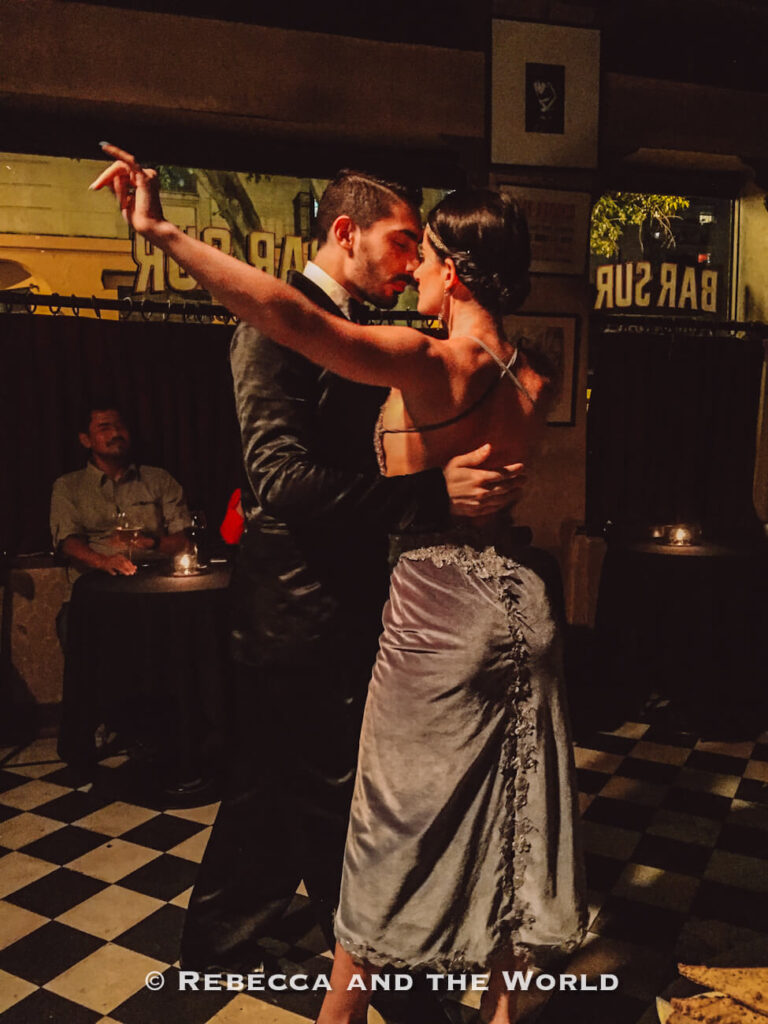
You can’t come to Buenos Aires and not do tango — and tonight is the night. The following are shows I recommend, and each has a dinner package you can add on.
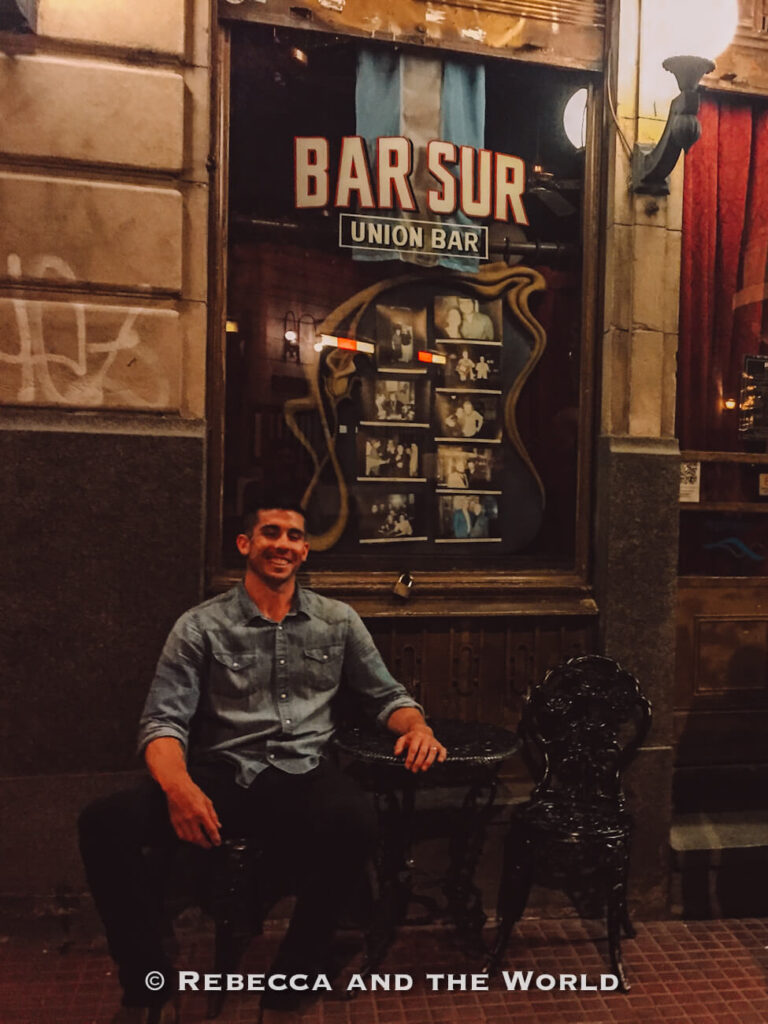
- Bar Sur: My favourite tango show – it’s small so it feels far more intimate. Shows run Monday to Saturday at 8.30pm. (BOOK HERE)
- Tango Rojo: The “sexy” option — cabaret energy, dramatic lighting, and a more glamorous, showy feel. (BOOK HERE)
- Secreto Tango Society: The newer, talked-about option — an up-close, intimate performance. (BOOK HERE)
Or if you’d prefer to dance rather than watch, try a tango lesson followed by a trip to a milonga (tango hall) to show off your new skills.
Day 3: La Boca and Palermo
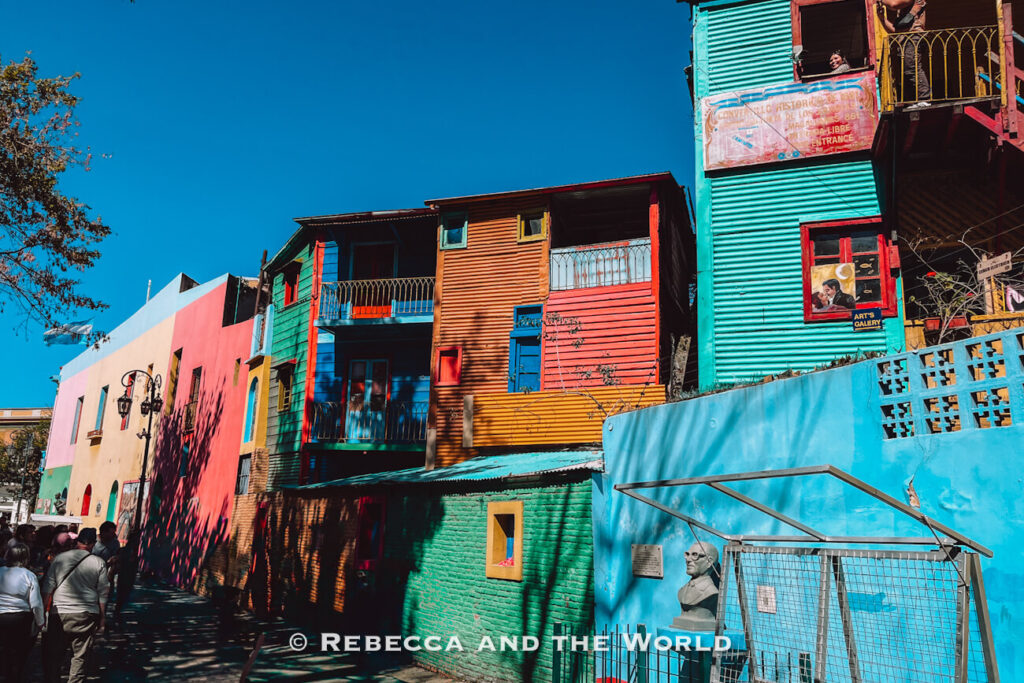
On day 3, you’re heading to colourful La Boca. La Boca is famous for Caminito, a small, bright strip of painted buildings, street performers, tango dancers and souvenir stalls. It’s absolutely touristy but it’s also one of those places that first-timers usually enjoy because it’s so visually distinctive.
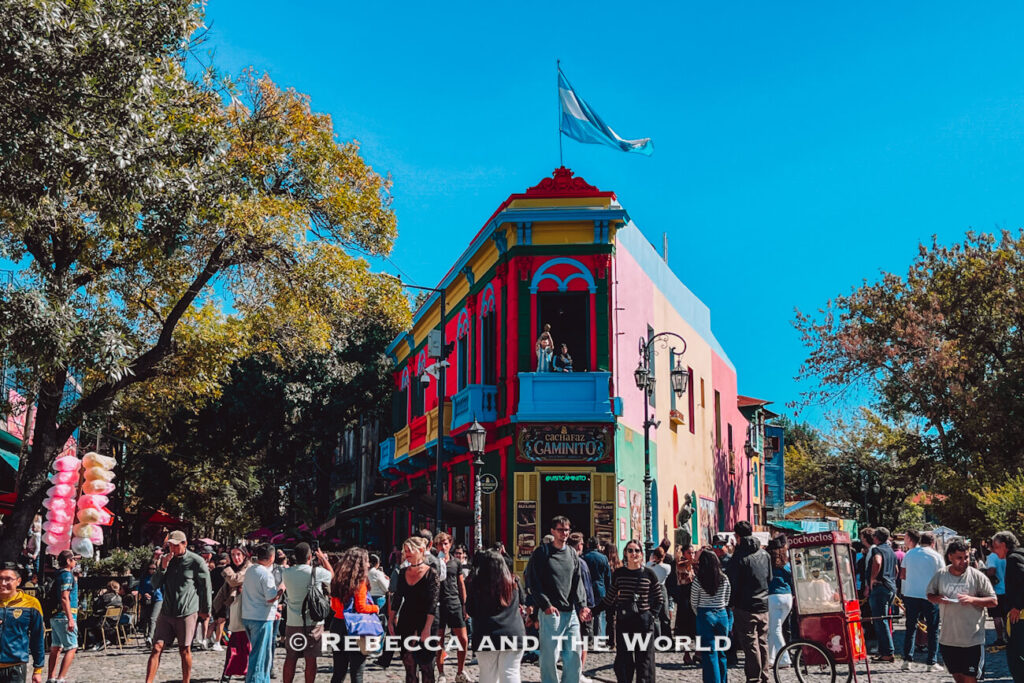
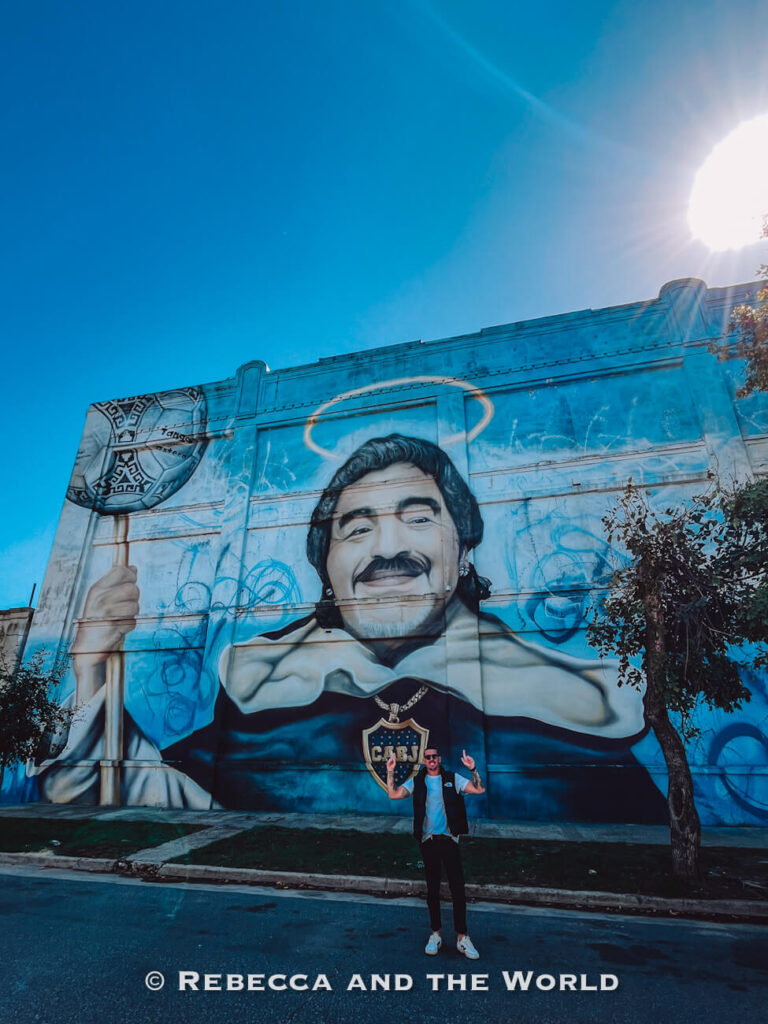
While you can easily wander the main sights of La Boca in about two hours, I recommend joining a free walking tour like this one. It starts at 11am (daily) and I took it on my most recent trip to Buenos Aires. The tour starts in the residential area of La Boca and works its way toward touristy El Caminito. It focuses more on the history and community of La Boca – and of course the famous names like Diego Maradona and Boca Juniors. Even after living in Buenos Aires for two years, I learned so much from our guide Natalia, a La Boca resident.
If you do want to stroll around alone, the colourful buildings of El Caminito are a must, as is the Benito Quinquela Martin Museum (the man responsible for making this area so colourful). Football fans will love walking past the enormous La Bombonera, Boca Juniors’ home stadium.
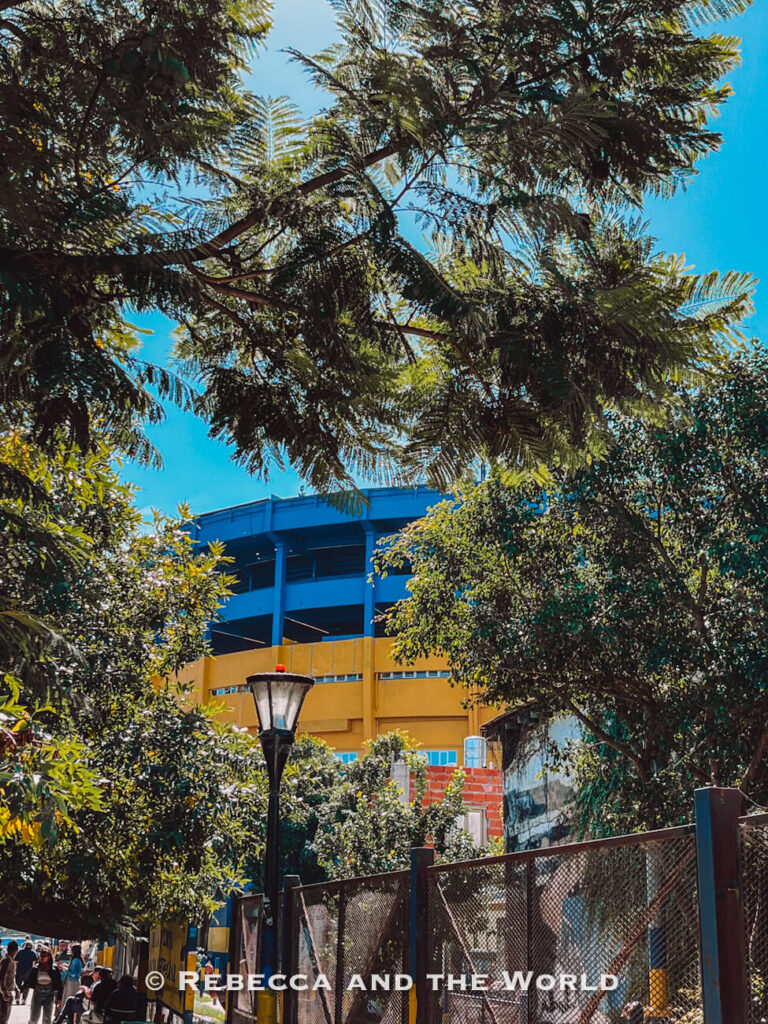
If you’re hungry after wandering Caminito, you’ve got plenty of options. Sabor Porteño (Dr del Valle Iberlucea 1090) is a great choice that’s not a tourist trap. El Gran Paraíso (General José Garibaldi 1428) is another excellent option close to Caminito. One of the most popular places to eat in la Boca is El Obrero (Agustín R. Caffarena 64), but it is further away from the touristy area, so you may wish to consider taking a rideshare. (La Boca does have a reputation for being a bit seedy, but it has changed a lot over the years and safety has improved.)
Otherwise, hop back into an Uber/Cabify and head straight to Palermo for a late lunch instead. Some of my favourite places to eat in Buenos Aires for lunch are:
- PICSA (Nicaragua 4896): Woodfire oven pizzas with pillowy bases
- El Preferido de Palermo (Jorge Luis Borges 2108): One of the hottest restaurant tickets in town, you will need to book ahead for a table here – but you might have more luck with lunch than dinner
- Chori or Burger Joint or Nola: For something fast food-y – they’re choripán, burgers and New Orleans-style fried chicken respectively
- Varela Varelita (Avenida Raúl Scalabrini Ortíz 2102): Cosy bar notable with great milanesa sandwiches
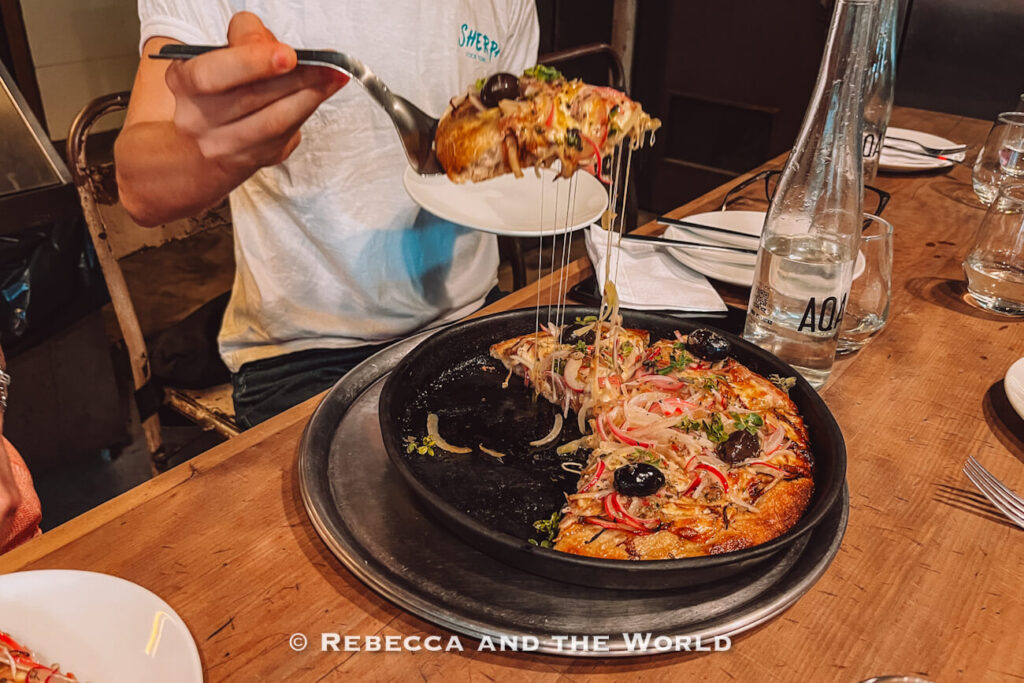
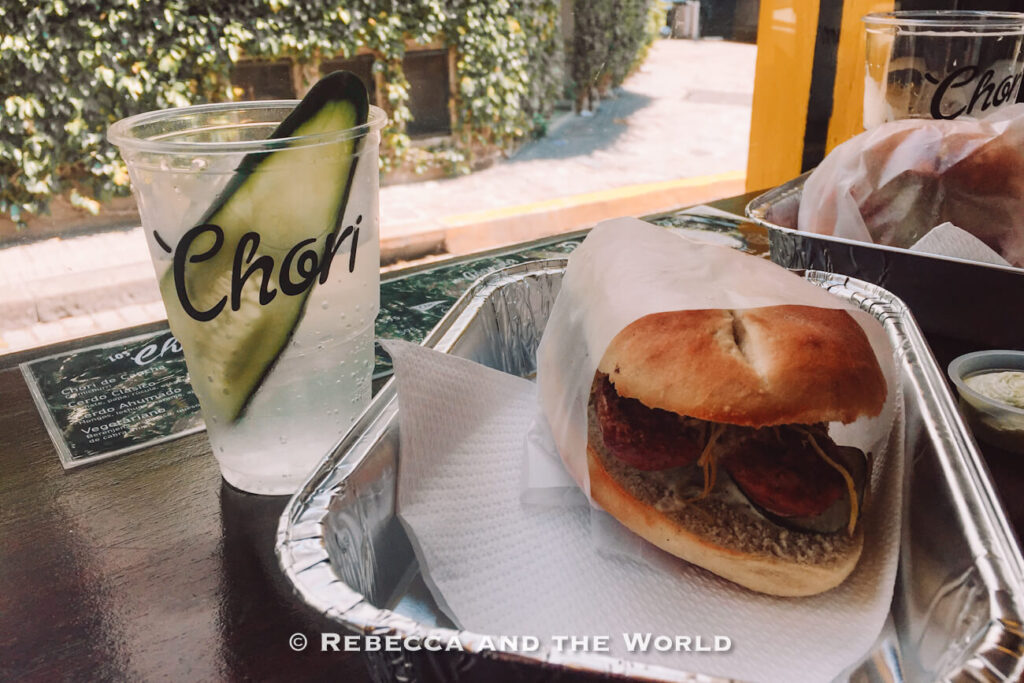
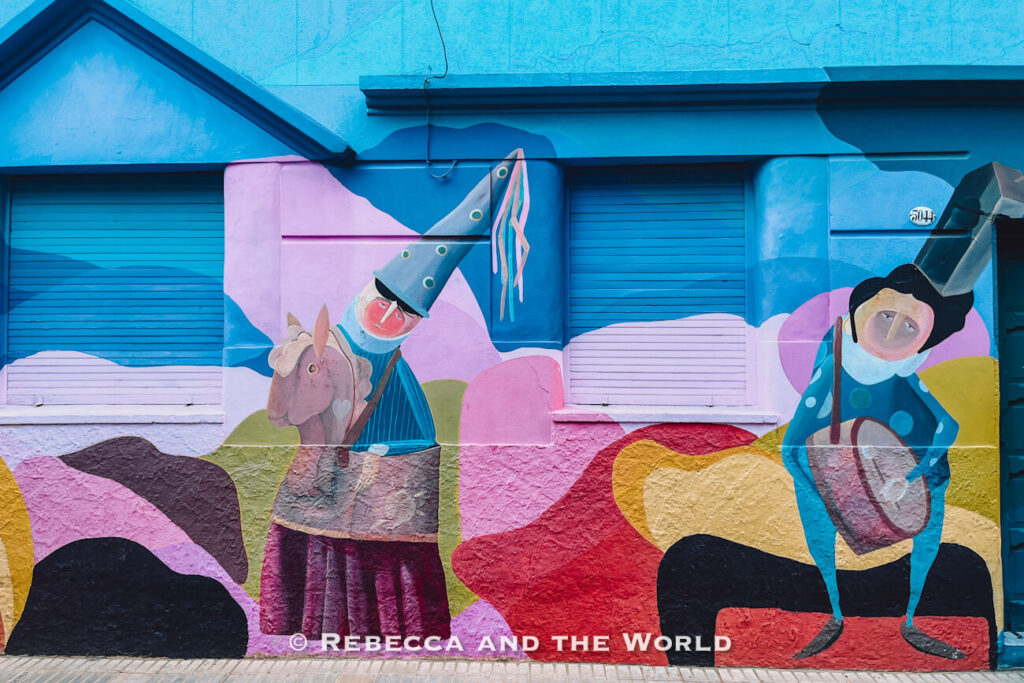
For the rest of the afternoon, I have a few recommendations to keep you busy. Palermo is a great neighbourhood for wandering and exploring.
If you want to see a different side of the city, book an afternoon exploring the best street art in Buenos Aires with a graffiti/street art tour (Graffitimundo is a great option). Palermo is one of the best areas for murals, and the tour adds context — who the artists are, what the pieces mean, and how street art fits into the city’s culture.
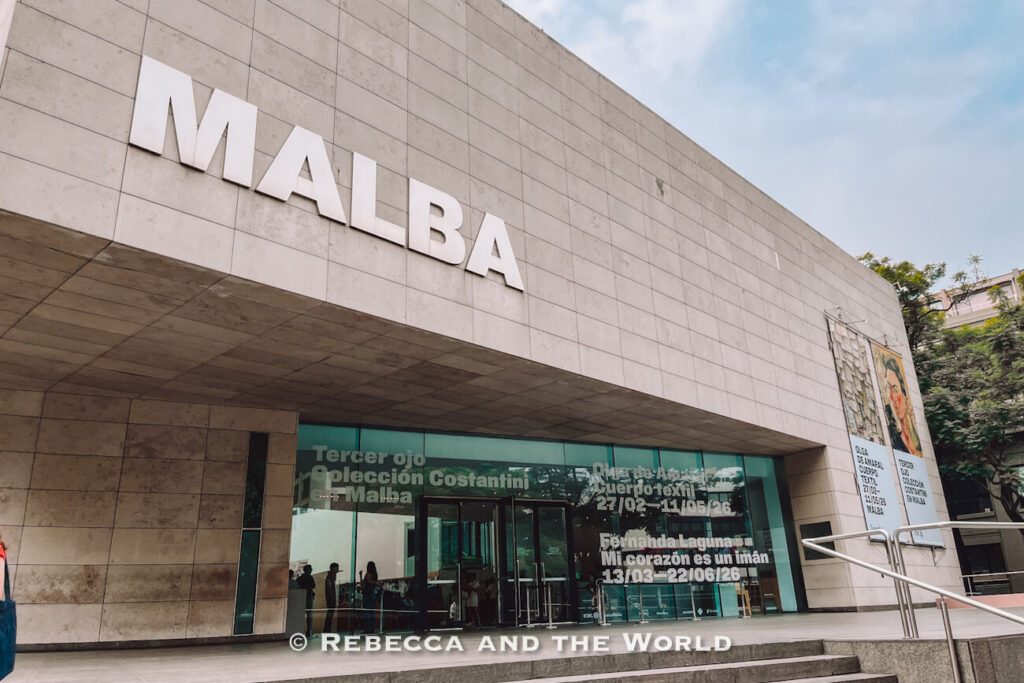
See some of Argentina’s most important art pieces at MALBA (Museo de Arte Latinoamericano de Buenos Aires) (Avenida Figueroa Alcorta 3415). Then wander back to Palermo.
If you’re craving greenery after a few busy days, spend the afternoon in the Palermo parks and gardens. This is where you’ll see porteños exercising, meeting friends, walking dogs and drinking maté. I love the Jardín Japonés (there is an entry fee) and El Rosedal Garden as well as the Jardín Botanico Carlos Thays.
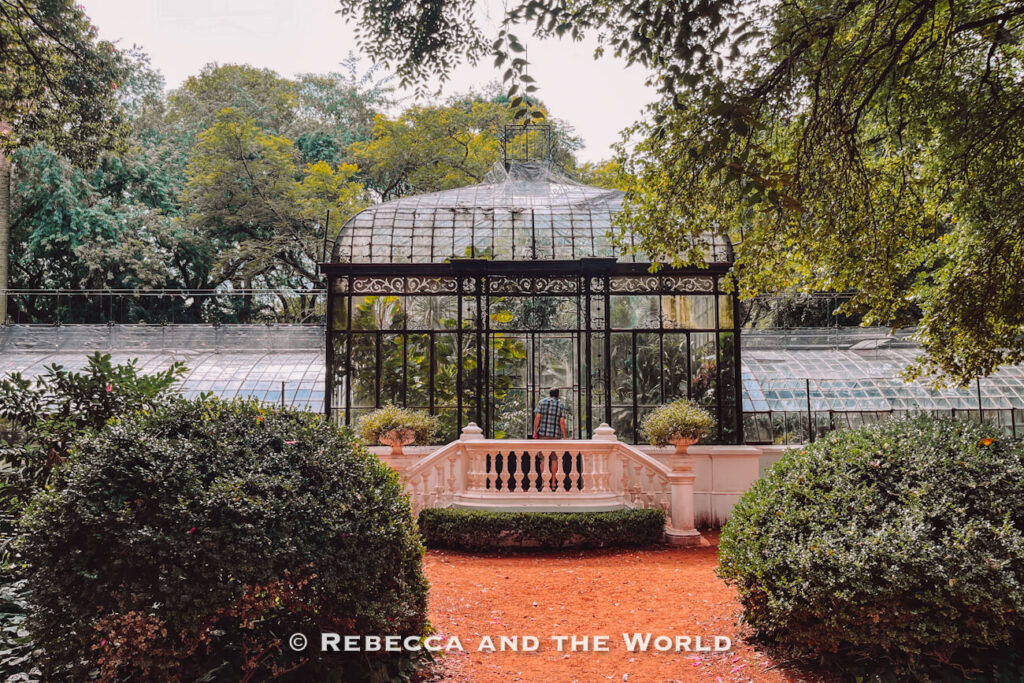
Palermo Soho / Palermo Hollywood are ideal if you want to do some shopping. Think independent boutiques, local designers, homewares, bookshops and plenty of cafés to refuel along the way. Now’s the time to pick up some actually useful souvenirs like leather goods and handicrafts rather than just magnets and keyrings.
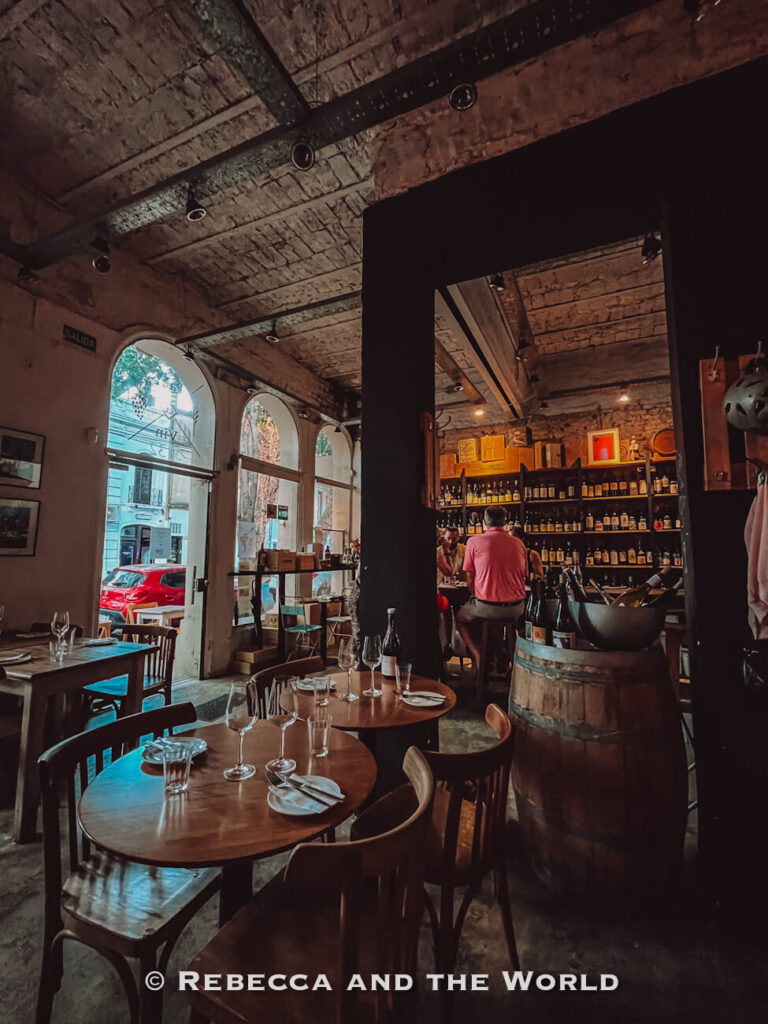
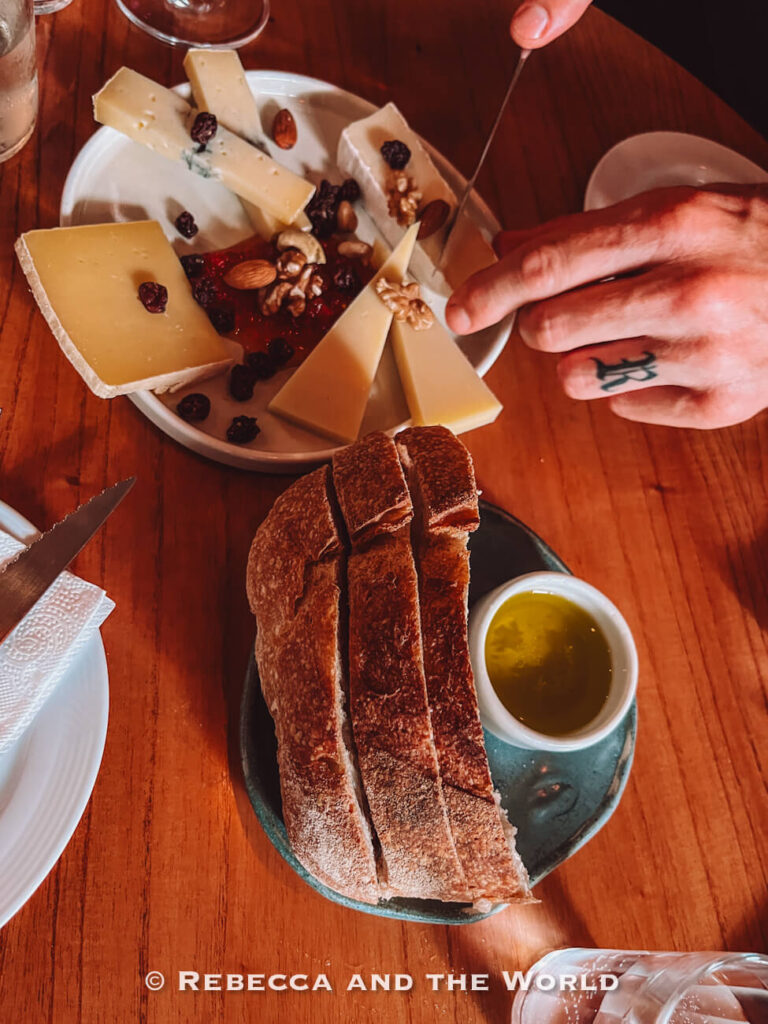
Before dinner, stop for a glass of wine at Pain et Vin (Gorriti 5132) – my favourite wine bar in Buenos Aires. Peruse the menu or choose one of the “wines of the day” from the middle of the room. They also do generously portioned cheese plates if you need a snack.
It’s your last night in Buenos Aires so plan a final dinner. Some of my favourites in Palermo (including some of the best steakhouses in Buenos Aires) are:
- La Carnicería (Thames 2317) is a more contemporary steakhouse, and an excellent option for foodies (they also make a mean gin and tonic).
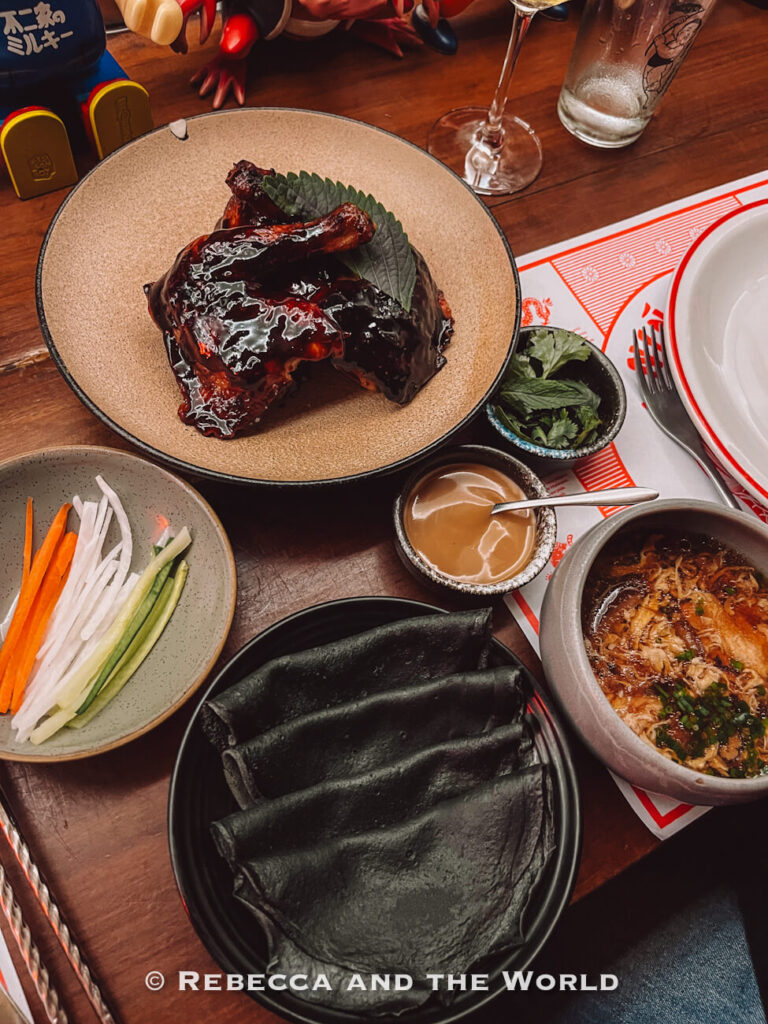
- Niño Gordo (Thames 1810) is the hot new-ish restaurant in town – and it’s Southeast Asian menu makes a change from steak
- Don Julio (Guatemala 4699), which regularly tops the list of best steak places in Buenos Aires (although some now think it’s overrated and overpriced). You must make a reservation – otherwise you’ll need to line up with everyone else (although you will enjoy a glass of sparkling wine while you wait!).
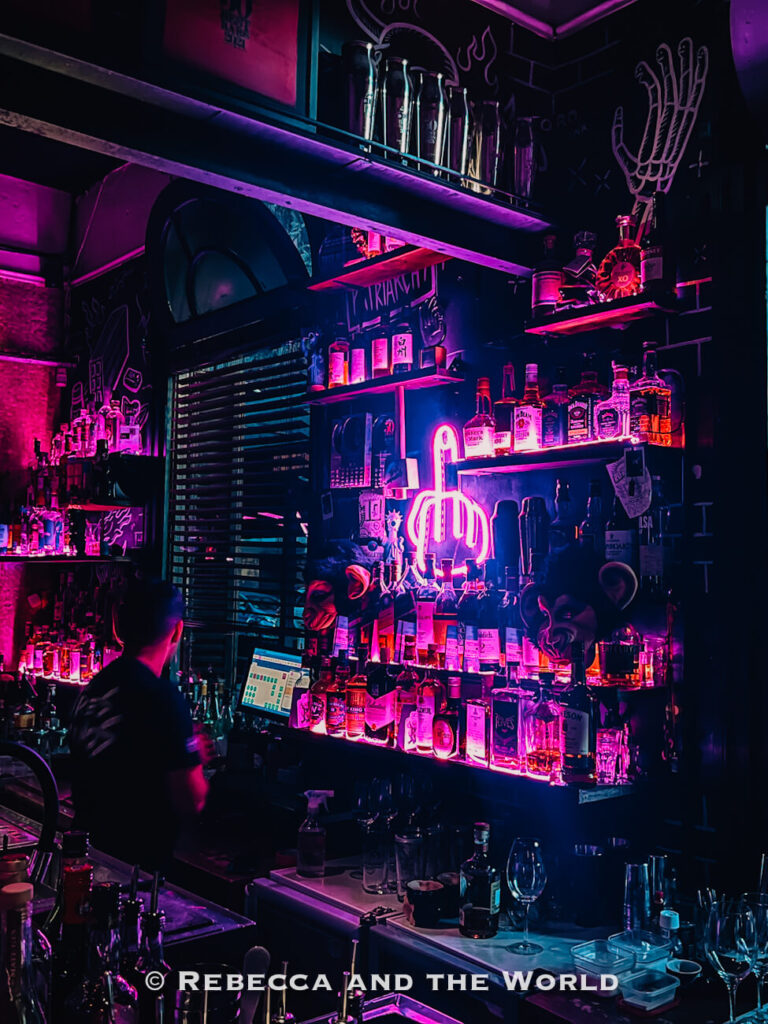
After dinner, grab a final cocktail from CoChinChina (Armenia 1540) or Tres Monos (Guatemala 4899) and toast to a perfect way to end three days in Buenos Aires!
If you have more than 3 days in Buenos Aires…
Perhaps you’ve wondered how many days in Buenos Aires is enough. I’d say three days is the minimum (which is why I’ve written this itinerary this way!), but ideally you’d have more time.
If you’re lucky enough to have a few more days in this vibrant city, here are additional ideas to tack on to your Buenos Aires itinerary:
- Join the heaving, chanting crowds at a fútbol match (go with a local so you avoid the confusion of buying tickets!) – book a tour online here
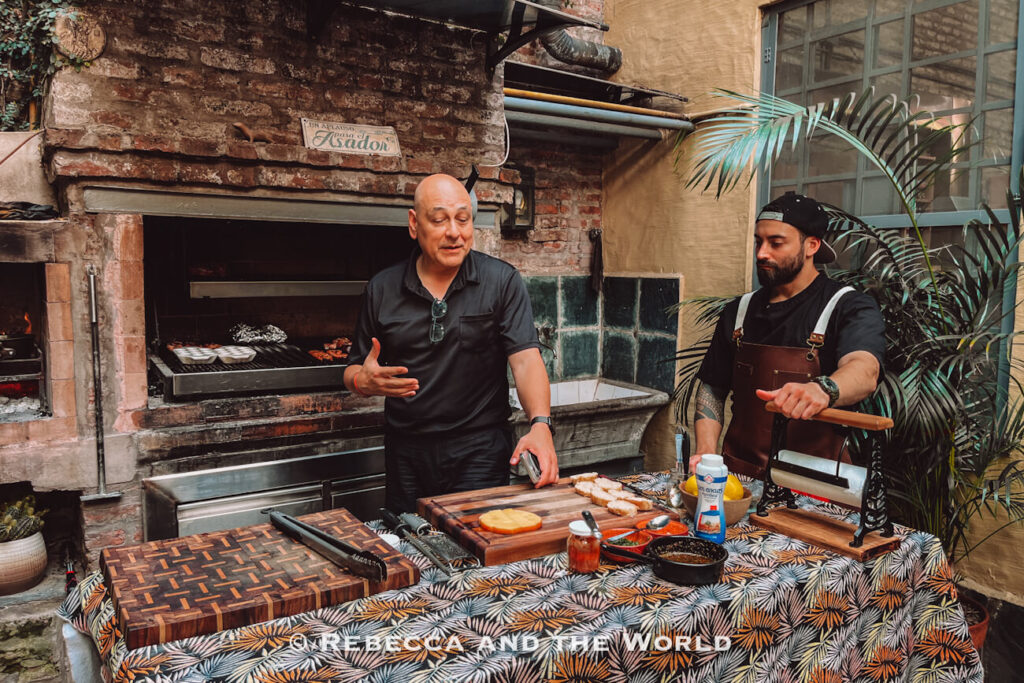
- Enjoy a full-day asado experience with Frank from Asado Adventure – which covers street art, history and culture as well as enjoying a full asado in his beautiful backyard (BOOK HERE WITH CODE RATW10 TO SAVE 10% ON ANY OF HIS TOURS or read my review)
- Learn about the beautiful art of fileteado on a tour of San Telmo
- If you love quirky museums, visit the Palacio de las Aguas Corrientes, or the “Toilet Museum” – it’s a fascinating place! Free to visit, open Monday to Friday.
- Take a day trip to Tigre, a water oasis filled with cute cafés, shops, galleries and antique stores
- Stay at an estancia near Buenos Aires, where you can ride horses, eat barbecue and relax
- Visit the lovely town of San Antonio de Areco to spend a day learning about gaucho life
- Cross the river and visit Colonia del Sacramento in Uruguay
Where to stay in Buenos Aires
So, now that you know what to do in Buenos Aires in 3 days, it’s time to figure out where to stay in Buenos Aires. I’ve got a whole article that outlines the best Buenos Aires neighborhoods, but for first-time visitors I recommend Palermo or Recoleta.
Palermo has all the best restaurants and bars, and not too far from all the main Buenos Aires attractions. Home Hotel and Be Jardin Escondido by Coppola (as in Francis Ford) are my top picks for Palermo hotels.
Recoleta is more upscale but still has plenty of places to eat and drink. It’s also closer to the main sights. In Recoleta, I always recommend Hotel Club Frances or the 5-star Alvear Palace Hotel if you’re splurging.
You can check out the full guide to where to stay in Buenos Aires which will help you to choose a neighbourhood and provides hotel and Airbnb recommendations.
When to visit Buenos Aires
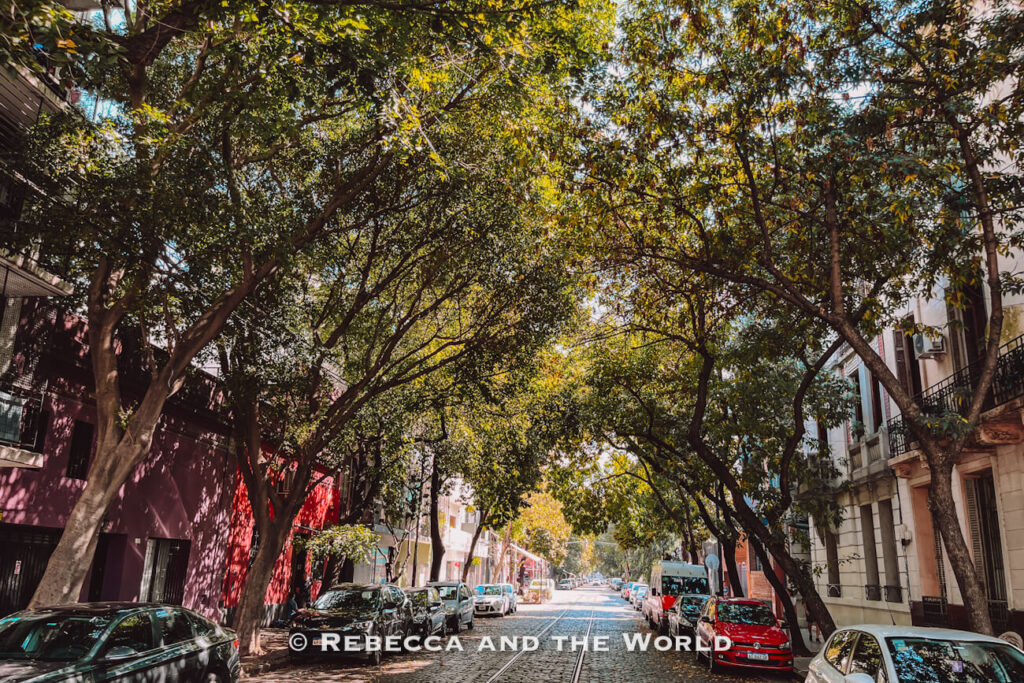
The best time to visit Buenos Aires is spring or autumn when the weather is milder. In spring the jacarandas come out in full bloom and are a stunning sight. If you’re visiting Buenos Aires during this time, make sure to stroll down Avenida 9 de Julio to see the flowering trees.
Summer brings hot, humid weather. Christmas and New Year are times for families, so many places close down and you don’t get the full experience of the city.
In winter, while it doesn’t snow in Buenos Aires, it can be miserably cold and rainy.
How to get around Buenos Aires
Getting around Buenos Aires is very easy (read my full guide to transport in Buenos Aires). As a visitor, you’ll be able to use Uber with your foreign credit card. Another ride-sharing option is Cabify. Both are very cheap – we usually pay around US$5 to US$9 for a 25-minute ride across the city.
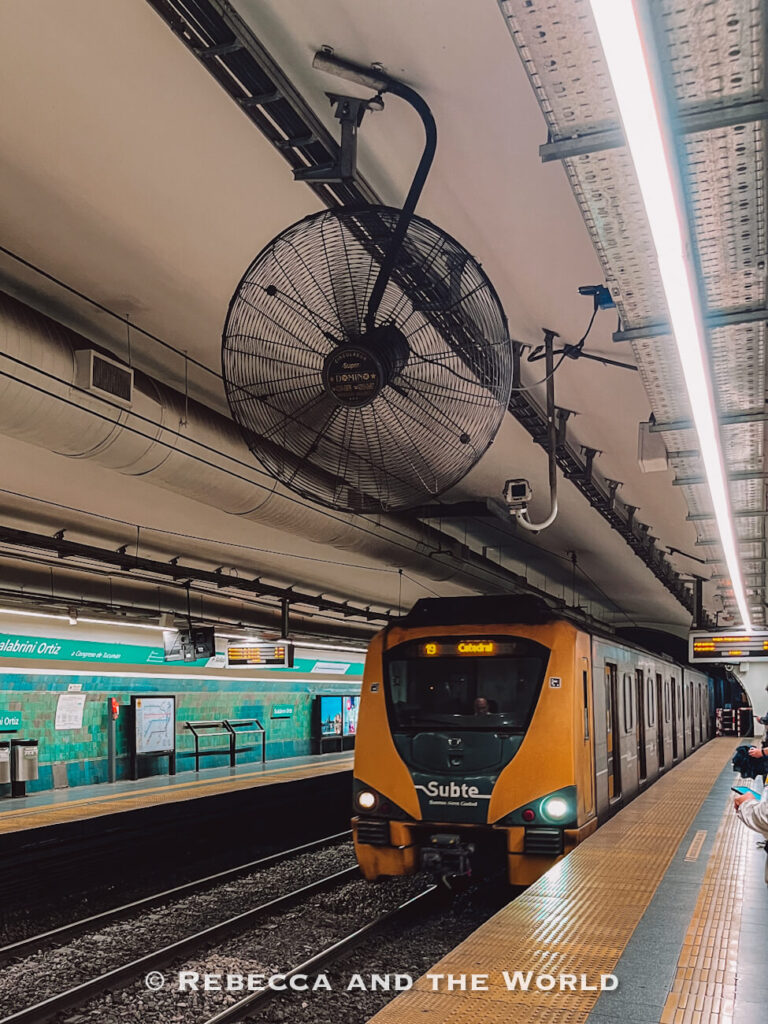
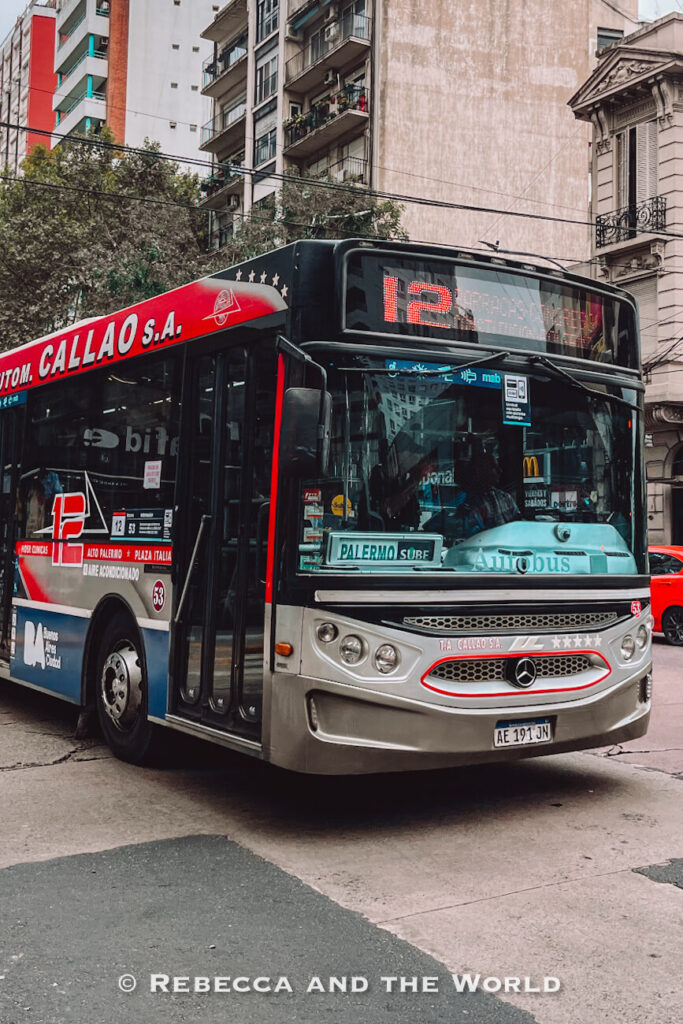
Public transport is cheap in Buenos Aires and there’s an extensive network. There are colectivos (buses), the subte (underground train) and the train (aboveground, these tend to go to the outer suburbs). To take public transport, you’ll need a SUBE card (registering the card will give you cheaper rates) or you can simply tap your credit card. I use Google Maps to navigate public transport and it’s pretty reliable at telling me how to get from A to B.
There’s also two excellent Buenos Aires hop-on hop-off bus services which are a great way to see the city’s highlights.
Safety in Buenos Aires
One of the questions I often get from readers: is Buenos Aires safe to visit? Like most major cities, you need to be aware of your surroundings at all times. There is a petty theft – I myself was victim to a pickpocket. The thief was so good I didn’t even know it was happening! My full guide to planning a trip to Argentina has information about safety, but here are a few tips.
One common crime in Buenos Aires is that of the motochorro. These are thieves on a motorbike who grab your bag or camera as they speed past. So, don’t walk down the street with your phone or camera in your hand.
Never leave valuables on the table while you’re eating. They can be easily snatched. I always keep my bag on my lap, never on the ground or slung on the back of a chair (even when inside restaurants).
Make sure you have travel insurance when you visit Argentina to cover any valuables (as well as other benefits like coverage for travel delays, missed connections and medical).
For women, you’ll likely be the recipient of piropos, men openly commenting about you. It’s the Buenos Aires version of catcalling and can be off-putting. Ignore them and keep walking.
Not really safety related, but one thing to always keep an eye out for on your Buenos Aires trip is dog poo on the footpath. At times it’s like dodging a minefield!
Final thoughts: Buenos Aires in three days
Buenos Aires is one of the main reasons to visit Argentina – you can’t miss this city. Its European feel combined with its unique culture and excellent dining scene make it one of my favourite cities in the entire world. While three days is just going to give you a taste of the city and leave you wanting more, this Buenos Aires itinerary is designed to make sure those three days hit the highlights of the city.
3 Day Buenos Aires: FAQs
Is 3 days enough in Buenos Aires?
Three days in Buenos Aires is sufficient to explore the key highlights and get a feel for the city’s vibrant culture. You can visit major attractions like Plaza de Mayo, La Boca and Recoleta, experience the local cuisine and perhaps catch a tango show. However, if you can swing it, five or seven days will allow you to delve deeper into the local neighbourhoods, culture and take day trips outside the city.
Is Palermo or Recoleta better to stay in?
Both are great options. Palermo is known for its trendy vibe, with cafes, bars, boutique shops and vibrant nightlife. Recoleta, on the other hand, is more upscale, known for its elegant architecture, cultural sites and refined dining options. I recommend both for first-time visitors.
Can you walk around Buenos Aires at night?
Buenos Aires is generally safe. Stick to well-lit and busy areas such as Palermo, Recoleta and parts of the city centre if you’re walking around at night – although stay aware of your surroundings, as you would in any large city. Avoid less crowded and poorly lit areas, and consider taking a taxi or ride-sharing service when travelling late at night or through unfamiliar neighbourhoods.
Is Buenos Aires expensive to visit?
Compared to other global major cities, Buenos Aires is moderately priced – but it has become more expensive in recent years due to inflation. Dining out can be affordable, especially if you eat at local parrillas rather than upscale restaurants. Public transport is inexpensive, but activities like tango shows or guided tours can add to your expenses. My guide to Buenos Aires travel costs has example prices to help you plan your budget.
Did you find this article helpful? Consider buying me a coffee as a way to say thanks!
Have you been to Buenos Aires? Is there anything you’d add to this three days in Buenos Aires itinerary? Leave your tips in the comments below.
Need help planning your Argentina trip? 🇦🇷
Feeling overwhelmed about planning your trip to Argentina? I get it. And I can help! I offer one-to-one travel consultation calls to help you plan your trip to Argentina. In an hour, we can map out a realistic itinerary or work through your specific questions so you can book an incredible trip. Save hours of your time with my local knowledge and expertise.
Read next
Before you go… you might also like these Buenos Aires articles:
- The Ultimate Buenos Aires Bucket List
- Where to Stay in Buenos Aires
- Where to Eat in Buenos Aires
- What to Buy in Buenos Aires
- The Best Estancias near Buenos Aires
- How to Handle Your Money When You Visit Argentina
ARGENTINA TRIP ESSENTIALS
- Book your flight to Argentina online with Skyscanner. I like how this site allows you to find the cheapest days.
- One thing I always purchase is travel insurance! Travel Insurance Master allows you to compare across multiple policy providers, while SafetyWing is great for long-term travellers and digital nomads.
- Wise is my choice for sending and receiving money and spending money overseas (you can get a digital and physical card).
- Find a great hotel in Argentina. Check prices on Booking.com and Expedia online.
- Check out the huge range of day tours throughout Argentina on GetYourGuide or Viator. I love a good food tour in particular!
- Saving money? Check out the range of free walking tours across Argentina with GuruWalk (don’t forget to tip!).
- How to get around? I use DiscoverCars for car hire, or Motorhome Republic and Jucy for campervan/RV rental. For buses, trains and ferries, I use 12GO, Busbud and Omio.
- Grab an e-sim to stay connected while on the road.
- A copy of the Lonely Planet guide to Argentina will be handy. Also pick up a Spanish language phrasebook to help you navigate your visit.
- Keep those bottles of wine you’ll be buying safe in these wine bags.
- Check out my Amazon shop for my fave travel items – everything from backpacks and suitcases to travel adapters and beauty products.
PIN IT FOR LATER: 3 DAYS IN BUENOS AIRES
Save this 3 days in Buenos Aires itinerary and plan your upcoming visit!