
If you’ve got 3 weeks in Argentina, you can see a lot of the country without feeling like you’re rushing it. Here are two itinerary ideas that are great for first-time – or return – visitors.
“How should I spend three weeks in Argentina?” is one of the questions I often get asked by readers or people who message me on social media, and it never has one neat answer.
This is a big, varied country, and the right three weeks looks completely different depending on whether you want to stand on top of a glacier, taste your way through vineyards with the Andes as a backdrop or drive through deserts painted seven colours.
I lived in Buenos Aires for two years, and I’ve spent the years since building and refining itineraries for this website, for friends and for my own return trips. Rather than hand you every possible combination of regions, I’ve landed on two complete routes that I keep coming back to – the two I’d actually recommend, depending on the kind of trip you’re after.
One is an exploration of the southern part of the country – think lakes and mountains, wine and glaciers. The other itinerary is a self-drive adventure through the north of the country, with wineries (of course!), dramatic desert landscapes and scenery I don’t think most people associate with Argentina.
I’ve polished them up so they’re both exactly 21 days. Both run on direct flights for every leg, with as little backtracking through Buenos Aires halfway through your trip as possible (unless you visit out of season).
I won’t pretend either option lets you do it all – this guide won’t tell you how to fit Patagonia, the north and Iguazú into one three-week trip, because doing that properly needs a fourth week. Instead, here are two ways to see this massive, diverse and incredible country – both of which I’d happily do time and time again.
This blog post may contain affiliate links, meaning if you book or buy something through one of these links, I may earn a small commission (at no extra cost to you).
Is 3 weeks in Argentina enough time?
Short answer: yes, if you pick one of these two routes rather than trying to do everything.
Argentina is the eighth largest country in the world, and no amount of time will let you see all of it properly. But three weeks is a great amount of time to see more than just the main highlights. The biggest decision now is deciding whether to go to the south or north of the country.
At a glance: The 3-week Argentina itineraries
Here’s a summary of each of the two 3-week itineraries.
Option A – Patagonia and Mendoza wine country
- Days 1-3: Buenos Aires
- Day 4: Fly to El Calafate
- Day 5: Perito Moreno Glacier
- Day 6: Transfer to El Chaltén
- Days 7-9: El Chaltén hiking
- Day 10: Transfer/fly to Bariloche
- Days 11-14: Bariloche
- Day 15: Fly to Mendoza
- Days 16-19: Mendoza
- Day 20: Fly to Buenos Aires
- Day 21: Depart
Option B – Northern Argentina and Iguazú Falls
- Days 1-3: Buenos Aires
- Day 4: Fly to Mendoza
- Days 5-8: Mendoza
- Day 9: Fly to Salta, Day 10 Salta
- Days 11-12: Purmamarca/Tilcara/Humahuaca
- Day 13: Drive to Cachi
- Day 14: Drive to Cafayate
- Days 15-16: Cafayate
- Day 17: Return to Salta/fly to Iguazú
- Days 18-19: Iguazú Falls
- Day 20: Fly to Buenos Aires
- Day 21: Depart
How to choose between these two itineraries
Both routes below are exactly three weeks, both use direct flights throughout and both are complete trips rather than a compromise. The decision between them comes down to what kind of three weeks in Argentina you want, more than which is objectively better.
Choose Option A (Patagonia & wine) if:
- This is your first trip to Argentina
- Glaciers, hiking and lakes appeal to you more than desert landscapes and colonial towns
- You’d rather move between fewer bases at a steadier pace than tackle a multi-town road trip
Choose Option B (the North & Iguazú Falls) if:
- You’re comfortable self-driving in a foreign country, or you’re happy to swap in guided tours for the north’s driving days (both are covered below)
- Dramatic desert scenery, colonial architecture and one of the world’s great waterfalls matter more to you than glacier trekking and hiking
- You’re interested in doing something that’s a bit more “off-the-beaten-track”
Option A: Patagonia & Mendoza wine country
Best for: First-time visitors who want glaciers, hiking, lakes and wine country without needing to get behind the wheel on unfamiliar roads (although you certainly can self-drive a lot of this 3 weeks in Argentina itinerary if you wish).
Best time to go: October to March, although the months of October, November or March are my top picks. The summer months (December to February) are the busiest with both foreign and domestic tourists. March means Mendoza’s grape harvest season, and these months are the nicest weather – although it’s always hit and miss with Patagonia!
Days 1-3: Buenos Aires
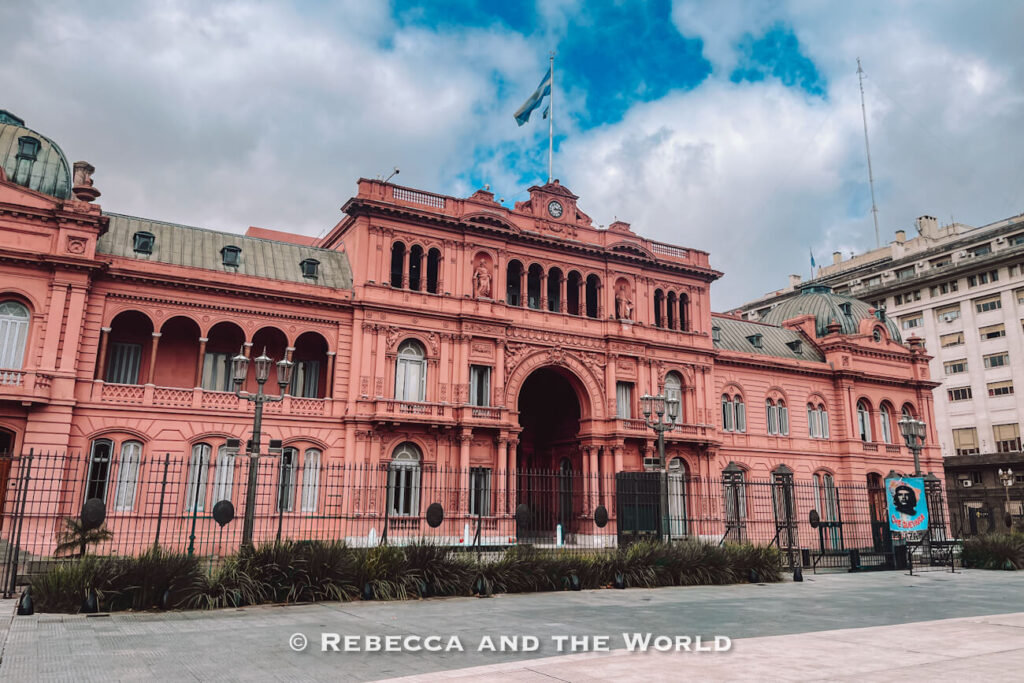
Every version of this trip should start with a proper few days in the capital – it’s Argentina’s main international gateway and arguably one of the world’s best cities and well deserving of your time. It’s very easy to fill three days in Buenos Aires:
- Day 1: Start in the Centro Histórico to explore the city’s history and main centre. I’d recommend a free walking tour here so you can get context about buildings like Plaza de Mayo, Casa Rosada, the Catedral Metropolitana and the Cabildo. Afterwards, wander into bohemian San Telmo for lunch and an afternoon browsing antique stores and street art. In the evening, book a food experience like The Argentine Experience or a home-style asado with Betty and Marcelo.
- Day 2: Tour Teatro Colón in the morning (make sure you book well in advance for the English guided tour), then walk through elegant Recoleta. Spend some time inside the famous Recoleta Cemetery to see where some of Buenos Aires’ most famous and influential people have their final resting place. Finish with a tango show – Bar Sur is my favourite for its intimate setting, but the Secret Tango Society is also an excellent option.
- Day 3: Spend the morning in colourful La Boca. I recommend taking a free walking tour here so you can learn about more than just the painted buildings of the Caminito – there’s a lot of history in this neighbourhood. Head to Palermo for a late lunch, some shopping or a street art tour, and then a final dinner of steak.
For the full breakdown, see my 3 days in Buenos Aires itinerary.
Where to stay
My recommended neighbourhoods for visitors are Palermo and Recoleta. Palermo has great restaurants, bars, shopping and a neighbourhood feel, while Recoleta has stunning architecture and is close to the city’s main attractions.
- Palermo: Home Hotel or BE Jardín Escondido by Coppola
- Recoleta: Hotel Club Frances (mid-range) or Alvear Palace Hotel (splurge)
Full picks in my where to stay in Buenos Aires guide.
Day 4: Fly to El Calafate
After a few days in Buenos Aires, it’s time to head south for Patagonia. El Calafate sits on the shore of Lago Argentino, Argentina’s largest lake, and it’s the gateway to Los Glaciares National Park – a landscape of ice fields, granite peaks and turquoise water that looks like nowhere else in the country. Fly direct from Buenos Aires (around three hours).
Use the rest of the day to get your bearings: wander the shore of Lago Argentino, spot the pink flamingos, or visit the Glaciarium and its ice bar.
Where to stay
- Hostería La Estepa has sweeping views over Lago Argentino and is where I stayed | Check rates and availability on Booking.com
- America del Sur Hostel is a great budget option near downtown | Check rates and availability on Booking.com
Day 5: Perito Moreno Glacier
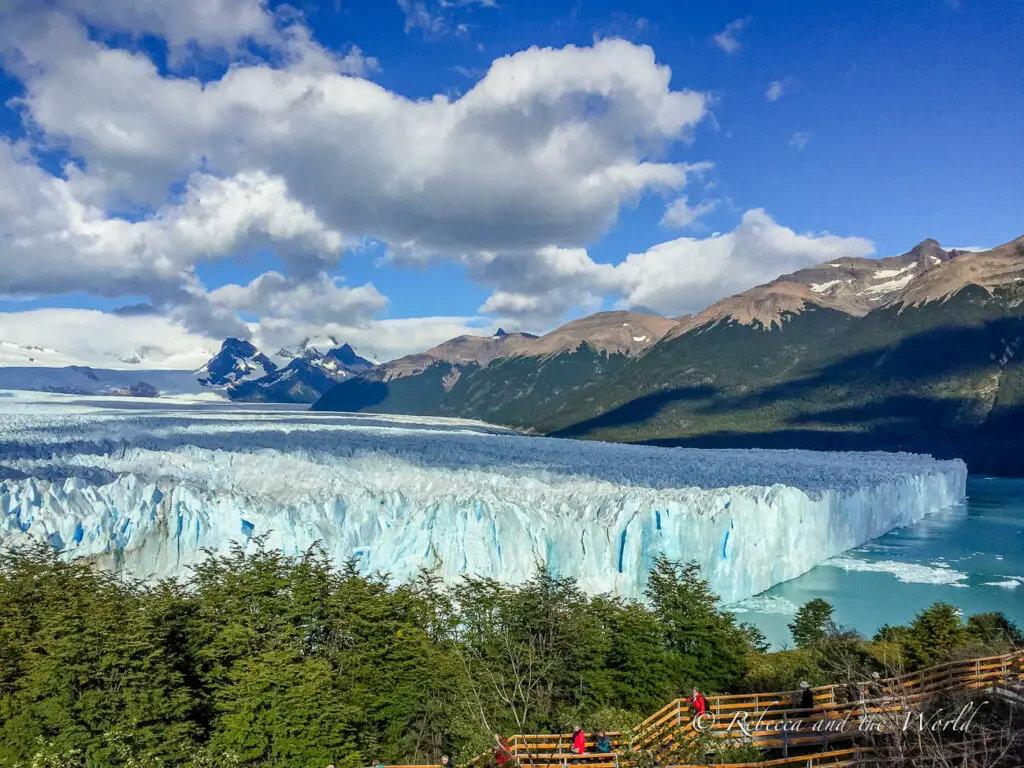
One of the best things to do in Argentina is visiting Perito Moreno Glacier. Perito Moreno is a staggering sight: a river of ice 250 square kilometres in size and 30 kilometres long, with walls of blue-white ice rising up to 70 metres above the water. The sounds of the glacier are extraordinary – deep cracks and booms as huge chunks calve off and crash into Lago Argentino.
If your budget allows, book the Big Ice trek or the gentler Minitrekking tour. Both include a boat ride across to the glacier and several hours actually walking on the ice itself in crampons, weaving between crevasses and pools of impossibly blue meltwater. Book well ahead in peak season as both sell out.
You can also see the glacier independently. Spend a couple of hours on the park’s boardwalks with front-row views of the ice face or you can book a boat tour that gets you close enough to feel the spray without setting foot on the ice.
→ READ NEXT: How to trek on Perito Moreno Glacier
Day 6: Transfer to El Chaltén
Take the bus from El Calafate to El Chaltén (around three hours – book ahead in high season). With some afternoon left, ease in with an easy walk to Chorrillo del Salto, a flat, 4-kilometre round trip to a 20-metre waterfall on the edge of town.
Where to stay
- Destino Sur Hotel de Montaña & Spa is close to the trailheads with a sauna for after a big hiking day | Check rates and availability on Booking.com and Expedia
- Patagonia Eco Domes is a memorable, fully off-grid option | Check rates and availability on Booking.com and Expedia
- Condor de los Andes is a solid budget base | Check rates and availability on Booking.com
Days 7-9: Hiking in El Chaltén
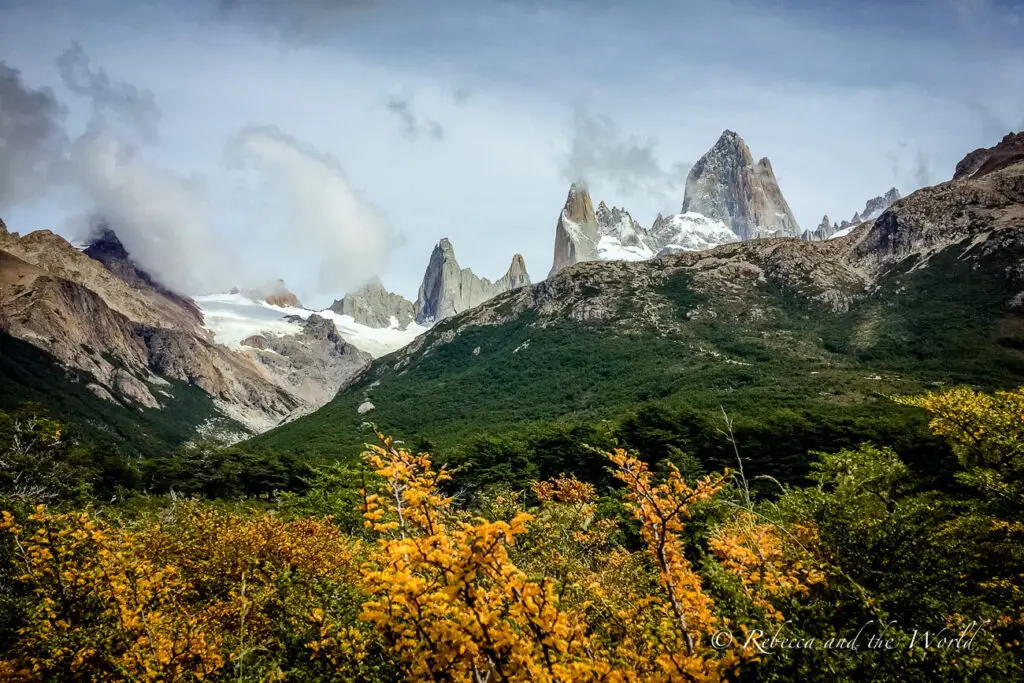
El Chaltén is the trekking capital of Patagonia, and arguably of South America. This tiny town exists almost entirely because of the mountain looming over it: Mount Fitz Roy, one of the most striking granite peaks on earth, with Cerro Torre’s needle-like spire not far behind.
It’s the kind of place people build entire Patagonia trips around. I recommend at least three days here, since the weather is unpredictable and a spare day gives you a much better chance of an actual clear view of Fitz Roy rather than cloud. Spend your three days hiking:
- Laguna de los Tres (25km, 8-9 hours round trip, moderate-difficult): The classic, unmissable hike. Start early, and do this on whichever day has the best forecast.
- Laguna Torre (18km, 7-8 hours round trip, moderate): Views of Cerro Torre and the Torre Valley, with a chance of icebergs floating in the lake.
- Your third day: A weather buffer – shift a hike here if a storm rolls in, or use it for the easier Laguna Capri trail (8km, 4-5 hours) if the weather’s held.
→ READ NEXT: The best El Chaltén hiking trails
Day 10: Transfer and fly to Bariloche
You’ll need to take a bus back to El Calafate (three hours) then fly direct to Bariloche.
Days 11-14: Bariloche
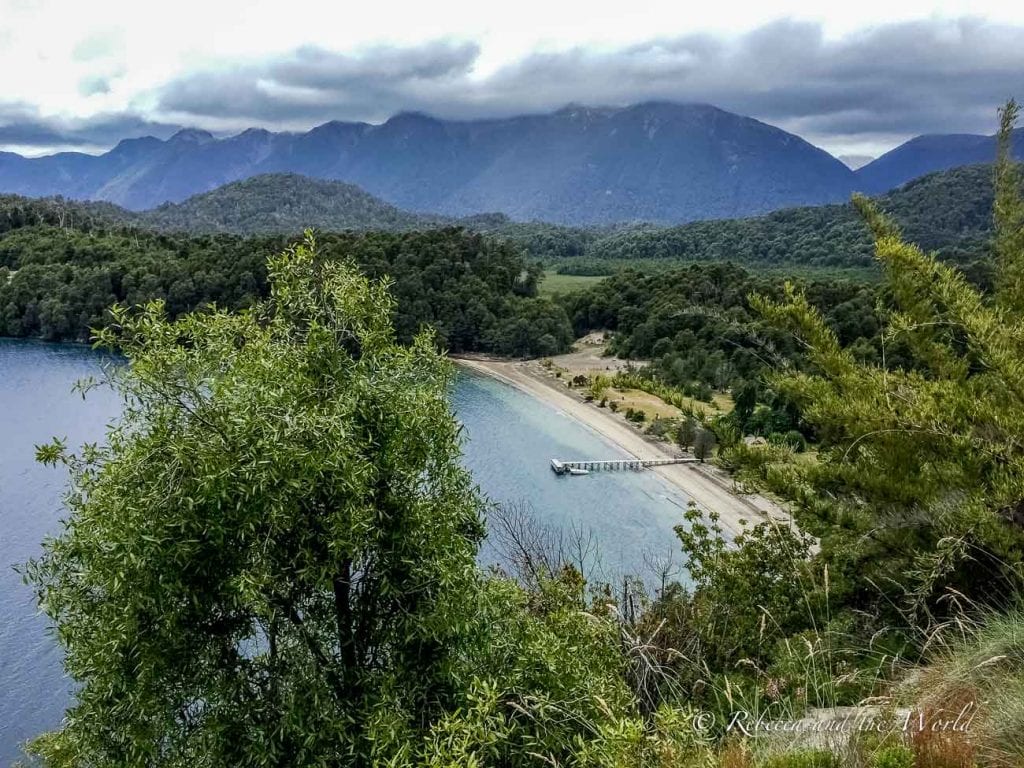
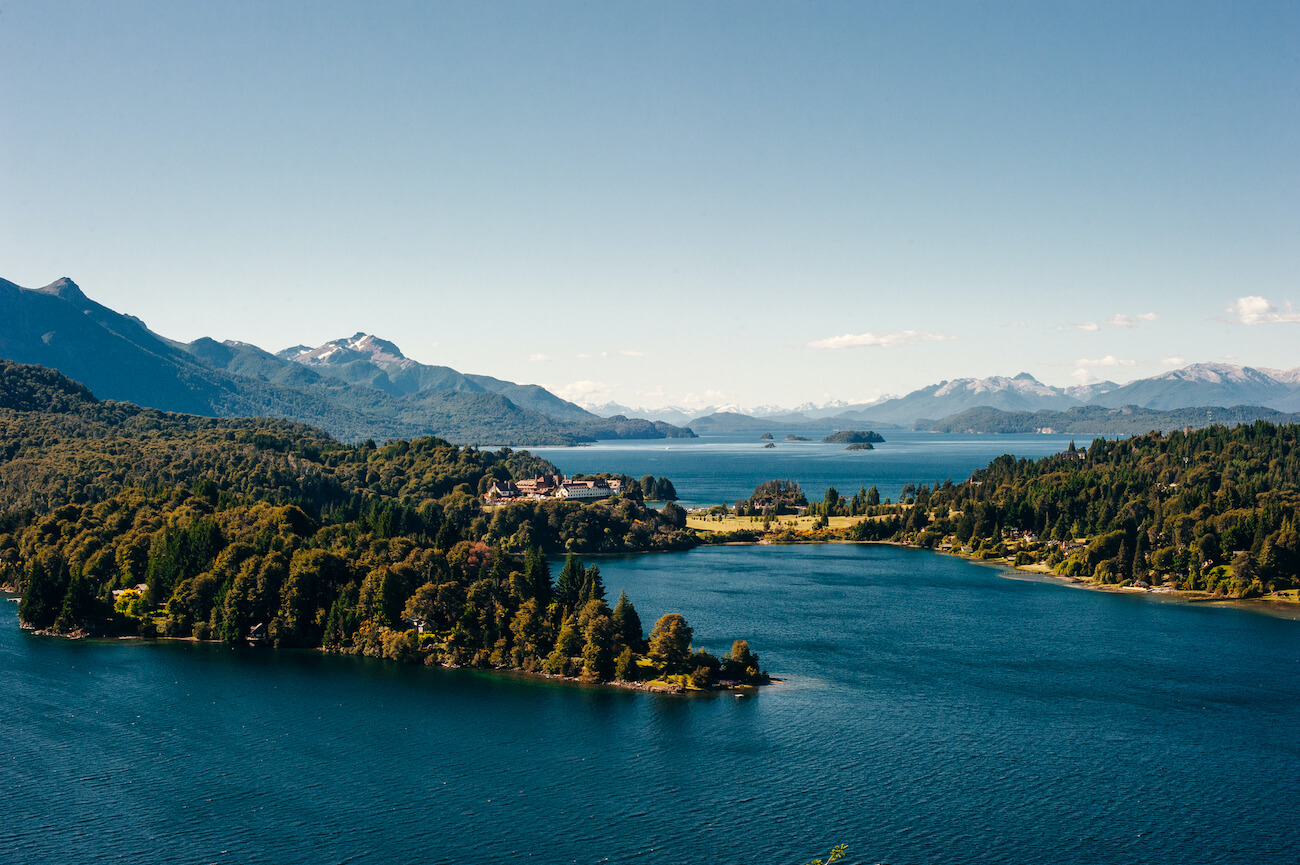
Bariloche swaps Patagonia’s glaciers for its lakes – northern Patagonia’s Lake District, where turquoise water, dense forest and snow-capped peaks sit around a town with an oddly Alpine, chocolate-box feel (the Swiss and German influence on the architecture is real, and so is the chocolate).
I’d spend the four days here like this:
- Day 11: Explore the city. Wander the Centro Cívico, visit the Museo de la Patagonia, and work your way down Calle Mitre for chocolate – Mamuschka and Rapa Nui are two of the best-known names. Slurping down a submarino (hot chocolate made by melting a whole chocolate bar into warm milk) is a must. For dinner, La Fonda del Tío is a local favourite for a proper milanesa or Familia Weiss is famous for regional Patagonian dishes like venison and trout.
- Days 12-13: Drive the Ruta de los Siete Lagos. This 110-kilometre drive between Villa La Angostura and San Martín de los Andes passes a string of impossibly turquoise lakes and is one of the best road trips in the country. Rather than the rushed 10-hour round-trip day version, take two days: drive south stopping at lakes along the way, overnight in San Martín de los Andes, then take the return drive slowly the next day, picking up the viewpoints you missed. If you’d rather not drive at all, several full-day guided bus tours run the route from Bariloche with no self-driving required.
- Day 14: Hit Circuito Chico, a shorter, 25-kilometre loop road right outside town, and an easy way to see a lot of Bariloche’s scenery without much driving at all. The highlight is Cerro Campanario – either a steep 30-40 minute hike or a short chairlift ride up to a viewpoint that’s been ranked among the best in the world by National Geographic, with a café at the top. The loop also passes the iconic Llao Llao Hotel, the San Eduardo Chapel and Puerto Pañuelo, where boats depart for Isla Victoria and the Arrayanes forest if you’d rather swap the drive for a lake crossing instead.
→ READ NEXT: How to visit the Ruta de los Siete Lagos
Where to stay
- In Bariloche: Design Suites Bariloche for spacious lake-and-mountain views, Llao Llao Hotel & Resort for an iconic Patagonian splurge or Huinid Hotel Pioneros for a more affordable and comfortable option.
- In San Martín de los Andes: Hotel Antiguos (mid-range) or Antares Patagonia Suites & Eventos (modern, with a pool and spa).
Day 15: Fly to Mendoza
Fly direct from Bariloche to Mendoza. This route runs only a couple of times a week, so check it against your dates early when you’re building your itinerary.
Where to stay
- Mendoza City is easiest without a car (Park Hyatt Mendoza for luxury, Huentala Hotel for a great pool and location)
- Chacras de Coria, in the heart of Luján de Cuyo, is my preferred base (Lodwine Lodges or Finca Adalgisa Wine Hotel).
Full picks in my where to stay in Mendoza guide.
Days 16-19: Mendoza

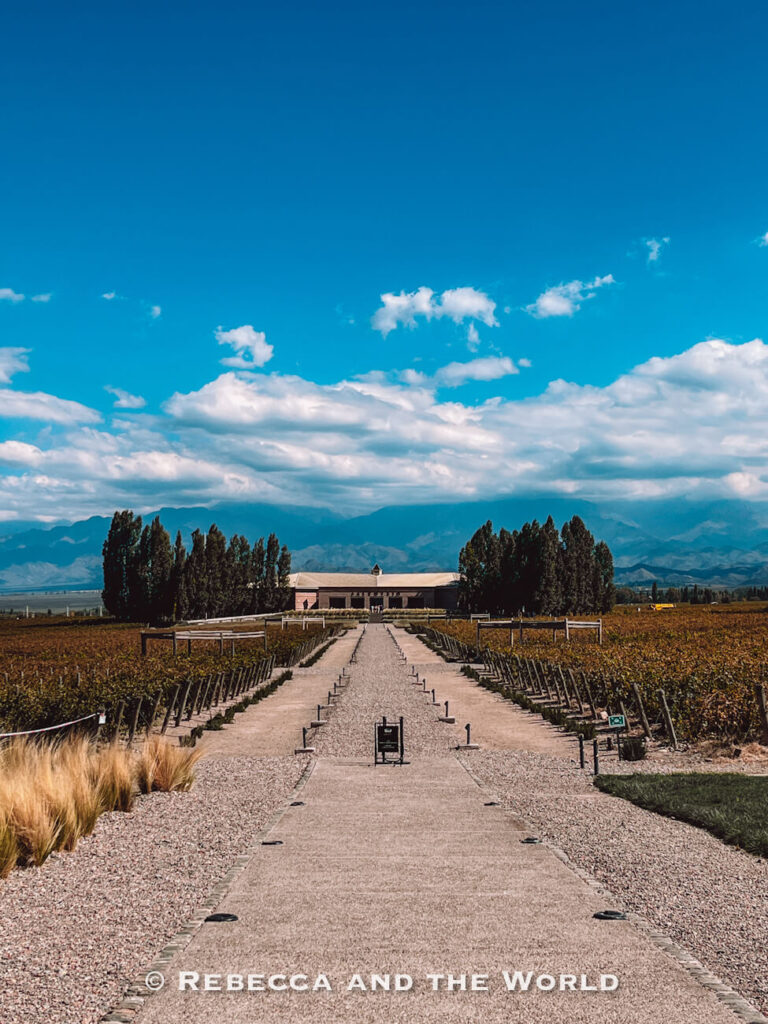
Mendoza is one of those places that makes you fall hard for Argentina. Yes, it’s wine country – Malbec country, specifically – but it’s also big skies, dusty roads lined with vines and the Andes sitting dramatically on the horizon in a way that makes even a simple lunch feel cinematic. With four full days for a Mendoza wine itinerary, you can explore all three of the region’s wine areas as well as get out into the Andes:
- Day 16, Luján de Cuyo: Big names like Catena Zapata and Bodega Vistalba. A guided tour or private driver takes the logistics out of it or hire an e-bike if you’d rather do it yourself (my recommendation – it’s a fun way to spend the day!).
- Day 17, Maipú: Mendoza’s most accessible wine area, with wineries like Santa Julia and Trapiche and a side of olive oil tasting.
- Day 18, Valle de Uco: Further out (about an hour from the city) but worth it for the biggest Andes views and the most architecturally striking wineries – Zuccardi’s Piedra Infinita and Bodega Salentein are both worth building a lunch around. You can take a group tour here or arrange a private tour.
- Day 19, Andes day trip: Swap vineyards for mountains with a drive out towards Uspallata, Puente del Inca and the Aconcagua viewpoint – the tallest mountain in the Americas. You can either rent a car and drive the route yourself or join a group tour. Not into a road trip? Termas Cacheuta’s thermal springs are a good alternative.
For winery specifics and a full breakdown of how to spend your time in Mendoza, see my guide to 3 days in Mendoza itinerary and the best wineries in Mendoza.
Day 20: Fly to Buenos Aires
Fly direct back to Buenos Aires. With an evening back in the city, use it to revisit whichever neighbourhood you loved most from your first three days, or catch up on anything you didn’t have time for the first time round – that steakhouse you didn’t make it to, one more wander through San Telmo’s antique stalls or a tango show if you skipped it earlier in the trip.
Tip: If your onward trip continues elsewhere in South America rather than heading home, check Mendoza’s own international connections before booking this flight. There are direct flights from Mendoza to Santiago, Rio de Janeiro, São Paulo, Lima and Panama City, which could save you the trip back through Buenos Aires altogether. It could save a lot of time! Use Flight Connections to check the options.
Day 21: Depart
Head home or onward to your next destination. And start planning your return trip to Argentina!
3 Weeks in Argentina, Option B: The North & Iguazú Falls
Best for: Travellers who are comfortable self-driving abroad (or happy to swap in guided tours), and who want dramatic desert landscapes, colonial towns and one of the world’s great waterfalls in their three weeks.
Best time to go: April through November, and ideally September to November specifically. The north’s unsealed roads – including the Purmamarca-to-Cachi-to-Cafayate stretch this itinerary relies on – are best avoided during the December-February wet season, when they can wash out. Within the dry season, I’d lean towards the shoulder months rather than the depths of winter (June-August): days are still warm enough for Mendoza and comfortable in the north, without the sometimes-freezing overnight temperatures Cachi and Purmamarca can get at altitude in winter. Iguazú Falls works year-round, though it’s a little easier to enjoy outside the hottest, most humid summer months (December-February).
Days 1-3: Buenos Aires
Follow the same three days as Option A above – Centro Histórico and San Telmo, Teatro Colón and Recoleta, La Boca and Palermo.
For the full breakdown, see my 3 days in Buenos Aires itinerary.
Day 4: Fly to Mendoza
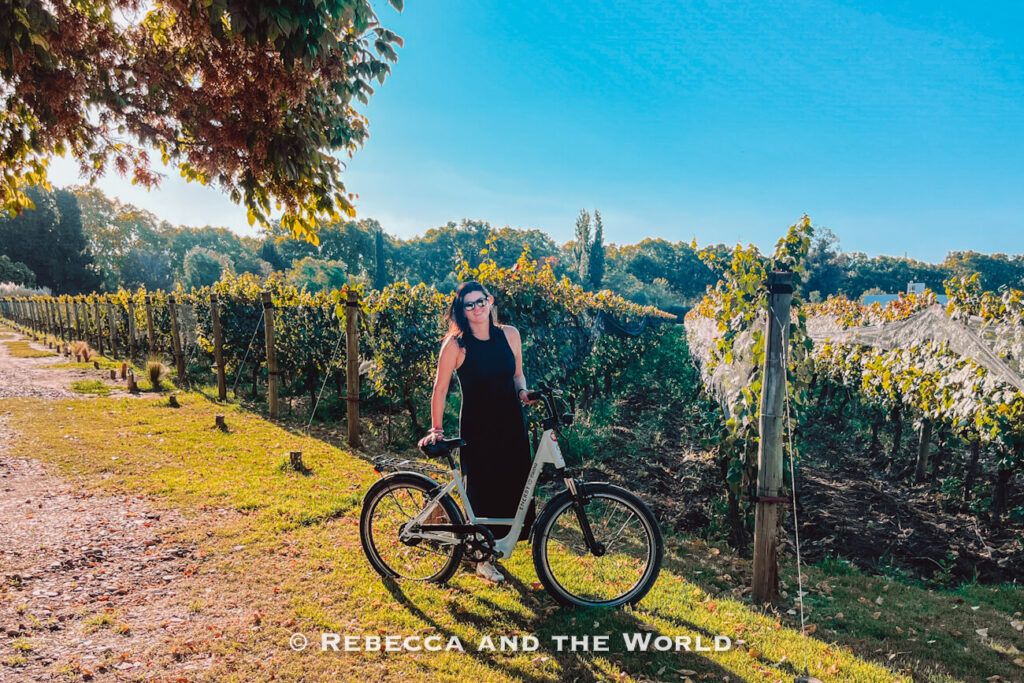
Fly direct from Buenos Aires to Mendoza. Aim for an early or mid-afternoon flight if you can, so you’ve still got daylight left to get your bearings.
Mendoza’s grid layout makes it easy to explore on foot for a few hours. Start at Plaza Independencia, then wander the smaller plazas nearby for a slow lap and a coffee. Mercado Central is worth a stroll too – cheeses, salamis, spices, chocolate and wine stalls line the aisles – or head to Parque General San Martín, a huge green space with an artificial lake, rose garden and fountains, designed by the same architect behind several of Buenos Aires’ parks.
For dinner, Azafrán (one Michelin star, modern cuisine with local ingredients) and 1884 by Francis Mallmann (set menus built around lamb, Patagonian crab and steak) are both worth booking ahead for. For something more casual, browse Mercado Central’s hot-food vendors or cobble together a shared charcuterie board, or head to Fuente y Fonda for big platters of home-style food.
Where to stay
As in Option A – Mendoza City or Chacras de Coria. Full picks in my where to stay in Mendoza guide.
Days 5-8: Mendoza
Follow the itinerary as above for Option A – and prepare to fall hard for Argentina in wine country.
- Day 5, Luján de Cuyo: Catena Zapata, Bodega Vistalba and other big names.
- Day 6, Maipú: Santa Julia, Trapiche and a side of olive oil tasting.
- Day 7, Valle de Uco: Zuccardi’s Piedra Infinita and Bodega Salentein, for the biggest Andes views.
- Day 8, Andes day trip: Step away from the wine glass and take a road trip up through Uspallata, Puente del Inca and Aconcagua.
Full detail in my 3 days in Mendoza itinerary and guide to the best wineries in Mendoza.
Day 9: Fly to Salta
Fly direct from Mendoza to Salta. This route runs several days a week, so check it against your dates early so you can plan the rest of the itinerary around flight availability.
Where to stay
- Design Suites Salta is a modern, well-located choice (this is where I’ve stayed) | Check rates and availability on Booking.com and Expedia
- Legado Mítico is a boutique estancia-style option in the heart of the city | Check rates and availability on Booking.com and Expedia
→ READ NEXT: How to plan a north Argentina road trip
Day 10: Salta
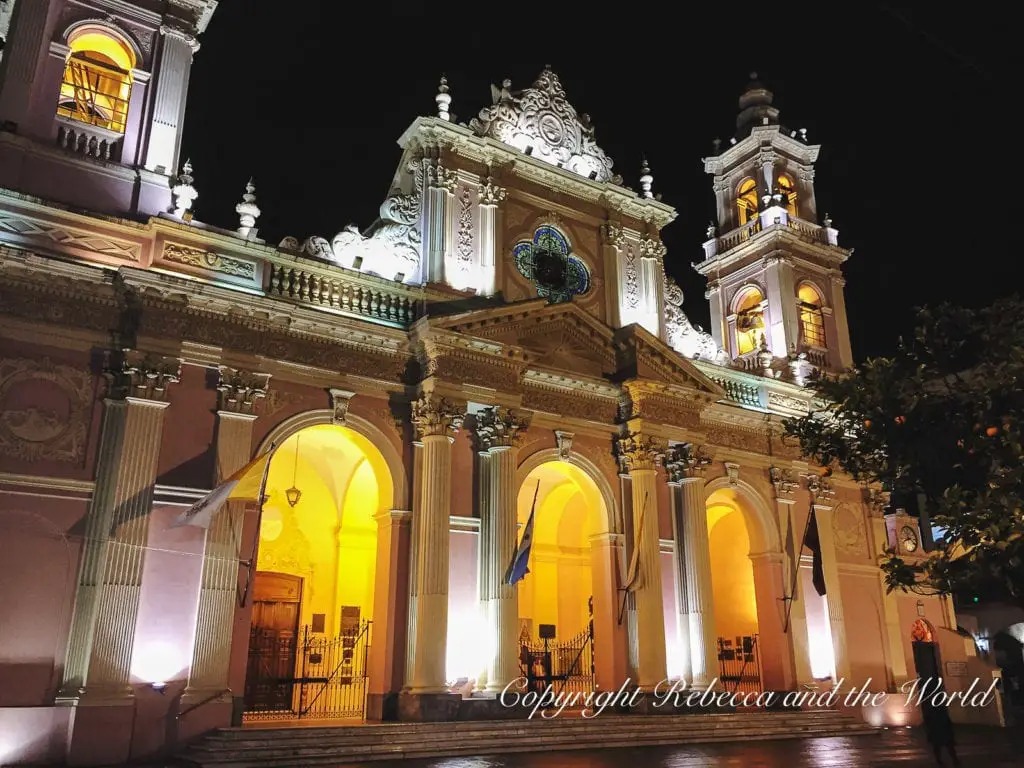
Salta la Linda (“pretty Salta”) earns the nickname – a colonial city of whitewashed churches, peaceful plazas and a distinct culture shaped by its proximity to Bolivia and the Andes. It’s worth a full day before you head into the surrounding countryside. Visit the Museo de Arqueología de Alta Montaña to see the remarkably preserved remains of Incan children sacrificed on Llullaillaco mountain, wander Plaza 9 de Julio and the city’s colonial churches and join a walking tour before picking up your rental car.
Days 11-12: Purmamarca, Tilcara and Humahuaca
Pick up your rental car – I like to check cars, prices and availability on DiscoverCars and book there.
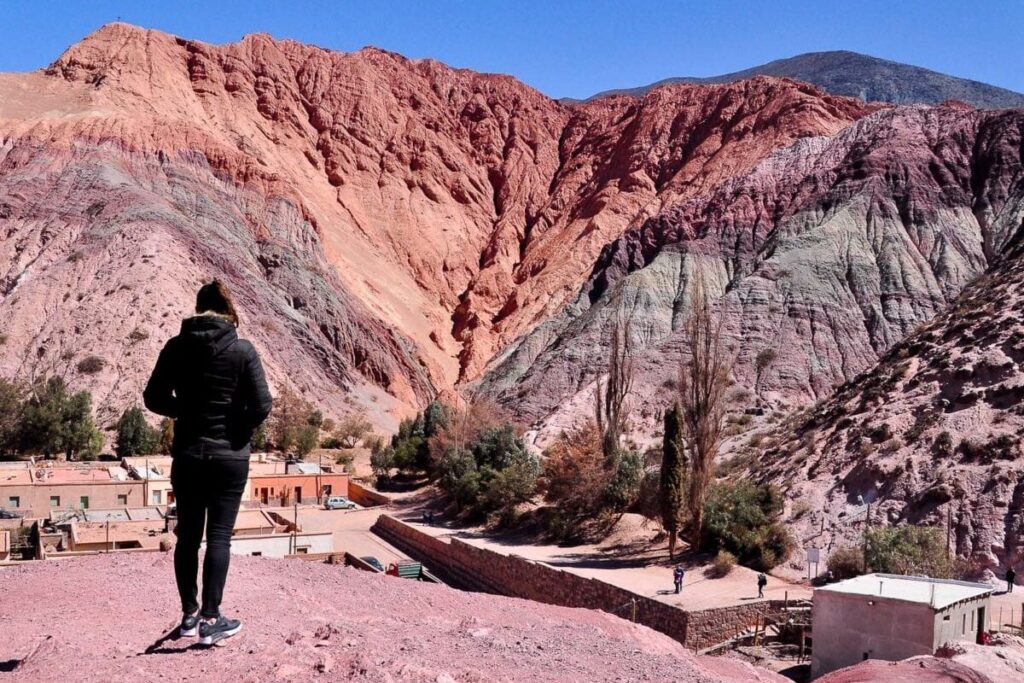
Then, drive north into Jujuy province (roughly 3-4 hours to Purmamarca). This is one of my favourite parts of Argentina – a landscape unlike anywhere else in the country, all dramatic, striated rock in shades of red, ochre and green, dotted with charming small towns.
- Purmamarca: Base yourself here for the Cerro de los Siete Colores (the Hill of 7 Colours) – walk the easy loop around its base and enjoy the peaceful sunset views once the tour buses have left.
- Salinas Grandes: Take a day trip (about 1.5 hours away) to one of South America’s largest salt flats.
- Tilcara: The pre-Inca Pucará ruins, for sweeping valley views (note that it’s closed Mondays).
- Humahuaca: Plenty of options for lunch as well as local vendors selling handcrafted textiles, pottery and rugs.
Where to stay
- El Manantial del Silencio, an old estancia-style property just outside Purmamarca, is where I stayed and loved it | Check rates and availability on Booking.com and Expedia
Day 13: Drive to Cachi
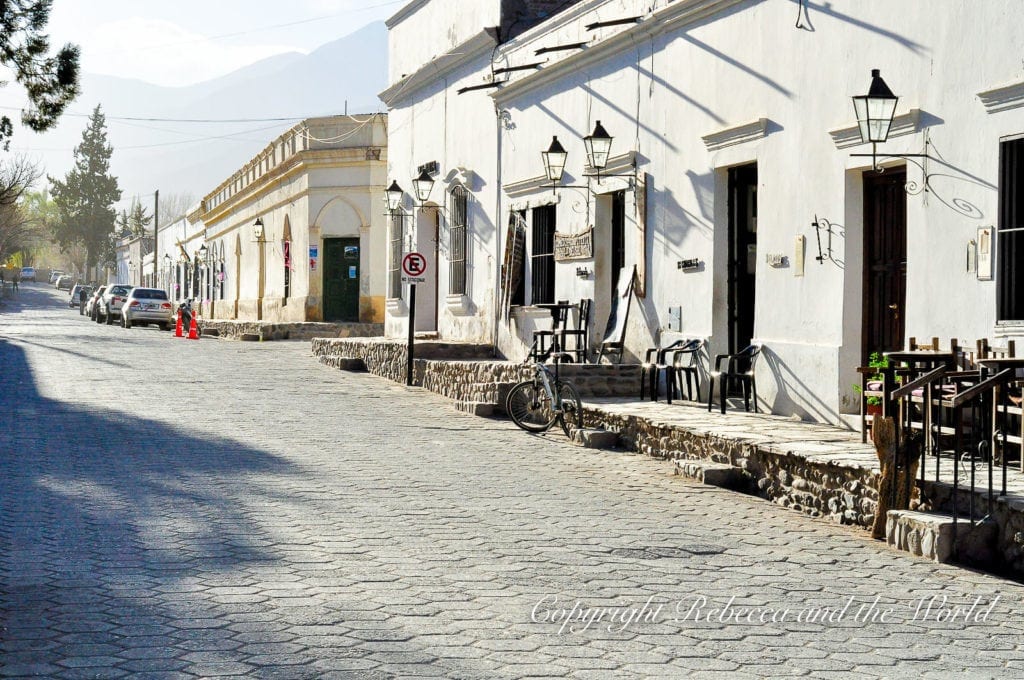
Rather than driving straight through to Cafayate in one long haul, break the journey with a night in Cachi, a charming whitewashed village at altitude where you can genuinely slow down for an afternoon. It’s one of the best places in the north to just wander cobbled streets and do very little, a nice contrast after two busier days around Purmamarca.
On the way, stop at Miraluna, one of the highest wineries in the world, for a tour and a bottle of their Malbec to take back to your hotel with a picada plate.
Where to stay
- La Merced del Alto, a whitewashed adobe property with ceramic-tiled floors and attentive service | Check rates and availability on Expedia
Day 14: Drive to Cafayate
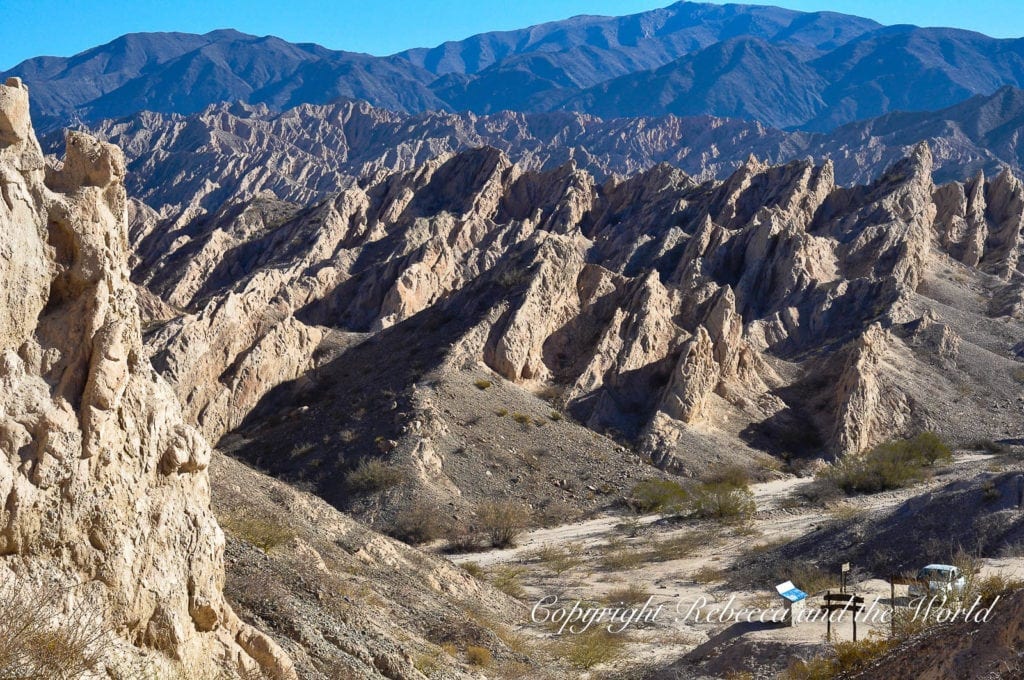
Continue on through the Quebrada de las Flechas, a lunar-like landscape of leaning limestone formations.
If you have the appetite for one more detour, Bodega Colomé near Molinos is worth a lunch stop. It’s home to a beautiful winery (with a great restaurant) as well as the only museum in the world dedicated to the light-and-perception works of James Turrell. This does of course add to an already long driving day, so only add it if it’s genuinely calling to you – but I highly recommend it. Arrive in Cafayate in the afternoon or evening.
Where to stay
- Grace Cafayate, set inside a working winery, is a memorable splurge | Check rates and availability on Booking.com
- Villa Vicuña comes highly recommended. This boutique hotel has only 12 rooms in colonial Spanish style | Check rates online at Booking.com or Expedia.
- Hotel Asturias is a country-style hotel with cute little balconies. Rooms are comfortable and it’s right in the heart of Cafayate | Check availability at Booking.com
Days 15-16: Cafayate
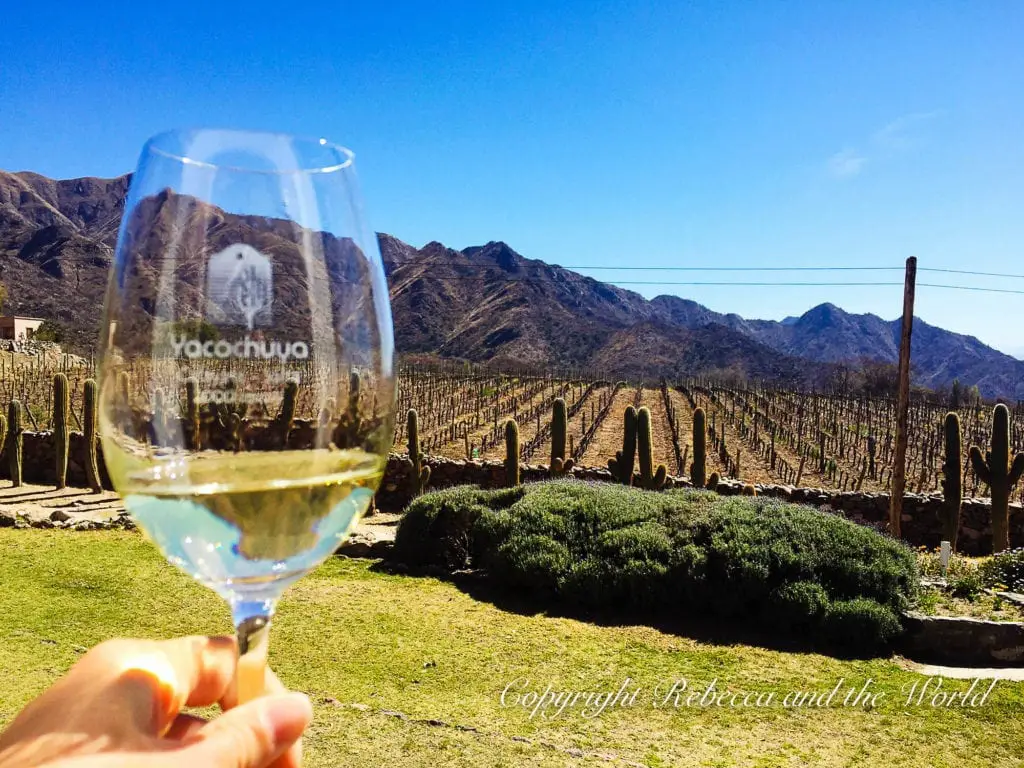
Cafayate is Argentina’s other wine region, and a different experience to Mendoza. Here you’ll find high-altitude vineyards growing Torrontés, Argentina’s signature white, against a backdrop of red desert mountains rather than the Andes’ snowy peaks.
Two full, unrushed days among the vineyards is how you should spend your time here. I love the tastings at San Pedro de Yacochuya, Piattelli (also great for lunch or dinner) and El Porvenir, and I have a fuller winery breakdown in my best wineries in Cafayate guide.
In town, try the Malbec and Torrontés ice cream from the stores around Plaza San Martín.
Day 17: Return to Salta, fly to Iguazú
Drive back to Salta via the Quebrada de Cafayate (around 3.5 hours, with stops at El Anfiteatro and Garganta del Diablo along the way). Drop your rental car and fly direct to Iguazú.
Where to stay
- Gran Meliá Iguazú, inside the national park itself with the falls’ mist visible from the balcony, is where I stayed | Check rates and availability on Booking.com and Expedia
- Puerto Bemberg is a jungle boutique alternative | Check rates and availability on Booking.com and Expedia
- O2 Hotel Iguazú is a solid mid-range pick with a pool | Check rates and availability on Booking.com and Expedia
Days 18-19: Iguazú Falls
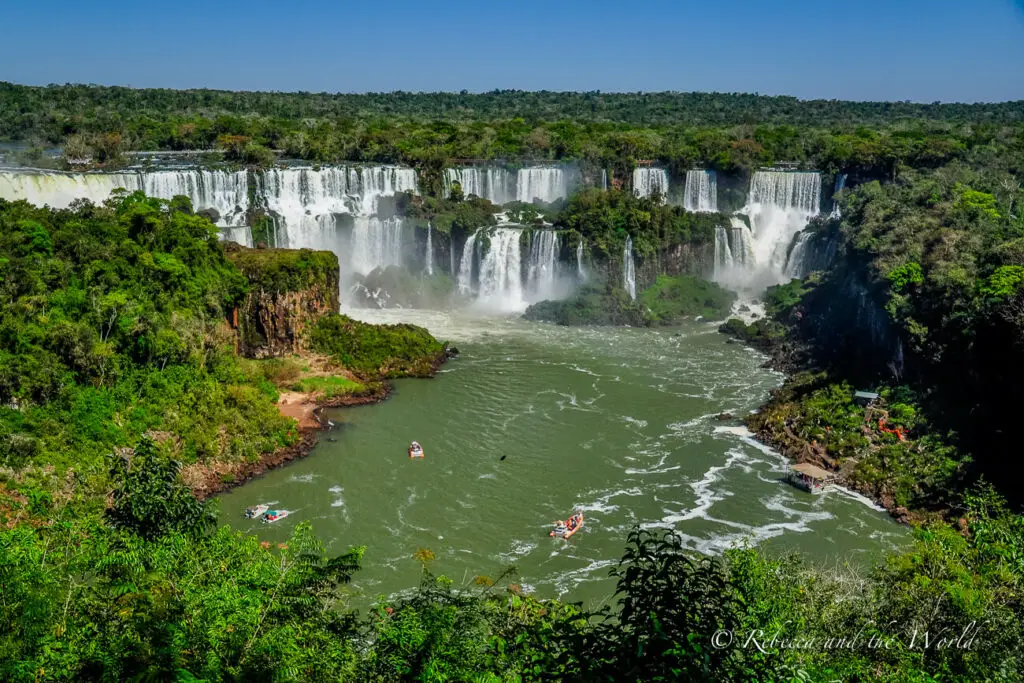
Nothing quite prepares you for Iguazú Falls – nearly 3 kilometres of almost 300 individual cascades straddling the Argentina-Brazil border, thundering down into the jungle below. It’s the kind of natural wonder that genuinely lives up to the hype.
With two full days, split your time with one day on the Argentina side – the larger, more immersive of the two, with the Upper and Lower Circuits, the thundering Devil’s Throat, and the Gran Aventura boat ride that takes you right underneath the falls – and one day on the Brazil side for its famous panoramic views and the nearby Bird Park.
For the full breakdown, border-crossing logistics and Brazil visa notes, see my complete guide to visiting Iguazú Falls.
Day 20: Fly to Buenos Aires
Fly back to Buenos Aires to give yourself a buffer night before you fly home tomorrow. After three weeks of early starts, self-driving through the north and Iguazú’s humidity, take it a bit slower. Spend the afternoon back in Palermo for some boutique shopping or a coffee you didn’t get to the first time round, and book one last parrilla dinner for the evening – a proper steak feels like the right way to close out a trip that’s covered this much ground.
Day 21: Depart
Head home or onward to your next destination.
What to know before you go
Visa and entry requirements
Most tourists – including citizens of the US, Canada, Australia, the UK and most EU countries – can enter Argentina without a visa for stays of up to 90 days. Requirements do vary by nationality and can change, so check with your local Argentine embassy or consulate before you travel, and be aware that some nationalities need to pay a reciprocity fee.
One important, easy-to-miss requirement: the Argentine government requires foreign visitors to have travel insurance covering medical emergencies and hospitalisation. In practice, border checks are inconsistent, but it’s a legal requirement. Whichever option you choose, make sure your policy also covers medical evacuation and adventure activities – glacier trekking and hiking for Option A, self-driving and hiking at altitude for Option B – and rental car excess if you’re doing Option B’s north loop. For the full breakdown, see my guide to travel insurance for Argentina.
Money and payments
Argentina’s currency situation has settled down in recent years. The official, blue market and MEP (foreign card) exchange rates are all sitting close together these days so it’s easier to manage your money when you visit. Here’s what I’d recommend bringing:
- A Visa or Mastercard (skip American Express – it’s rarely accepted) for hotels, bigger restaurants and shops
- A backup debit card, like a Wise card, for places that surcharge credit cards or don’t accept them at all
- US dollars in cash – clean, crisp US$100 notes get the best rate – to exchange into pesos for smaller restaurants, markets and anywhere that’s cash-only
- An ATM card as a last resort only; withdrawal limits are low and fees are high
For a trip this long, it’s also worth knowing about Western Union as a way to send yourself cash along the way. Both these itinerary options include time in small towns and remote areas where card acceptance may be patchier than in Buenos Aires or Mendoza City, so top up on cash before you leave the bigger towns. For the full picture, see my complete guide to money in Argentina.
Safety
Argentina is a safe country to visit, and most trips go off without a hitch. The biggest risk is petty theft in busy tourist areas of Buenos Aires. Keep your phone out of sight when walking, keep bags on your lap rather than hanging off a chair, and use licensed taxis or a rideshare app rather than hailing cabs at night.
For Option B specifically: stick to daytime driving on the north’s mountain roads, keep the fuel tank topped up between towns and carry more water than you think you’ll need at altitude. For Option A: tell someone your hiking route and expected return time around El Chaltén, since there’s no mobile coverage on the trails.
For the full breakdown and safety tips, see my safety in Argentina guide.
What to pack
Both these 3 week Argentina itinerary options span more than one climate, so layering matters either way. Option A moves between Patagonian wind and cold (Calafate, Chaltén, Bariloche) and Mendoza’s milder days. Option B includes Mendoza’s dry heat, the north’s high-altitude desert (hot days, cold nights) and Iguazú’s thick, humid jungle heat.
A few essentials that apply across either trip:
- Comfortable, already-worn-in walking shoes, plus proper hiking boots if you’re doing Option A’s El Chaltén trails
- A packable, windproof and waterproof jacket for Patagonia (Option A) or the north’s exposed drives (Option B)
- Lightweight, breathable clothing if Option B’s Iguazú Falls is on your list, plus something to protect your phone from the spray (like this waterproof phone case)
- A reusable water bottle – useful everywhere, essential at altitude on Option B’s north loop
- A power bank and cash, and a printed copy of your passport and travel insurance details
For the full region-by-region breakdown, see my Argentina packing list.
Budget for 3 weeks in Argentina
Argentina is affordable but it’s not a super cheap destination. Expensive items can include car rental, bucket list experiences (like ice trekking) and winery visits. Based on my most recent visits:
- Accommodation: Hostel dorms from around US$15-$21/night; boutique hotels roughly US$150-$300/night depending on region; splurge properties US$400+/night
- Domestic flights: Budget roughly US$80-$200 per leg for the four flights either option involves
- Option A: The Big Ice or Minitrekking glacier tours run several hundred US dollars per person, plus the national park entrance fee (around US$34); Mendoza wine tastings run roughly US$30-$80 per winery
- Option B: Rental car costs plus fuel for the north loop; Mendoza wine tastings as above; Iguazú Falls entry fees around US$60 for the Argentina side, plus the Brazil side if you’re doing both
As a very rough guide, budget travellers might expect to spend somewhere around US$100-$150 per day averaged across three weeks on either option, mid-range travellers US$200-$350 per day, and those doing every splurge activity considerably more.
For a fuller breakdown of Buenos Aires-specific pricing, see my Buenos Aires travel budget guide.
Final thoughts: 3 weeks in Argentina
Argentina is an incredible country, and three weeks is a good amount of time to explore it without feeling rushed – long enough to settle into a handful of regions rather than skimming the surface of many. But even three weeks won’t get you everywhere. This is one of the largest countries on earth, and whichever option you choose, there’ll still be plenty left over for a return trip.
That’s exactly why this guide gives you two complete routes rather than one itinerary trying to cover it all. My advice is to think less about logistics and more about what you actually want to see and do: are glaciers, hiking and lakes calling you more than desert landscapes and Iguazú Falls? Let that answer, rather than anything else, be what decides it for you.
Whichever you choose, I hope this guide helps you build three weeks in Argentina that feels complete rather than compromised, and gives you a clear sense of what to prioritise if you come back for more. If you decide a shorter trip suits you better, I’ve also got guides to 1 week in Argentina and 2 weeks in Argentina ready for you. Lucky and got longer? Check out my guide to 4 weeks in Argentina.
FAQs: 3 weeks in Argentina
Is 3 weeks enough time to see Argentina?
Not to see all of it. Argentina is the eighth largest country in the world. But three weeks is enough to properly experience several distinct regions. I wouldn’t try to combine elements of both into one three-week trip; that’s exactly the compromise I built these two options to avoid.
Which 3-week Argentina itinerary option should I choose?
Think less about logistics and more about what you actually want to see. Option A is glaciers, hiking and lakes – choose it if Patagonia’s ice fields and Bariloche’s turquoise water sound more like your trip. Option B is desert landscapes, colonial towns and Iguazú Falls – choose it if those pull you in more. Both are complete, well-paced routes, so let your own interests decide rather than anything else.
Do I need a rental car for either itinerary?
Not strictly, for either option, though a car can make parts of both easier. In Option A, nothing requires one – guided tours cover the Ruta de los Siete Lagos, and Mendoza’s wineries are easy to visit by tour, private driver or e-bike – but renting a car for the Siete Lagos drive or for getting around Mendoza gives you more flexibility if you’d rather set your own pace. In Option B, a car is the easiest way to do the north loop (Salta, Purmamarca, Cachi and Cafayate) – a standard 2WD is fine – though guided tours are available there too if you’d rather not drive.
Do I need travel insurance to enter Argentina?
Yes. The Argentine government requires foreign visitors to have travel insurance covering medical emergencies and hospitalisation. Checks at the border are inconsistent, but it’s a legal requirement. Make sure your policy covers adventure activities and medical evacuation specifically – glacier trekking for Option A, self-driving and altitude for Option B – not just the basics.
What’s the best time of year for these itineraries?
October, November or March suit both options well. Those months are still inside the good windows for visiting Perito Moreno (Option A) and avoid the north’s December-February wet season (Option B), while also being excellent shoulder-season months for Mendoza, which both routes share.
Can I do a version of this trip that includes both Patagonia and the north?
Not comfortably in three weeks – that’s exactly the trade-off these two options are built around. Combining them means either an awkward indirect flight connection, a rushed El Chaltén visit with too little time to hike around bad weather or dropping Iguazú Falls to make room. If you want to do both, I’d treat it as two separate trips, or extend to four weeks if your schedule allows.
Can I shorten either itinerary if I only have 2 weeks?
Yes. You could drop Bariloche from Option A, or the north loop from Option B, and either gets close to the routes in my 2 weeks in Argentina guide.
Did you find this article helpful? Consider buying me a coffee as a way to say thanks!
Which of these 3 weeks in Argentina itinerary ideas is your favourite? Drop any questions in the comments section below.
Need help planning your Argentina trip? 🇦🇷
Feeling overwhelmed about planning your trip to Argentina? I get it. And I can help! I offer one-to-one travel consultation calls to help you plan your trip to Argentina. In an hour, we can map out a realistic itinerary or work through your specific questions so you can book an incredible trip. Save hours of your time with my local knowledge and expertise.
Read next
Before you go, you might like these Argentina travel articles:
- How to Spend 2 Weeks in Argentina
- 1 Week in Argentina: 7 Itinerary Ideas
- A Month in Argentina? Here’s a 4-Week Argentina Itinerary
- The Best Places to Visit in Argentina
- How to Plan a Trip to Argentina: Step-By-Step Guide
ARGENTINA TRIP ESSENTIALS
- Book your flight to Argentina online with Skyscanner. I like how this site allows you to find the cheapest days.
- One thing I always purchase is travel insurance! Travel Insurance Master allows you to compare across multiple policy providers, while SafetyWing is great for long-term travellers and digital nomads.
- Wise is my choice for sending and receiving money and spending money overseas (you can get a digital and physical card).
- Find a great hotel in Argentina. Check prices on Booking.com and Expedia online.
- Check out the huge range of day tours throughout Argentina on GetYourGuide or Viator. I love a good food tour in particular!
- Saving money? Check out the range of free walking tours across Argentina with GuruWalk (don’t forget to tip!).
- How to get around? I use DiscoverCars for car hire, or Motorhome Republic and Jucy for campervan/RV rental. For buses, trains and ferries, I use 12GO, Busbud and Omio.
- Grab an e-sim to stay connected while on the road.
- A copy of the Lonely Planet guide to Argentina will be handy. Also pick up a Spanish language phrasebook to help you navigate your visit.
- Keep those bottles of wine you’ll be buying safe in these wine bags.
- Check out my Amazon shop for my fave travel items – everything from backpacks and suitcases to travel adapters and beauty products.
PIN IT FOR LATER: 3 WEEKS IN ARGENTINA
Save these 3-week Argentina itinerary ideas to Pinterest so you can plan your trip later.