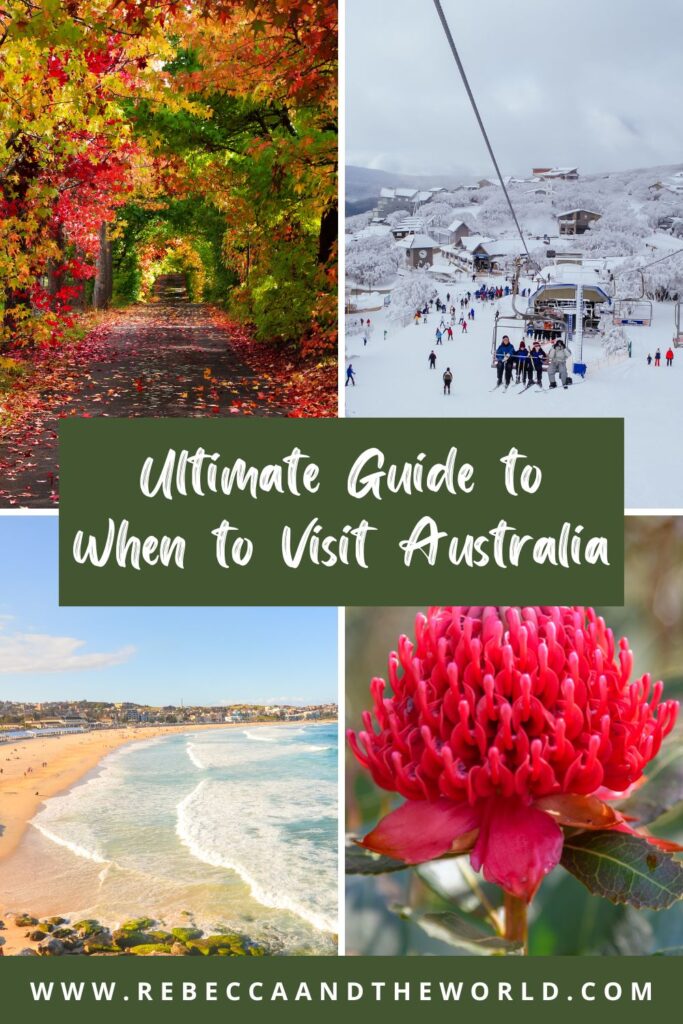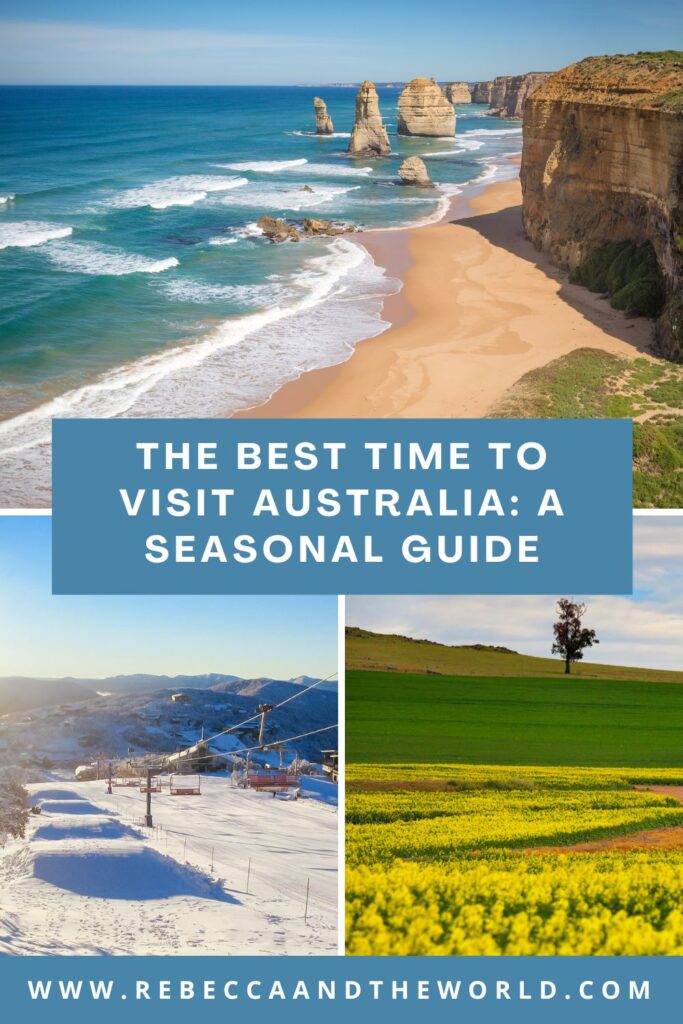

Planning a trip Down Under and wondering when is the best time to visit Australia? In this guide, I’ll share what to expect each season and where to go when.
When people ask me when the best time to visit Australia is, my first response is always: it depends on what you want to see.
Australia is huge – almost the size of the continental USA – with many different climates. So, the truth is, there’s no single “perfect” month – but there is a perfect time for the kind of trip you’re dreaming of.
In this guide, I’ll walk you through Australia’s seasons, share my favourite times to explore each region and let you in on a few insider tips that can save you from travel surprises (like stinger season in Queensland or chilly nights in the Outback). By the end of this article, you’ll know exactly when to plan your trip to match your travel goals.
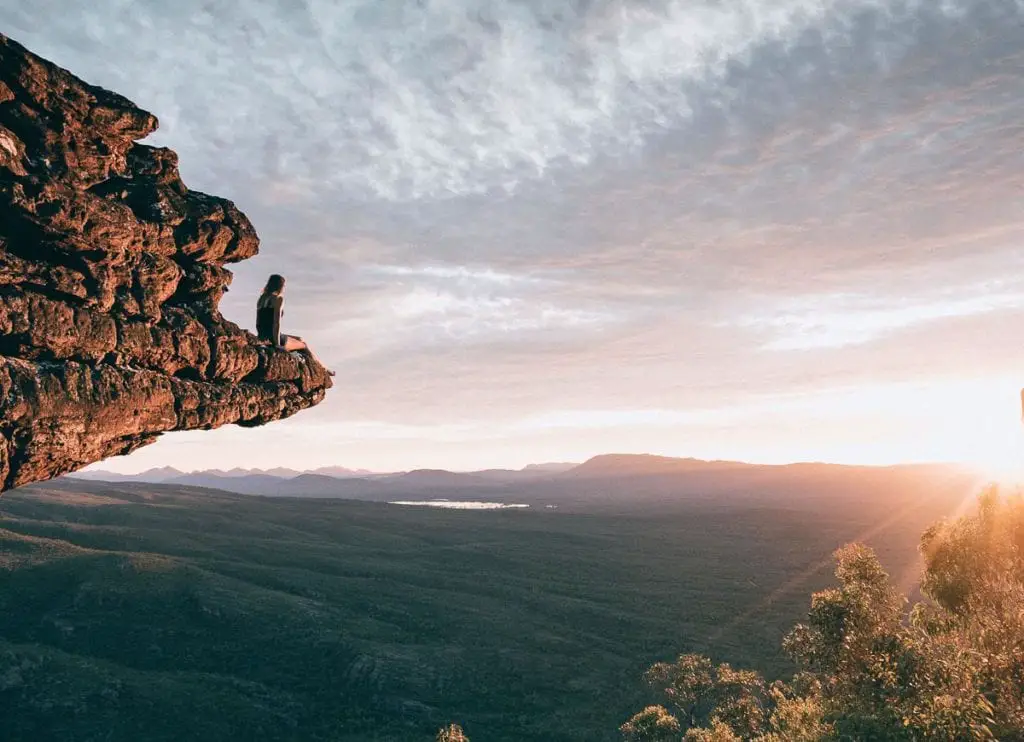
This blog post may contain affiliate links, meaning if you book or buy something through one of these links, I may earn a small commission (at no extra cost to you).
Need help planning your Australia trip? 🇦🇺
Feeling overwhelmed about travelling to and around Australia? I offer one-on-one travel consultation calls to help you plan your trip to Australia. In an hour, we can map out a realistic itinerary (including answering questions about the Lap of Oz) or work through your specific questions so you can book an incredible trip. Save hours of your time with my local knowledge and expertise.
Australia’s seasons: A regional breakdown
Australia’s seasons are the opposite of those in the Northern Hemisphere, so our summer is December to February and winter is the middle of the year. Our seasons also start at the beginning of the month (not on the 21st, as many countries do).
Here’s a season-by-season guide to help you choose the best time to visit Australia.
Planning a trip to Australia? Here are my recommended itineraries
- How to spend 2 weeks in Australia – with three itinerary options
- How to spend 3 weeks in Australia – also with three great itinerary ideas
- An epic 4-week Australia itinerary that hits some of Australia’s best sights
Summer (December-February)
Regions to visit: Sydney, Melbourne, Tasmania
Activities: Beach days and surfing in New South Wales, road tripping the Great Ocean Road, hiking in Tasmania
Keep in mind: Bushfire risk in the south and wet season in the north
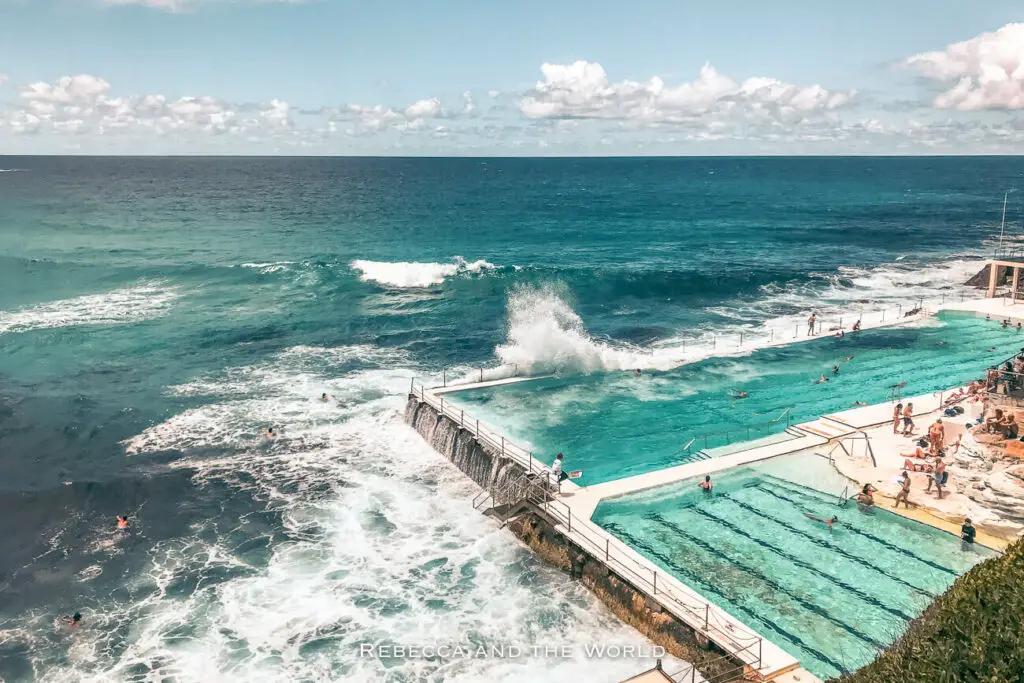
If you’re chasing warm weather and long, golden days, summer is your season – but come prepared. From December to February, Australia turns into a playground for beach lovers, festival-goers and anyone who loves the energy of summer holidays – so it’s busy.
In Sydney, the beaches are buzzing. There’s nothing quite like joining locals for a morning swim at Bondi before grabbing a flat white at a beachside café. Melbourne’s laneways are packed with pop-up bars and rooftop events and Tasmania’s wilderness is at its most inviting (and you probably won’t even need a jacket during the day).
Summer is also festival season: from the Sydney Festival to Falls Festival and the spectacle of Sydney’s New Year’s Eve fireworks, there’s a party somewhere every night and plenty of things to do in Sydney.
But summer comes with caveats. In the north (Darwin, Cairns, the Top End), this is wet season – think heavy tropical rains and steamy humidity.
Down south, bushfire season peaks and extreme heatwaves can hit inland regions. I always suggest checking local alerts and having a backup plan if you’re heading into rural areas.
Still, if you love the vibe of summer and don’t mind the heat and crowds, it’s a fabulous time to experience Australia’s coastlines, ocean swims and iconic events – just pack sunscreen, a hat and a healthy respect for the sun!
Autumn (March-May)
Regions to visit: Adelaide, Perth, Barossa and Margaret River wine regions, national parks across the country
Activities: Wine tasting during harvest, hiking in cooler weather, taking an epic Australian road trip or planning a honeymoon in Australia
Keep in mind: It cools down quickly in southern Australia – bring layers for chilly evenings
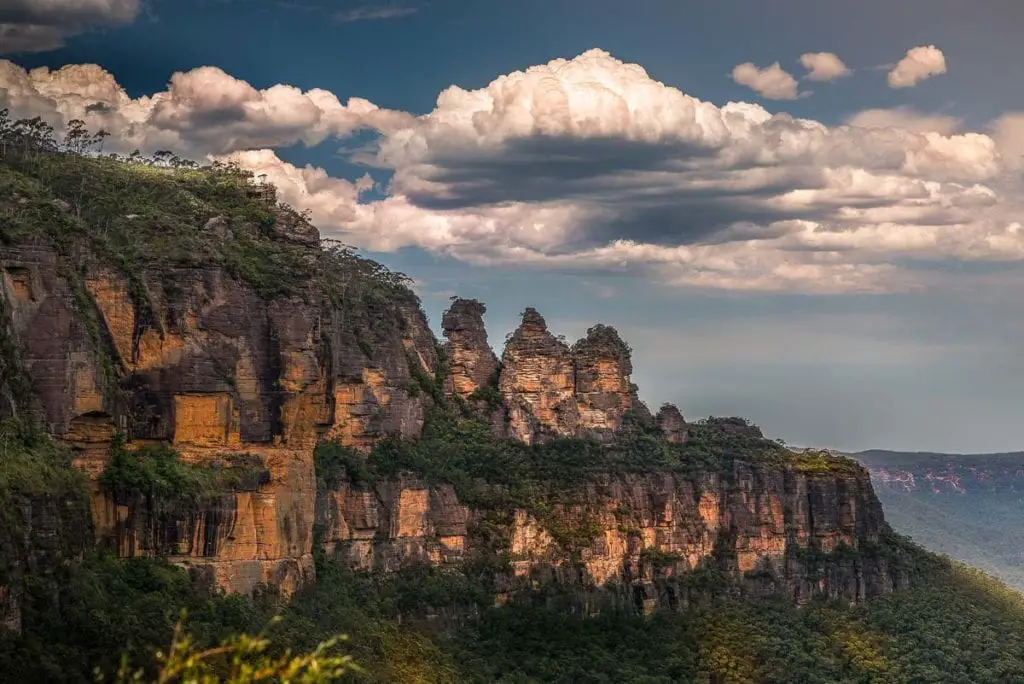
Autumn is one of my favourite times to explore Australia – the weather is mellow, the crowds have thinned after summer and everything feels a little slower.
March kicks off grape harvest in the wine regions, which means plenty of events and the chance to taste just-crushed wines. This is a great time of year to spend a few days in the Barossa Valley or Margaret River – the vineyards are buzzing with activity, and there are often food festivals that make it easy to eat (and drink!) your way through the season.
It’s also a great time for hiking and road trips. National parks like the Grampians or Blue Mountains are cooler and quieter, making those big climbs much more pleasant. By May, the first hints of winter creep in – mornings are crisp, and Tasmania and Victoria start seeing misty valleys and autumn colours.
If you want to avoid crowds but still enjoy warm(ish), sunny days, autumn is the sweet spot.
Winter (June-August)
Regions to visit: Northern Australia (Great Barrier Reef, Kakadu, Darwin), the Outback, ski resorts in Victoria and New South Wales
Activities: Whale watching, stargazing in the desert, exploring the Red Centre, hitting the slopes
Keep in mind: Southern cities can be chilly and damp – but this is also the perfect excuse for cosy cafés and wine bars
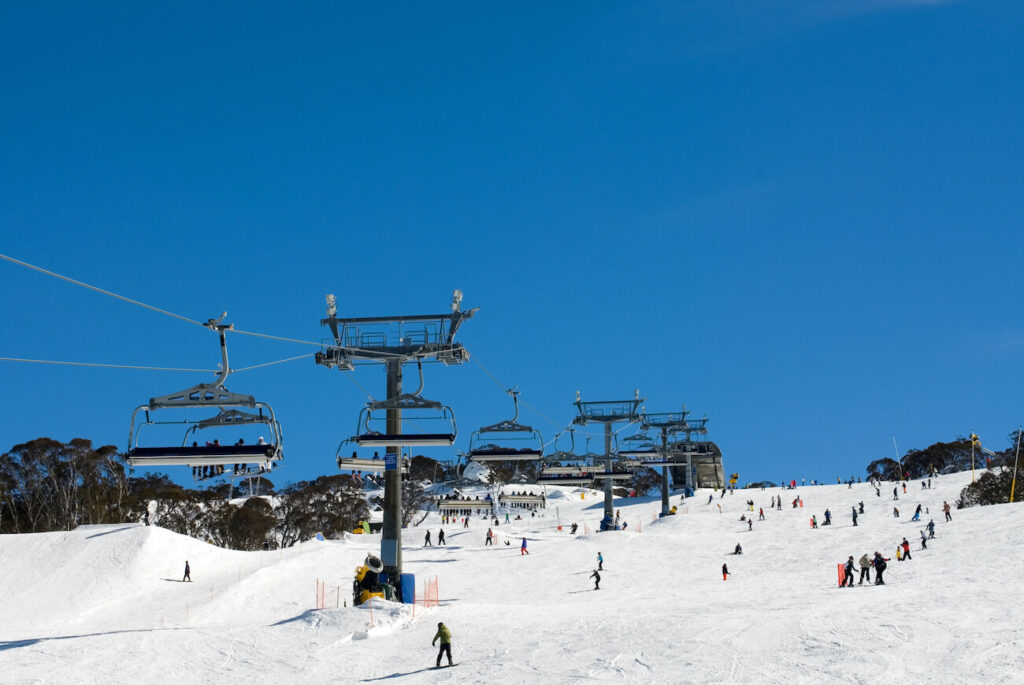
Winter in Australia isn’t the icy, grey ordeal it can be in parts of the Northern Hemisphere – in fact, it’s the best time to explore the country’s wild side. Up north, this is dry season, which means blue skies and balmy temperatures – ideal for snorkelling the Great Barrier Reef, a Top End road trip or visiting Kakadu National Park.
Down south, it’s ski season. The Victorian Alps and NSW’s Snowy Mountains come alive with snow bunnies carving up the slopes.
Winter is also whale migration season. In some parts of New South Wales and Victoria, you can watch humpbacks breaching so close you can almost hear their splash.
Spring (September-November)
Regions to visit: Western Australia (wildflower season), Sydney (jacaranda bloom), the east coast for road trips
Activities: Hiking, city festivals, road trips
Keep in mind: This is shoulder season, so you’ll get great weather without peak summer crowds
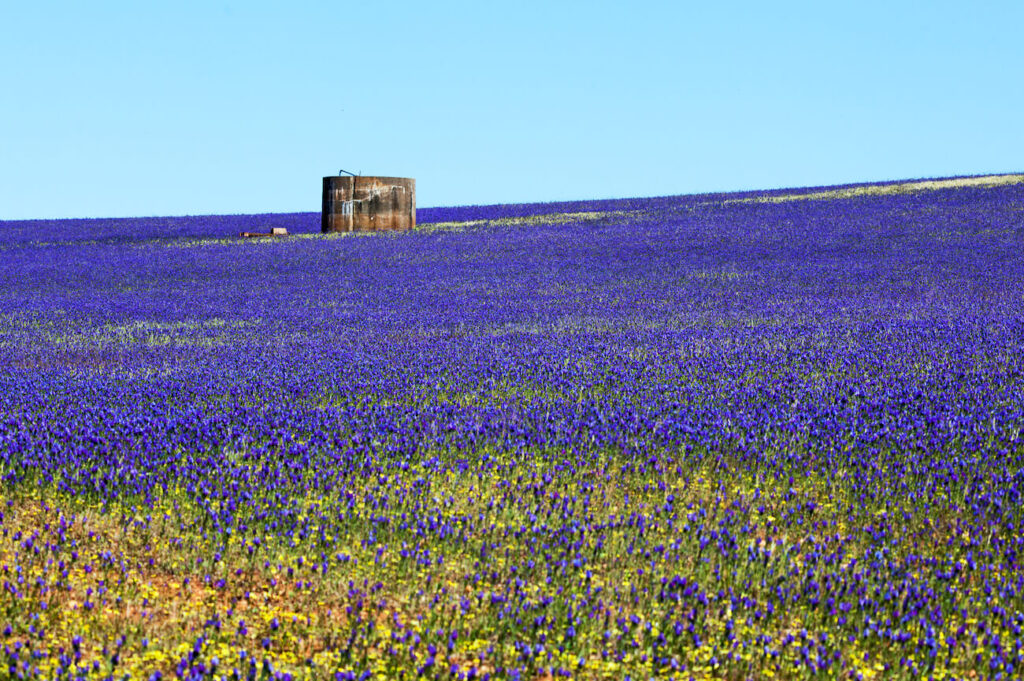
Spring is when Australia puts on a show. The weather warms up, but it hasn’t yet reached summer scorching level, making it perfect for hiking, beach walks and road trips.
In Western Australia, carpets of wildflowers transform the outback into a painter’s palette – I think it’s one of the most beautiful natural spectacles in the country. On the east coast, you’ll find jacaranda trees painting Sydney’s suburbs purple, and it’s a fantastic time for coastal walks like the Bondi to Coogee track.
Wildlife is active too – you can still spot whales along the coastline as they migrate south, and spring marks the coral spawning season on the Great Barrier Reef.
If you go to the tropics in September/October, you can just sneak in before the build-up – the transition from the dry conditions to the tropical wet season – hits its peak.
For me, spring is another great time to visit Australia – sunny but not sweltering, lively but not overcrowded. It’s one of my favourite seasons.
Best time to visit Australia by destination
Got a particular destination in mind but not sure when is the best time to go? Different destinations shine at different times of year – here’s my personal cheat sheet.
Great Barrier Reef
Best time: June to October for the clearest water and calm seas. Bonus: you’ll avoid stinger season, so no need for a stinger suit.
Sydney
Best time: Spring (Sep-Nov) or autumn (Mar-May). Warm enough (maybe!) for a dip at Bondi, but cool enough to spend hours wandering the harbour and laneways. Look out for the Vivid Sydney festival in winter if you love art and light shows.
Melbourne
Best time: The spring and autumn months are my pick – the city is buzzing with festivals and events, and the weather is ideal for exploring laneways without breaking into a sweat or battling the hordes. There are plenty of things to do in Melbourne, regardless of the season.
Tasmania
Best time: Summer (Dec-Feb) for epic hikes and long daylight hours. Winter has its charms too – Dark Mofo is one of Australia’s most unique festivals. One thing I always warn people about Tassie, though, is the UV rays – wear sunscreen here regardless of the temperature!
Great Ocean Road
Best time: Spring for wildflowers and whale sightings. Summer is busier but the coastal vibe is fantastic if you don’t mind crowds. Pick some of the best things to do on the Great Ocean Road and spend a few days exploring.
Uluru and the Red Centre
Best time: Winter (Jun-Aug) for cooler days and stunning desert sunsets. Pack a warm jacket – desert nights get cold! There are so many things to do in Uluru – or plan a Red Centre road trip.
Western Australia wildflowers
Best time: Late winter through spring (Aug-Oct). This is bucket-list worthy – the colours stretch for kilometres.
Whitsundays
Best time: Autumn (Apr-May) for calm seas and warm weather. It’s also just after wet season, so everything is lush and green.
Kakadu National Park and Darwin
Best time: May-Oct dry season. You’ll have access to more roads and waterfalls, and less humidity. This is also a great time to visit Litchfield National Park.
Broome
Best time: Dry season (May-Oct) for warm days, camel rides on Cable Beach and the famous Staircase to the Moon. You can even take a Broome to Darwin road trip or drive from Broome to Perth!
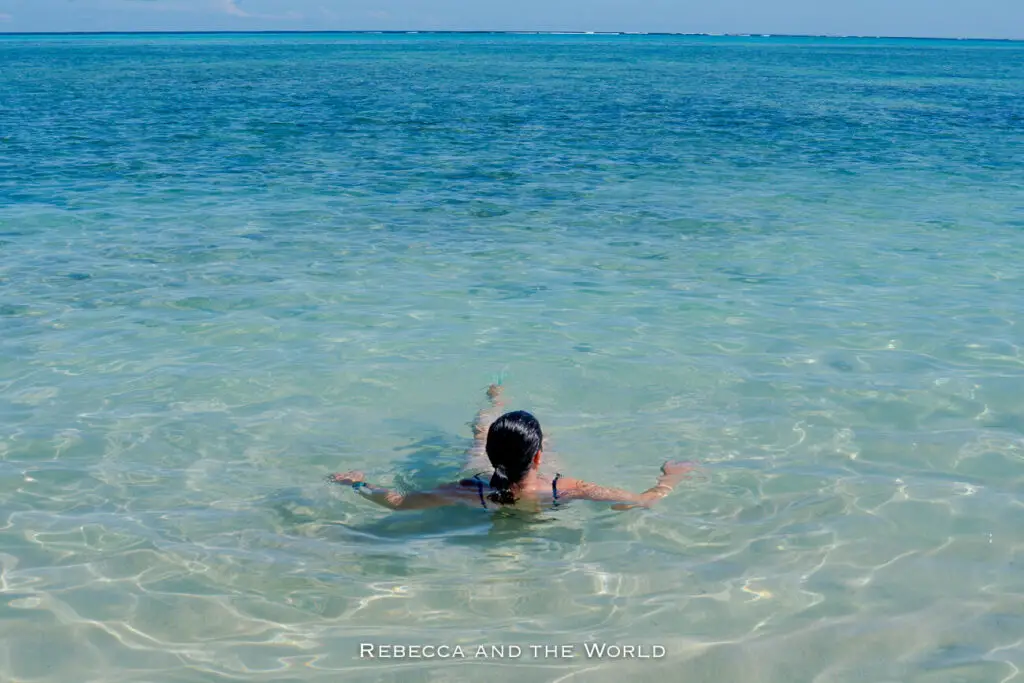
Final thoughts: The best time to visit Australia
The truth is, there’s no single “best” time to visit Australia – it all comes down to where you want to go and what you want to do. That’s the beauty of this country: whether you want to snorkel the Great Barrier Reef, hike through ancient rainforests, road trip the Great Ocean Road or sip wine under autumn leaves, there’s always somewhere that’s just right.
If I had to pick my personal favourites, I’d say spring (September-November) and autumn (March-May) are hard to beat – the weather is mild and the crowds are thinner. But then the winter months are when you would visit some of my favourite parts of the country – Litchfield National Park, Kakadu National Park and Darwin.
The best advice I can give? Plan your trip around the experiences you care about most and check what’s happening in the regions you want to visit.
Best time to visit Australia: FAQs
What are the best months for a road trip across Australia?
If you’re sticking south, I’d go for autumn (March-May) or spring (September-November). You’ll get mild weather, clear skies and fewer crowds which makes long drives and camping much more enjoyable.
Is winter a good time to visit Australia?
Absolutely! Winter (June-August) is dry season up north – perfect for Kakadu, Darwin and the Great Barrier Reef. Down south, you can ski the Snowy Mountains or just cosy up in Melbourne cafés and enjoy the city’s winter festivals.
Where can I go skiing in Australia?
Victoria’s Alps (Mount Hotham, Falls Creek) and New South Wales’ Snowy Mountains (Thredbo, Perisher) have the best ski resorts. July and August are the peak months for snow.
When is the best time for beaches?
If you’re heading to Sydney or the east coast, January to February are prime beach months. For Queensland’s tropical north (Port Douglas, Cairns, Whitsundays), aim for June to September to avoid stinger season and heavy rain.
When can I see the Aurora Australis?
Winter nights (June-August) in Tasmania give you the best chance. Go as far south and as far from city lights as you can – and cross your fingers for clear skies!
When should I book flights and hotels?
For Christmas, New Year or school holidays, book as early as possible – four to six months ahead if you can. For shoulder seasons, you’ll usually find good deals closer to your dates.
Did you find this article helpful? Consider buying me a coffee as a way to say thanks!
What time of year are you planning to visit Australia?
Need help planning your Australia trip? 🇦🇺
Feeling overwhelmed about travelling to and around Australia? I offer one-on-one travel consultation calls to help you plan your trip to Australia. In an hour, we can map out a realistic itinerary (including answering questions about the Lap of Oz) or work through your specific questions so you can book an incredible trip. Save hours of your time with my local knowledge and expertise.
Read next
Before you go, you might like these Australia travel articles:
- The Ultimate Australia Bucket List: 75 Epic Experiences to Have Down Under
- How to Spend 2 Weeks in Australia: Three Amazing Itinerary Options
- 3 Weeks in Australia: Three Epic Itinerary Ideas
- Planning 4 Weeks in Australia? Here’s Exactly Where to Go
- 13 Epic Australian Road Trips for Your Bucket List
- Tips for Renting a Campervan in Australia + Making the Most of Your Trip!
AUSTRALIA TRIP ESSENTIALS
- Book your flight to Australia online with Skyscanner. I like this site because it shows me which dates are cheaper.
- One thing I always purchase is travel insurance! Travel Insurance Master allows you to compare across multiple policy providers, while SafetyWing is great for long-term travellers and digital nomads.
- Wise is my choice for sending and receiving money and spending money overseas (you can get a digital and physical card).
- Find a great hotel in Australia. Check prices on Booking.com and Expedia online.
- Check out the huge range of day tours throughout Australia on GetYourGuide or Viator.
- Saving money? Check out the range of free walking tours across Australia with GuruWalk (don’t forget to tip!).
- How to get around? I use DiscoverCars for car hire, or Motorhome Republic and Jucy for campervan/RV rental. For buses, trains and ferries, I use 12GO, Busbud and Omio.
- Grab an e-sim to stay connected while on the road.
- A copy of the Lonely Planet guide to Australia will be handy.
- Pack sunscreen (look for SPF50 or higher), a hat and sunglasses to protect your eyes and skin.
- Check out my Amazon shop for my fave travel items – everything from backpacks and suitcases to travel adapters and beauty products.
PIN IT FOR LATER
Save this guide to the best time to visit Australia to Pinterest for later!