

Planning a trip to Australia? With 4 weeks in Australia you can pack a lot in – and here’s how I recommend you plan the perfect itinerary.
Planning a 4-week trip to Australia is both exciting and overwhelming – there’s just so much to see! Do you head north to the tropical beaches? Spend time in wine country? Or focus on the Outback?
After much angst (how could I leave out the Top End?!), I’ve put together this itinerary that hits the highlights and makes sense logistically. It’s designed to make the most of your time, keep backtracking to a minimum and give you a mix of experiences: big cities, epic road trips, wildlife encounters, island escapes and Outback adventures.
Covering five states, by the time you’re on your flight home, you’ll have seen just some of the best of what Australia has to offer (and probably already be planning your next trip back!).

This blog post may contain affiliate links, meaning if you book or buy something through one of these links, I may earn a small commission (at no extra cost to you).
Need help planning your Australia trip? 🇦🇺
Feeling overwhelmed about travelling to and around Australia? I offer one-on-one travel consultation calls to help you plan your trip to Australia. In an hour, we can map out a realistic itinerary (including answering questions about the Lap of Oz) or work through your specific questions so you can book an incredible trip. Save hours of your time with my local knowledge and expertise.
4-week Australia itinerary at a glance
Curious to know what my recommended itinerary includes? Here’s a brief overview:
| Days | Destination | Highlights |
| 1-4 | Sydney | Opera House, Harbour Bridge, Bondi to Coogee coastal walk, ferry to Manly, day trip to the Blue Mountains |
| 5-10 | Tasmania | Explore Hobart and MONA, Freycinet National Park and Wineglass Bay, Bay of Fires, Launceston wineries and Cataract Gorge |
| 11-13 | Melbourne | Street art laneways, coffee culture, Queen Victoria Market, day trip to the Yarra Valley |
| 14-16 | Road trip along the Great Ocean Road | Bells Beach, Lorne, Otway rainforest walks, Twelve Apostles, Loch Ard Gorge |
| 17-18 | Grampians National Park | Hike to The Pinnacle, visit Mackenzie Falls, spot kangaroos |
| 19-22 | Kangaroo Island | Remarkable Rocks, Seal Bay sea lions, pristine beaches |
| 23 | Adelaide | Central Market, city sights, potential trip to a wine region |
| 24-29 | Red Centre | Uluru at sunrise and sunset, Kata Tjuta, Kings Canyon Rim Walk, Alice Springs and West MacDonnell Ranges |
| 30 | Departure | Head home |
Got less time in Australia? Check out my other itineraries:
- How to spend 2 weeks in Australia – with three itinerary options
- How to spend 3 weeks in Australia – also with three great itinerary ideas
Best time to do this Australia itinerary
The best time to visit Australia for this 4-week itinerary is spring (September-November) or autumn (March-May), when the weather is mild and pleasant almost everywhere. Late spring and early autumn can bring some heat or rain to the Red Centre, but you’ll enjoy great conditions for the rest of the trip.
You can still travel in summer (December-February), but expect hot Outback days and busier tourist spots over the Christmas holidays. Winter (June-August) is quieter and cheaper, though Tasmania and Victoria will be very chilly.
4 weeks in Australia: The ultimate Aussie trip
Days 1-4: Sydney

Your first stop is Sydney, Australia’s most famous city. Its sparkling harbour, golden beaches and day trip options are the perfect introduction to the country.
Spend your time here soaking up the atmosphere around Circular Quay, where the Sydney Opera House and Harbour Bridge take centre stage. Stroll the Royal Botanic Garden for great views, then wander the cobbled streets of The Rocks to discover Sydney’s colonial history, weekend markets and great pubs.
No visit to Sydney is complete without getting out on the water. Take a ferry to Manly for some beach time or book a harbour cruise for a different perspective on the skyline. If you want to splurge, climbing the Harbour Bridge at sunset is one of the more adventurous things to do in Sydney.
Make time for Sydney’s beaches, too. Bondi is the most famous, but there are dozens of beautiful stretches of sand to choose from. Walk the Bondi to Coogee coastal track to see stunning cliffs and ocean pools, stopping for a swim along the way. Want to live out your Aussie surfing dreams? Take a surf lesson on Bondi Beach.
For a great day trip from Sydney head out to the Blue Mountains. Just two hours from the city, this World Heritage-listed area is packed with dramatic scenery, bushwalking trails and charming towns.
You can visit the Blue Mountains by renting a car or taking public transport, but this day trip with transport makes things a whole lot easier.
Where to stay in Sydney
For convenience, look for hotels around Circular Quay or The Rocks – you’ll be close to the city’s main sights and the ferry. I also like staying around the Haymarket area. Bondi is another great option, while budget travellers have plenty of hostel options in Surry Hills or Newtown.
- Circular Quay: Harbour Rocks Hotel or the Pullman Quay Grand
- Haymarket: Meriton Suites Campbell Street
- Bondi Beach: QT Bondi
- Surry Hills: Ace Hotel or Crystalbrook Albion
Days 5-10: Tasmania

Fly south to Tasmania, Australia’s island state, and give yourself six days to road trip from Hobart to Launceston along the spectacular east coast. This part of the trip is slower-paced and full of natural beauty, wildlife encounters, and excellent food and wine.
Start in Hobart, where you can wander Salamanca Place and its weekend markets, sip coffee by the waterfront and take in the view from the top of kunanyi/Mount Wellington. Tour the Cascade Brewery, one of the oldest in Australia.
Don’t miss MONA (Museum of Old and New Art) – its provocative collection is unlike any other museum in the world. I recommend paying a little extra for the ferry ride over to MONA – the Posh Pit includes a private lounge, drinks and small bites.
From Hobart, take a day trip down to the Tasman Peninsula to see the dramatic sea cliffs of Cape Raoul or Cape Hauy, or visit the UNESCO-listed Port Arthur Historic Site to learn about Tasmania’s convict history.
Another great day trip is to Bruny Island, for a mix of stunning coastal scenery and some of Tasmania’s best local produce — from artisan cheese to fresh oysters. Leave the car in Hobart and join a full-day guided Bruny Island tour.
From Hobart, head north along the coast. Stop at Freycinet National Park for one of Tasmania’s most famous views: Wineglass Bay. Hike to the lookout or tackle the longer Hazards Beach circuit – it does involve some steep areas but it’s not too difficult.
Continue to Bicheno, a charming fishing town where you can see little penguins come ashore at night. Further up the coast, spend time at the Bay of Fires, where orange lichen-covered rocks meet turquoise water. It’s one of the most photogenic spots in the country.
End your road trip in Launceston. Stroll through Cataract Gorge, ride the chairlift and explore the cool-climate wineries of the Tamar Valley, known for crisp whites and sparkling wines. Launceston is also one of only two Australian UNESCO Cities of Gastronomy, so you’ll be eating very well here.
Where to stay in Tasmania
- Hobart: MACq 01, a well-regarded luxe hotel on the waterfront, or St Ives Apartments is an affordable self-catering option
- Freycinet: Stay right inside the national park at either Freycinet Lodge or Freycinet Resort
- Launceston: I love the rooms at Peppers Silo (in a renovated old silo), while Stillwater Seven is a gorgeous boutique hotel inside a converted flour mill (and is home to one of my favourite restaurants in Launceston)
Days 11-13: Melbourne

Fly back to the mainland and spend a few days exploring Melbourne, Australia’s cultural and culinary capital. This city is all about atmosphere – think laneway cafés, hidden bars and a thriving arts scene.
Start with a wander through Melbourne’s famous laneways, like Hosier Lane for street art and Degraves Street for coffee. Check out Federation Square, home to galleries and museums, and take a stroll along the Yarra River. The free City Circle Tram is a great way to get around and see the city’s main sights.
Foodies will love Melbourne’s dining scene – from hole-in-the-wall dumpling spots in Chinatown to high-end restaurants like Attica. I also recommend taking a Melbourne food tour to dig into how food (particularly international cuisine) has shaped the city.
Don’t miss Queen Victoria Market, a Melbourne institution with fresh produce, gourmet food stalls and plenty of souvenirs (although be warned there are many stalls selling junky souvenirs, too).
You can also take a day trip from Melbourne to the Yarra Valley to sample cool-climate wines and artisanal cheeses, or head to the Dandenong Ranges for forest walks and quaint villages.
Must-dos in Melbourne
- Take a foodie tour of the famous Queen Victoria Market
- Explore the city’s famous street art on a tour with an actual street artist
- Soar over the city on a hot air balloon ride
- Learn about Indigenous Australian culture on a walking tour of the Botanic Gardens
- Eat dumplings on a walking dumpling tour!
Where to stay in Melbourne
- Le Méridien – this 5-star gem gets ticks from me for spacious rooms, friendly service, and comfortable, modern rooms
- Ovolo Laneways – my pick of Melbourne hotels, this hotel has serious personality (and free lollies all day!)
- Brady Hotels Jones Lane – this hotel in the heart of the city is a rare find: affordable and stylish
Days 14-16: Great Ocean Road
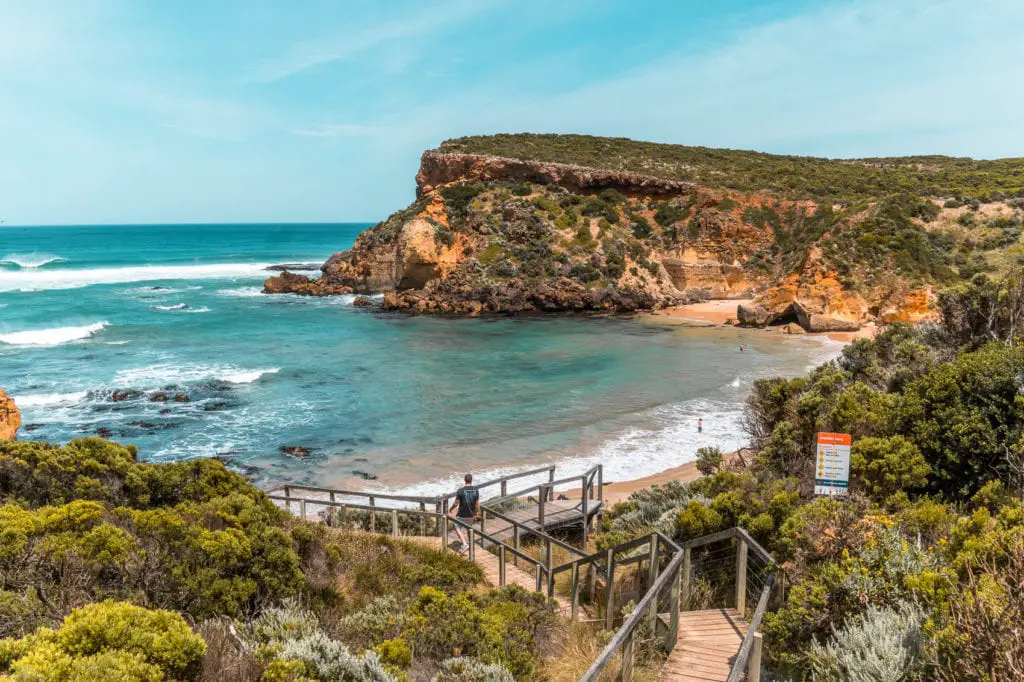
One of the best road trips in Australia is the Great Ocean Road. Over three days, you’ll hug the coastline, stop at chill seaside towns and see some of the country’s most famous natural landmarks.
Pick up a rental car – or, even better, a motorhome or campervan. Remember, we drive on the left here!
From Melbourne, head southwest. Make your first stop at Torquay, the official start of the Great Ocean Road. You can even take a surfing lesson here.
Next, stop at the famous Bells Beach – home to one of the world’s greatest surfing competitions. The drive between Anglesea and Lorne is a highlight, with its winding curves and sweeping ocean views. Stop and (carefully!) snap a photo at Memorial Arch.
Try to spot some wild koalas in the eucalyptus trees nearby (try Kennett River for the best chance), before overnighting in Apollo Bay.
On your second day, explore the Great Otway National Park. Walk to waterfalls like Hopetoun or Beauchamp Falls, or take the elevated Otway Fly Treetop Walk.
Continue west to see the showstopper: the Twelve Apostles. Try to visit at sunrise or sunset when the crowds are thinner and the limestone stacks glow.
Don’t miss Loch Ard Gorge, nearby Gibson Steps, and the other rock formations along this stretch, such as London Bridge and The Grotto, before spending the night in quiet Port Campbell.
I have a full guide to how to plan a road trip along the Great Ocean Road, as well as a list of the best things to do on the Great Ocean Road.
Where to stay on the Great Ocean Road
Depending where you decide to stop, I recommend:
- Apollo Bay: Beachside at Apollo Panorama Guest House, a villa at Point of View, or Beachcomber Motel & Apartments
- Port Campbell: The Port O’Call Motel (super stylish) or Sea Foam Villas (popular accommodation on the beach)
Days 17-18: Gariwerd (Grampians National Park)
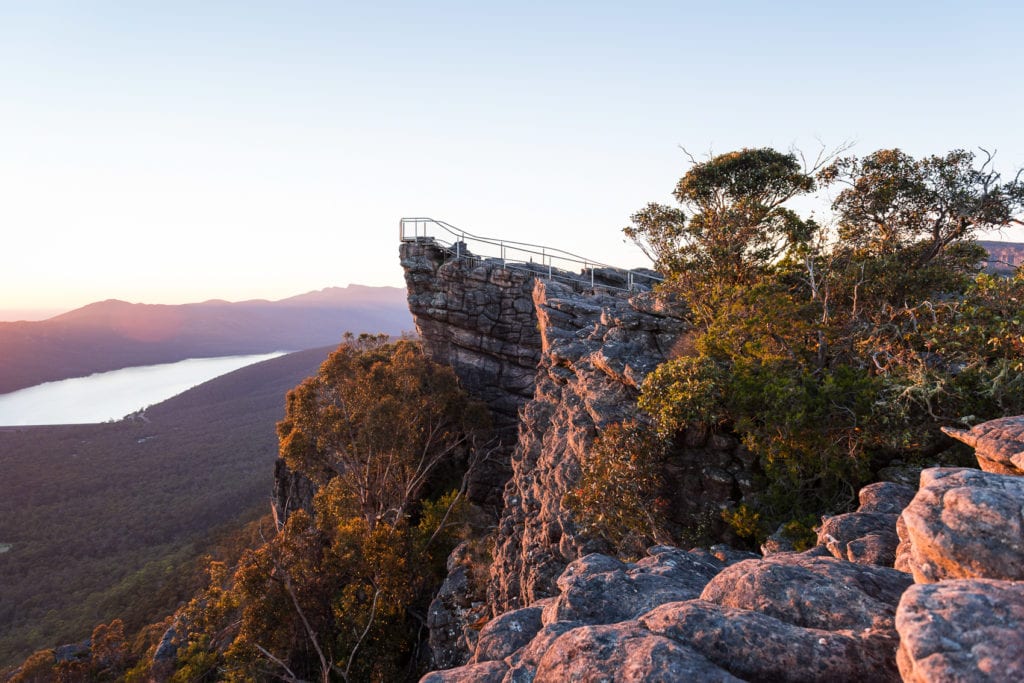
From Port Campbell, leave the coast behind and head inland to Grampians National Park, known as Gariwerd by the Traditional Owners. One of Australia’s most beautiful national parks (and that’s saying something in a country full of stunners!), this rugged mountain range known for its dramatic sandstone peaks, waterfalls and wildlife.
It’s about a three-hour drive and the change in scenery is remarkable.
Your first stop should be the Brambuk Cultural Centre, where you can learn about the Jardwadjali and Djab Wurrung peoples and the rich Aboriginal history of this area. It’s also where you can pick up the latest information about the park from the rangers, including tips on walking trails and the best viewpoints.
The Grampians is one of the best hiking destinations in Victoria, with trails for all fitness levels. Some of the best walks include:
- The Pinnacle: The park’s signature hike, with sweeping views across Halls Gap and the surrounding ranges. The easiest route is a 4.2-kilometre walk from the Sundial car park, or you can tackle the more challenging trail from the Wonderland car park
- Mackenzie Falls: A short but steep walk down to one of the largest waterfalls in Victoria. It’s slippery, so be careful going down here!
- The Balconies: A short, easy trail leading to a dramatic lookout over Victoria Valley – especially stunning at sunset.
There are also some lookouts that require minimal walking, including Boroka Lookout and Reed Lookout.
Kangaroos, emus and even echidnas are common sightings.
Where to stay in the Grampians
- Each of the Marwood Villas includes breakfast, a spa bath and a fireplace
- Halls Haven Holiday Units are great value, with each unit featuring cooking facilities and a private patio, as well as a pool on the precinct
- Choose from cabins, villas and even a safari tent at Halls Gap Lakeside Tourist Park
Days 19-22: Kangaroo Island
From the Grampians, it’s a full day of driving to reach Kangaroo Island. You’ll cross into South Australia, passing farmland and small towns before arriving at Cape Jervis for the ferry. It’s a big travel day, so start early and pack snacks.
The SeaLink ferry crosses to Penneshaw on Kangaroo Island in about 45 minutes, and you can take your hire car with you. The last ferry usually departs around 7 pm (sometimes later in peak season), so aim to arrive well before departure time.
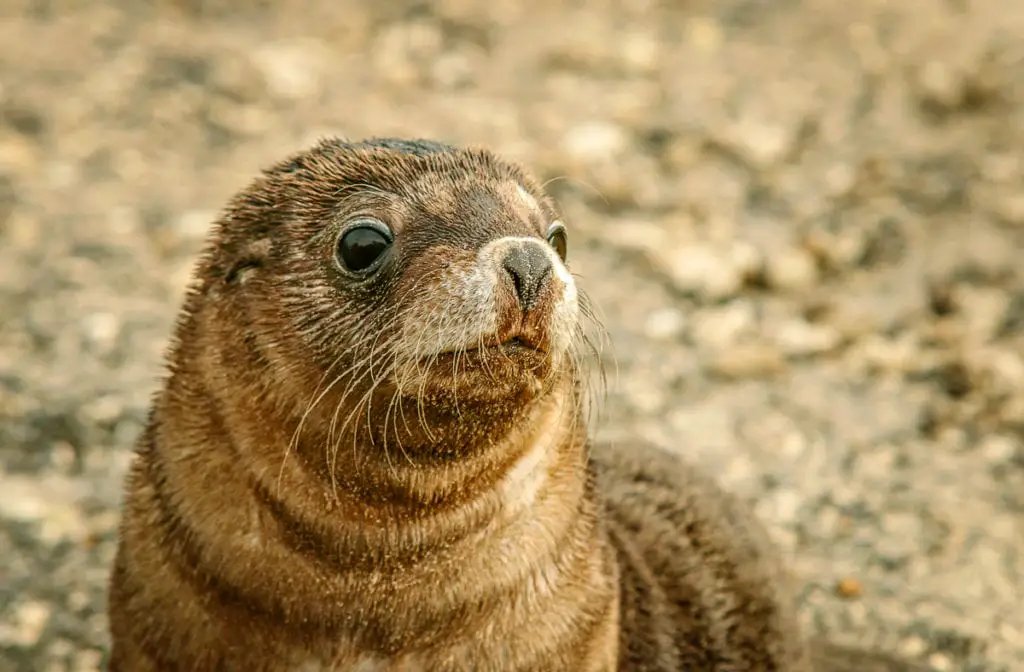
Once you’re there, slow the pace and enjoy a few days exploring this wild and beautiful island. As you would expect, Kangaroo Island is a great place to spot kangaroos, as well as koalas, echidnas and sea lions.
Make your way to Flinders Chase National Park to see the island’s most famous landmarks: the massive granite boulders of Remarkable Rocks and the dramatic archway at Admirals Arch, where fur seals laze on the rocks below. Head to Seal Bay Conservation Park for a guided walk among Australian sea lions on the beach. Or take a boat tour to spot bottlenose dolphins, sea lions and birdlife.
Spend time at Vivonne Bay, often named one of Australia’s most beautiful beaches, where turquoise water meets pure white sand.
For something a little different, visit Little Sahara to sandboard down the dunes or join a guided quad bike tour through the bush.
Between all these different adventures, follow the farm gate trail to sample the island’s produce: taste Ligurian honey, slurp down fresh oysters and sip a cocktail at Kangaroo Island Spirits. You can explore all the offerings yourself, or join a full-day tasting tour or tour the wineries on the island.
After a few days here, you’ll see why locals call it “Australia’s zoo without fences.”
Where to stay on Kangaroo Island
- The luxe Southern Ocean Lodge has reopened after it was damaged in the 2019 bushfires — this a world-class lodge with spectacular clifftop views (and the perfect place to stay when on honeymoon in Australia)
- Ozone Hotel has gorgeous, comfortable rooms, and is in a central location close to restaurants, cafes and shops
Day 23: Adelaide
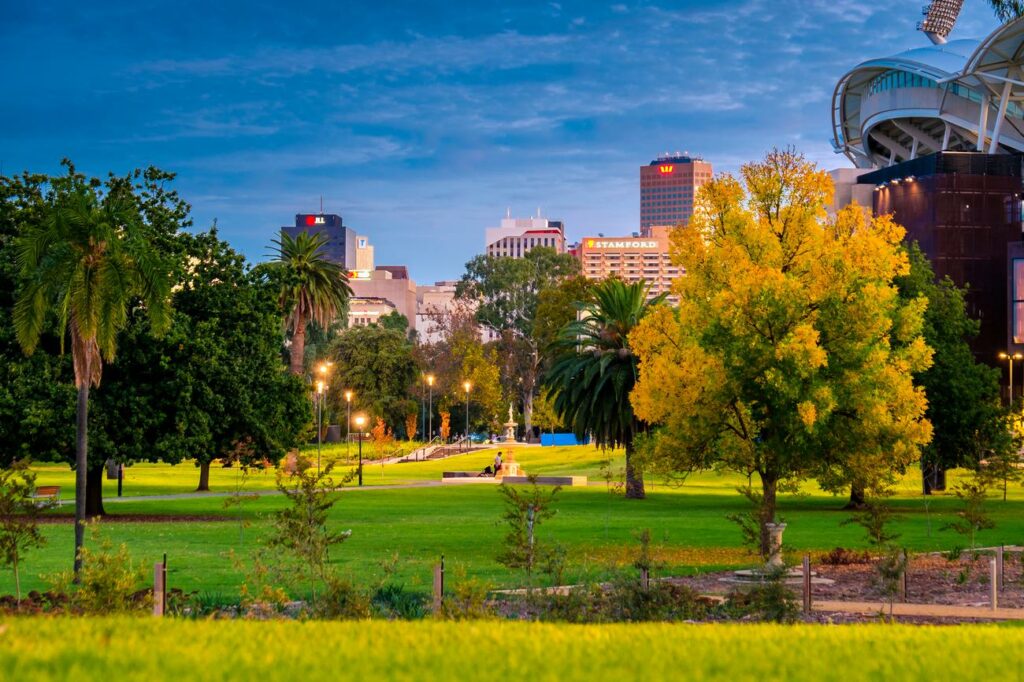
Head back on the ferry to the mainland and make the two-hour drive to the easy-going city of Adelaide, South Australia’s capital.
Spend the day exploring the city, including a trip to the bustling Central Market, where stalls overflow with fresh produce, cheeses and artisan treats. It’s the perfect place to grab pick up gourmet snacks for a picnic lunch or a light dinner.
Take a stroll along North Terrace, Adelaide’s cultural boulevard, where you can admire the city’s elegant sandstone buildings and pop into the Art Gallery of South Australia or the South Australian Museum (which is free).
If the weather’s good, the nearby Botanic Garden is a peaceful place to wander among shady avenues and glasshouses filled with exotic plants.
If you’re a wine lover, consider spending the afternoon in one of the nearby wine regions. The Barossa Valley and McLaren Vale are both within easy reach and offer world-class cellar doors and long, lazy winery lunches. McLaren Vale is actually handily located on the way from Cape Jervis to Adelaide, so this is a convenient way to fit in a few wine tastings while driving from Kangaroo Island.
Where to stay in Adelaide
- Stay in the CBD to be close to everything – the Mayfair Hotel is in a beautiful heritage-listed building
- I’m a fan of the Hotel Indigo brand and their stylish rooms; the Hotel Indigo Adelaide Markets is super close the Adelaide Central Market
Days 24-29: The Red Centre
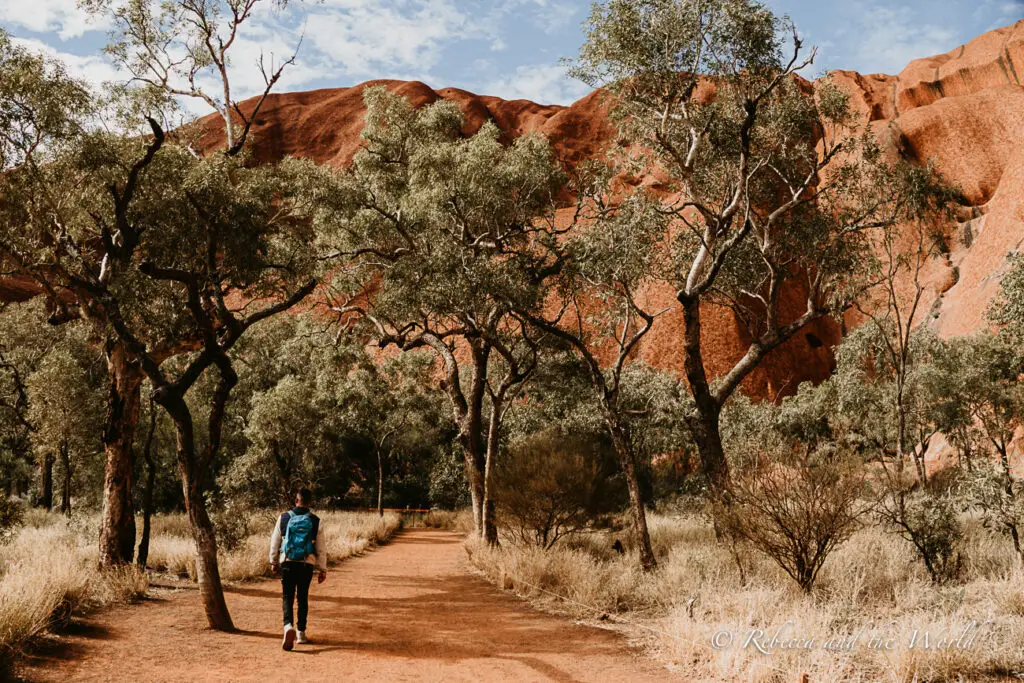
It’s now time to begin the final, unforgettable leg of your trip – the Red Centre. This is the Australia of postcards: rust-red desert, endless skies and ancient landscapes that have been sacred to the Anangu people for tens of thousands of years.
There are no direct flights from Adelaide to Yulara (the closest airport to Uluru), so you’ll need to fly to Alice Springs and rent a car there. Following my Red Centre Way road trip itinerary, you can visit with either a 2WD or a 4WD – I’d also recommend renting a motorhome or a campervan so you can camp along the way!
If you’re in a 2WD (which we were on our first visit to Uluru), hit the road immediately for the 5-hour drive from Alice to Uluru.
You could also spend a day or two exploring Alice Springs and its surrounds. The town is small but full of character, with highlights like the Alice Springs Desert Park, Telegraph Station and the local art galleries showcasing Aboriginal art.
A drive out to the West MacDonnell Ranges to swim in the (very chilly!) waterholes at Ormiston Gorge and to see the sheer red walls of Standley Chasm glow in the afternoon sun is well worth it.
There are plenty of things to do at Uluru to keep you busy for a few days. Watch the rock change colours at sunset and again at sunrise the next morning – I recommend seeing seeing both.
Walk the base of Uluru with a local guide to learn about its significance to the Anangu people, and consider booking a BBQ dinner under the stars for a spectacular experience.
Make sure you spend one of your days at Kata Tjuta (the Olgas), where the Valley of the Winds walk takes you through soaring domes and quiet valleys. I still can’t decide which of Uluru and Kata Tjuta is more beautiful.
Next, make the 3.5-hour drive to Kings Canyon/Watarrka National Park. The rim walk is one of Australia’s most rewarding hikes – it’s one of my favourite hikes in the country – taking you along the edge of the canyon with panoramic views across the desert.
If you want to see Kings Canyon from above, you can also book a 15-minute helicopter ride.
Where to stay in Alice Springs
- DoubleTree by Hilton is a 4.5-star hotel with stunning views of the MacDonnell Ranges
- Alice on Todd Apartments is ideal for those who want self-catering options
Where to stay at Uluru
I have a full Uluru accommodation guide, but here are my top picks for all budgets:
- Desert Gardens Hotel – wake up to views of Uluru
- The Lost Camel – a hotel with a bit of personality and a great pool
- Outback Hotel & Lodge – has a range of private rooms and dorms
Where to stay in Kings Canyon
- Kings Creek Station – this working cattle and camel station has camping, glamping and cabins available (make sure to try the famous camel burger!)
- Kings Canyon Resort – my pick of the (limited) options, with cabins and glamping tents available
Day 30: Departure
Your final day will depend on where you’re flying home from. If your international flight leaves from Sydney, Melbourne or Brisbane, you can often connect directly from Yulara (Ayers Rock Airport).
If you’re departing from Alice Springs, allow plenty of time to drive back from Kings Canyon – it’s about four hours – so you may want to travel the day before and spend the night in Alice Springs to make your departure stress-free.
If you’ve got a later flight, then spend some time exploring Alice Springs’ art galleries, parks and walking trails.
Don’t forget to buy travel insurance for Australia when you visit! I never travel overseas without it.
4 Weeks in Australia: Final thoughts
Spending four weeks travelling around Australia is such a special way to experience the country. This itinerary gives you a little bit of everything – big cities, wild coastlines, mountain ranges, islands teeming with wildlife and the unforgettable landscapes of the Red Centre.
Australia is a long way from just about anywhere, so if you can dedicate a full month to exploring, it’s worth it. This itinerary is, I think, quite relaxed – you could actually fit more in if you’re willing to rush through a few things.
However fast or slow you choose to do it, Australia is one spectacular country, and by the time you leave, you’ll have a real sense of just how big, beautiful and diverse it is – and probably be planning your return trip.
FAQs: 4 weeks in Australia itinerary
Is four weeks enough time to see Australia?
Australia is huge – nearly the size of the continental US – so you’ll never see everything in one trip. But four weeks is a great amount of time to see a lot. It’s long enough to cover the highlights while also slowing down in each destination.
How much does a 4-week trip to Australia cost?
Backpackers might spend around AU$150-$200 per day, while mid-range travellers can expect closer to AU$250-$400 per day. For a trip with boutique stays and a few splurges (like a harbour cruise or scenic flight at Uluru), plan for AU$500+ per day.
Do I need to rent a car?
Yes, for much of this itinerary, having your own wheels makes things easier. You’ll need a car for the Tasmania road trip, the Great Ocean Road, the Grampians and Kangaroo Island. In cities like Sydney and Melbourne you can rely on public transport and rideshares.
Can I do this trip in reverse?
Absolutely. You can start in the Red Centre and work your way toward the coast, or even begin in Adelaide or Melbourne if flights are cheaper.
When is the best time to do this itinerary?
Spring (September-November) and autumn (March-May) are ideal, with mild weather almost everywhere. Summer is great for the southern states but can be extremely hot in the Red Centre. Winter is quieter and cheaper but quite chilly in Tasmania and Victoria.
Is this itinerary suitable for kids?
Yes. Australia is family-friendly, and kids will love the wildlife spotting and educational activities.
Did you find this article helpful? Consider buying me a coffee as a way to say thanks!
Does this 4-week Australia itinerary hit the highlights you want to see?
Need help planning your Australia trip? 🇦🇺
Feeling overwhelmed about travelling to and around Australia? I offer one-on-one travel consultation calls to help you plan your trip to Australia. In an hour, we can map out a realistic itinerary (including answering questions about the Lap of Oz) or work through your specific questions so you can book an incredible trip. Save hours of your time with my local knowledge and expertise.
Read next
Before you go… you might like some more Australia travel inspiration:
- The Ultimate Australia Bucket List: 75 Epic Experiences to Have Down Under
- How to Spend 2 Weeks in Australia: Three Amazing Itinerary Options
- Australia in 3 Weeks: Three Epic Itineraries to Choose From
- Tips for Renting a Campervan in Australia + Making the Most of Your Trip!
- Epic Adelaide to Darwin Road Trip Itinerary: 15 Best Stops Along the Stuart Highway
AUSTRALIA TRIP ESSENTIALS
- Book your flight to Australia online with Skyscanner. I like this site because it shows me which dates are cheaper.
- One thing I always purchase is travel insurance! Travel Insurance Master allows you to compare across multiple policy providers, while SafetyWing is great for long-term travellers and digital nomads.
- Wise is my choice for sending and receiving money and spending money overseas (you can get a digital and physical card).
- Find a great hotel in Australia. Check prices on Booking.com and Expedia online.
- Check out the huge range of day tours throughout Australia on GetYourGuide or Viator.
- Saving money? Check out the range of free walking tours across Australia with GuruWalk (don’t forget to tip!).
- How to get around? I use DiscoverCars for car hire, or Motorhome Republic and Jucy for campervan/RV rental. For buses, trains and ferries, I use 12GO, Busbud and Omio.
- Grab an e-sim to stay connected while on the road.
- A copy of the Lonely Planet guide to Australia will be handy.
- Pack sunscreen (look for SPF50 or higher), a hat and sunglasses to protect your eyes and skin.
- Check out my Amazon shop for my fave travel items – everything from backpacks and suitcases to travel adapters and beauty products.
PIN IT FOR LATER: 4 WEEKS IN AUSTRALIA
Save this 4 weeks in Australia itinerary to Pinterest for your future travel planning!