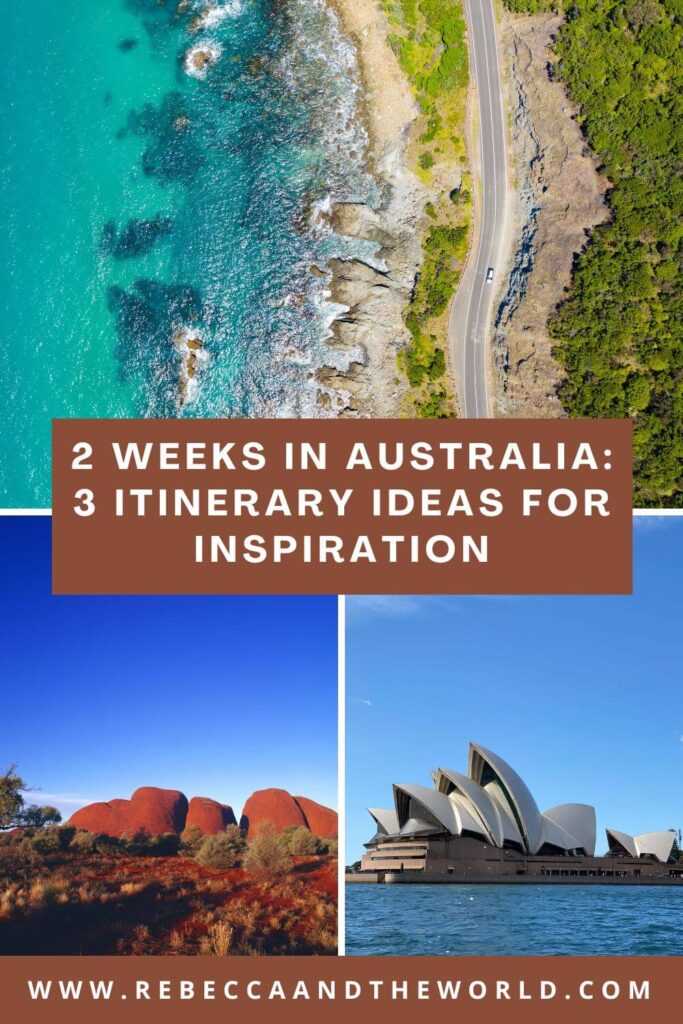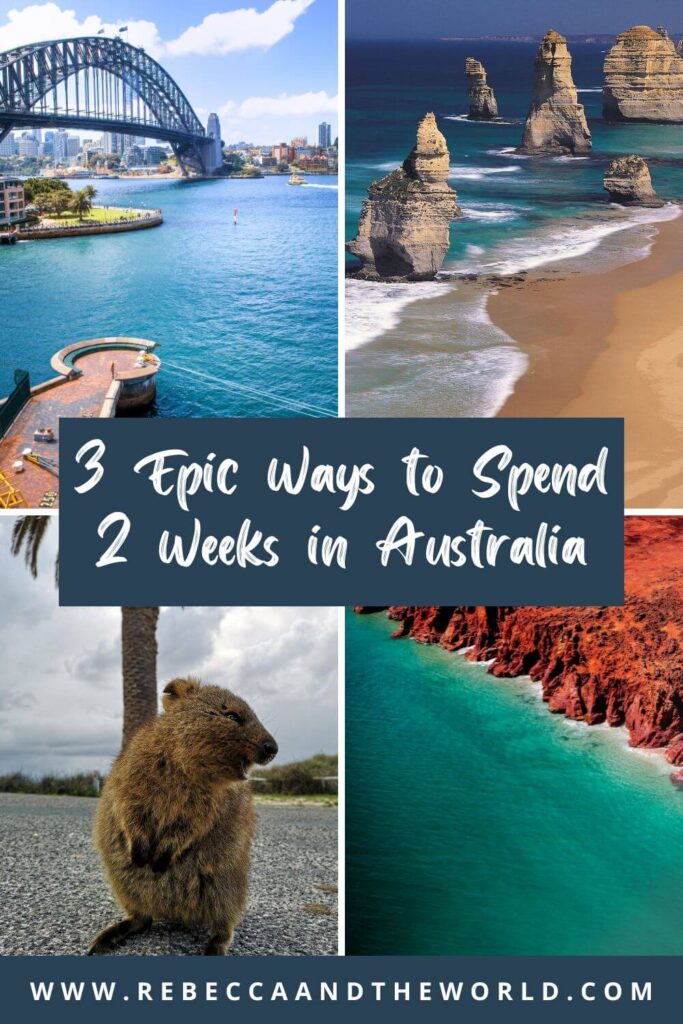

Only got two weeks in Australia? You can still fit a lot in! Here are three 2-week Australia itinerary ideas to help you plan an incredible trip.
Two weeks in Australia might not feel like much time, but you can still pack in plenty of highlights without feeling rushed – as long as you plan carefully. Australia is big (almost the size of the continental US), so it’s impossible to see it all in one trip, but with a smart itinerary you can tick off iconic cities, incredible wildlife (hello koalas!) and stunning natural wonders.
In this guide, I’ve pulled together three different two-week itineraries that cover different parts of the country.
Let’s start planning your dream trip down under!
This blog post may contain affiliate links, meaning if you book or buy something through one of these links, I may earn a small commission (at no extra cost to you).
Need help planning your Australia trip? 🇦🇺
Feeling overwhelmed about travelling to and around Australia? I offer one-on-one travel consultation calls to help you plan your trip to Australia. In an hour, we can map out a realistic itinerary (including answering questions about the Lap of Oz) or work through your specific questions so you can book an incredible trip. Save hours of your time with my local knowledge and expertise.
Two-week Australia itineraries
If you’ve got two weeks in Australia, you’ll want to focus your time on one region or a mix of highlights rather than trying to cover everything (that’s actually impossible!).
Below are three different itineraries that I think are great ways to chunk up this country.
- Option 1 is the classic East Coast journey, taking in Sydney, Brisbane, the Whitsundays and the Great Barrier Reef
- Option 2 blends big cities with the dramatic landscapes of the Red Centre and a road trip along the Great Ocean Road
- If you want to do something a little different, then Option 3 heads west for an epic Western Australia road trip. Think rugged coastlines, wineries and some of the country’s (if not the world’s) most beautiful beaches
For each, I’ve also suggested the best time to visit Australia.
Got more time in Australia? Check out my other itineraries:
- How to spend 3 weeks in Australia – with three awesome itinerary options
- How to spend 4 weeks in Australia
2 weeks in Australia: Option 1 – Classic East Coast Australia
If you’re visiting Australia for the first time, the East Coast is a fantastic starting point. This is the most populated part of Australia – around 80% of the country’s entire population live here!
This itinerary takes you from Sydney’s iconic harbour to the beautiful Queensland coast, finishing in the lush tropics of the Daintree Rainforest, hitting many of the Australian bucket list highlights. It combines big cities, island escapes and natural wonders so you get a taste of everything this country has to offer – and all within two weeks.
Best time to do this itinerary
May to September (Australia’s autumn, winter and spring). It’s dry season in the tropical north (Cairns/Daintree/Whitsundays), with little rain and lower humidity. Sydney and Brisbane are mild and pleasant (although you won’t be hitting the beaches like you would in summer!). If you tried this itinerary in summer (December to February) you’d hit the tropical wet season.
Days 1-3: Sydney
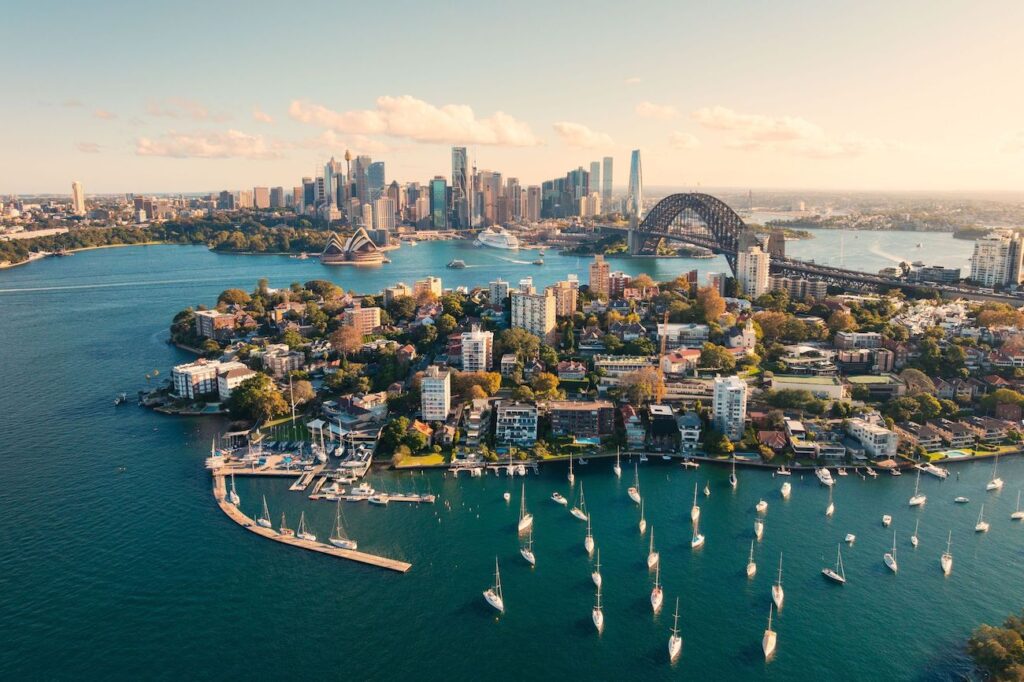
Australia’s biggest city is where most international visitors land, and it’s the perfect place to start this adventure.
There are so many things to do in Sydney and your first few days will be packed. Wander down to Circular Quay and you’ll be greeted by two of the country’s most recognisable landmarks: the Sydney Opera House and the Harbour Bridge. Take a ferry ride across to Manly or Taronga Zoo for spectacular views back across the harbour.
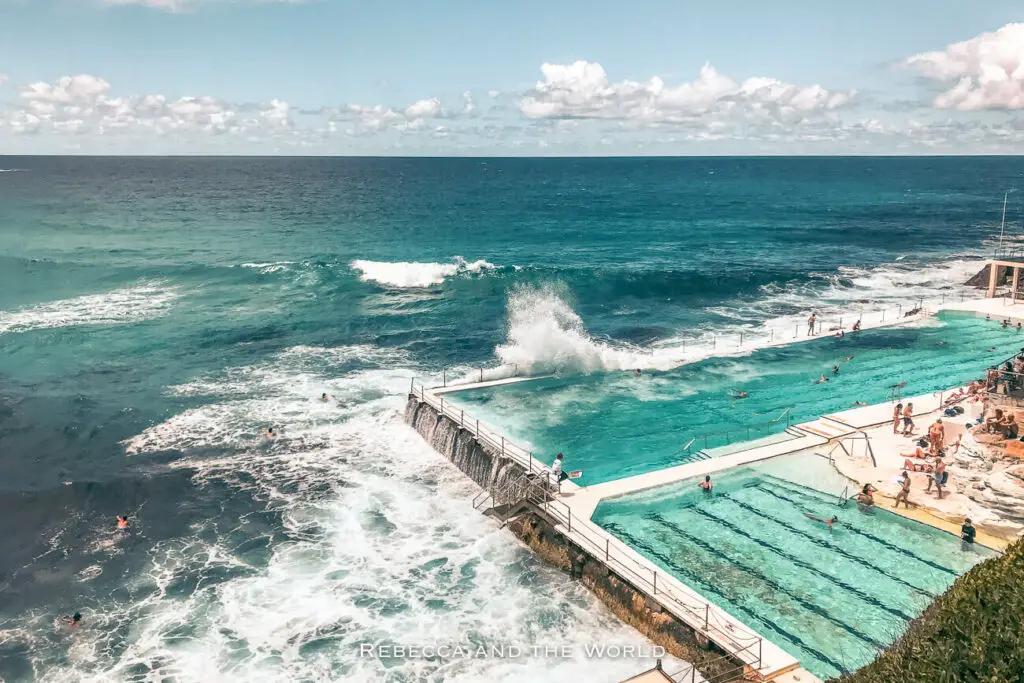
Spend time exploring Sydney’s beaches – Bondi, Coogee and Bronte are all classics. I also recommend tackling the famous Bondi to Coogee coastal walk for clifftop ocean views. This 6-kilometre trail passes through several of Sydney’s most iconic beaches and is an easy walk, with just a few steep stair sections. It does get busy on weekends so prepare the share the path with fit and tanned Sydneysiders! If you really want to live out your Aussie dreams, sign up for a Bondi surfing lesson.
Sydney is easy to get around on foot or by train or bus – but the hop-on hop-off bus is a convenient way to hit all the highlights.
On the third day, take a day trip to the Blue Mountains, a UNESCO World Heritage-listed region about two hours from Sydney. This area is known for its dramatic sandstone cliffs, eucalyptus forests and mist-filled valleys that look blue from the oil released by the trees – which is where the name comes from.
Start at Echo Point in Katoomba for the best view of the Three Sisters, a striking rock formation and one of the most photographed spots in the country. Other highlights include Wentworth Falls and a ride on the Scenic Railway (the world’s steepest passenger railway). Stop in the charming village of Leura for lunch.
You can visit the Blue Mountains by renting a car or taking public transport, but this day trip with transport makes things a whole lot easier.
Where to stay in Sydney
For convenience, look for hotels around Circular Quay or The Rocks – you’ll be close to the city’s main sights and the ferry. I also like staying around the Haymarket area. Bondi is another great option, while budget travellers have plenty of hostel options in Surry Hills or Newtown.
- Circular Quay: Harbour Rocks Hotel or the Pullman Quay Grand
- Haymarket: Meriton Suites Campbell Street
- Bondi Beach: QT Bondi
- Surry Hills: Ace Hotel or Crystalbrook Albion
Days 4-5: Brisbane

Hop on a short flight north to Brisbane, Queensland’s relaxed capital. The city’s highlight is South Bank, a riverside precinct filled with cafés, parklands and cultural institutions like GOMA (Gallery of Modern Art).
If you’re itching to see a koala or a kangaroo up close, then make time for Lone Pine Koala Sanctuary. It’s not legal in every state to touch a koala, but you can in Queensland – so this is your chance for that quintessential Aussie photo.
If you’re after more adventure, try the Story Bridge Adventure Climb, one of only three bridge climbs in the world (along with Sydney and Auckland). The guided climb takes you up the iconic steel structure to a platform 80 metres above the Brisbane River.
Where to stay in Brisbane
- The W Brisbane – a fun, colourful option right on the river
- For mid-range, check out Queen’s Wharf Apartments
Days 6-9: Whitsundays and the Great Barrier Reef
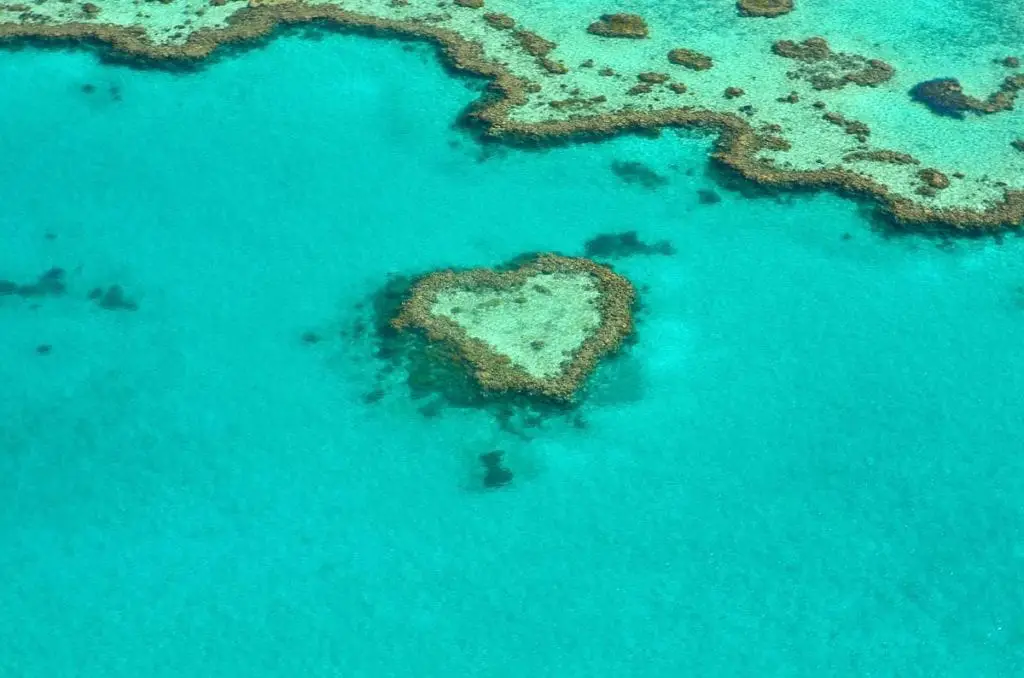
From Brisbane, fly into Airlie Beach (Proserpine Airport), the gateway to the Whitsunday Islands. This is where you’ll find out that Australia’s postcard-perfect beaches haven’t been Photoshopped.
Spend a couple of days sailing through the turquoise waters, stopping at Whitehaven Beach – consistently ranked one of the most beautiful in the world – and snorkelling with tropical fish over colourful reefs.
Book a scenic flight over Heart Reef, a naturally formed coral in the shape of a heart.
The Whitsundays are a fantastic destination if you’re planning to honeymoon in Australia.
Where to stay in the Whitsundays
For ease, stay at Airlie Beach, which is on the mainland and has plenty of restaurants, bars and tour operators. Alternatively, base yourself at one of the resorts on Hamilton Island for a more secluded stay.
- For luxury, Hamilton Island’s Qualia is world-class, or The Sundays has direct beachfront access
- Airlie Beach has plenty of options including Coral Sea Resort and Harbour Cove
Days 10-14: Cairns & the Daintree Rainforest
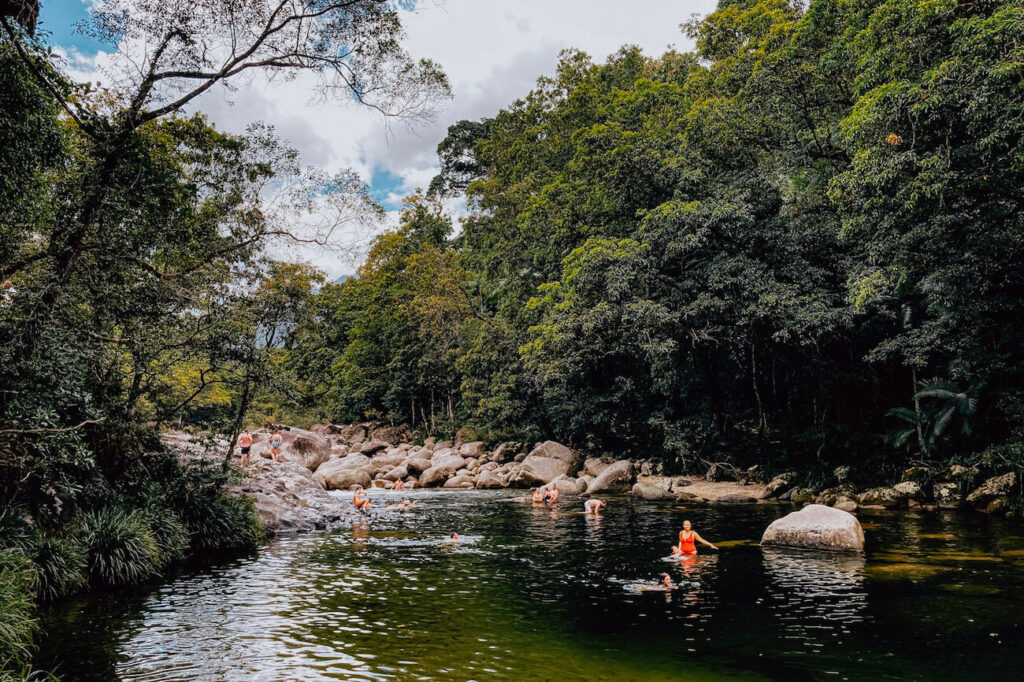
End your trip in the tropics. You can fly here from Airlie Beach but I’d recommend renting a car for the 7.5-hour drive to Cairns so you can later explore the Daintree Rainforest at your own pace.
If you didn’t get out to the Great Barrier Reef while in the Whitsundays, Cairns is another launch pad for reef tours – snorkelling, diving or even a glass-bottom boat if you’d rather stay dry.
Beyond the reef, the Atherton Tablelands is full of waterfalls and crater lakes. Spend a day chasing waterfalls on the famous Waterfall Circuit, swimming at Millaa Millaa Falls (one of the most photographed waterfalls in Australia) and attempting to spot the elusive platypus in Yungaburra (I’m yet to see a platypus in the wild!). The region is also known for its dairy farms, coffee plantations and fresh local produce, so there are plenty of options to pack a picnic for between swims. Or head up on the famous Kuranda Scenic Railway on a day trip from Cairns.
Head north to Port Douglas for a few nights. From here you can explore the Daintree Rainforest and Cape Tribulation, where “the rainforest meets the reef”.
If you prefer to base yourself in Cairns instead and just do a day trip to the Daintree, here are some great options:
- While it’s a long day, this tour is a great way experience a traditional smoke ceremony with the indigenous Kuku Yalanji people at Mossman Gorge and also take a wildlife cruise on the Daintree River
- This full-day tour includes a guided walk through the ancient Daintree Rainforest and along beaches of Cape Tribulation as well as a river cruise to spot crocodiles
Where to stay in Cairns and Port Douglas
- In Cairns, the Hilton is right on the marina, while the Mantra Trilogy has ocean view rooms
- In Port Douglas, you’ve got plenty of options, from luxe stays like the Sheraton Grand Mirage Resort to mid-range hotels and apartments like By The Sea
To finish up, fly back home from Cairns (via Sydney or Brisbane, most likely, depending on your destination).
Option 2 – Red Centre and southern highlights
I know how hard it is to decide where to go when you’ve only got two weeks in Australia – there’s just so much to see! If you want a bit of everything – iconic cities, incredible landscapes and a taste of the Outback – then this is the itinerary I’d pick.
You’ll start with Sydney’s glittering harbour, watch Uluru glow at sunrise and sunset, eat your way through Melbourne’s legendary food scene and road trip along the Great Ocean Road – one of the most scenic drives in the world. This route really does give you a little taste of everything that makes Australia special.
Best time to do this itinerary
April, May, September or October, when the Red Centre is cooler and more comfortable and it’s not the dead of winter in Sydney and Melbourne. If you don’t mind winter in the big cities (which of course means no beach time), you could also do this trip June to August for the manageable temperatures (and fewer flies) in the Red Centre.
Days 1-3: Sydney
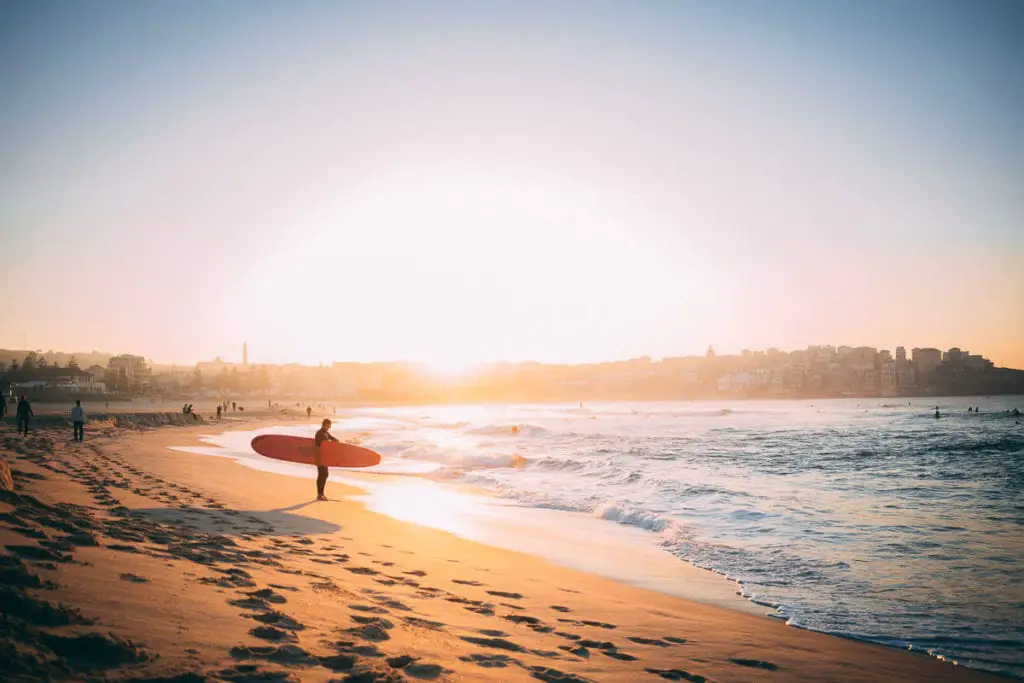
Kick things off in Sydney. Spend time exploring the harbour – whether that’s by climbing the Harbour Bridge, touring the Opera House or hopping on a ferry across to Manly.
Sydney is also about lifestyle: cafés in Surry Hills, shopping in Paddington and afternoons on Bondi Beach.
Take a day trip to the Blue Mountains for sweeping valley views and the famous Three Sisters rock formation.
Read the Sydney days 1-3 in the previous itinerary option for more ideas!
Where to stay in Sydney
- Circular Quay: Harbour Rocks Hotel or the Pullman Quay Grand
- Haymarket: Meriton Suites Campbell Street
- Bondi Beach: QT Bondi
- Surry Hills: Ace Hotel or Crystalbrook Albion
Days 4-8: Uluru
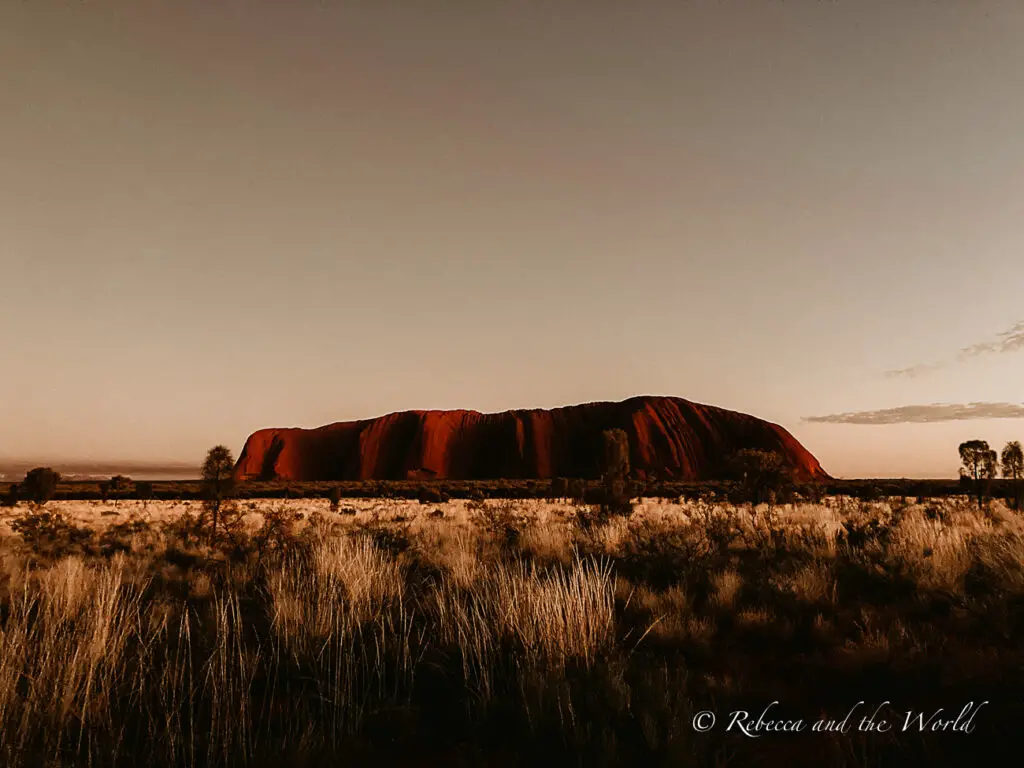
Next, fly to the Red Centre for a complete change of scenery. Fly into Uluru/ Connellan Airport and rent a car in Yulara – it’ll make it much easier to get around and explore.
Uluru (previously called Ayers Rock) is the beating heart of Australia, both spiritually and geographically. Watching the sun rise and set over the rock is an unforgettable Uluru experience, as is walking around its base with an Anangu guide to learn about its cultural significance.
Some highlights of Uluru include a BBQ dinner under the stars or taking a walk around the base of Uluru at sunrise.
Nearby, explore Kata Tjuta (the Olgas), another dramatic rock formation with excellent walking trails like the Valley of the Winds.
Since you’ve already come this far, I also recommend driving an extra 3.5 hours to to spend a night or two at Watarrka National Park/Kings Canyon, one of the most spectacular natural wonders on the Red Centre Way. The highlight here is the Rim Walk, a 6-kilometre loop that takes you along the top of the canyon for incredible views of the sheer red cliffs and the “Garden of Eden,” a lush pocket of greenery hidden deep within the gorge. This is one of my favourite hikes in all of Australia.
It’s best to start early in the morning before it gets too hot, and allow 3-4 hours to complete the walk at a relaxed pace.
Want to get an even better view of Kings Canyon? Take a scenic helicopter ride!
Don’t want to drive?
- This 3-day tour includes Uluru, Kata Tjuta and Kings Canyon, and departs from Yulara (the closest town to Uluru)
- This 3-day tour also includes Uluru, Kata Tjuta and Kings Canyon, but departs from Alice Springs
Head back to Yulara to fly to Melbourne.
Where to stay in Uluru
I have a full Uluru accommodation guide, but here are my top picks for all budgets:
- Desert Gardens Hotel – wake up to views of Uluru
- The Lost Camel – a hotel with a bit of personality and a great pool
- Outback Hotel & Lodge – has a range of private rooms and dorms
Where to stay in Kings Canyon
- Kings Canyon Resort – my pick of the (limited) options, with cabins and glamping tents available
- Kings Creek Station – this working cattle and camel station has camping, glamping and cabins available (make sure to try the famous camel burger!)
Days 9-10: Melbourne
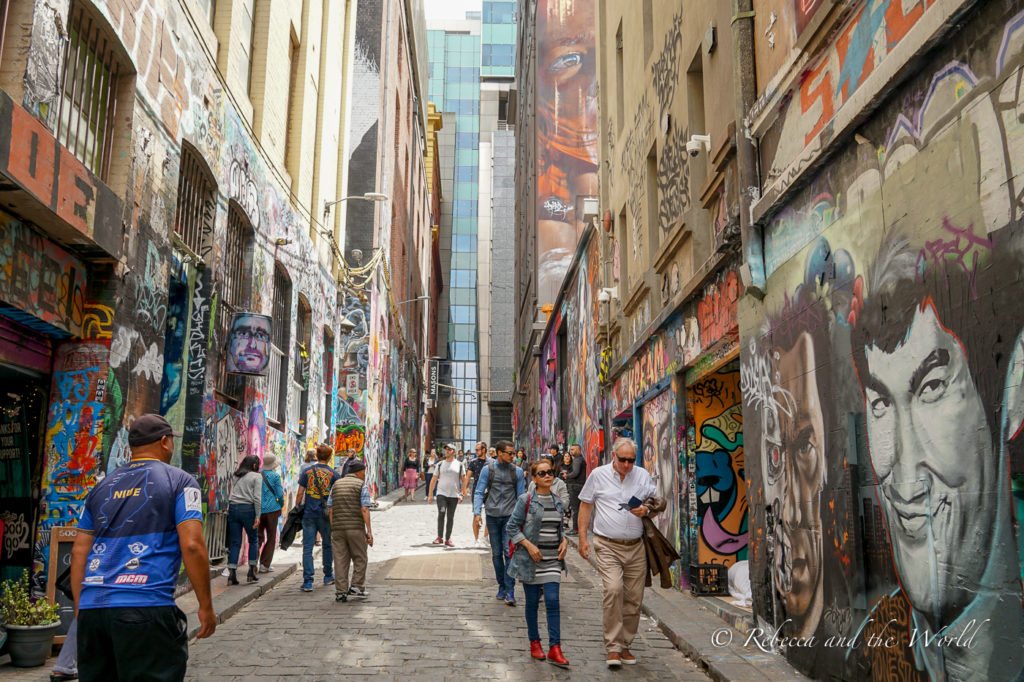
Fly south to Melbourne – my home town! Spend your time exploring laneways covered in street art, tasting world-class coffee, visiting galleries or enjoying the theatre or our live music scene. While we may not have the iconic harbour or glittering beaches like Sydney, there are plenty of things to do in Melbourne.
Foodies will love Melbourne’s dining scene – from hole-in-the-wall dumpling spots in Chinatown to high-end restaurants like Attica. I also recommend taking a Melbourne food tour to dig into how food (particularly international cuisine) has shaped the city.
You can also take some amazing day trips from Melbourne. If you’d like to experience our local wines, the Yarra Valley is an easy day trip from the city, while the Mornington Peninsula has beaches and wine.
Must-dos in Melbourne
- Take a foodie tour of the famous Queen Victoria Market
- Explore the city’s famous street art on a tour with an actual street artist
- Soar over the city on a hot air balloon ride
- Learn about Indigenous Australian culture on a walking tour of the Botanic Gardens
- Eat dumplings on a walking dumpling tour!
Where to stay in Melbourne
- Le Méridien – this 5-star gem gets ticks from me for spacious rooms, friendly service, and comfortable, modern rooms
- Ovolo Laneways – my pick of Melbourne hotels, this hotel has serious personality (and free lollies all day!)
- Brady Hotels Jones Lane – this hotel in the heart of the city is a rare find: affordable and stylish
Days 11-14: The Great Ocean Road
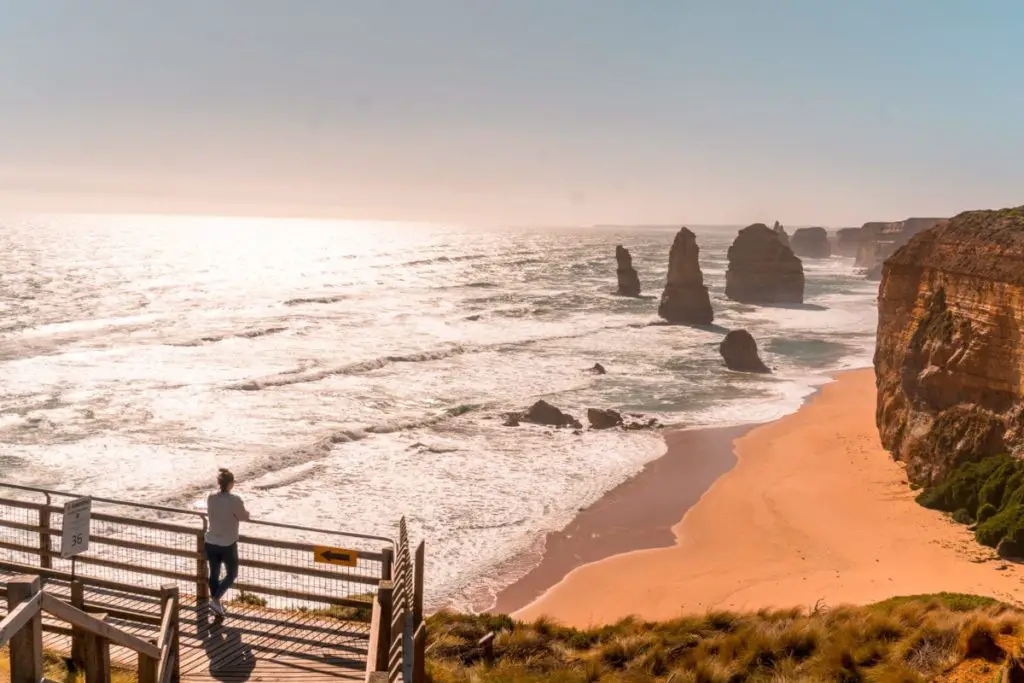
Finish your trip with one of the world’s most scenic drives. The Great Ocean Road snakes along Victoria’s coastline, delivering sweeping ocean views, dramatic cliffs and lush rainforests.
Highlights include the Twelve Apostles limestone stacks, koala spotting around Kennett River and the surf beaches of Torquay. Make time for Lorne and Apollo Bay – both laid-back coastal towns perfect for an overnight stop. Detour inland to the Otway Ranges for a rainforest walk among towering trees and waterfalls.
Rent some wheels (or even a campervan or motorhome) and follow my Great Ocean Road itinerary guide – or add a few more things from my list of the best things to do on the Great Ocean Road.
Where to stay on the Great Ocean Road
Depending where you decide to stop, I recommend:
- Apollo Bay: Beachside at Apollo Panorama Guest House, a villa at Point of View, or Beachcomber Motel & Apartments
- Port Campbell: The Port O’Call Motel (super stylish) or Sea Foam Villas (popular accommodation on the beach)
Option 3 – Epic Western Australia road trip
The first two itineraries focused on Australia’s beautiful east coast – but if you’re craving something a little different, somewhere that feels a bit secret and untouched, Western Australia is calling. It’s a part of the country that many visitors skip, which means you’ll be able to brag about exploring places most of your friends haven’t even heard of.
WA is huge (seriously, it takes up a third of the country), so two weeks isn’t enough to see it all, but this itinerary gives you a perfect sampler. You’ll sip world-class wine in Margaret River, road trip past rugged southern cliffs and finish on beaches so white they squeak under your feet. This is one of the best road trips in Australia.
There are direct flights to Perth from all major capital cities, so if you’re coming from North or South America, you’ll need to stop over. Qantas has a direct flight from London to Perth (a whopping 17.5-hour non-stop journey!) as well as from Paris and Rome, or you can transit in major hubs like Dubai, Doha or Singapore.
Best time to do this itinerary
September to November (spring) or March to May (autumn) are great times to visit south-west Western Australia. Temperatures are warm but not scorching, wildflowers bloom in spring and the coastlines are stunning. You could also do this in summer (December to February) but it can be very hot – and busy with other tourists.
Days 1-3: Perth

Start your journey in Perth, a city that doesn’t get the kudos it deserves for its burgeoning food scene, wide beaches and easy-going lifestyle.
I recommend renting a car while in Perth – it’ll make it easier to get around and you’ll also need your own wheels for the next part of the itinerary. You could even rent a campervan for the ultimate Aussie road trip!
Spend your first day getting your bearings – stroll along Elizabeth Quay, where public art and waterfront restaurants line the Swan River, or head up to Kings Park for sweeping city views and a wander through one of the world’s largest inner-city parks.
Perth is a city that loves the outdoors, so make time for Cottesloe Beach to swim or watch one of its famous Indian Ocean sunsets. I love bringing a picnic here at any time of the day. Scarborough Beach is another favourite of mine – with lots of sand and grassy areas to plant yourself for a few hours.
Fremantle is Perth’s cool spot and a must visit area. Its streets are lined with heritage buildings and microbreweries, and the indoor Fremantle Market is a great place to taste fresh local produce. The café culture here is strong – grab a flat white and people-watch before visiting Fremantle Prison, a UNESCO World Heritage-listed site that offers fascinating tours.
Want to learn more about Fremantle’s history? This 2-hour tour is a great insight into both Indigenous history and the colonial past
For a day trip from Perth, nothing beats hopping on the ferry to Rottnest Island to spot the adorable and friendly resident quokkas.
Where to stay in Perth
- Stay central at QT Perth or the boutique Alex Hotel, or base yourself by the beach at Quest Scarborough
- In Fremantle, the Hougoumont Hotel is a quirky boutique option – it’s purpose-built using sea container construction – or the Esplanade Hotel is in the heart of Fremantle
Days 4-6: Margaret River
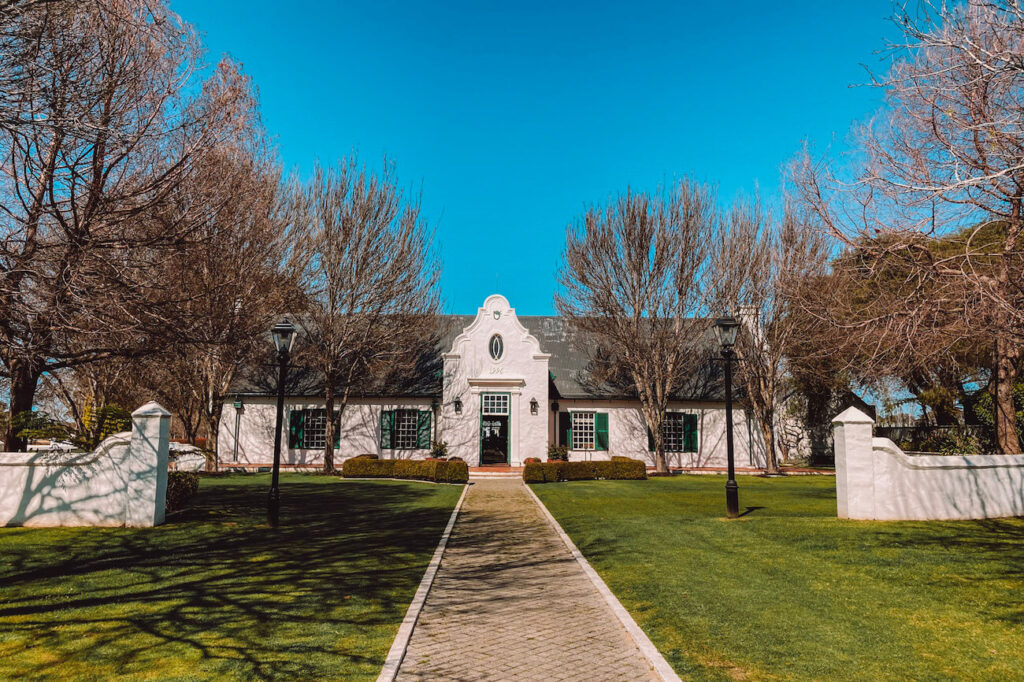
Drive south to Margaret River, a region famous for its wine, food and surf. Spend a few days hopping between award-winning wineries, tasting fresh local produce and exploring limestone caves like Jewel Cave or Mammoth Cave.
We loved wine tastings at Voyager Estate (which also has a historic building on stunning grounds), Stella Bella (laidback tastings) and Howard Park Wines – but there are dozens and dozens of cellar doors to choose from.
For beer lovers, I recommend Beer Farm, Wild Hop Brewery and Eagle Bay Brewing.
The coastline here is equally spectacular, with beaches like Surfers Point and Hamelin Bay (where stingrays glide right up to the shore).
Margaret River wine tours
Be safe and choose a wine tour instead of drinking and driving!
- Take a guided journey through the Margaret River region, stop to sample wine and get a behind-the-scenes look at the winemaking process on this full-day tour
- This wine tour focuses on Margaret River’s best boutique wineries – and features a unique blind tasting experience!
- This small-group tour adds beer and cider tastings alongside the winery visits
Where to stay in Margaret River
This area naturally has many lovely accommodation options, including vineyard cottages and boutique lodges.
- Visiting Australia for a special occasion – or just want luxury? Cape Lodge is the right choice
- Margaret River Guest House has a cosy B&B vibe with lovely hosts
Days 7-9: Albany and Denmark
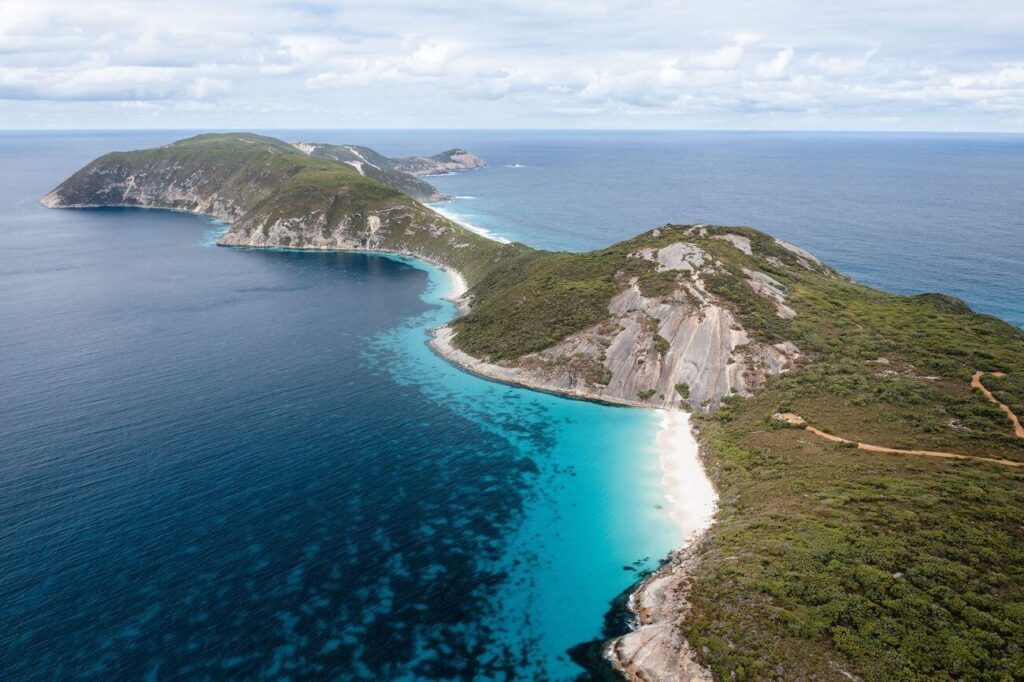
Continue four hours east to Albany, a historic town with dramatic coastal scenery. Visit Torndirrup National Park for blowholes, natural bridges and rugged cliffs.
Depending on the season (June-October), you may also spot migrating whales offshore. There are plenty of spots to see them right from the shoreline!
Nearby Denmark is known for its relaxed vibe and stunning beaches. Greens Pool and Elephant Rocks are must-visits, with turquoise waters and giant boulders creating natural swimming spots.
Where to stay in Albany and Denmark
- In Albany, consider Three Chimneys Bed and Breakfast Boutique Guest House or the self-contained apartments at Dolphin Lodge
- In Denmark, The Lodge At The Denmark Hotel or Windrose B&B are good choices
Days 10-12: Esperance

Head further east to Esperance, where some of Australia’s most beautiful beaches await.
Lucky Bay in Cape Le Grand National Park is famous for its powder-white sand and kangaroos that laze on the beach (yes, really!).
Hike Frenchman Peak for sweeping views or simply enjoy swimming in the crystal-clear waters.
Esperance also has a striking pink lake (Lake Hillier) that you can view on a scenic flight.
Where to stay in Esperance
- Esperance Chalet Village is a stylish option, with a collection of rustic chalets, cabins and shacks all individually styled
- There are also plenty of caravan parks and motels for budget-conscious travellers, like Clearwater Motel Apartments
Days 13-14: Return to Perth (via Wave Rock)
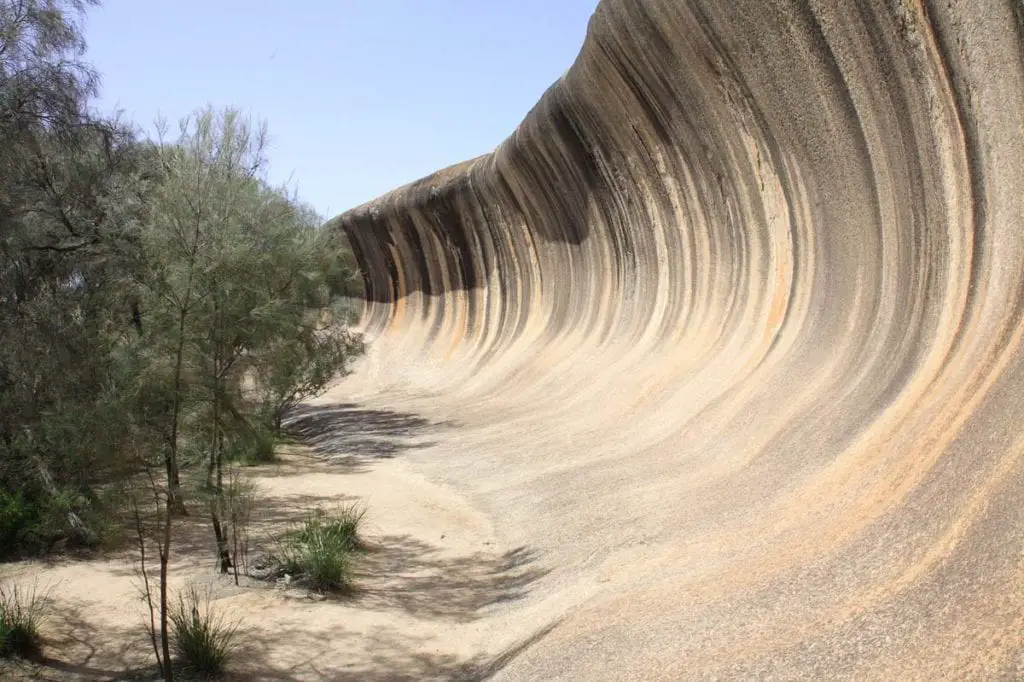
Begin the long drive back to Perth, breaking up the journey with a stop at Wave Rock, a natural granite formation shaped like a giant wave. It’s a quirky photo stop and a good way to break up the kilometres.
Spend your final night in Perth enjoying a rooftop bar or sunset over the Indian Ocean.
Don’t forget travel insurance for Australia! I never leave home without buying it.
Two weeks in Australia: Final thoughts
Two weeks in Australia goes by quickly – but if you plan it right, you’ll come away having seen a mix of cities, beaches and stunning landscapes. Whether you choose the East Coast’s tropical vibes, the dramatic desert of the Red Centre or the remote beauty of Western Australia, you’ll get a true taste of what makes this country so special.
And if you finish your trip wishing you had more time? Well, that’s just the perfect excuse to come back for a longer adventure next time.
FAQs: 2 weeks in Australia
Is two weeks enough time to see Australia?
Two weeks isn’t enough to see all of Australia (it’s nearly the size of the continental US!), but it’s definitely enough to experience a good mix of highlights. The key is to focus on one region or a well-planned route rather than trying to see everything.
What is the best way to get around Australia in two weeks?
Flying is usually the most time-efficient way to get between cities – Australia is big and distances can be vast. Once you’re in each destination, public transport, rental cars or guided tours work well depending on your comfort level and budget. For road trip-heavy itineraries (like Western Australia or the Great Ocean Road), I recommend hiring a car or campervan.
How much does a 2-week trip to Australia cost?
It really depends on your travel style, but as a rough guide, budget travellers might spend AUD $150-$200 per day, mid-range travellers around $250-$400 per day and luxury travellers $500+ per day. This includes accommodation, meals, transport and activities. Flights to and within Australia will be an additional cost.
What’s the best time of year to visit Australia for two weeks?
Australia is a year-round destination, but the “best” time depends on where you’re going. For the tropical north (Cairns, Daintree, Whitsundays), visit in the dry season between May and September. For the Red Centre (Uluru, Kings Canyon), aim for April-May or September-October for cooler days. For cities like Sydney and Melbourne, spring (September-November) and autumn (March-May) are ideal.
Do I need a visa to visit Australia?
Most travellers do need a visa or Electronic Travel Authority (ETA) to enter Australia. These are usually easy to apply for online and are approved quickly, but always check the latest entry requirements well before your trip.
Can I see wildlife on a 2-week Australia trip?
Absolutely! All three itineraries include opportunities to spot kangaroos, koalas and plenty of birds.
Did you find this article helpful? Consider buying me a coffee as a way to say thanks!
Which one of these two weeks in Australia itineraries is your favourite?
Need help planning your Australia trip? 🇦🇺
Feeling overwhelmed about travelling to and around Australia? I offer one-on-one travel consultation calls to help you plan your trip to Australia. In an hour, we can map out a realistic itinerary (including answering questions about the Lap of Oz) or work through your specific questions so you can book an incredible trip. Save hours of your time with my local knowledge and expertise.
Read next
Before you go… you might like some more Australia travel inspiration:
- The Ultimate Australia Bucket List: 75 Epic Experiences to Have Down Under
- Australia in 3 Weeks: Three Epic Itineraries to Choose From
- Planning 4 Weeks in Australia? Here’s Exactly Where to Go
- Epic Adelaide to Darwin Road Trip Itinerary: 15 Best Stops Along the Stuart Highway
- Tips for Renting a Campervan in Australia + Making the Most of Your Trip!
AUSTRALIA TRIP ESSENTIALS
- Book your flight to Australia online with Skyscanner. I like this site because it shows me which dates are cheaper.
- One thing I always purchase is travel insurance! Travel Insurance Master allows you to compare across multiple policy providers, while SafetyWing is great for long-term travellers and digital nomads.
- Wise is my choice for sending and receiving money and spending money overseas (you can get a digital and physical card).
- Find a great hotel in Australia. Check prices on Booking.com and Expedia online.
- Check out the huge range of day tours throughout Australia on GetYourGuide or Viator.
- Saving money? Check out the range of free walking tours across Australia with GuruWalk (don’t forget to tip!).
- How to get around? I use DiscoverCars for car hire, or Motorhome Republic and Jucy for campervan/RV rental. For buses, trains and ferries, I use 12GO, Busbud and Omio.
- Grab an e-sim to stay connected while on the road.
- A copy of the Lonely Planet guide to Australia will be handy.
- Pack sunscreen (look for SPF50 or higher), a hat and sunglasses to protect your eyes and skin.
- Check out my Amazon shop for my fave travel items – everything from backpacks and suitcases to travel adapters and beauty products.
2 WEEKS IN AUSTRALIA: PIN IT FOR LATER
Save these 2-week Australia itinerary ideas to Pinterest for your travel planning later!