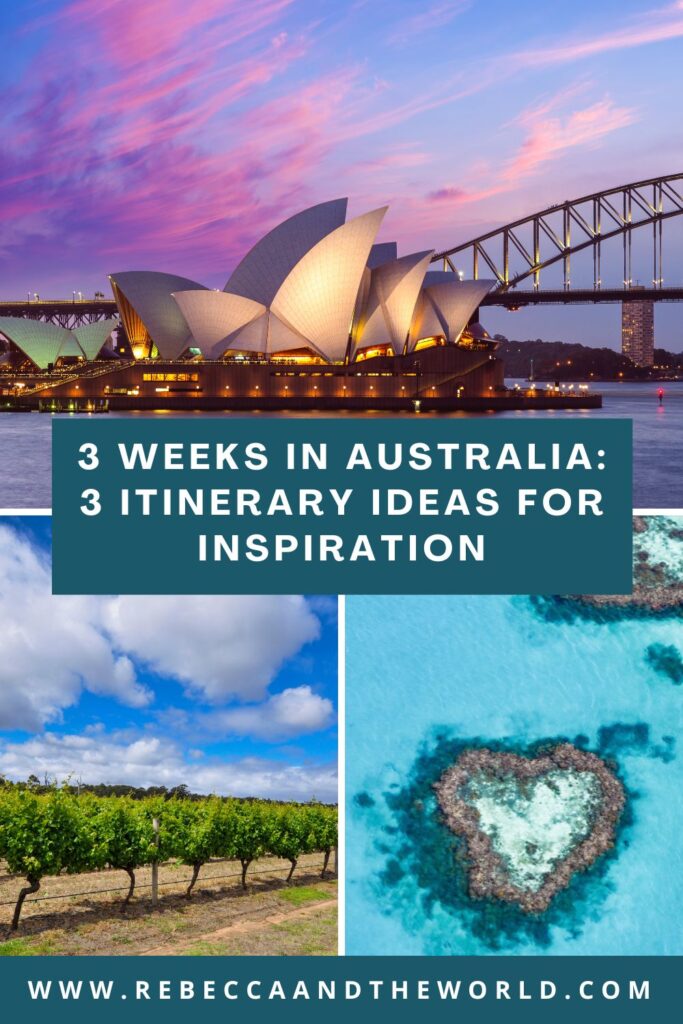

Got 3 weeks in Australia? This is a great amount of time to see the country – and my itinerary ideas can help!
Australia is a long way from just about everywhere. If you’re making the journey Down Under, you want to make it count – and three weeks is the sweet spot. It’s long enough to see more than just the highlights, but not so long that you need to quit your job to make it happen.
With three weeks to play with, you can slow the pace and explore a mix of cities, coastlines and outback landscapes. You can tick off bucket-list experiences like watching the sun set over Uluru, snorkelling on the Great Barrier Reef and driving the Great Ocean Road – and still have time to linger over a flat white in Melbourne’s laneways or spend lazy afternoons on Byron Bay’s beaches.
In this guide, I’ve put together three incredible 3-week Australia itineraries: one for road-trippers who want to hug the east coast, one that hits the country’s most famous icons and one for adventurous travellers chasing something a little different.
So, here are my recommendations for how to plan a 3-week Australia itinerary. Which one will you choose?!
This blog post may contain affiliate links, meaning if you book or buy something through one of these links, I may earn a small commission (at no extra cost to you).
Need help planning your Australia trip? 🇦🇺
Feeling overwhelmed about travelling to and around Australia? I offer one-on-one travel consultation calls to help you plan your trip to Australia. In an hour, we can map out a realistic itinerary (including answering questions about the Lap of Oz) or work through your specific questions so you can book an incredible trip. Save hours of your time with my local knowledge and expertise.
3 weeks in Australia: The itineraries at a glance
Before we dive into the day-by-day breakdowns, here’s a quick look at each itinerary:
- East Coast Highlights – Explore Australia’s most popular coast: take a road trip from Sydney to Cairns, hitting major cities, small beach towns, the Great Barrier Reef and the ancient Daintree Rainforest.
- Iconic Australia – A “greatest hits” route featuring Sydney, Uluru and Kata Tjuta in the Red Centre, Melbourne’s laneways, the Great Ocean Road and a tropical finale at the Great Barrier Reef. Ideal for first-time visitors.
- Wild West + Top End Adventure – A combination of rugged road tripping through Western Australia (Perth and the famous WA wine region) and a loop through the Northern Territory’s Top End with waterfalls, wetlands and Aboriginal culture.
For each itinerary, I’ve included when to visit Australia to make the most of the trip.
Got more or less time in Australia? Check out my other itineraries:
- How to spend 2 weeks in Australia – with three itinerary options
- How to spend 4 weeks in Australia
Three-week Australia itinerary: Option 1 – East Coast highlights
If you’ve always dreamed of doing a classic Aussie road trip, this itinerary is for you. Over three weeks you’ll start in Sydney, then make your way up the coast, stopping at beach towns, surf breaks and national parks along the way. You’ll visit Byron Bay, Brisbane and Noosa, explore K’gari, sail through the Whitsundays, and finish with the Great Barrier Reef and Daintree Rainforest.
You’ll need to rent some wheels (or a motorhome or campervan!) – which means less time in airports and more time enjoying coastal views.
Best time to do this itinerary
April/May to October, when the north (Whitsundays, Cairns, Daintree) is in dry season with comfortable temperatures. Sydney is cooler in winter but still pleasant for sightseeing and road trips. To avoid the chilliest depths of winter, April, May and October are good months to travel.
Days 1-3: Sydney
No trip to Australia is complete without a stop in Sydney. This harbour city is stunning, with sparkling blue water, world-famous beaches and a skyline dominated by two icons: the Sydney Opera House and the Sydney Harbour Bridge.
So, what to do in Sydney in a few days? Start in Circular Quay, where ferries zip across the harbour. Stroll along the waterfront to the Opera House (join a guided tour to learn about its fascinating history) and continue into the Royal Botanic Garden for unbeatable views back towards the skyline.
The neighbouring historic district of The Rocks is filled with cobblestoned laneways and both Aboriginal and convict history, as well as weekend markets.
If you’re not afraid of heights (I am!), climb the Sydney Harbour Bridge for panoramic views.
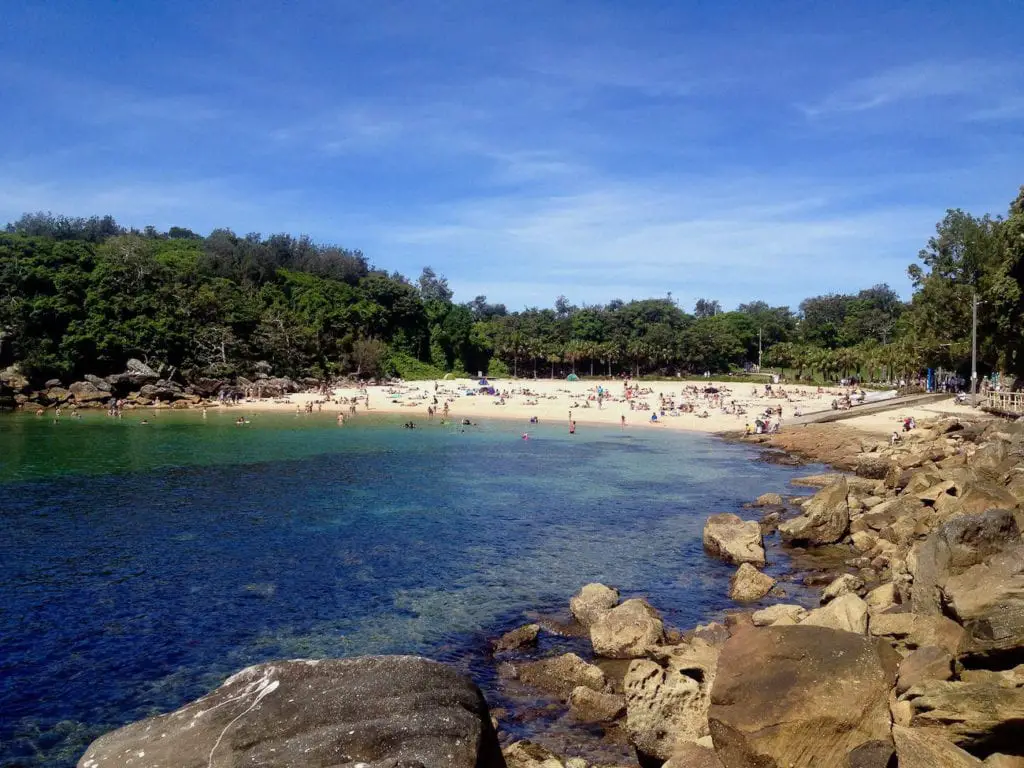
Don’t miss a ferry ride to Manly for a laid-back beach day, or hop over to Taronga Zoo for incredible views (and animal encounters) – it’s just a short ferry ride from the city centre.
Sydney is, of course, also famous for its beaches. Spend a day in Bondi, where you can take the iconic 6-kilometre Bondi to Coogee coastal walk past sandstone cliffs and turquoise bays. Or, if you want a more local feel, head to Bronte or Clovelly for a swim and a lazy afternoon at a beachside café. If you really want to live out your Aussie dreams, sign up for a Bondi surfing lesson.
Sydney is easy to get around on foot, ferry, train or bus – but the hop-on hop-off bus is a convenient way to hit all the highlights.
For a change of pace, escape the city on a day trip to the Blue Mountains. This UNESCO World Heritage-listed region is just two hours from Sydney. The Three Sisters rock formation is the most famous spot, but there are also waterfalls and eucalyptus forests to hike through – and you might even spot wild kangaroos.
You can visit the Blue Mountains by renting a car or taking public transport, but this day trip with transport makes things a whole lot easier.
Where to stay in Sydney
For convenience, look for hotels around Circular Quay or The Rocks – you’ll be close to the city’s main sights and the ferry. I also like staying around the Haymarket area. Bondi is another great option, as is Surry Hills.
- Circular Quay: Harbour Rocks Hotel or the Pullman Quay Grand
- Haymarket: Meriton Suites Campbell Street
- Bondi Beach: QT Bondi
- Surry Hills: Ace Hotel or Crystalbrook Albion
Day 4: Sydney to Port Macquarie
Today it’s time to hit the road and begin your journey north. The drive to Port Macquarie takes around 4.5-5 hours, but there are plenty of places to stop along the way to break up the trip.
Pick up your rental car (although I’d also recommend renting a motorhome or a camper van) and get ready for the road trip of a lifetime!
As you leave Sydney, follow the Pacific Motorway north through lush bushland before reaching the coastal city of Newcastle. Stretch your legs with a stroll along the Newcastle Memorial Walk, a clifftop path with sweeping views of the ocean, or dip your toes in the surf at Merewether Beach.
Back on the road, continue through rolling countryside and small towns until you reach Forster. This laid-back coastal spot is known for dolphin sightings – keep an eye out from the breakwall or stop for a quick walk along Nine Mile Beach before carrying on north.
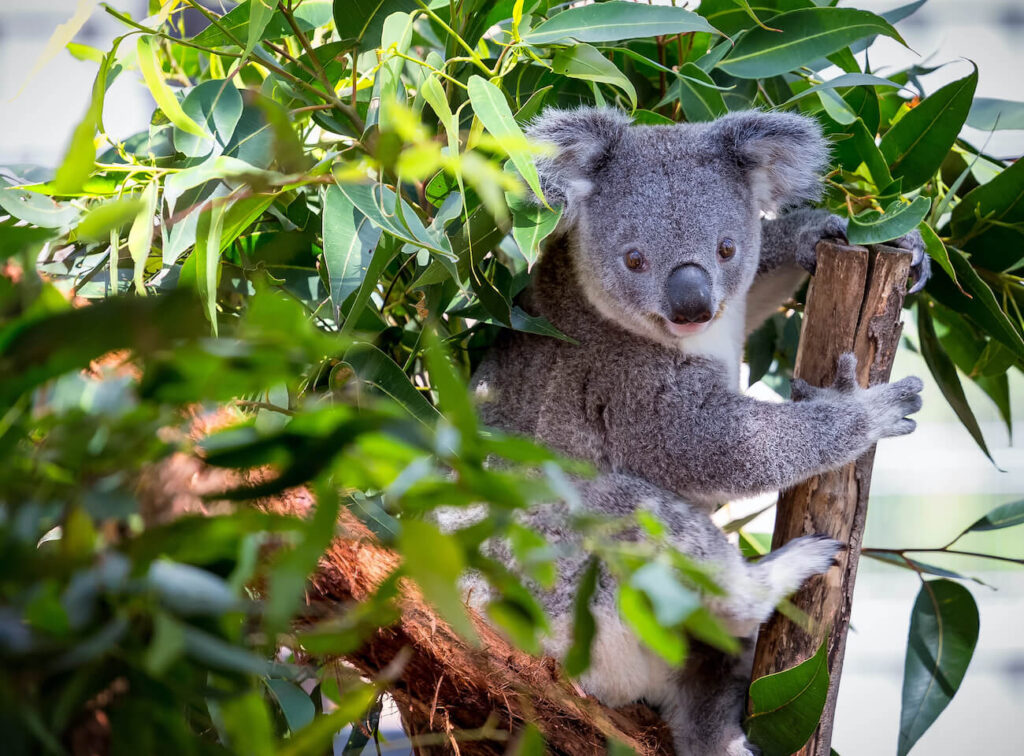
In Port Macquarie, visit the Koala Hospital, where you can learn about their work rescuing and rehabilitating sick and injured koalas. (Update: The Koala Hospital is temporarily closed for a redevelopment project, but you can still visit the koalas at their sister facility Guulabaa.)
Afterwards, take a stroll along the 9-kilometre Coastal Walk, which winds its way along the headlands and beaches. Even walking just a short section of the trail offers beautiful views and the chance to spot dolphins.
Where to stay in Port Macquarie
- The self-contained guesthouses at Salt & Sand are close to the Coastal Walk and a short stroll from the beach
- All apartments at Manta The Observatory have a patio or terrace and some have ocean views
Days 5-8: Coffs Harbour and Byron Bay
Leave Port Macquarie behind and continue north along the Pacific Highway. It’s only a couple of hours to Coffs Harbour, so take your time and enjoy the scenery.
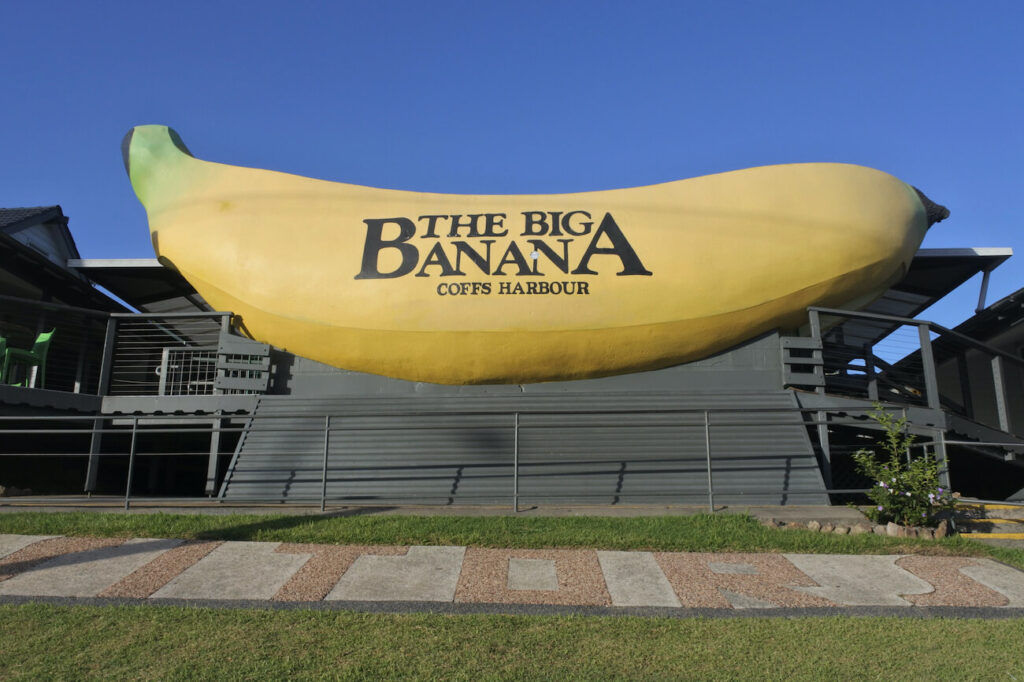
Coffs is famous for its beaches, banana plantations – and, of course, the Big Banana! Stop for a fun photo op, then explore Muttonbird Island Nature Reserve for views over the Solitary Islands Marine Park and the chance to spot migrating whales between May and November.
From Coffs Harbour it’s around three hours to Byron Bay, where you’ll settle in for a few nights. As soon as you arrive, you’ll understand why this beach town is one of Australia’s most famous destinations (for celebs too!).
Spend your first evening walking up to Cape Byron Lighthouse for sunset – this is the most easterly point of mainland Australia and the views are spectacular.
Over the next few days, explore Byron’s beaches, boutiques and hinterland. Main Beach is perfect for a morning swim, while Wategos Beach is a great spot for a picnic.
For something active, book a surf lesson and try your luck catching a wave. You can also skydive, go sea kayaking with dolphins, go whale watching, explore a cave to find glow worms, dive, snorkel with turtles or take a yoga class.
When you’re ready for a change of pace, head into the Byron hinterland. The charming village of Bangalow is full of boutiques and antique shops, and the drive to Minyon Falls in Nightcap National Park rewards you with rainforest views and a spectacular waterfall lookout.
Where to stay in Byron Bay
- The Lord Byron is close to the beach (and has a great pool), with queen rooms and 2- and 3-bed apartments
- The Balinese-style rooms at Garden Burees are something a little different – and located among gorgeous gardens
Days 9-10: Brisbane
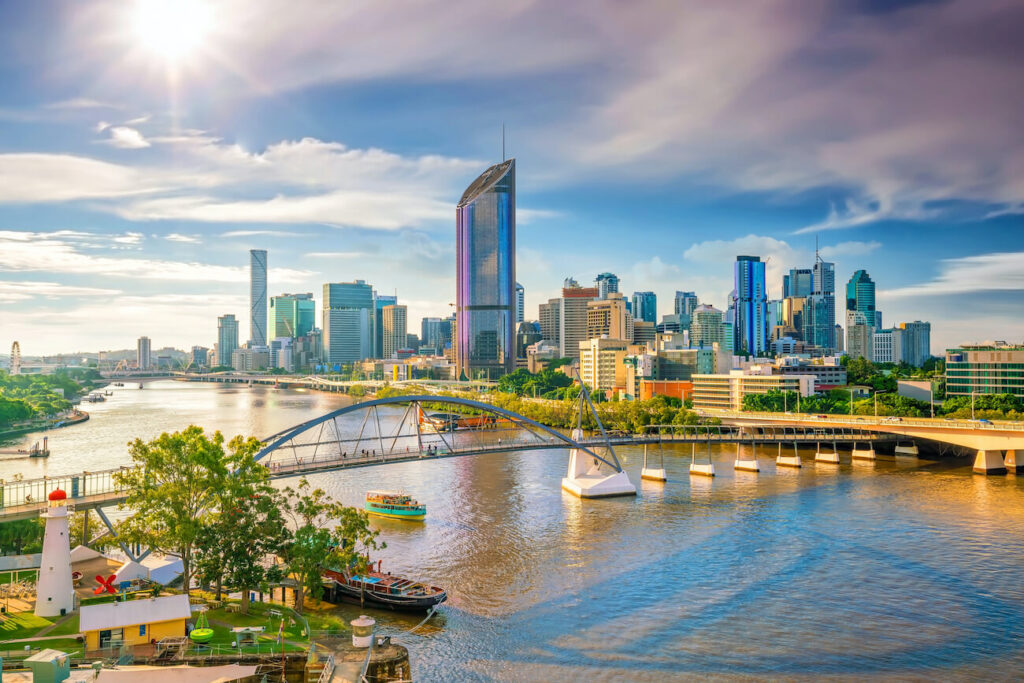
From Byron Bay, continue north to Queensland’s capital, Brisbane. While it’s no Sydney or Melbourne, Brisbane is a city that surprises many visitors with its sunny, outdoor lifestyle and vibrant cultural scene.
Start your visit in South Bank, a riverside precinct with parklands, markets and museums. Stroll along the leafy pathways, dip your toes in the man-made Streets Beach lagoon, and pop into the Queensland Art Gallery and Gallery of Modern Art (QAGOMA).
Cross the river to the CBD and explore Queen Street Mall for shopping or head to Howard Smith Wharves, where historic warehouses have been transformed into restaurants and breweries with fabulous views of the Story Bridge.
Take a cruise along the Brisbane River on a CityCat ferry to see the city from a different perspective. If you’d like to escape the city for a few hours, head up to Mount Coot-tha Lookout for panoramic views or explore the nearby Lone Pine Koala Sanctuary, where you can see (and even cuddle) koalas and kangaroos up close.
Where to stay in Brisbane
- The W Brisbane – a fun, colourful option right on the river
- For mid-range, check out Queen’s Wharf Apartments
Alternative option – the Gold Coast
If big cities aren’t your thing, you could skip Brisbane altogether and spend these two days on the Gold Coast instead. Just an hour south of Brisbane, the Gold Coast is Australia’s answer to glitzy Miami, with laid-back beach vibes and fun attractions.
Spend your mornings walking the Burleigh Headland National Park trail, which winds through pandanus forest and opens up to incredible views of the ocean and city skyline. Afternoons are perfect for swimming or surfing – this is one of the coast’s most famous breaks – followed by fish and chips at a beachfront picnic table.
If you’re travelling with kids (or are a kid at heart), the Gold Coast is also home to Australia’s best theme parks, including Dreamworld, Warner Bros. Movie World and Sea World. You can buy a multi-day pass and hit up a few.
Where to stay on the Gold Coast
Base yourself in Burleigh Heads for a more relaxed experience than bustling Surfers Paradise. Right on the beach, Cashelmara Beachfront Apartments have self-contained apartments, while the cabins at Burleigh Beach Tourist Park are great value.
Days 10-12: Hervey Bay and K’gari

Leaving Brisbane, drive about four hours north to Hervey Bay, a laid-back coastal town with calm waters and a friendly, small-town feel. It’s best known as the gateway to K’gari (Fraser Island).
If you want to see wildlife, stop along the way at Australia Zoo – the late Steve Irwin’s collection of crocodiles and cuddly things.
You’ll need to stretch after being in the car so long, so unwind along the Hervey Bay Esplanade, an almost 17-kilometre stretch of walking and cycling paths that links the town’s beaches. Walk out along the historic Urangan Pier at sunset for beautiful views and a chance to spot turtles, dolphins or rays in the shallows.
The next day, rise early for your full-day adventure to K’gari (formerly Fraser Island), the world’s largest sand island and a UNESCO World Heritage site. Most visitors join a guided 4WD tour, which takes you across the island’s sandy tracks to see its highlights.
Float down Eli Creek, a crystal-clear freshwater stream, visit the rusting hulk of the Maheno Shipwreck, and drive along the famous 75-Mile Beach highway. You’ll also have time to swim in the striking turquoise waters of Lake McKenzie, one of the most beautiful freshwater lakes in Australia.
If you’re visiting between July and October, book a whale watching cruise – Hervey Bay is one of the best places in the world to see humpback whales as they rest and play with their calves. Otherwise, rent a bike to explore more of the Esplanade or simply enjoy a lazy brunch at one of the seafront cafés before continuing north.
One evening, make sure to take a champagne sunset cruise for a special experience.
Where to stay in Hervey Bay
- Discovery Parks Hervey Bay has affordable cabins (and campsites) as well as unique safari tents
- Ingenia Holidays Hervey Bay is family-friendly, with a range of self-catering accommodations set on 8 acres of tropical gardens
- Mantra Hervey Bay is on the water, with self-contained apartments
Day 13: Hervey Bay to Rockhampton / Yeppoon
Today is a big driving day as you continue north towards Central Queensland. The journey from Hervey Bay to Rockhampton takes around five hours, so get an early start and break up the trip with a few stops along the way.
The first stretch takes you through sugarcane country and small regional towns. Stop in Childers to grab a coffee and stretch your legs – this charming heritage town has a main street lined with beautifully preserved 19th-century buildings.
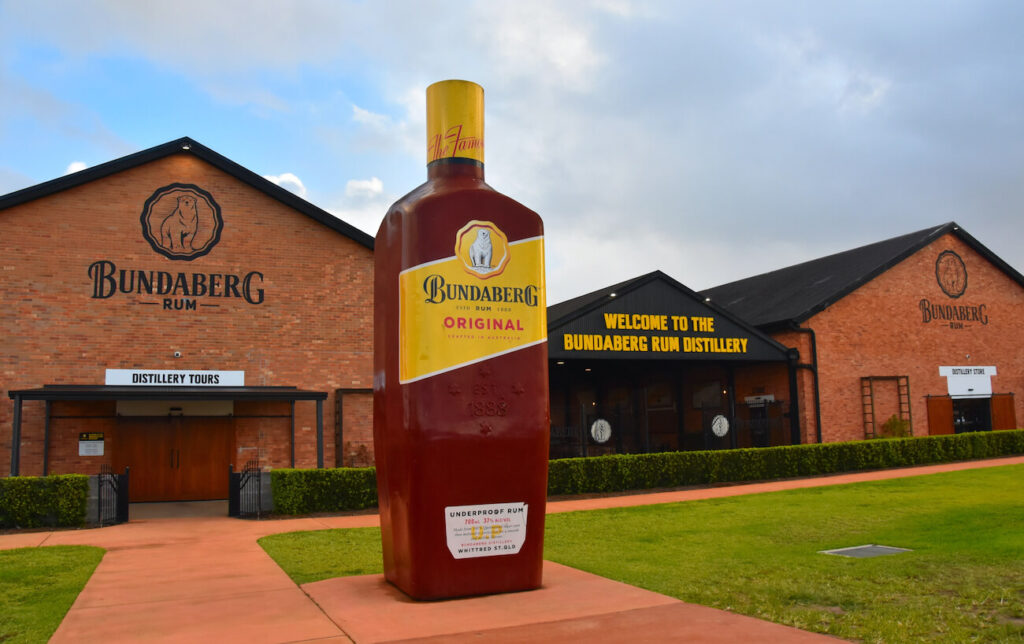
Continue north through Bundaberg, famous for its rum. If you’re keen, you can detour to the Bundaberg Rum Distillery for a tour or tasting before getting back on the road.
Arrive in Rockhampton by late afternoon. Known as Australia’s Beef Capital, Rocky, as it’s known locally, has a thriving food scene – look out for one of the many steakhouses serving locally sourced beef. It’s also got beautiful botanic gardens and historic buildings, thanks to gold being discovered nearby in the 1880s.
If you’d prefer a coastal stay, drive another 40 minutes to Yeppoon on the Capricorn Coast. Here you’ll find a relaxed beach town atmosphere, oceanfront dining and the Yeppoon Lagoon, a free infinity-edge pool overlooking the sea that’s perfect for a sunset swim.
Where to stay
- In Rockhampton, the Rockhampton Serviced Apartments and Central Park Motel both get good reviews from past guests
- In Yeppoon, Roslyn Bay Resort is right on a quiet beach, while the Yeppoon Surfside Motel has lovely bohemian-designed rooms
Day 14: Drive to Airlie Beach

It’s another big driving day today as you make your way further north to Airlie Beach, the gateway to the Whitsundays. The journey takes around five to six hours, so it’s worth leaving early to maximise your afternoon when you arrive.
After breakfast, hit the Bruce Highway and follow the road through wide-open countryside and small sugarcane towns. A good place to break up the trip is Marlborough, a classic Queensland roadhouse stop where you can grab a coffee or snack.
Continue north and make time for a stop in Bowen, about an hour before Airlie Beach. Bowen is famous for its beautiful, uncrowded beaches. Horseshoe Bay is a perfect spot for a swim or a quick snorkel if you’re keen to stretch your legs after the drive. It’s a regular on lists of the best beaches in Australia.
Arrive in Airlie Beach by mid to late afternoon. This lively little town is a favourite with travellers thanks to its tropical climate, palm-fringed beaches and buzzing backpacker vibe. Take a stroll along the Airlie Beach boardwalk, grab a drink at a waterfront bar and watch the sun set over the marina as you start to get excited about exploring the Whitsundays over the next few days.
Where to stay
For ease, stay at Airlie Beach, which is on the mainland and has plenty of restaurants, bars and tour operators. Alternatively, base yourself at one of the resorts on Hamilton Island for a more secluded stay.
- For luxury, Hamilton Island’s Qualia is world-class, or The Sundays has direct beachfront access
- Airlie Beach has plenty of options including Coral Sea Resort and Harbour Cove
Days 15-17: Whitsundays
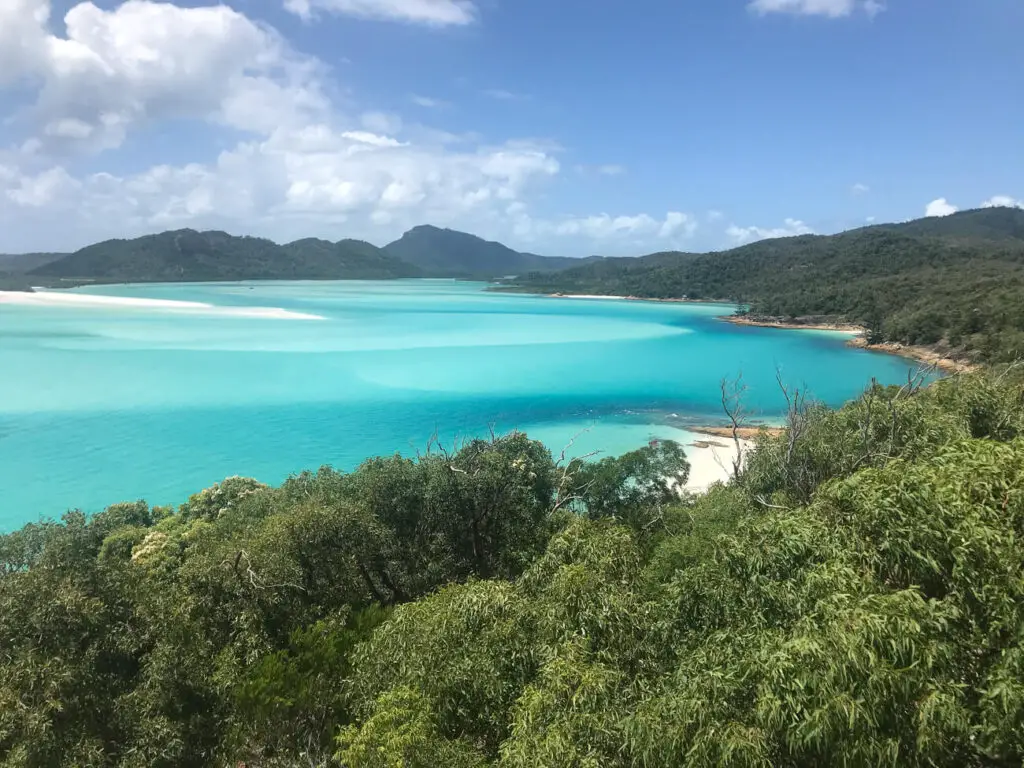
The Whitsundays are one of Australia’s most spectacular regions – 74 islands scattered like jewels across the turquoise waters of the Coral Sea – and Airlie Beach makes the perfect base for exploring them.
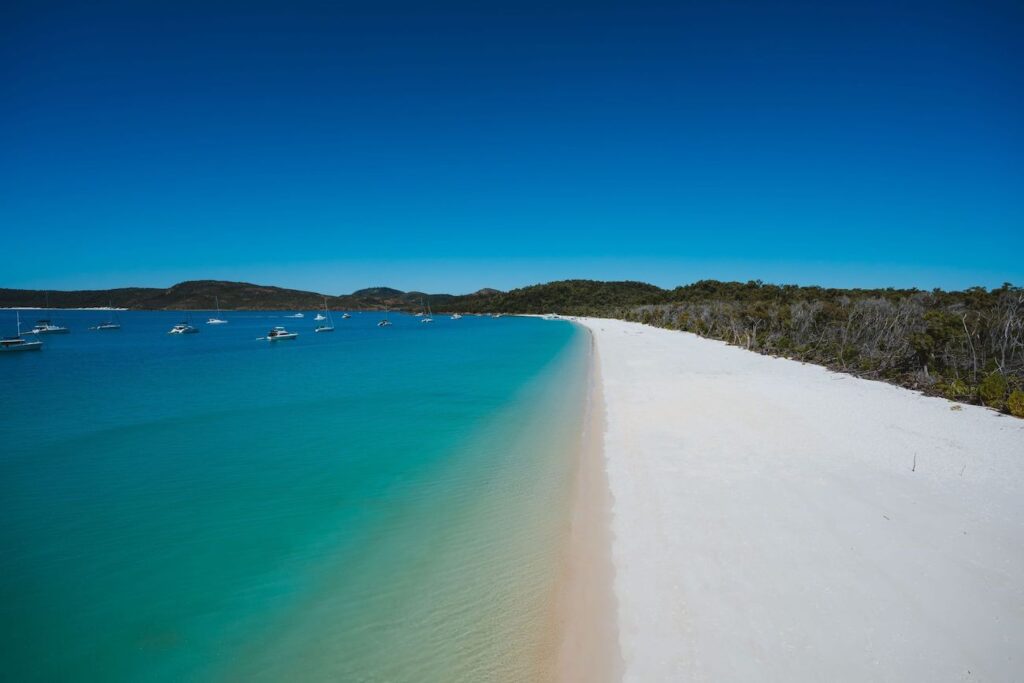
Most visitors spend at least one day out on the water, and there are plenty of options to choose from. Full-day sailing trips take you to the Whitsundays’ star attraction, Whitehaven Beach, famous for its pure white silica sand. A short walk to Hill Inlet Lookout gives you that iconic view of swirling sand and sea, while snorkelling stops along the way reveal colourful coral and schools of tropical fish.
For a once-in-a-lifetime perspective – and if the budget allows – take a scenic flight over the islands and out to Heart Reef, where you’ll see the reef’s brilliant colours and unique heart shape from above.
Back on land, spend your downtime wandering the Airlie Beach markets, strolling the Bicentennial Boardwalk to nearby Cannonvale or heading inland to Conway National Park for rainforest walks and lookouts over the islands.
Day 18: Airlie Beach to Cairns
Today is one of the longest drives of the trip – around eight hours from Airlie Beach to Cairns – but it’s also one of the most scenic, with plenty of places to stop and stretch your legs along the way.
Leave Airlie Beach after an early breakfast and follow the Bruce Highway north. Your first major stop is Townsville, around three hours away. If you have time, take the short ferry ride to Magnetic Island for a half-day adventure. The island is known for its secluded beaches and koala sightings on the Forts Walk. If you’re on a tighter schedule, grab a coffee at one of Townsville’s waterfront cafés and continue north.
Further along the drive, detour to Wallaman Falls, Australia’s highest single-drop waterfall, for a short hike and some incredible photos.
Otherwise, aim for Mission Beach as your next stop. This palm-fringed stretch of sand is perfect for a late-afternoon swim or a simple picnic on the beach.
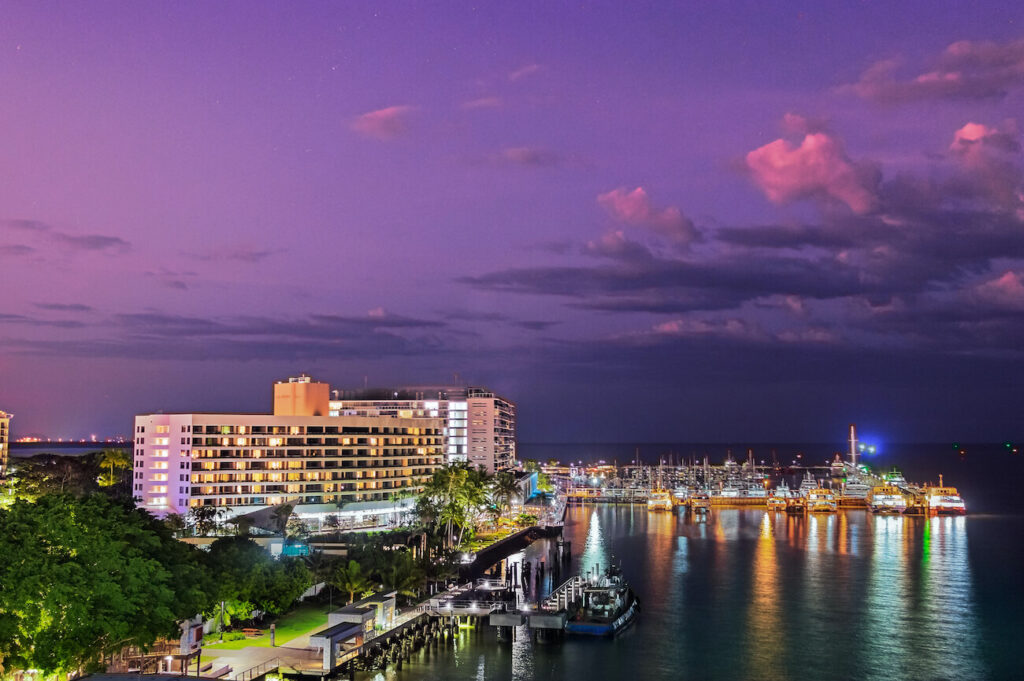
Arrive in Cairns by evening and settle into your accommodation. Take a stroll along the Cairns Esplanade and eat dinner at one of the many outdoor restaurants before turning in for a well-earned night’s sleep.
Days 19-21: Cairns, Great Barrier Reef and Daintree Rainforest
The tropical north is where rainforest meets reef, and it’s the perfect finale to a three-week Australia trip. Base yourself in Cairns or head an hour north to the more relaxed town of Port Douglas, where palm-fringed Four Mile Beach makes a dreamy backdrop for sunset strolls.
No visit here is complete without time on the Great Barrier Reef. Choose from a range of day trips – fast catamarans that take you to outer reef pontoons for snorkelling or smaller sailing boats for a more intimate experience. You’ll spend the day swimming among bright coral gardens, spotting clownfish and turtles, and soaking up the magic of one of the world’s natural wonders.
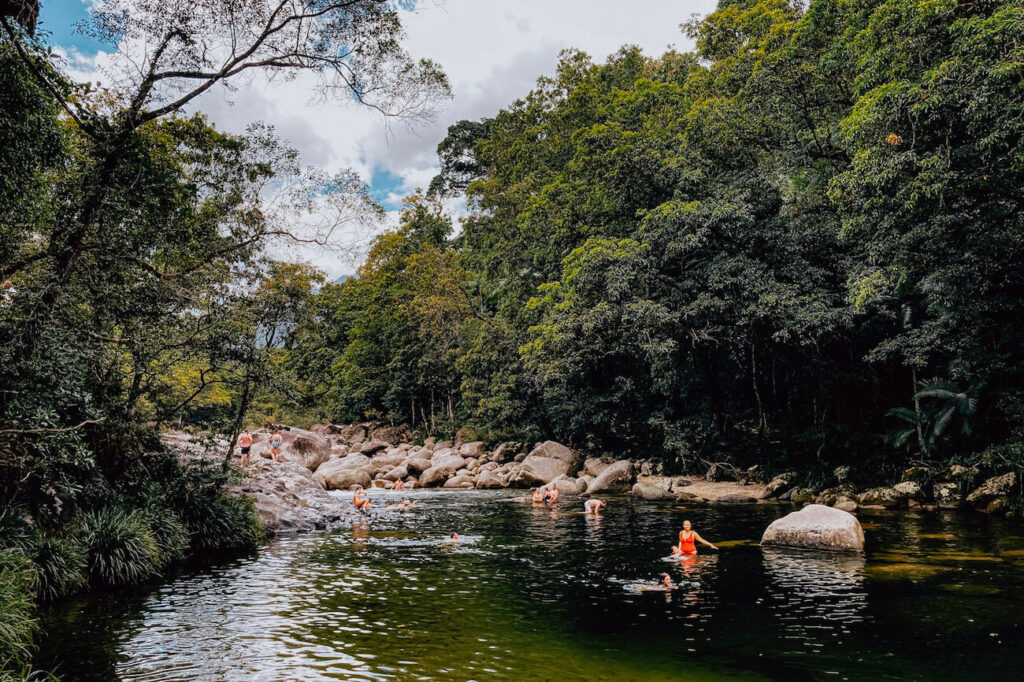
Back on land, take a day to explore the Daintree Rainforest and Cape Tribulation, where lush greenery meets the sparkling Coral Sea. Cruise the Daintree River to spot crocodiles and wander boardwalks under ancient fan palms.
Head inland to the Atherton Tablelands to chase waterfalls like Millaa Millaa, explore volcanic crater lakes and sample local coffee and tropical fruit. Spend a day riding the Kuranda Scenic Railway up into the rainforest-clad hills and return on the Skyrail Rainforest Cableway, gliding silently over the canopy.
Here are some great options for day trips from Cairns to the Daintree Rainforest:
- While it’s a long day, this tour is a great way experience a traditional smoke ceremony with the indigenous Kuku Yalanji people at Mossman Gorge and also take a wildlife cruise on the Daintree River
- This full-day tour includes a guided walk through the ancient Daintree Rainforest and along beaches of Cape Tribulation as well as a river cruise to spot crocodiles
Where to stay in Cairns and Port Douglas
- In Cairns, the Hilton is right on the marina, while the Mantra Trilogy has ocean view rooms
- In Port Douglas, you’ve got plenty of options, from luxe stays like the Sheraton Grand Mirage Resort to mid-range hotels and apartments like By The Sea
Option 2 – City, Outback and Reef Combo
If you want to see the big icons of Australia – Sydney, Uluru, Melbourne, the Great Ocean Road and the Great Barrier Reef – this is the three-week trip for you. You’ll get cities, coastlines, desert landscapes and two UNESCO World Heritage sites in one itinerary.
This route is perfect for first-time visitors who want to tick off the “Australia bucket list” sights. You’ll get a taste of city life, Outback adventure and tropical paradise – a true snapshot of Australia’s diversity.
Best time to do this itinerary
The City, Outback and Reef combo is ideal in the shoulder seasons – April to May and October to November. You’ll still get pleasant weather in Sydney and Melbourne, good conditions for hiking in the Red Centre (although check for rain), and tropical north Queensland before or after the heavy rains of the wet season.
Travelling in these months also means fewer crowds and lower prices. As a bonus, if you visit in May or early November, you might catch the start or end of whale-watching season along the east coast.
Days 1-4: Sydney
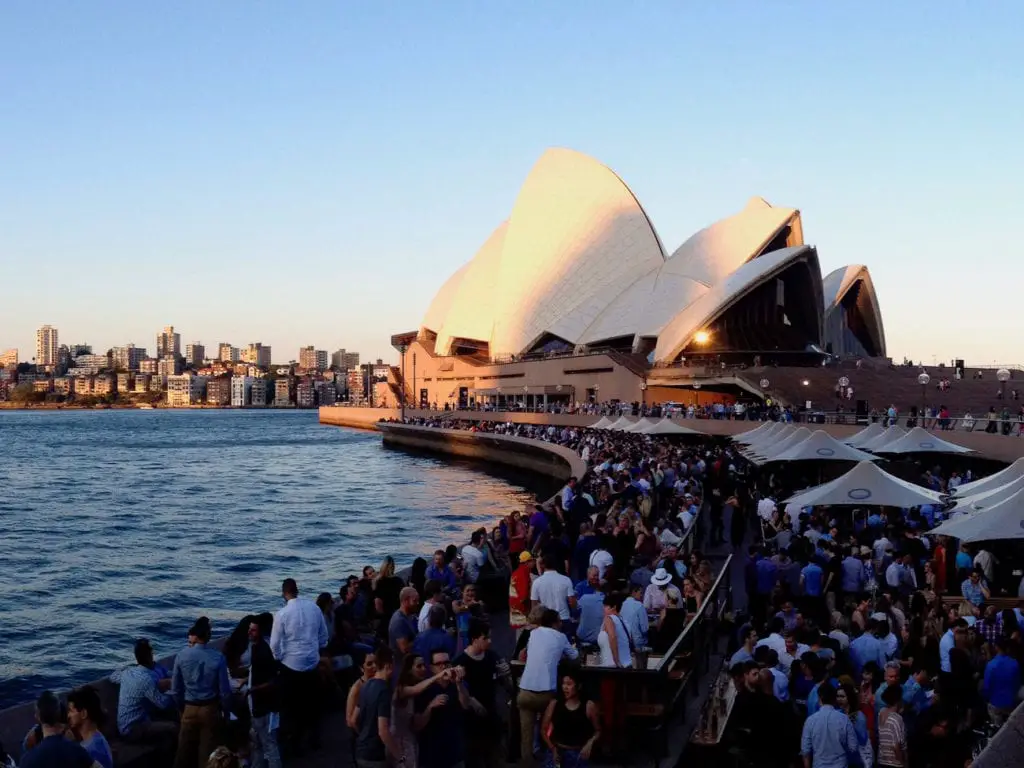
Kick off your Australian adventure in Sydney, one of the most beautiful harbour cities in the world. With four days here, you have time to take in the icons, explore the neighbourhoods and even escape the city for a day trip.
Start in Circular Quay, where ferries come and go against a backdrop of the Opera House and Harbour Bridge. Stroll along the waterfront to the Opera House (join a guided tour to learn the behind-the-scenes stories of its design and construction) and continue into the Royal Botanic Gardens for sweeping views back towards the city skyline.
The historic district of The Rocks is just next door, with cobblestoned laneways, boutique shops and lively weekend markets. Stop for lunch at a pub or grab a gelato before making your way up to the Sydney Harbour Bridge. Climbing the bridge – for those who don’t have a fear of heights! – gives you a bird’s-eye view of the harbour, the Opera House and beyond.
No trip to Sydney is complete without time on its beaches. Spend a day at Bondi, where you can take the scenic Bondi to Coogee coastal walk, stopping at small coves for a swim along the way. Alternatively, take the ferry to Manly for a laid-back day of surfing, seaside dining and oceanfront walking tracks.
Take a day trip to the Blue Mountains, a UNESCO World Heritage-listed region about two hours from Sydney.
Start at Echo Point in Katoomba for the best view of the Three Sisters, a striking rock formation and one of the most photographed spots in the country. Other highlights include Wentworth Falls and a ride on the Scenic Railway (the world’s steepest passenger railway). The charming village of Leura makes for a great lunch stop.
You can visit the Blue Mountains by renting a car or taking public transport, but this day trip with transport makes things a whole lot easier.
Where to stay in Sydney
- Circular Quay: Harbour Rocks Hotel or the Pullman Quay Grand
- Haymarket: Meriton Suites Campbell Street
- Bondi Beach: QT Bondi
- Surry Hills: Ace Hotel or Crystalbrook Albion
Days 5-8: Red Centre
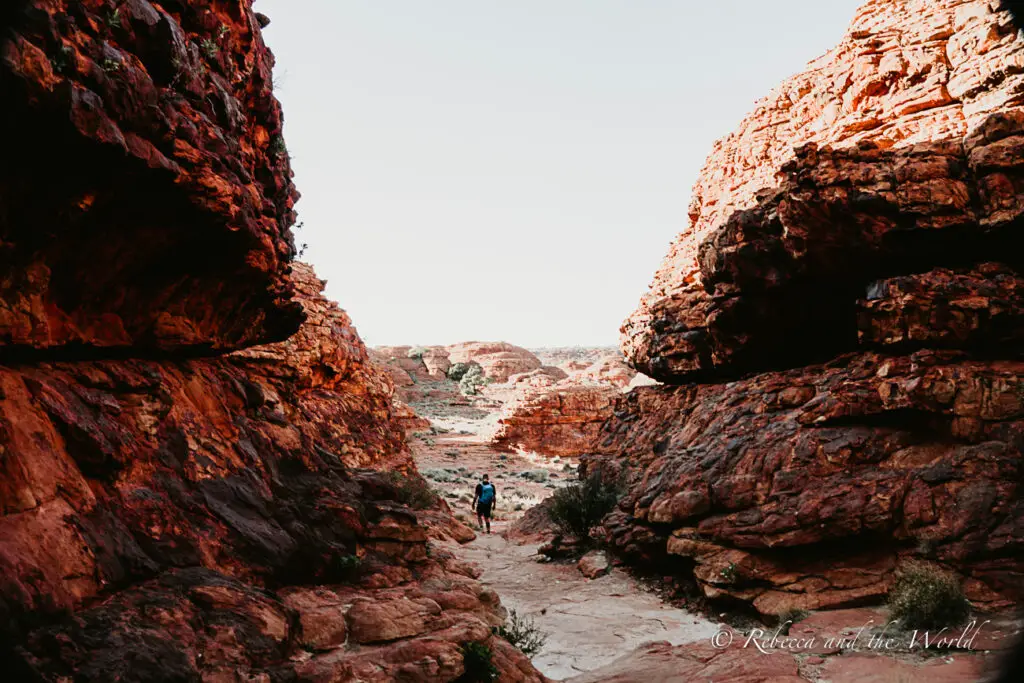
Fly from Sydney to Yulara, the small resort town next to Uluru-Kata Tjuta National Park. As you step off the plane, you’ll feel the shift – red sand underfoot, a vast desert horizon and the iconic rock rising in the distance.
I recommend hiring a car in Yulara, as you’ll have a lot more flexibility about where you can go and when – and you can go further to places like Kings Canyon.
Spend your first evening watching the sun set over Uluru, one of the best things to do at Uluru. The changing colours as the light fades are mesmerising, shifting from burnt orange to deep purple. Consider booking a BBQ dinner for an unforgettable night under the stars, with a gourmet meal and a stargazing talk about the southern sky.
The next morning, rise early to see Uluru at sunrise, then join a guided base walk to learn about the rock’s cultural significance and see its caves, rock art and waterholes up close.
In the afternoon, make the short drive to Kata Tjuta (also known as The Olgas) and walk through the towering domes on the Walpa Gorge trail. The longer Valley of the Winds circuit has even more breathtaking views.
On Day 7, drive to Kings Canyon, about three hours from Yulara. Stay overnight near the canyon so you can do the Rim Walk first thing the next morning when it’s cooler. This 6-kilometre loop is one of my absolute favourite hikes in all of Australia. It takes you along the rim of the canyon with incredible views down into the gorge and across the desert. Don’t miss the Garden of Eden, a lush waterhole surrounded by ancient cycads.
Or you can even see the Rim from above, on a scenic helicopter ride.
After your hike, return to Yulara, spend your final evening at leisure and fly to Melbourne the next morning.
Don’t want to drive?
- This 3-day tour includes Uluru, Kata Tjuta and Kings Canyon, and departs from Yulara (the closest town to Uluru)
- This 3-day tour also includes Uluru, Kata Tjuta and Kings Canyon, but departs from Alice Springs
Where to stay in Uluru
I have a full Uluru accommodation guide, but here are my top picks for all budgets:
- Desert Gardens Hotel – wake up to views of Uluru
- The Lost Camel – a hotel with a bit of personality and a great pool
- Outback Hotel & Lodge – has a range of private rooms and dorms
Where to stay in Kings Canyon
- Kings Canyon Resort – my pick of the (limited) options, with cabins and glamping tents available
- Kings Creek Station – this working cattle and camel station has camping, glamping and cabins available (make sure to try the famous camel burger!)
Days 9-11: Melbourne
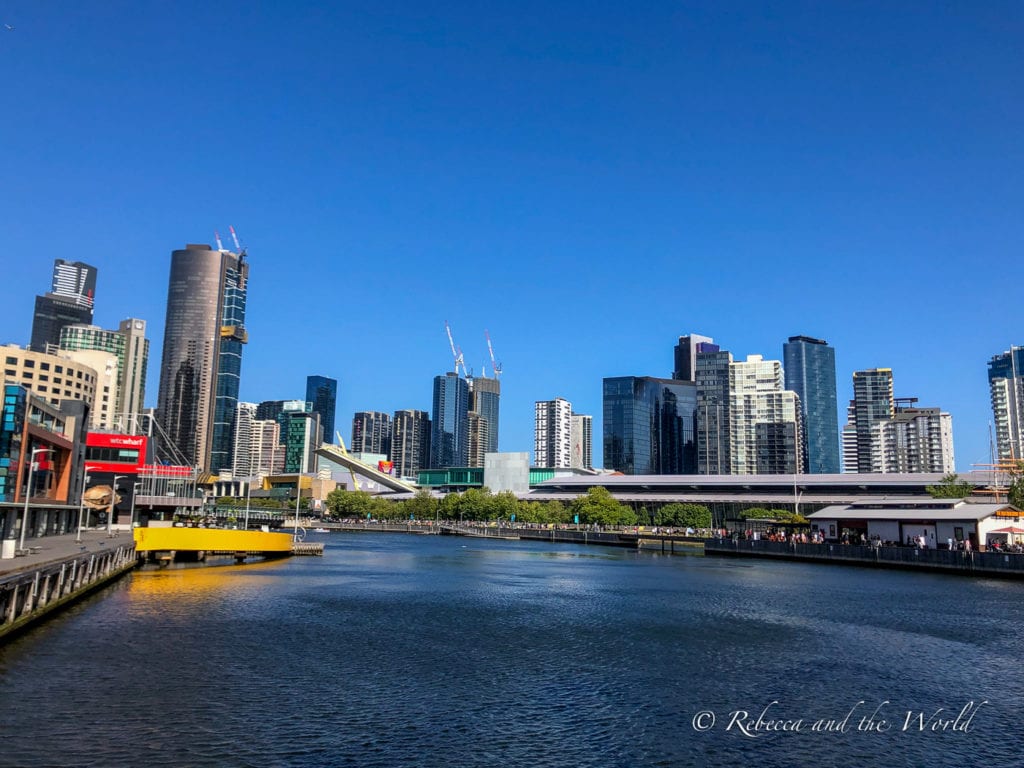
Fly to Melbourne – my home town – and get ready to experience one of the world’s most liveable cities.
While Melbourne might not have the sparkling harbour or golden beaches of Sydney, Melbourne is all about atmosphere – and you’ll quickly see why we locals love it. Melbourne is best explored slowly: wander its maze of laneways plastered with colourful street art, linger over world-class coffee, and dip into the thriving gallery, theatre and live music scenes.
Food is at the heart of Melbourne’s identity. From hole-in-the-wall dumpling joints in Chinatown to award-winning restaurants like Attica (regularly named one of the world’s best), there’s something for every palate. To really get under the skin of the city, join a Melbourne food tour and learn how migration has shaped its diverse dining culture.
Must-dos in Melbourne
- Take a foodie tour of the famous Queen Victoria Market
- Explore the city’s famous street art on a tour with an actual street artist
- Soar over the city on a hot air balloon ride
- Learn about Indigenous Australian culture on a walking tour of the Botanic Gardens
- Eat dumplings on a walking dumpling tour!
Where to stay in Melbourne
For a quick visit like this one, stay in the centre of the city.
- Le Méridien – this 5-star gem gets ticks from me for spacious rooms, friendly service, and comfortable, modern rooms
- Ovolo Laneways – my pick of Melbourne hotels, this hotel has serious personality (and free lollies all day!)
- Brady Hotels Jones Lane – this hotel in the heart of the city is a rare find: affordable and stylish
Days 12-14: Great Ocean Road
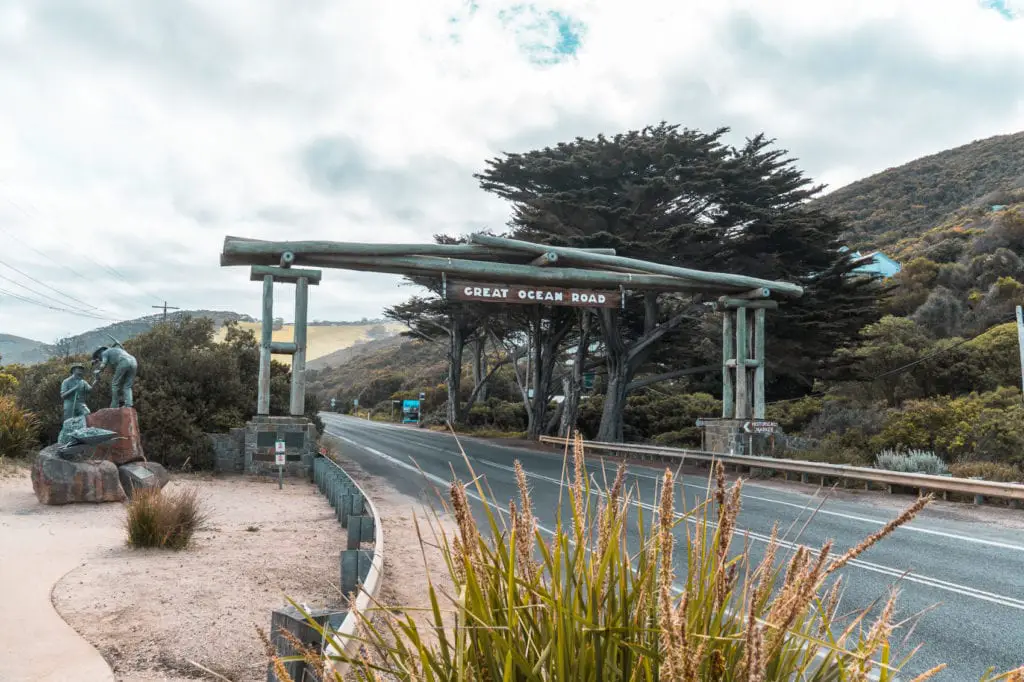
After eating your way through Melbourne, hire a car (or even a campervan) and hit the Great Ocean Road, one of the world’s most scenic drives.
Leave Melbourne early and head towards Torquay, the official starting point of the Great Ocean Road and Australia’s surfing capital. If you have time, pop into the Australian National Surfing Museum or watch the surfers tackling the waves at Bells Beach. You can even take a surf lesson yourself.
Continue to Anglesea and Lorne, where you can stop for lunch with ocean views, then make your way to Kennett River to spot wild koalas snoozing in the eucalyptus trees.
Stay overnight in Apollo Bay, a charming seaside town that makes the perfect base. The next morning, detour into the lush Great Otway National Park. Take a short walk to see waterfalls like Hopetoun or Beauchamp Falls, or climb the Otway Fly Treetop Walk for a bird’s-eye view of the rainforest.
Back on the road, continue west towards the dramatic coastline near Port Campbell. This stretch is home to the Great Ocean Road’s most famous sights: the Twelve Apostles, towering limestone stacks rising from the Southern Ocean. Visit at sunset or sunrise for the most dramatic light.
Nearby, stop at Loch Ard Gorge, where you can walk down to the beach and hear the story of the 1878 shipwreck, and at Gibson Steps to stand on the sand and see the cliffs up close.
Spend the night in Port Campbell or Warrnambool before looping back to Melbourne on Day 14. If you have time, stop at the Tower Hill Wildlife Reserve on the way to see emus and kangaroos in the wild or enjoy lunch in the historic town of Camperdown.
Head straight to the airport and drop off your rental car there – there are plenty of hotels near Melbourne Airport for the night.
You can follow my Great Ocean Road itinerary guide, which has a 3-day road trip option stopping overnight in Apollo Bay and Port Campbell – or add a few more things from my list of the best things to do on the Great Ocean Road.
Where to stay along the Great Ocean Road
Depending where you decide to stop, I recommend:
- Apollo Bay: Beachside at Apollo Panorama Guest House, a villa at Point of View, or Beachcomber Motel & Apartments
- Port Campbell: The Port O’Call Motel (super stylish) or Sea Foam Villas (popular accommodation on the beach)
Days 15-21: Cairns and the Great Barrier Reef

Catch an early morning flight to Cairns, the gateway to Tropical North Queensland, and settle into the warm, laid-back vibe of this tropical city. Spend your first evening stretching your legs along the Cairns Esplanade and enjoy dinner at one of the open-air restaurants overlooking the water.
Dedicate a day to one of the world’s great natural wonders – the Great Barrier Reef. Join a full-day snorkelling trip from Cairns and spend the day swimming among colourful coral gardens, tropical fish and maybe even a turtle or two. If you’re not confident in the water, glass-bottom boat tours and semi-submersibles offer a dry but just as mesmerising way to experience the reef.
Explore the Atherton Tablelands, a lush region of rolling hills, crater lakes and waterfalls. The Waterfall Circuit takes in Millaa Millaa, Zillie and Ellinjaa Falls – perfect for a refreshing swim. You can also stop at Lake Eacham for a picnic or visit local farms and markets for fresh tropical produce.
Take the scenic Kuranda Railway up to the mountain village of Kuranda and return via the Skyrail Rainforest Cableway, gliding over the treetops for a bird’s-eye view of the rainforest.
Spend some time in Port Douglas, a chic yet relaxed beach town that makes a fantastic base for exploring the region. Spend the afternoon wandering along Four Mile Beach or sipping cocktails at a beachfront bar as the sun sets.
Set off on a full-day adventure into the Daintree Rainforest and Cape Tribulation. Take a cruise on the Daintree River to spot crocodiles, then cross by cable ferry into one of the oldest rainforests on Earth. Walk along the rainforest boardwalks, stop at scenic lookouts and marvel at the point where the rainforest meets the reef at Cape Tribulation.
You can also take day trips from Cairns to the Daintree Rainforest:
- While it’s a long day, this tour is a great way experience a traditional smoke ceremony with the indigenous Kuku Yalanji people at Mossman Gorge and also take a wildlife cruise on the Daintree River
- This full-day tour includes a guided walk through the ancient Daintree Rainforest and along beaches of Cape Tribulation as well as a river cruise to spot crocodiles
Where to stay in Cairns and Port Douglas
- In Cairns, the Hilton is right on the marina, while the Mantra Trilogy has ocean view rooms
- In Port Douglas, you’ve got plenty of options, from luxe stays like the Sheraton Grand Mirage Resort to mid-range hotels and apartments like By The Sea
Option 3 – Western and Northern Australia Adventure
If you’re craving big skies, wild coastlines and a taste of Australia’s remote beauty, this itinerary is for you. Over three weeks you’ll road trip through Western Australia’s south coast – past turquoise beaches, rugged cliffs and some of the whitest sand you’ll ever see – before flying north to the Top End for waterfalls, billabongs and Aboriginal rock art.
This option is perfect for travellers who want fewer crowds and a real sense of adventure. You’ll spend more time driving and getting off the beaten path, but you’ll be rewarded with some of the country’s most jaw-dropping scenery and unforgettable wildlife encounters. This is a truly brag-worthy trip that I bet most of your friends won’t have done.
Best time to do this itinerary
The Western and Northern Australia Adventure works best in the shoulder seasons – April to May and September to early November. You’ll enjoy the last of the warm, sunny days in Western Australia’s south before winter arrives, or catch the first blooms of wildflower season as spring takes hold.
In the Northern Territory, these months sit just outside the peak dry season – meaning fewer crowds – but you’ll still have mostly dry weather, cooler nights and access to Kakadu’s waterfalls, billabongs and 4WD tracks before they close in the wet season. You wouldn’t want to go any earlier or later, because you’ll get caught up in the peak of the wet season.
Days 1-3: Perth and Fremantle

Begin your Western Australian adventure in Perth, a city that feels both cosmopolitan and laid-back.
Spend your first morning exploring Elizabeth Quay, where public art, cafés and a pedestrian bridge curve around the Swan River. From here, take the short drive or bus ride up to Kings Park and Botanic Garden, one of the largest inner-city parks in the world. The elevated walkways give you spectacular views over the city skyline and river, and springtime visitors will be treated to blooming wildflowers.
Perth’s beaches are a highlight, so make time to relax at Cottesloe Beach, a local favourite. Grab fish and chips and watch the sun dip below the Indian Ocean – Perth’s sunsets are famous for a reason.
Head to Fremantle, a historic port city with a creative, bohemian vibe. Stroll through the Fremantle Markets for fresh produce and handmade souvenirs, take a guided tour of the Fremantle Prison to learn about its convict past, and finish the day with a pint at the iconic Little Creatures Brewery.
Want to learn more about Fremantle’s history? This 2-hour tour is a great insight into both Indigenous history and the colonial past
Dedicate a full day to Rottnest Island, just a short ferry ride from Perth or Fremantle. Hire a bike to explore the island’s car-free roads, stopping at secluded coves and white-sand beaches. Don’t forget to snap a selfie with the island’s star residents – the ridiculously photogenic quokkas.
I recommend renting a car while in Perth – it’ll make it easier to get around and you’ll also need your own wheels for the next part of the itinerary. You could even rent a campervan for the ultimate Aussie road trip!
Where to stay in Perth
- Stay central at QT Perth or the boutique Alex Hotel, or base yourself by the beach at Quest Scarborough
- In Fremantle, the Hougoumont Hotel is a quirky boutique option – it’s purpose-built using sea container construction – or the Esplanade Hotel is in the heart of Fremantle
Days 4-6: Margaret River
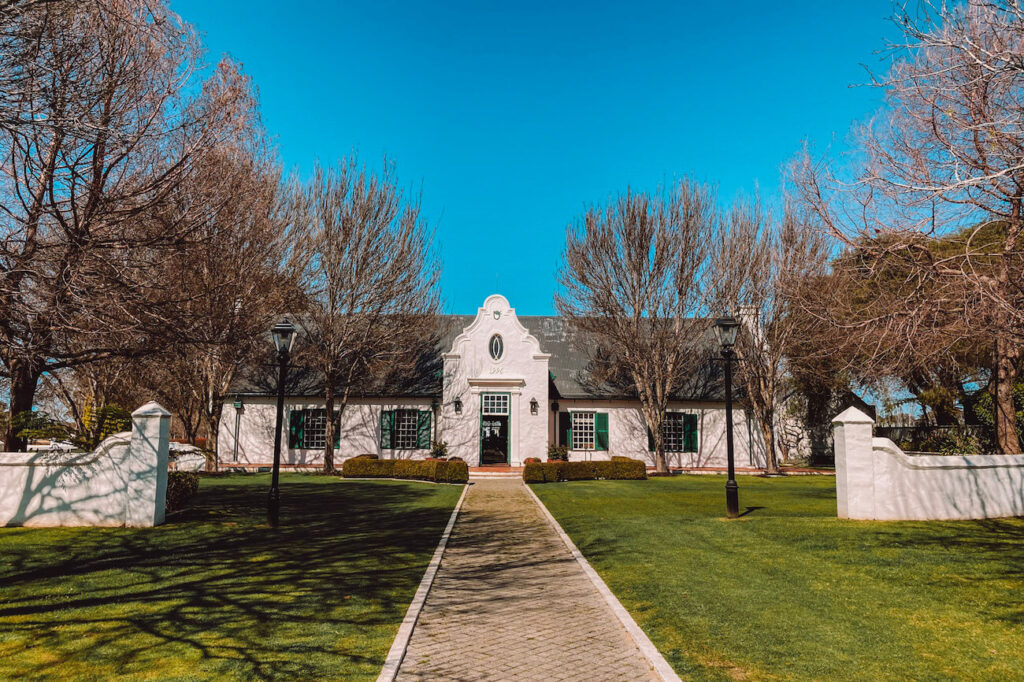
Leave Perth behind and make the three-hour drive south to Margaret River, a region famous for its world-class wine, craft breweries and spectacular coastline.
Spend your first afternoon visiting a few of the celebrated wineries – Vasse Felix, Leeuwin Estate and Voyager Estate are classics – and pair your tastings with a long vineyard lunch. If wine isn’t your thing, the region is also known for boutique breweries, artisan cheese and chocolate producers.
On your second day, explore beyond the cellar doors. Stop at Hamelin Bay, where wild stingrays glide through the shallows close to the beach, and visit one of the region’s famous limestone caves such as Jewel Cave or Lake Cave.
Take a walk along part of the Cape to Cape Track for coastal views or head to Surfers Point at Prevelly to watch surfers tackle the big waves – it’s a magical spot for sunset.
Margaret River wine tours
Be safe and choose a wine tour instead of drinking and driving!
- Take a guided journey through the Margaret River region, stop to sample wine and get a behind-the-scenes look at the winemaking process on this full-day tour
- This wine tour focuses on Margaret River’s best boutique wineries – and features a unique blind tasting experience!
- This small-group tour adds beer and cider tastings alongside the winery visits
Where to stay
The Margaret River area naturally has many lovely accommodation options, including vineyard cottages and boutique lodges.
- Visiting Australia for a special occasion – or just want luxury? Cape Lodge is the right choice
- Margaret River Guest House has a cosy B&B vibe with lovely hosts
Days 7-8: Albany and Denmark
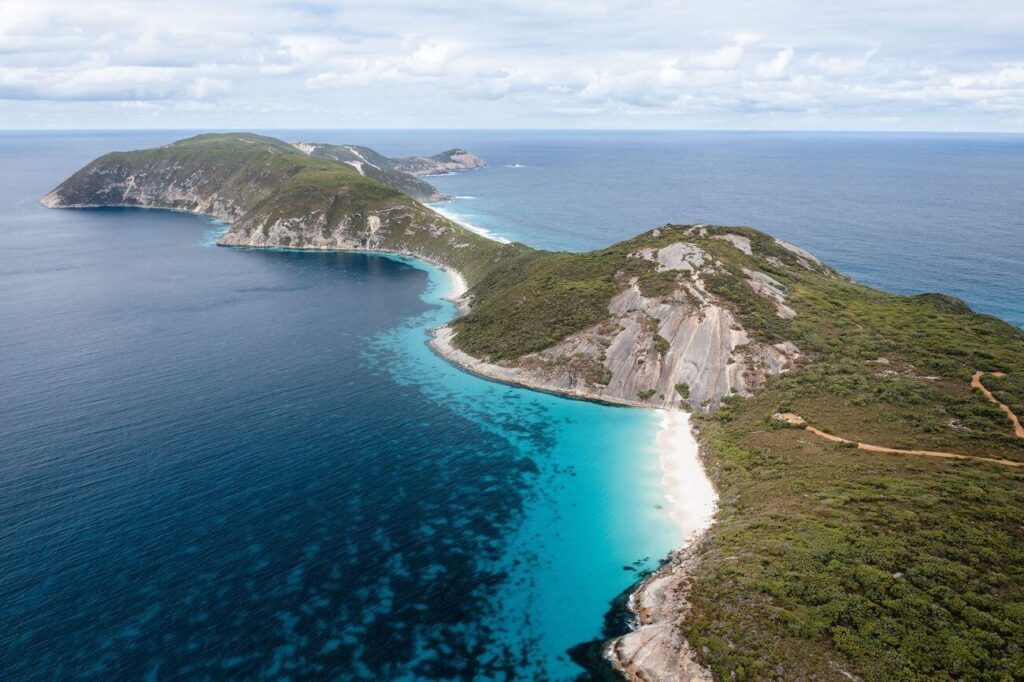
Make the drive east from Margaret River to Albany or Denmark, choosing one as your base for the next two nights. Albany is a little larger with more dining and accommodation options, while Denmark offers a quieter, small-town feel surrounded by forest and beaches. Either makes a great hub for exploring this spectacular stretch of the south coast.
Spend one day discovering Albany’s dramatic coastline and rich history. Visit the National Anzac Centre, an immersive museum that tells the story of Australia’s WWI soldiers and overlooks King George Sound.
Then head to Torndirrup National Park, where you can stand on the viewing platform at The Gap and feel the spray of the Southern Ocean as it crashes below, see the natural rock bridge nearby and listen for the eerie sounds of the Blowholes.
Dedicate the next day to exploring Denmark’s coastal gems. The beaches here are breathtaking: Greens Pool is a sheltered, turquoise swimming spot perfect for a dip, and nearby Elephant Rocks has huge granite boulders that look like a herd of elephants wading into the sea.
Where to stay in Albany and Denmark
- In Albany, consider Three Chimneys Bed and Breakfast Boutique Guest House or the self-contained apartments at Dolphin Lodge
- In Denmark, The Lodge At The Denmark Hotel or Windrose B&B are good choices
Days 9-11: Esperance
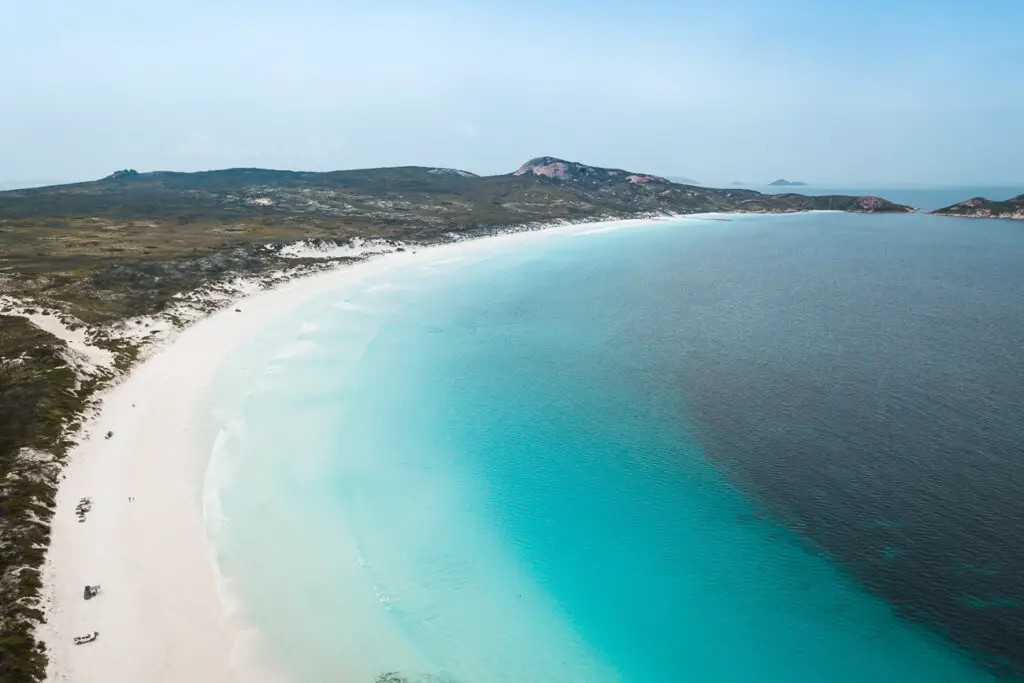
Continue east to Esperance, a remote coastal town that feels like the edge of the world – and has some of the most stunning beaches in Australia. Base yourself here for three nights so you can fully explore the region at a relaxed pace.
Your first stop should be Cape Le Grand National Park, where blindingly white sand meets turquoise water. The star of the show is Lucky Bay, famous for the kangaroos that laze right on the beach. Spend time swimming and taking photos with the roos – this is one of those places that feels almost unreal.
Over the next two days, explore more of the park’s beaches and walking trails. Hellfire Bay and Thistle Cove are equally beautiful and often much quieter than Lucky Bay. For something more active, hike to the summit of Frenchman Peak for panoramic views across the park and coastline.
Back in Esperance, drive the Great Ocean Drive, a 40-kilometre scenic loop that takes in lookouts, wild surf beaches and the striking Pink Lake. If you want a true bucket-list experience, book a scenic flight over Lake Hillier on Middle Island. The bubblegum-pink water of the lake, set against the blue ocean, is one of the most unique natural sights in Australia.
Where to stay in Esperance
- Esperance Chalet Village is a stylish option, with a collection of rustic chalets, cabins and shacks all individually styled
- There are also plenty of caravan parks and motels for budget-conscious travellers, like Clearwater Motel Apartments
Day 12: Wave Rock and return to Perth
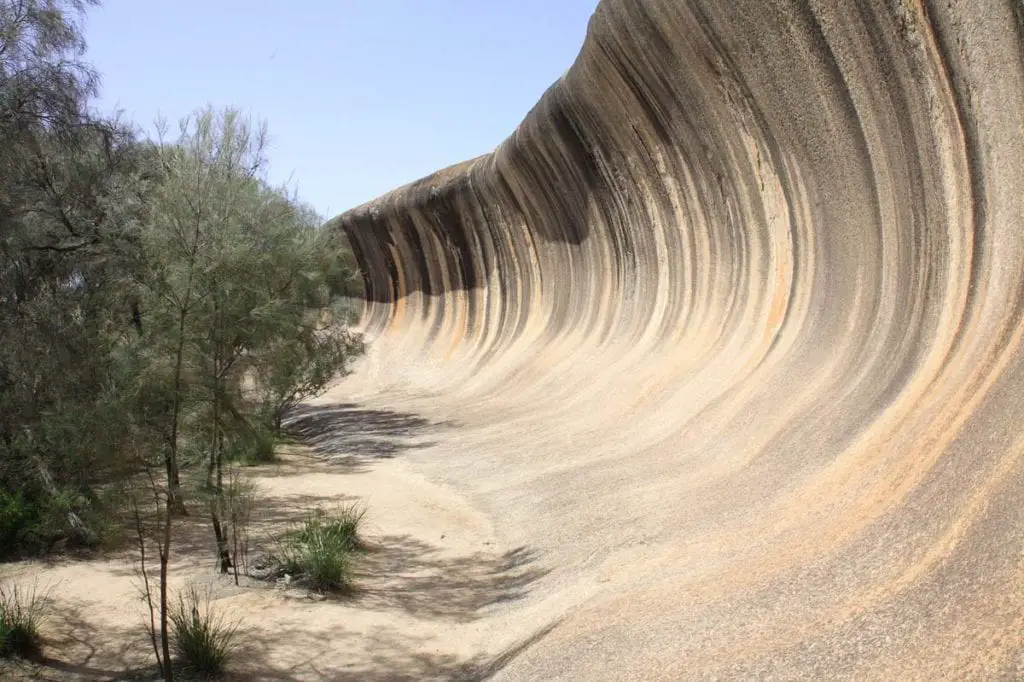
Today is a big driving day – around eight hours – but it’s a memorable journey that takes you through some of Western Australia’s most unique landscapes. Leave Esperance early and head inland, watching as the scenery changes from coastal scrub to wide, open wheatbelt country.
Your key stop along the way is Wave Rock, near the small town of Hyden. This 15-metre-high granite formation is shaped like a giant, curling wave frozen in time, and it’s one of WA’s most famous landmarks. Take a walk along the base for the classic photo, then follow the short trail to Hippo’s Yawn, another quirky rock formation nearby. If you have a bit more time, the 3.5 km Hyden Rock walk circuit offers sweeping views over the surrounding countryside.
After your visit, continue the drive back to Perth. Toast the end of your epic south coast road trip before the next leg of your adventure in the Top End.
Days 13-14: Darwin
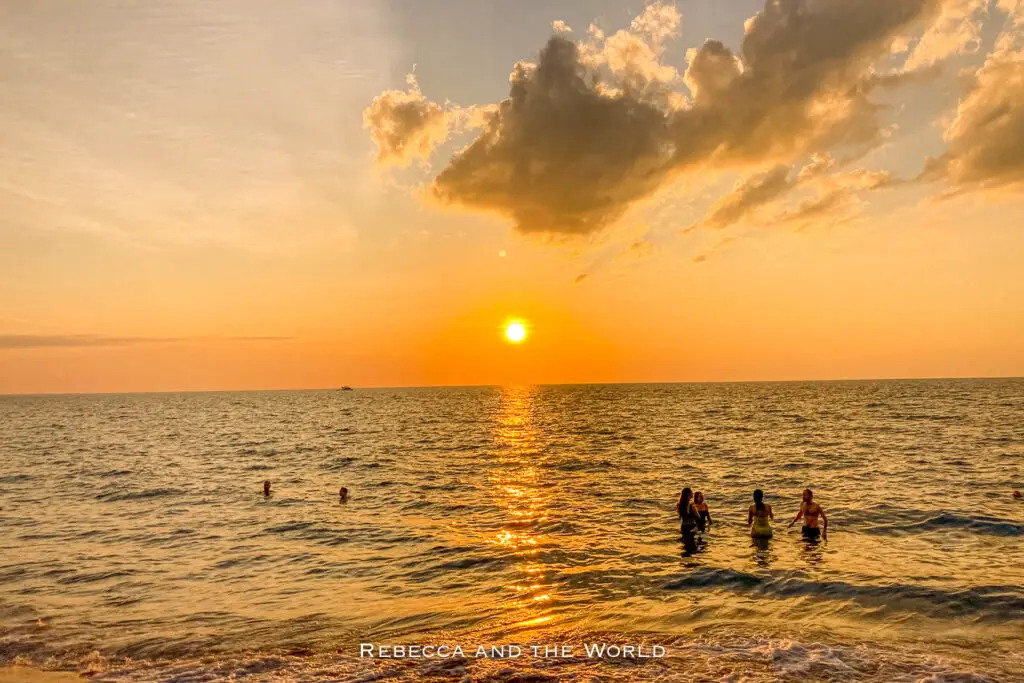
Fly from Perth to Darwin, swapping the temperate south for the steamy tropics of the Northern Territory. Darwin is small and relaxed, with a strong outdoor culture and a unique mix of Asian, Aboriginal and Outback influences. And there are some great things to do in Darwin.
Spend your first evening soaking up the atmosphere at the Mindil Beach Sunset Market (open Thursday and Sunday evenings in the dry season). This market is a Darwin institution, with dozens of food stalls serving laksa, satay and fresh tropical juices. Grab your dinner and watch the sun set over the Timor Sea with hundreds of locals and travellers.
If it’s one of the nights when the market isn’t on, check out Deckchair Cinema instead – I love watching a movie here under the stars.
The next day, explore more of the city. Stroll along the waterfront precinct, where you can swim in the safe wave lagoon, grab a coffee or simply relax in the sunshine.
Learn about Darwin’s WWII history at the Darwin Military Museum. The Defence of Darwin Experience is really well done, telling the story of the 1942 air raids complete with vibrations, loud noises and lights.
If you’re feeling adventurous, visit Crocosaurus Cove, where you can see massive saltwater crocodiles up close – or even take a dip in the Cage of Death if you dare.
The sunsets in Darwin are out of this world – take a sunset cruise to experience it on the water (with sparkling wine and dinner!).
Where to stay in Darwin
- The Mercure Darwin Airport Resort has an amazing pool surrounded by palm trees and great rooms
- If you’re after a serviced apartment, Adina Apartment Hotel Darwin Waterfront is in a great location
Days 15-16: Litchfield National Park
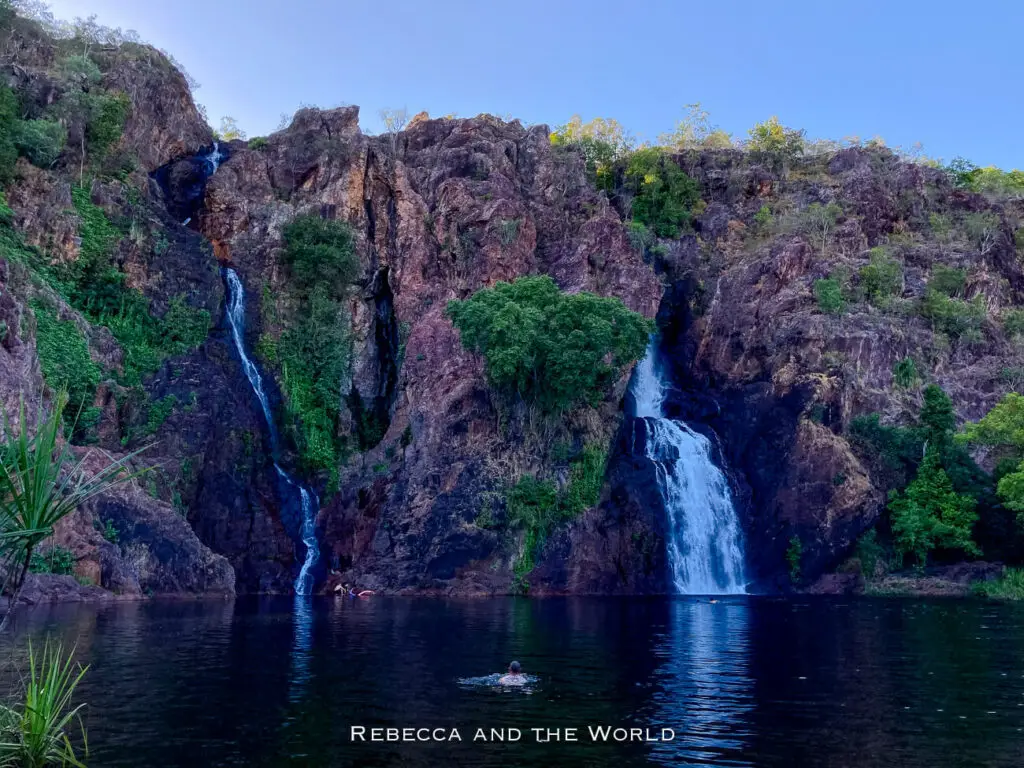
After a couple of days in Darwin, it’s time to head out into the Top End’s wild landscapes for a Northern Territory road trip.
Just a 90-minute drive from the city, Litchfield National Park is the perfect introduction to the region’s waterfalls, swimming holes and unique termite mounds.
Rent a car and spend your first day visiting Litchfield’s most iconic sights. Stop at the magnetic termite mounds, lined up like natural compasses across the plains, before heading to Florence Falls. Take the short walk down to the plunge pool for a refreshing swim, then continue to Buley Rockholes, a series of cascades and rock pools that are perfect for lazing in the sun.
On your second day, explore some of the park’s lesser-visited spots. Wangi Falls is a favourite for swimming, while the short hike to Tolmer Falls offers a spectacular view over the gorge.
If you’ve rent a 4WD adventure, head to Lost City, a series of eerie sandstone formations that look like the ruins of an ancient civilisation. There are some pretty deep potholes to navigate – we saw a motorhome get stuck here!
Where to stay in Litchfield National Park
- The best way to experience Litchfield is to camp – there are several campgrounds within the park, but you’ll need to book online wayyyy in advance to get a spot
- We liked our stay at Litchfield Tourist Park, which has cabins even a 3-bedroom homestead for those travelling in a group, as well as a pool and cafe on site
- The Banyan Tree is another good option, with a mix of caravan/camping sites, cabins and motel-style rooms, as well as a great bar under a huge Banyan Tree
Days 17-20: Kakadu National Park
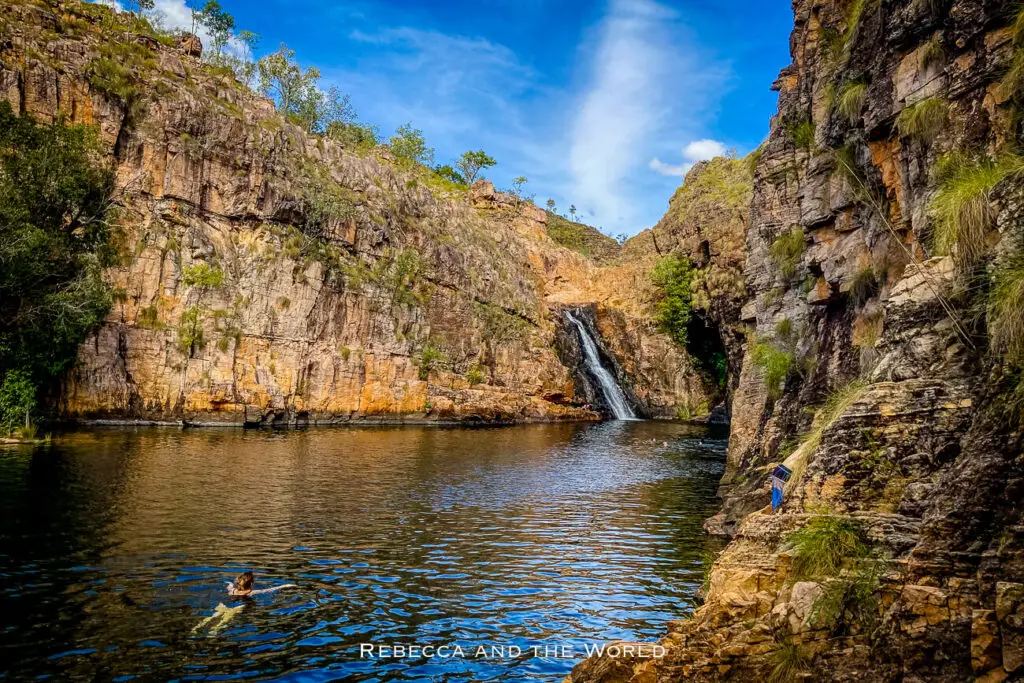
Leave Litchfield behind and drive east into Kakadu National Park, a World Heritage-listed landscape that is as spiritually significant as it is beautiful. With four days here, you’ll have time to take in the park’s rock art, wetlands, waterfalls and cultural sites at a relaxed pace.
Start with Ubirr, one of Kakadu’s most famous rock art sites. Follow the short walking trail past ancient Aboriginal paintings that tell stories dating back thousands of years, then climb to the lookout for a breathtaking panorama of the Nadab floodplains – sunset here is unforgettable.
Dedicate the next day to the wetlands. Take a Yellow Water Billabong cruise at sunrise or sunset to see crocodiles gliding through the water and flocks of magpie geese, egrets and jabirus in the golden light. This is an absolute must-do – the guides are incredibly knowledgeable and you’ll learn a lot.
Over the following days, explore more of Kakadu’s natural wonders. Hike to Jim Jim Falls and Twin Falls (dry-season access only), where towering cliffs surround deep plunge pools perfect for a refreshing swim. Maguk Falls is one of my favourite swimming holes – the hike in is also a fun challenge – and Gunlom Falls is home to one of the most photogenic swimming spots.
Where to stay in Kakadu
- Like Litchfield, Kakadu is a great place to camp, and there are a number of campgrounds located throughout the park of varying types and with varying amenities – a full list of campgrounds can be found online
- Mercure Kakadu Crocodile Hotel is in the town of Jabiru and is in the shape of a crocodile!
- Further south, Cooinda Lodge has both hotel rooms and glamping tents, as well as access to a restaurant/bar, swimming pool, petrol station, shop and tours
Day 21: Return to Darwin
On your final day, make the drive back to Darwin, stopping at any scenic lookouts you may have missed.
Depending on where you’re going, you’ll probably need to transit in Brisbane, Sydney or Melbourne for your flight home.
Don’t forget travel insurance for Australia! It’s a must when travelling overseas.
3 weeks in Australia: Final thoughts
Three weeks in Australia gives you the chance to do so much more than just skim the surface. Whether you choose a laid-back road trip along the east coast, a greatest-hits tour that takes in the cities, Outback and reef, or a wild adventure through Western Australia and the Top End, you’ll leave with a true sense of the country’s landscapes, culture and lifestyle.
Each of these itineraries can be tailored to your interests and travel style – swap in a favourite stop, slow the pace by adding an extra night, or mix and match elements if you can’t decide.
FAQs: 3 weeks in Australia itinerary ideas
Is 3 weeks enough to see Australia?
Three weeks is a great amount of time to see a variety of Australia’s highlights. You won’t be able to see everything (Australia is nearly the size of the continental US!), but you can comfortably fit in 3-4 regions without feeling rushed. The key is to plan your route carefully and group destinations logically – like I’ve done in the three itineraries outlined above.
How much does a 3-week trip to Australia cost?
Budgets vary depending on your travel style, but a comfortable mid-range trip (including domestic flights, accommodation, food and activities) usually costs AU$6,000-$9,000 per person. You can bring costs down by choosing motels or camping, self-catering some meals, and focusing on free or low-cost activities like coastal walks and national parks.
Do I need a visa to visit Australia?
Most travellers do need a visa or Electronic Travel Authority (ETA) to enter Australia. These are usually easy to apply for online and are approved quickly, but always check the latest entry requirements well before your trip.
Is it safe to swim at Australian beaches?
Always swim at patrolled beaches between the red-and-yellow flags. These beaches have lifeguards who monitor conditions. Avoid swimming at beaches in the tropics – or you might meet a crocodile. In northern Queensland, stinger nets are in place during jellyfish season (roughly November to May) so you can still swim safely. Read the signage before jumping in the water.
Do I need to hire a car when I visit Australia?
For parts of these itineraries, yes. The Great Ocean Road, Margaret River, Albany, Esperance and the Top End are best explored by car or campervan. In the cities (Sydney, Melbourne, Brisbane), public transport is excellent and you won’t need a vehicle.
Did you find this article helpful? Consider buying me a coffee as a way to say thanks!
Which of these 3 weeks in Australia itinerary ideas is your favourite?
Need help planning your Australia trip? 🇦🇺
Feeling overwhelmed about travelling to and around Australia? I offer one-on-one travel consultation calls to help you plan your trip to Australia. In an hour, we can map out a realistic itinerary (including answering questions about the Lap of Oz) or work through your specific questions so you can book an incredible trip. Save hours of your time with my local knowledge and expertise.
Read next
Before you go… you might like some more Australia travel inspiration:
- The Ultimate Australia Bucket List: 75 Epic Experiences to Have Down Under
- How to Spend 2 Weeks in Australia: Three Amazing Itinerary Options
- Planning 4 Weeks in Australia? Here’s Exactly Where to Go
- Epic Adelaide to Darwin Road Trip Itinerary: 15 Best Stops Along the Stuart Highway
- Tips for Renting a Campervan in Australia + Making the Most of Your Trip!
AUSTRALIA TRIP ESSENTIALS
- Book your flight to Australia online with Skyscanner. I like this site because it shows me which dates are cheaper.
- One thing I always purchase is travel insurance! Travel Insurance Master allows you to compare across multiple policy providers, while SafetyWing is great for long-term travellers and digital nomads.
- Wise is my choice for sending and receiving money and spending money overseas (you can get a digital and physical card).
- Find a great hotel in Australia. Check prices on Booking.com and Expedia online.
- Check out the huge range of day tours throughout Australia on GetYourGuide or Viator.
- Saving money? Check out the range of free walking tours across Australia with GuruWalk (don’t forget to tip!).
- How to get around? I use DiscoverCars for car hire, or Motorhome Republic and Jucy for campervan/RV rental. For buses, trains and ferries, I use 12GO, Busbud and Omio.
- Grab an e-sim to stay connected while on the road.
- A copy of the Lonely Planet guide to Australia will be handy.
- Pack sunscreen (look for SPF50 or higher), a hat and sunglasses to protect your eyes and skin.
- Check out my Amazon shop for my fave travel items – everything from backpacks and suitcases to travel adapters and beauty products.
PIN IT FOR LATER: 3 WEEKS IN AUSTRALIA
Save these 3-week Australia itinerary ideas to Pinterest for your travel planning later!