

Looking for the best wineries in Cafayate, Argentina? This guide to the Cafayate wine region has you covered!
When most people think of wine in Argentina, they think of Mendoza. But several hours north, in Salta province, lies one of the country’s most rewarding wine regions: Cafayate.
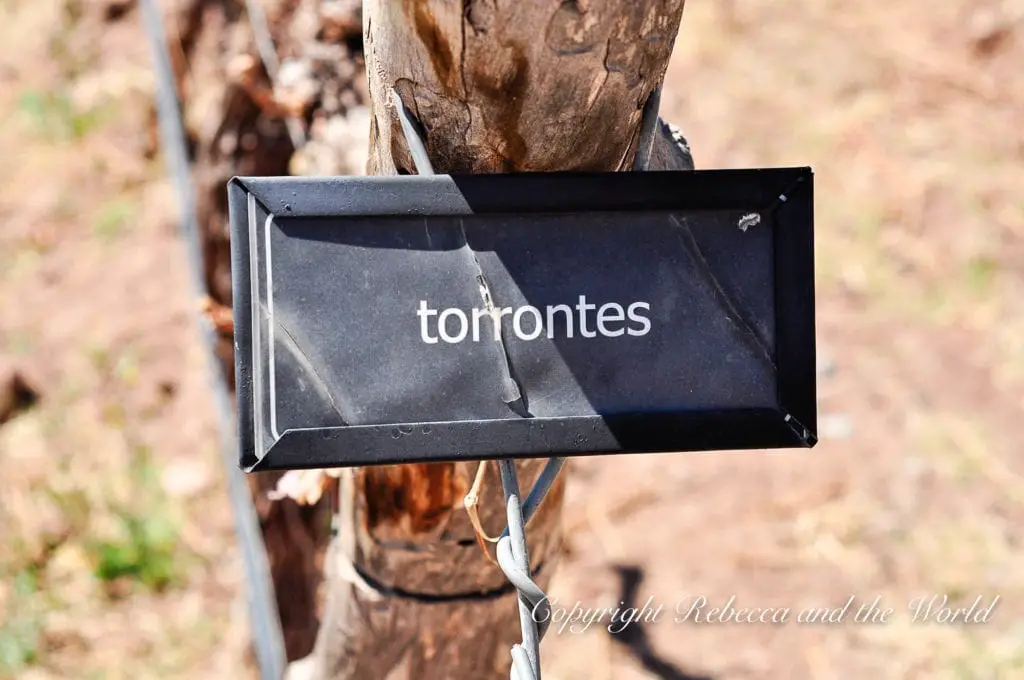
Surrounded by red-rock mountains and vineyards planted at more than 1,700 metres above sea level, Cafayate is famous for producing some of Argentina’s best Torrontés. This aromatic white wine thrives in the region’s dry climate and high altitude, resulting in crisp, fragrant wines that are unlike anything you’ll taste elsewhere in the country. After moving to Argentina, Torrontés quickly became my favourite white wine – and I still seek it out whenever I can find a bottle back home in Australia.
While exploring northwest Argentina, we spent several days tasting our way around the Cafayate wine region, visiting both well-known wineries and smaller family-run bodegas. What we found was a wine destination that feels far more relaxed than Mendoza, with beautiful mountain scenery, intimate tastings and plenty of excellent wines to discover.
If you’re planning a trip to northwest Argentina, these are the wineries in Cafayate I recommend visiting.
This blog post may contain affiliate links, meaning if you book or buy something through one of these links, I may earn a small commission (at no extra cost to you).
Need help planning your Argentina trip? 🇦🇷
Feeling overwhelmed about planning your trip to Argentina? I get it. And I can help! I offer one-to-one travel consultation calls to help you plan your trip to Argentina. In an hour, we can map out a realistic itinerary or work through your specific questions so you can book an incredible trip. Save hours of your time with my local knowledge and expertise.
Cafayate vs Mendoza: what’s the difference?
Mendoza may be Argentina’s best-known wine region, but Cafayate offers a very different experience.
The biggest difference is scale. Mendoza is home to hundreds of wineries spread across several wine-growing regions, with everything from small family-run bodegas to internationally famous estates. Cafayate is much smaller and more intimate. Many wineries are within a few kilometres of town, making it easy to visit several in a day.
The wines are different, too. Mendoza is best known for Malbec, while Cafayate is famous for Torrontés, Argentina’s signature white grape variety. Thanks to the region’s high altitude, dry climate and intense sunshine, Cafayate’s Torrontés wines are aromatic, crisp and refreshing. You’ll still find excellent Malbec, Cabernet Sauvignon and Tannat here, but Torrontés is the wine you shouldn’t leave without trying.
The scenery is another major draw. While Mendoza is framed by the Andes, Cafayate sits among dramatic red-rock mountains, desert landscapes and cactus-covered valleys. The drive along Ruta 68 between Salta and Cafayate is one of the most spectacular road trips in Argentina.
I also found wine tasting in Cafayate to be more relaxed. During our visit, we were often able to walk into wineries without advance reservations, chat directly with staff and enjoy tastings without the crowds that can sometimes be found at Mendoza’s more famous wineries.
If you’re looking for world-class wine with excellent tourism infrastructure, Mendoza remains Argentina’s premier wine destination. But if you prefer quieter wineries, unique high-altitude wines and a more laid-back atmosphere, Cafayate is hard to beat.
→ READ NEXT: How to spend 3 days in Mendoza
The best wineries in Cafayate
Before I list out my favourite wineries in Cafayate, here’s a map of everywhere I’ve mentioned in this post, as well as a few tips to keep in mind when wine tasting in Cafayate.
Map of the best Cafayate wineries
Things to know before visiting Cafayate wineries
A few things to know before you start planning out your wine tastings in Cafayate:
- Most of the wineries in Cafayate are located close to the town centre, so you can easily walk around. For wineries further out, hire a bike or rent a car and drive as we did (responsibly, of course!). You can also book a winery tour to leave the driving to someone else.
- Wineries here tend to be a bit more relaxed than those in Mendoza, but you still may need to make a reservation. Some offer free tastings, some have a cost – I’ve included as much up-to-date information here as possible (by checking websites or contacting wineries directly for the latest details).
- I find you get quicker responses from wineries by using Whatsapp rather than email.
- Most wineries offer tours, but if you’re anything like me, the information all starts to sound the same, and let’s face it: I’m just there to taste the wine! If you’re the same, then pick one or two wineries that you think you’d like to learn more about and take a tour there, and then focus on wine tasting or a long lunch at the others.
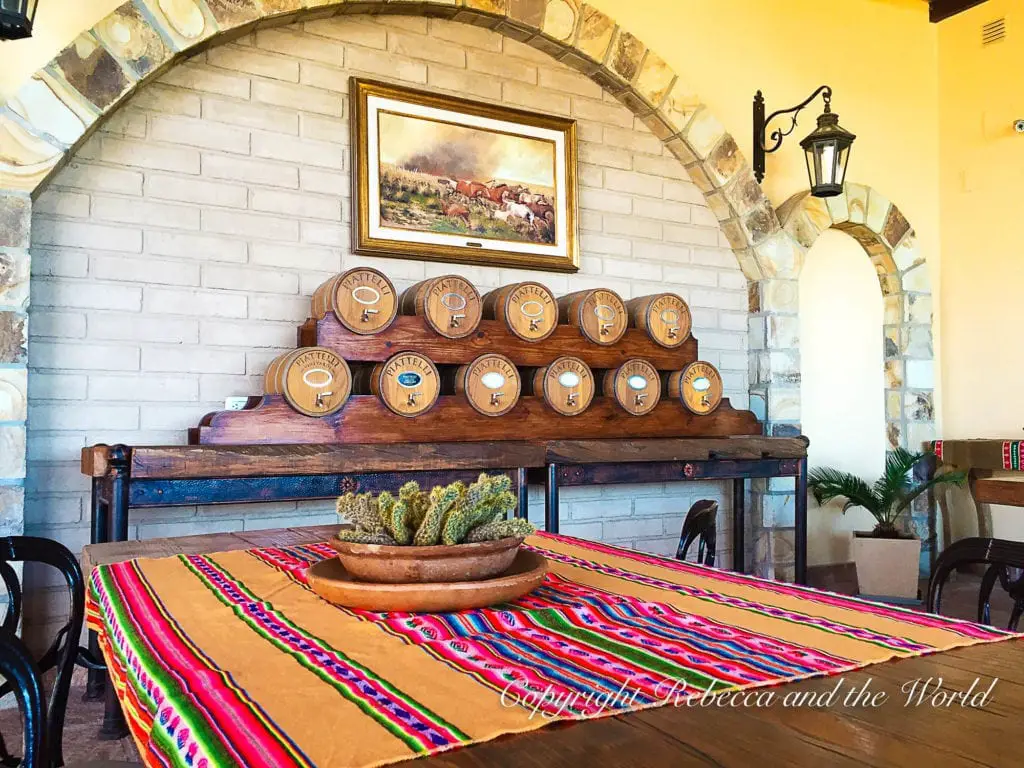
- Buy your favourite bottles when you’re at the winery. We were so bummed when we fell in love with a particular Piattelli wine and then discovered we couldn’t find it anywhere, not even in any wine stores in Buenos Aires.
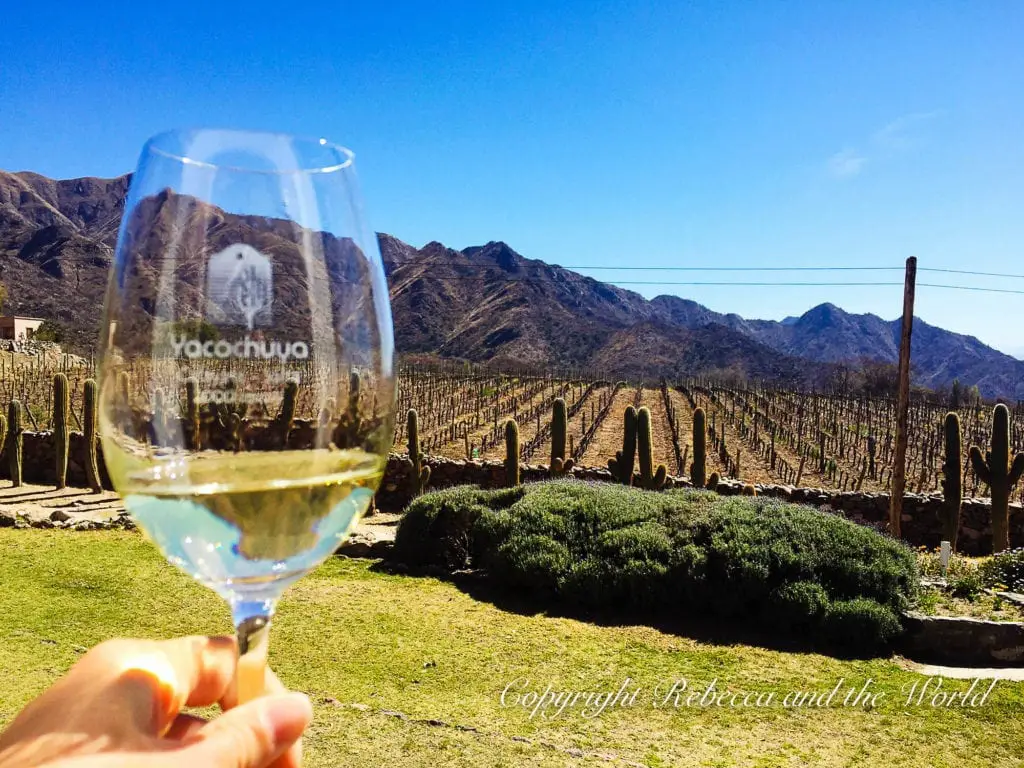
1. San Pedro de Yacochuya
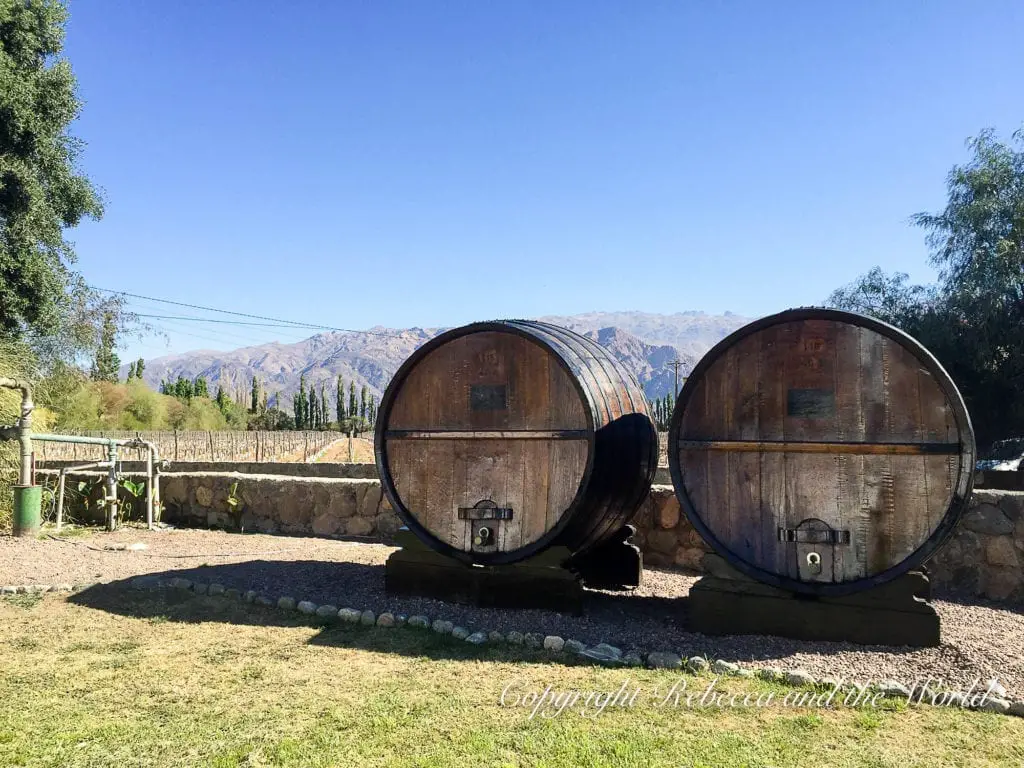
The bodega is in a stunning location at the base of the mountains, and its vines are between 70 and 100 years old. Their Torrontés is a refreshing delight, and a bottle I consistently go back to.
This was the first winery we visited in Cafayate and the mountain views blew me away.
Guided tours (in English) are free and run roughly every 45 minutes from 10.15am to 6pm Monday to Friday and 10am to 1pm Saturdays. You can email in advance to make a booking or simply turn up on the day.
Alternatively, skip the tour and do a tasting. You can buy wine by the glass, with glasses starting at ARS$1.100.
You’ll need a car to get here, or prepare for a long bike ride from town.
Address: Ruta Prov. Nº 2, kilometre 6
Hours: Monday to Friday, 10.15am to 6pm; Saturdays 10am to 1pm
Credit and debit cards accepted
2. Piattelli Vineyards
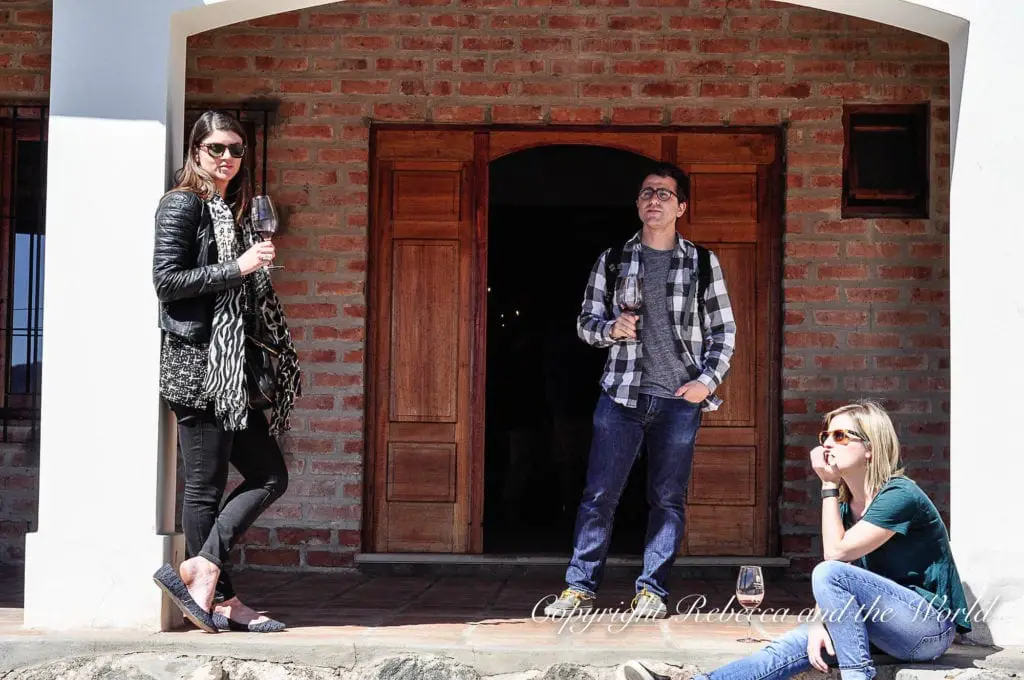
A beautifully built and more commercial winery, Piattelli is a great place for lunch and wine tasting.
The bodega is set at the foothills of the Andes mountains and the vineyards are fed by the melting water that runs from the snow-topped peaks.
The winery offers a range of wine tastings starting from US$9 per person and running up to US$29 per person, which is great value compared to tastings in Mendoza.
We skipped the winery tour here and instead indulged in delicious pasta and desserts and, most importantly, their 2014 Grand Reserve Malbec. We’ve been searching for a bottle of this wine ever since but have had no luck finding one inside or outside of Argentina. This is the reason why I recommend you buy the bottles you love direct from the winery!
We turned up for lunch and a wine tasting without a reservation, but you can email them in advance to ensure a spot.
Piattelli also has 20 beautiful casitas on site. Each has a second-floor terrace with stunning 360-degree views of the surrounding mountains. I would love to stay out here the next time I return to Cafayate.
Address: Ruta Prov. Nº 2
Lunch: Lunch at Patio 360 is served daily from 12-4pm; dinner at Aura Restaurant is from 7pm to midnight
3. El Esteco
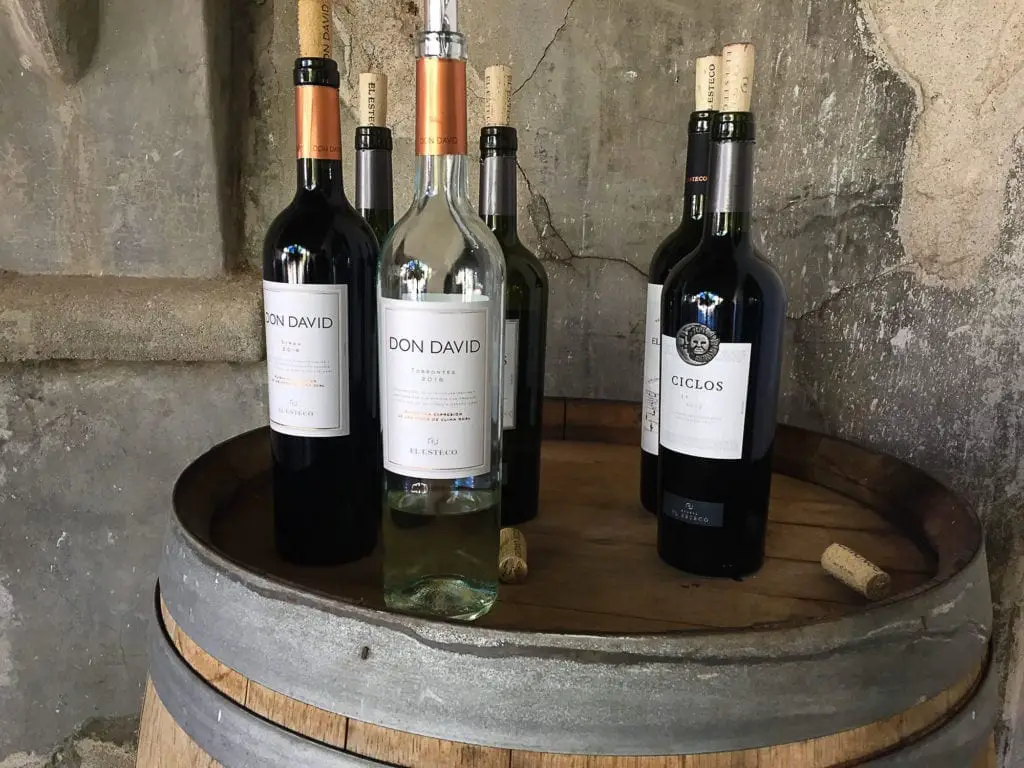
Coming in to Cafayate along Argentina’s famous Ruta 40, El Esteco is the first winery you’re likely to see. This beautiful whitewashed building is framed by mountains and they’ve created an amazing experience here.
We opted out of the wine tour and went straight for a tasting of their Don David and Ciclos lines. Wine tasting prices are reasonable and the pours quite generous.
You can book wine tastings at this Cafayate winery online.
This is another great option for a long lunch, with a restaurant showing off the region’s local products.
Bodega El Esteco also puts on special “Magical Nights” events, with evening wine tastings and food around a campfire.
The winery also has a stunning luxury hotel, Patios de Cafayate.
Address: Ruta 40, kilometre 4343
Wine tastings start from ARS$25.000

4. Bodega Nanni
Bodega Nanni produces organic wines right in the heart of town.
The bodega offers two tastings: regular and premium, both for a reasonable price. The guide who led our tasting was very informative and it was a relaxed tasting session with a small group.
There’s a garden area outside, so you can sit and enjoy another glass of wine when you’ve finished the tour.
Address: Silverio Chavarría 151
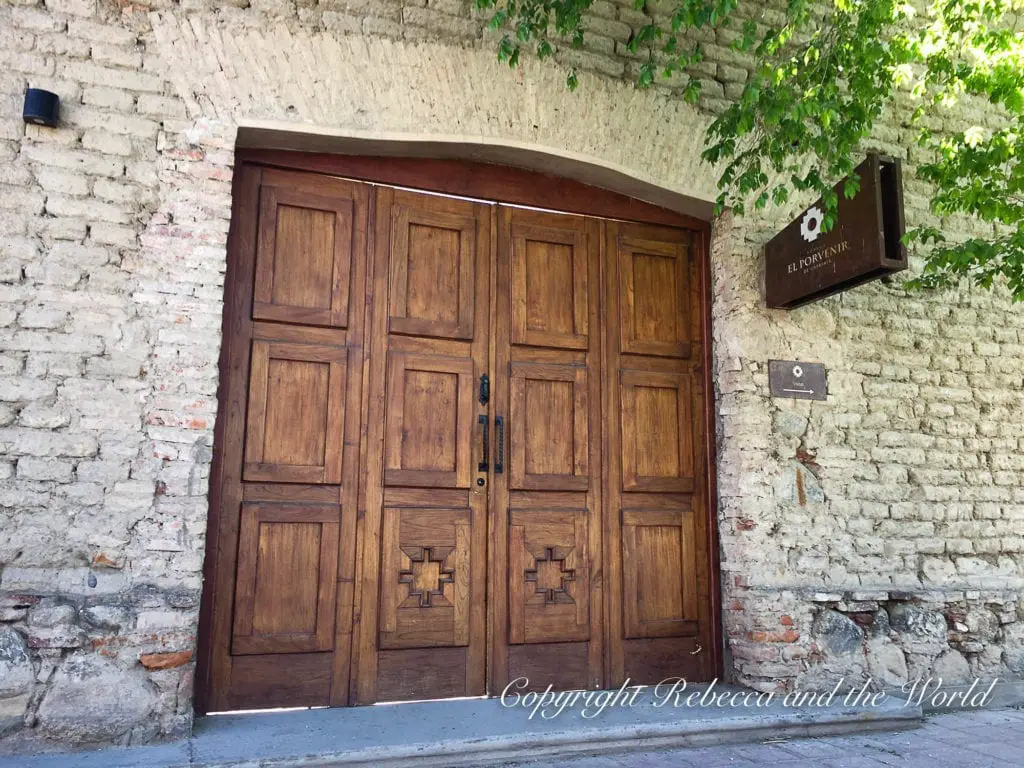
5. El Porvenir
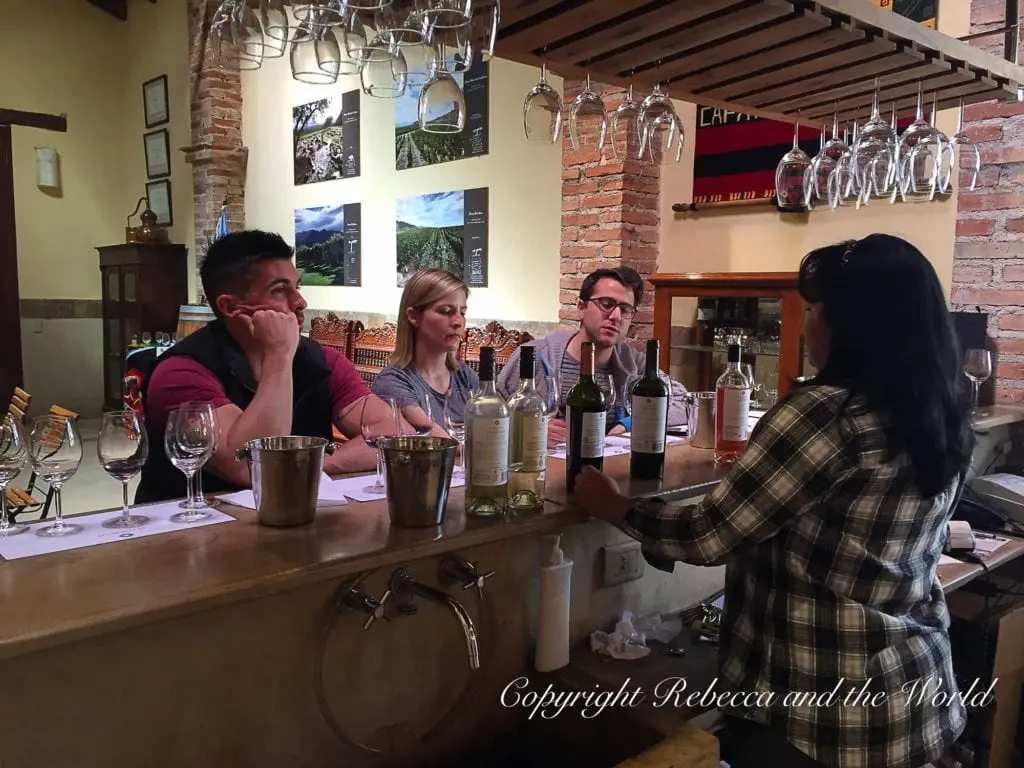
El Porvenir was my favourite tasting experience.
Located right in town, El Porvenir has a dedicated tasting room that was already set up for our group of four when we arrived. The guide was knowledgeable – and generous with her pours.
Book a tour and tasting, which run Tuesday to Sunday at 11am and 4pm. Otherwise, you can pop in between 10am and 6pm just for a tasting.
They also have empanadas and wine tastings, and a fun asado experience several days a week.
Address: Córdoba 32
A guided tour and tasting costs ARS$12.000
6. Chato’s Wine Bar
It’s not a winery, per se, but Chato’s Wine Bar is a great place to stop in, do a tasting of a variety of Cafayate wines from around the region and nibble on a picada plate (cheese and cold cuts). It’s such a relaxing, friendly place to try some local wines.
The owner and staff are very knowledge about Cafayate wine and can design a degustation to suit your wine style.
Address: San Martín 223
Hours: Open daily, 7-10pm
7. Bonus winery: Colomé
Ok, so this is technically not at all near Cafayate but it is a great experience!
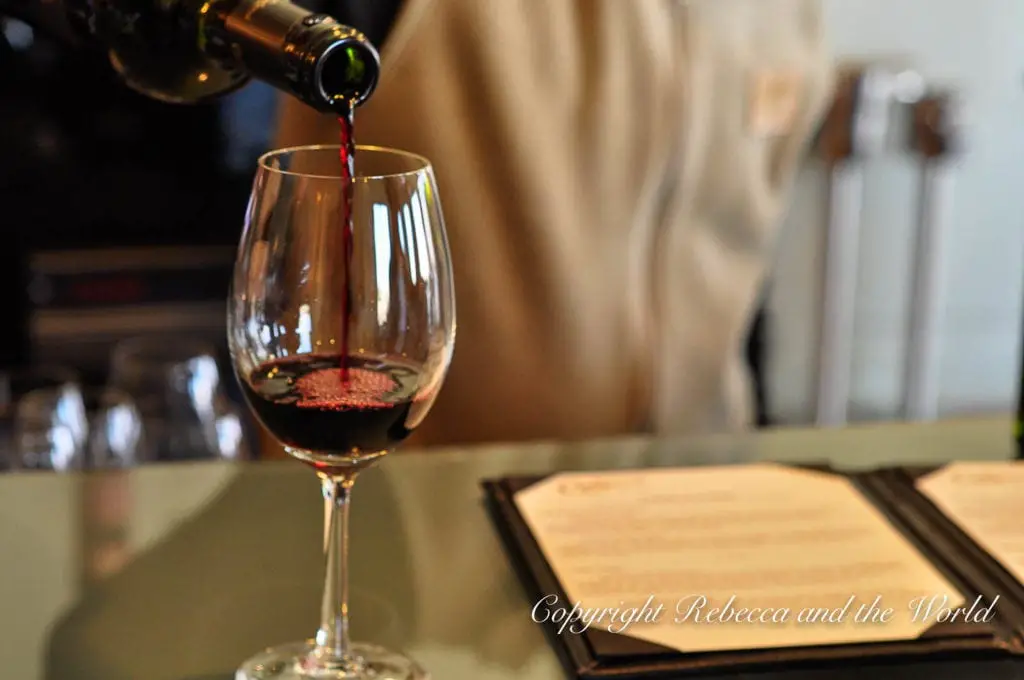
Bodega Colomé is a three-hour drive from Cafayate, but if you’re driving between Cachi and Cafayate, add this to your itinerary. The winery is about 20 kilometres off the main road on a bumpy, dusty track, but well worth it.
This is one of the oldest wineries in Argentina. You need to have an advance reservation for lunch, a delicious menu featuring local produce grown on the estate.
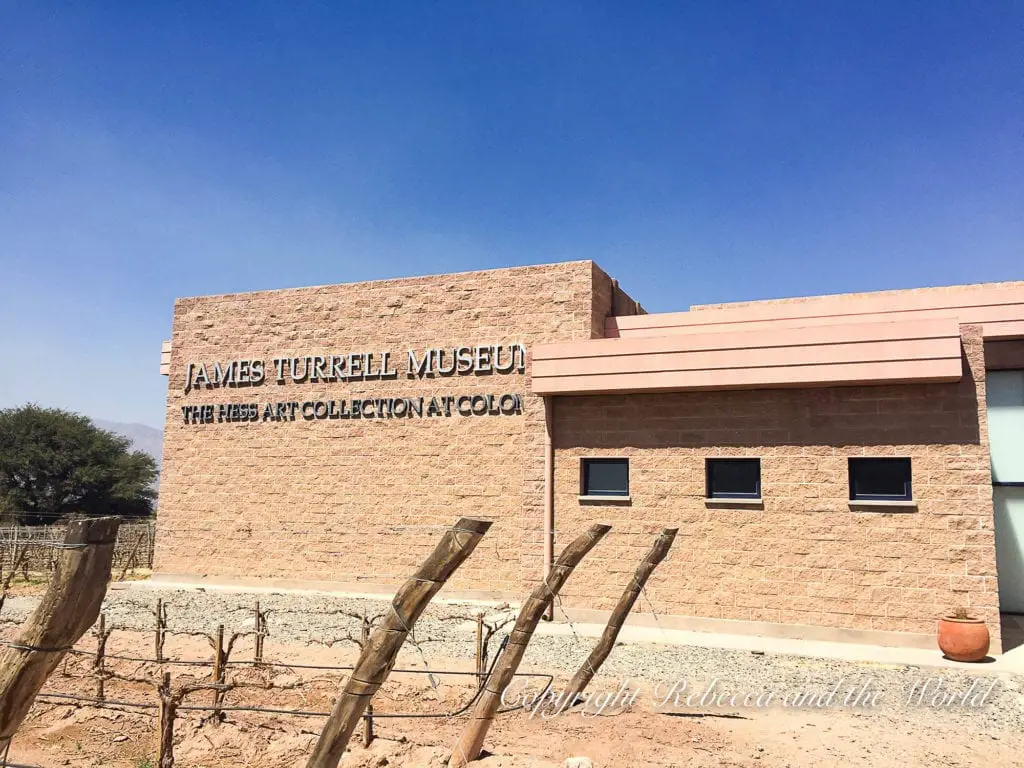
You’ll also need a reservation for a guided tour of the astonishing James Turrell Museum. This museum focuses on light and perception in an utterly mind-blowing way. This is the only museum in the world dedicated to his works and it houses nine of Turrell’s most important pieces. It’s incredible to find that in such a remote location!
Plan to spend about 3-4 hours at Colomé (plus that travel time). Because it’s a journey to get here, consider staying overnight at the estancia.
Address: Ruta Provincial 53, kilometre 20
Wine tastings (including a visit to the James Turrell Museum) start from US$63 or you can simply get a glass of wine
Other recommended Cafayate wineries
While we tried very hard, we just couldn’t visit all the wineries in Cafayate! Other recommended wineries to look into are Finca Las Nubes, Amalaya and Bodega El Transito.
Other things to do in Cafayate
While wine is a major drawcard of Cafayate, there are plenty of other things to do in Cafayate. Break up wine tasting with a few of these suggestions.
Eat all the alfajores
If you haven’t tried these amazing Argentine sandwich cookies then you are missing out! In Cafayate I found them to be more “rustic” with a homemade feel to them. You can buy boxes of these sweet treats from the stores around the main square – you can’t miss the enormous signs. They’re a must-eat traditional Argentinian food.
Try wine ice cream
If you like your wine extra chilled, then try wine ice cream. Yep, you read that right, in Cafayate you can try Malbec and Torrontes wine-flavoured ice cream. The original can be found at Heladería Miranda, but of course everyone’s serving it these days. It’s definitely one of the more unique things to do in Argentina.
Nibble on goat’s cheese
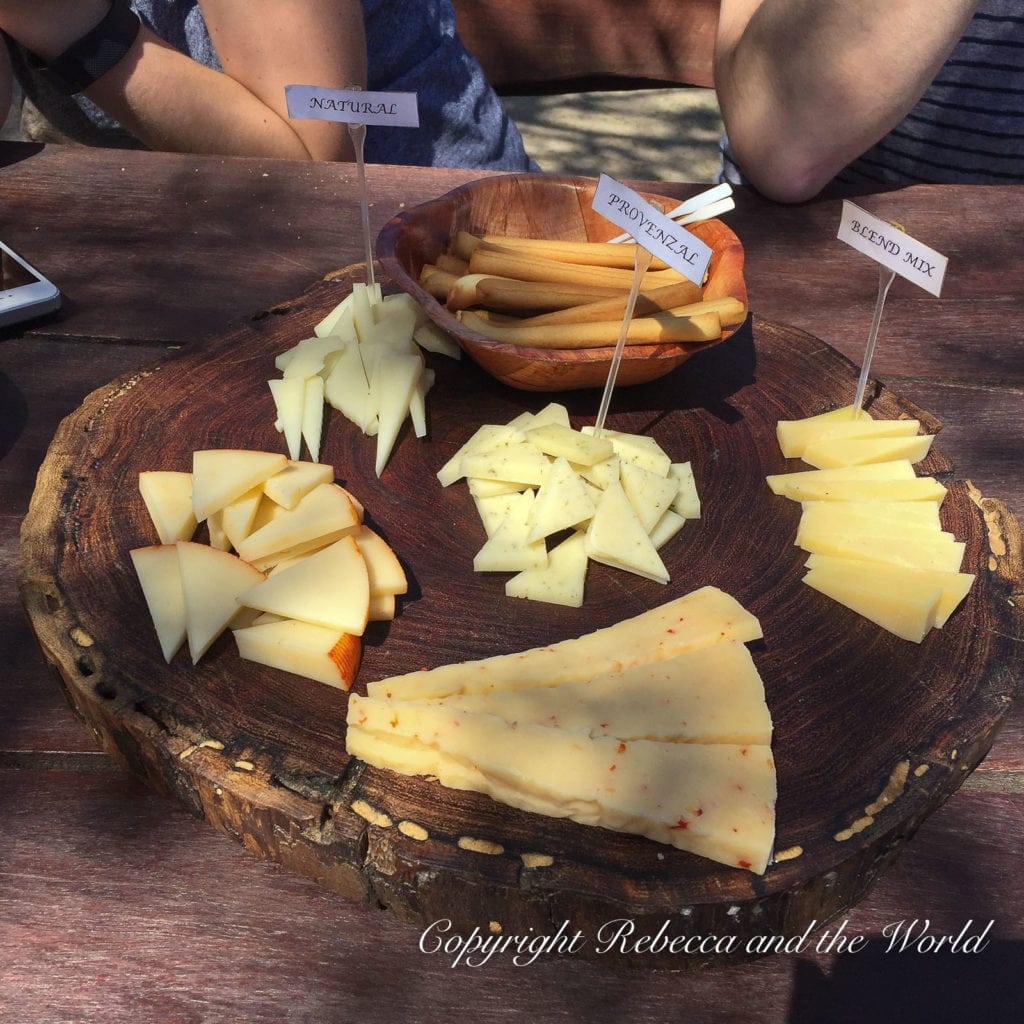
Try the cheese at Cabras de Cafayate, a goat farm on the outskirts of town. Take a tour of the farm or buy a few goat’s cheeses to taste and grab a picnic table out in the sunshine.
Cheese tastings cost from ARS$14.000 and they’re open daily from 9.30am to 5.30pm (until 1.30pm on Sundays). Guided visits are at 10am, 11am, 12pm, 1pm, 3pm and 4pm.
Take a scenic drive
Got a few more days and wondering what to do in Cafayate beyond wine? Make time to explore the spectacular Quebrada de las Conchas (also known as the Quebrada de Cafayate). Stretching between Cafayate and Salta along Ruta 68, this dramatic canyon is one of the most beautiful landscapes in Argentina.
Over millions of years, wind and water have carved the region’s red sandstone into extraordinary formations. As you drive through the quebrada, you’ll pass towering cliffs, colourful rock walls and unusual shapes that seem almost otherworldly.
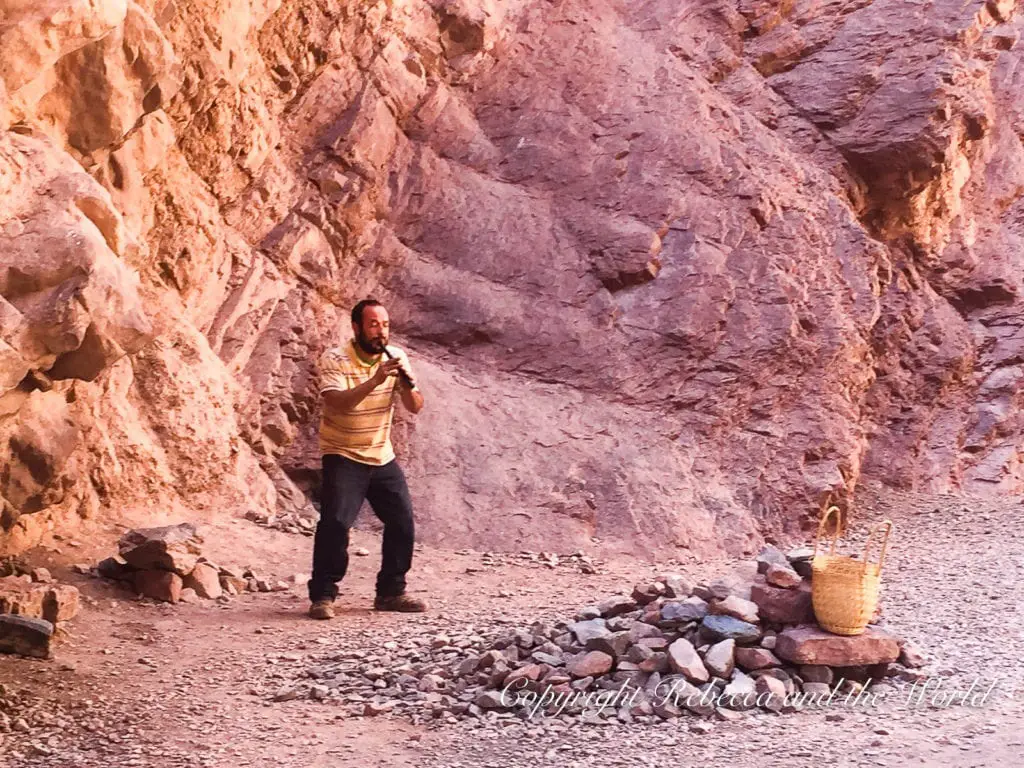
There are plenty of places to pull over along the route. One of the most famous is the Garganta del Diablo (Devil’s Throat), a huge natural amphitheatre where the soaring rock walls create impressive acoustics. Another must-see is El Anfiteatro, a cathedral-like rock formation that often hosts impromptu musical performances thanks to its remarkable echo.
Tip: Bring plenty of water, sunscreen and a hat, especially during the warmer months. There are very few services along the route and temperatures can soar during the middle of the day.
Cafayate wine region travel guide
Now you know where to go wine tasting in Cafayate, here’s some information so you can plan your trip. I’ve also got a full guide to planning a trip to Argentina and lots of handy Argentina travel tips, as well as Argentina itinerary ideas.
How many days do you need in Cafayate?
I recommend spending two to three days in Cafayate. This gives you enough time to visit several wineries, enjoy a winery lunch and explore the spectacular Quebrada de las Conchas.
While it’s possible to visit as a day trip from Salta, staying overnight allows you to experience Cafayate’s relaxed atmosphere and enjoy the wine region at a much slower pace.
How to get to Cafayate
The closest airport to Cafayate is in Salta, the capital city of Salta province in the north of Argentina. Flights run daily from Buenos Aires.
✈️ CHECK FLIGHT PRICES AND SCHEDULES ✈️
I highly recommend making your trip to Cafayate part of a broader road trip through the north of Argentina – it remains one of the best road trips I’ve ever done and I could wax lyrical about the astounding beauty of this region.
Hire a car in Salta and get on the road for the 3-hour drive to Cafayate. Check car rentals here. I have a guide to renting a car in Argentina with everything you need to know.
If you’re not comfortable driving, buses run from Salta to Cafayate daily (four hours).
There’s also a bus from Buenos Aires to Cafayate, which takes around 20 to 25 hours.
→ READ NEXT: How to plan a north Argentina road trip
The best time to visit Cafayate
You can visit Cafayate year-round, as the weather is generally pleasant all the time. However, the best time to visit Cafayate and Northwest Argentina is from April to November.
December and January are the hottest months, and also the months with the highest rainfall. Rains can wash away the roads, so you will need to check road conditions before setting out.
Like in Mendoza, the harvest happens in February/March. This is a great time to visit Cafayate, with seas of green vineyards to be seen and plenty of action.
We visited in September so we didn’t see full, lush vines, but for us the weather was pretty much perfect, with warm, sunny days and coolish nights. There was also hardly anyone around so we often had tasting rooms all to ourselves!
Where to stay in Cafayate
There are so many gorgeous hotels in Cafayate, from rustic accommodations in historic buildings to luxury resorts. Here are a few recommendations.
- Splash out for a room at Grace Cafayate (Ruta Nacional 40, Km 4340). This is where we stayed during our visit to Cafayate. It’s located in a winery and has comfortable rooms (ours had a huge bathtub). Check rates online at Booking.com.
- Villa Vicuña comes highly recommended. This boutique hotel has only 12 rooms in colonial Spanish style. Expect amazing service, from what I hear! Check rates online at Booking.com or Expedia.
- Hotel Asturias is a country-style hotel with cute little balconies. Rooms are comfortable and it’s right in the heart of Cafayate. Check availability at Booking.com
Wrap up: Best wineries in Cafayate
While Mendoza may be Argentina’s most famous wine destination, Cafayate offers something completely different. Between the high-altitude vineyards, dramatic desert landscapes and relaxed atmosphere, it’s one of the most memorable places I’ve visited in Argentina.
Whether you’re a serious wine lover or simply enjoy discovering lesser-known destinations, Cafayate deserves a place on your Argentina itinerary. Spend your days tasting Torrontés straight from the source, lingering over long winery lunches and exploring the spectacular landscapes of the Quebrada de las Conchas.
I arrived expecting great wine. What I didn’t expect was to fall in love with the region itself. If you’re looking to experience a quieter side of Argentina’s wine culture, I think you’ll love Cafayate as much as I did.
Cafayate wine FAQs
What makes Cafayate unique as a wine region?
Cafayate has high-altitude vineyards – some of the highest in the world – which contribute to a significant temperature variation between day and night. This helps in developing the aromatic qualities and acidity in the wines, particularly the Torrontés, which is a flagship white wine of Argentina known for its floral and citrus notes. My favourite wine!
Which wineries should I not miss in Cafayate?
My top picks are: Bodega El Esteco, known for its exquisite architecture and premium wines; Piattelli Vineyards, offering stunning views and excellent Torrontés; and El Porvenir, which has a great wine tasting program.
Do I need to book winery tours in advance?
Wineries differ. Most you can turn up to without a reservation, but to guarantee a spot, it’s best to book your winery tours in advance, especially during peak tourist seasons. Most wineries do welcome walk-ins for tastings. Check their websites for details.
Can I visit wineries in Cafayate without a car?
I recommend having a car (and a designated driver!) to explore Cafayate’s wineries at your own pace. You can also hire a bike to visit some of the wineries that are closer to town. You could also consider a winery tour so someone else drives.
What is the best time of year to visit Cafayate’s wineries?
The best time to visit is during the grape harvest season, from late February to early April, when the region comes alive with harvest festivals and you can see the winemaking process in action. Between April and November is the most pleasant time for weather. However, Cafayate enjoys a pleasant climate year-round, making it a great destination at any time.
Are there any accommodations within the wineries?
Yes, several wineries in Cafayate offer accommodations, ranging from luxury lodges to cozy guesthouses, allowing guests to stay amidst the vineyards. Patios de Cafayate is one of the most beautiful options in the region.
What other activities can I enjoy in Cafayate besides wine tasting?
Beyond wineries, you can explore the Quebrada de Cafayate, visit local artisan markets for handmade crafts and taste regional cuisine (which pairs wonderfully with local wines!). Outdoor activities like hiking, mountain biking and horseback riding are also popular.
Are Cafayate’s wineries family-friendly?
Many wineries welcome families, and some may offer activities or spaces designed for children while parents enjoy the wine tasting. Check with individual wineries beforehand.
How can I ship wine home from Cafayate?
Many wineries offer shipping services directly to your home country. I definitely recommend doing this at the winery, as some Argentinian wines are hard to find elsewhere in the world. Alternatively, local shipping companies in Cafayate specialise in international wine shipping and can assist with the logistics and customs regulations.
Did you find this article helpful? Consider buying me a coffee as a way to say thanks!
Would you visit the Cafayate wine region? Let me know if you need any help planning your trip, and drop me your questions in the comments below.
Need help planning your Argentina trip? 🇦🇷
Feeling overwhelmed about planning your trip to Argentina? I get it. And I can help! I offer one-to-one travel consultation calls to help you plan your trip to Argentina. In an hour, we can map out a realistic itinerary or work through your specific questions so you can book an incredible trip. Save hours of your time with my local knowledge and expertise.
Read next
Looking for more Argentina travel inspiration? You might also like these articles:
- Plan an Epic North Argentina Road Trip
- How to Spend 2 Weeks in Argentina
- 50 Incredible Things to Do in Argentina
- The Most Amazing Places to Visit in Argentina
- How to Spend 3 Days in Mendoza
- The Best Wineries in Mendoza
- Where to Stay in Mendoza
ARGENTINA TRIP ESSENTIALS
- Book your flight to Argentina online with Skyscanner. I like how this site allows you to find the cheapest days.
- One thing I always purchase is travel insurance! Travel Insurance Master allows you to compare across multiple policy providers, while SafetyWing is great for long-term travellers and digital nomads.
- Wise is my choice for sending and receiving money and spending money overseas (you can get a digital and physical card).
- Find a great hotel in Argentina. Check prices on Booking.com and Expedia online.
- Check out the huge range of day tours throughout Argentina on GetYourGuide or Viator. I love a good food tour in particular!
- Saving money? Check out the range of free walking tours across Argentina with GuruWalk (don’t forget to tip!).
- How to get around? I use DiscoverCars for car hire, or Motorhome Republic and Jucy for campervan/RV rental. For buses, trains and ferries, I use 12GO, Busbud and Omio.
- Grab an e-sim to stay connected while on the road.
- A copy of the Lonely Planet guide to Argentina will be handy. Also pick up a Spanish language phrasebook to help you navigate your visit.
- Keep those bottles of wine you’ll be buying safe in these wine bags.
- Check out my Amazon shop for my fave travel items – everything from backpacks and suitcases to travel adapters and beauty products.
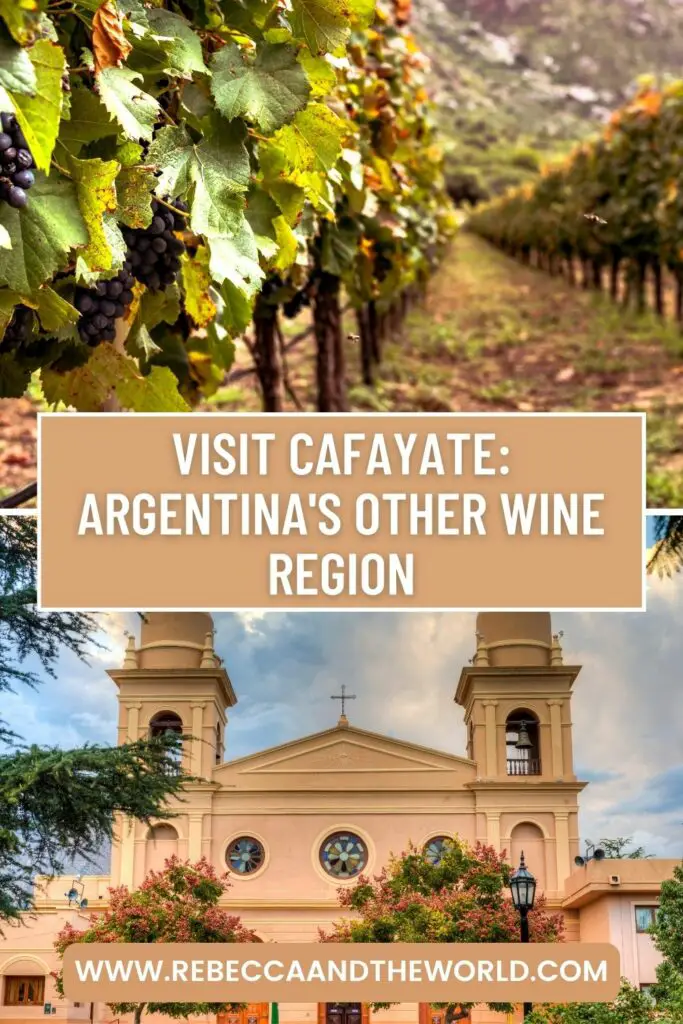
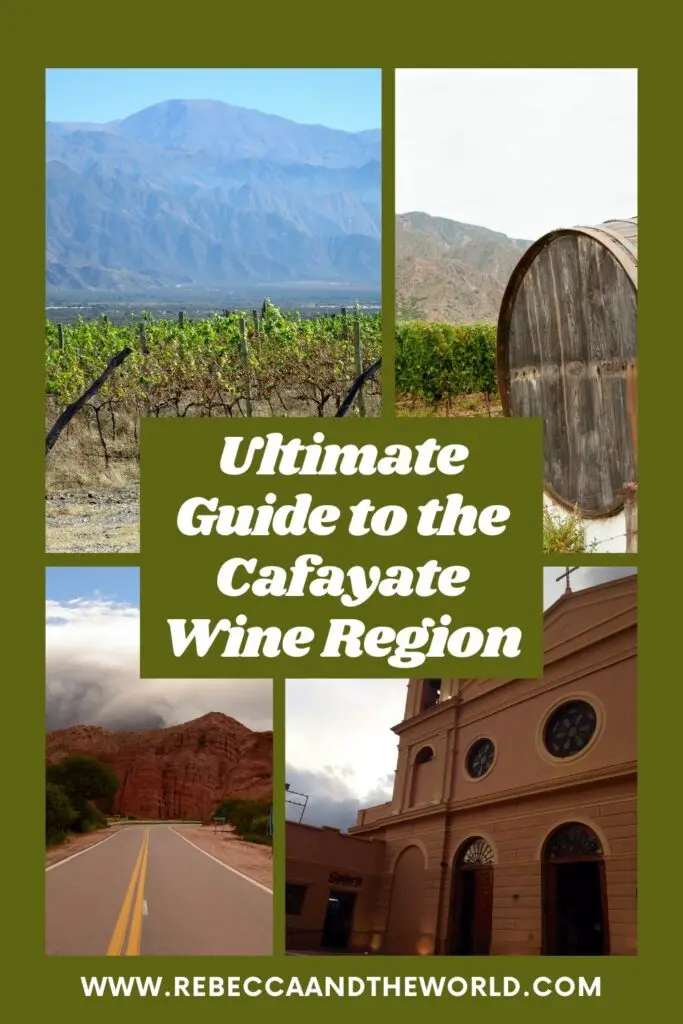
PIN IT FOR LATER: WINERIES IN CAFAYATE
Liked this post? Save this guide to wineries in Cafayate to Pinterest.

Just wanted to say “Hi!” Found your website while researching a West Texas Road Trip (March 2022). Noticed you had an article on Cafayate, which caught my eye. When I retired in 2003, my son and I took a 9 month road journey from San Diego to Ushuaia and back in a Toyota 4-Runner. Long story short, we got lost in NW Argentina, found ourselves in Tucuman. Next day, looking at the map and guidebook (No GPS!) we saw “Cafayate” was a wine producing region. Nuf Said!
Next day, at the last (of several!) wineries, the cute young Hostess and my son were very busy chatting in Spanish (unfortunately I’m not bi-lingual). I assumed he was getting travel information for the road. Sometimes parents can be naive! Fast forward to December 2005 and my wife CeCe and I were in Cafayate for a wedding. After 5 days of great fun (and a wedding!) CeCe and I were on the bus headed to Bolivia. But that is another story!
Any secret tips on West Texas (or New Mexico) I’m All Ears!
I need to go back to Argentina and do it better than I did my first visit! Saving this for when it happens!
Don’t worry I was the same – after we left I discovered so many other great wineries through other people’s blogs! But yes, get back there! 🙂