
Wondering how to spend 2 days in Madrid on your first visit? This guide covers the best things to do and how to squeeze them into a short trip.
While plenty of travellers head straight for Barcelona, Madrid is where I’d happily live – or happily return to time after time. There’s art and architecture everywhere you look, tree-lined boulevards, centuries-old traditions and a late-night spirit that’s contagious (even for an early bird like me).
I’ve been to Madrid twice, and every time I’m here I find even more reasons to love this city.
If it’s your first time visiting Spain’s capital, this two-day Madrid itinerary is for you. It will be rushed – two days in a big city like Madrid always will be! – but it’ll give you a feel for Madrid’s culture, food and most iconic sights. You’ll spend a lot of time walking around beautiful buildings, exploring museums and wandering character-filled neighbourhoods – all while eating your way through the local specialties.
Here’s how to make the most of 48 hours in Madrid.
If you’re not a resident of the EU, you’ll need to register for the Entry/Exit System (EES) when you travel to Europe. Digital registration happens when you cross borders. You can find out more information online here. Later (possibly 2027, although there’s no confirmation), the European Travel Information and Authorisation System (ETIAS) will kick off. More information about that here.
This blog post may contain affiliate links, meaning if you book or buy something through one of these links, I may earn a small commission (at no extra cost to you).
How many days in Madrid?
Two days in Madrid is enough to see the essentials. You’ll be busy from morning until late at night, but you’ll leave with a good sense of the city’s personality and highlights.
If this is part of a longer trip around Spain, think of your two days here as a taster that will almost certainly have you planning a return visit.
If you can, though, give Madrid at least three full days – or more! The city has a lot to offer beyond its headline sights, and a longer stay means more time to linger in neighbourhood cafes, visit additional museums and take day trips to places like Toledo or Segovia.
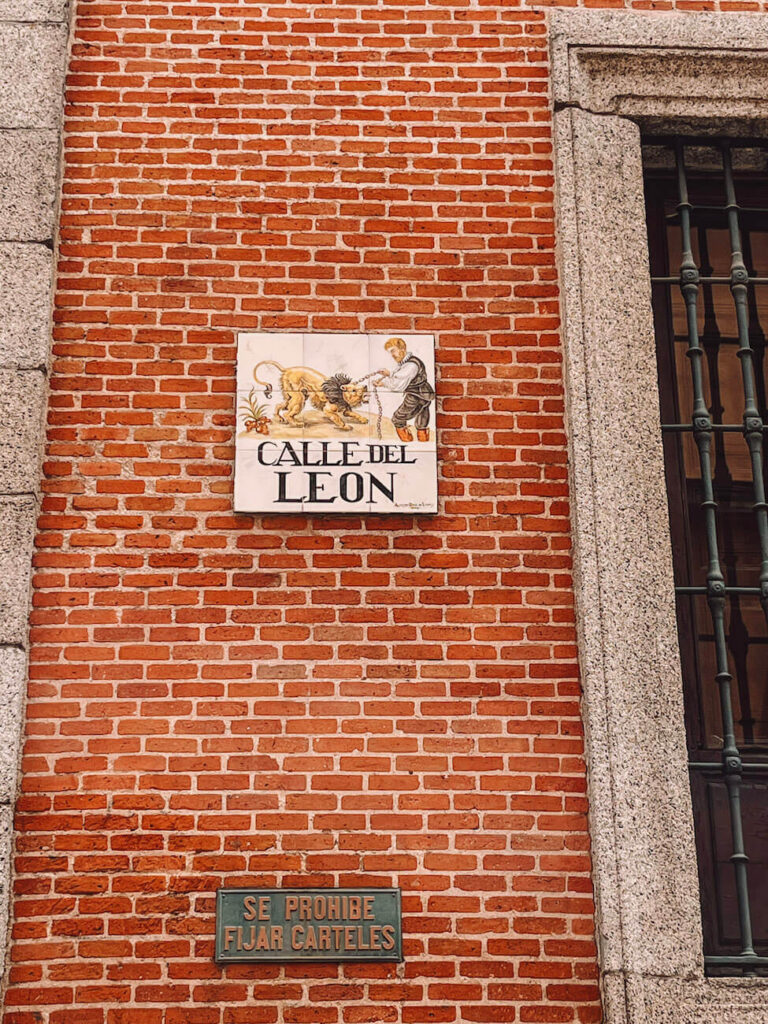
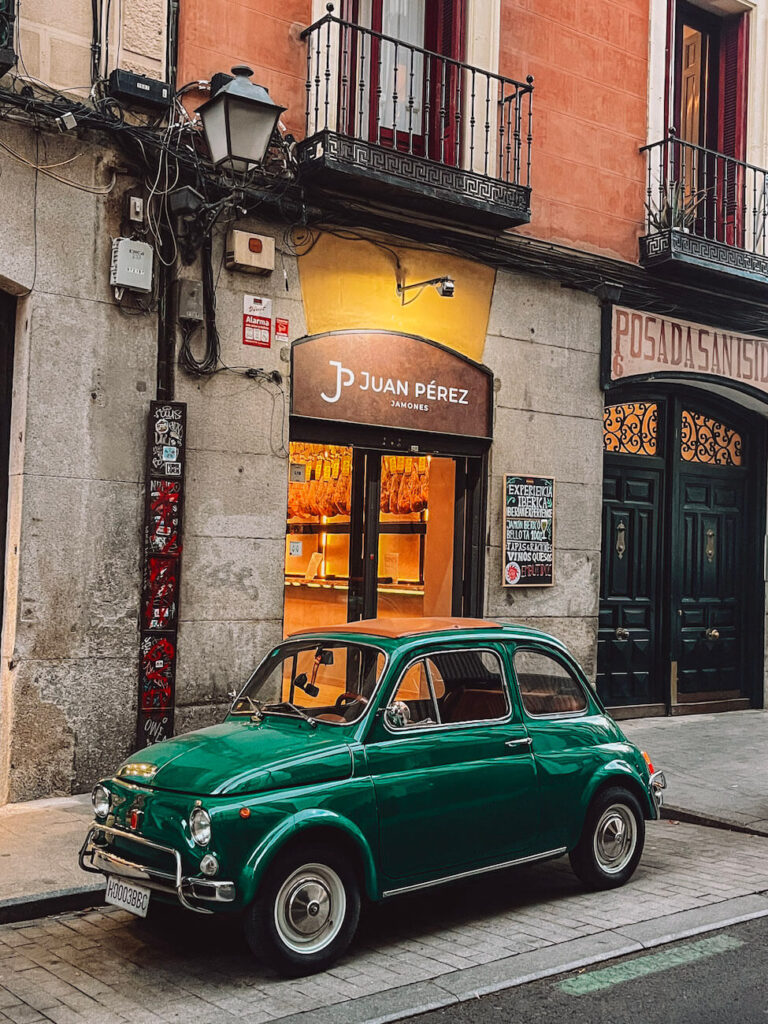
Best things to do in Madrid
If you only have a couple of days in Madrid, you’ll want to focus on the city’s highlights — grand landmarks, leafy plazas, world-class art and a food scene that won’t leave you hungry. Here are some of the best things to do in Spain’s capital:
- Visit the Royal Palace of Madrid, the largest royal palace in Europe by floor area
- Wander through Plaza Mayor and Puerta del Sol, the city’s two most famous squares
- Stroll along Gran Vía, Madrid’s version of Broadway, lined with theatres and early 20th-century architecture
- Explore El Retiro Park and go inside the beautiful Crystal Palace
- Take in art masterpieces at the Prado Museum or modern works at the Reina Sofía
- Hop between tapas bars in La Latina, especially along lively Calle de la Cava Baja – or take an incredible food tour
- Watch an intimate flamenco show at a traditional tablao like Corral de la Morería or Cardamomo
- Catch sunset views from a rooftop bar
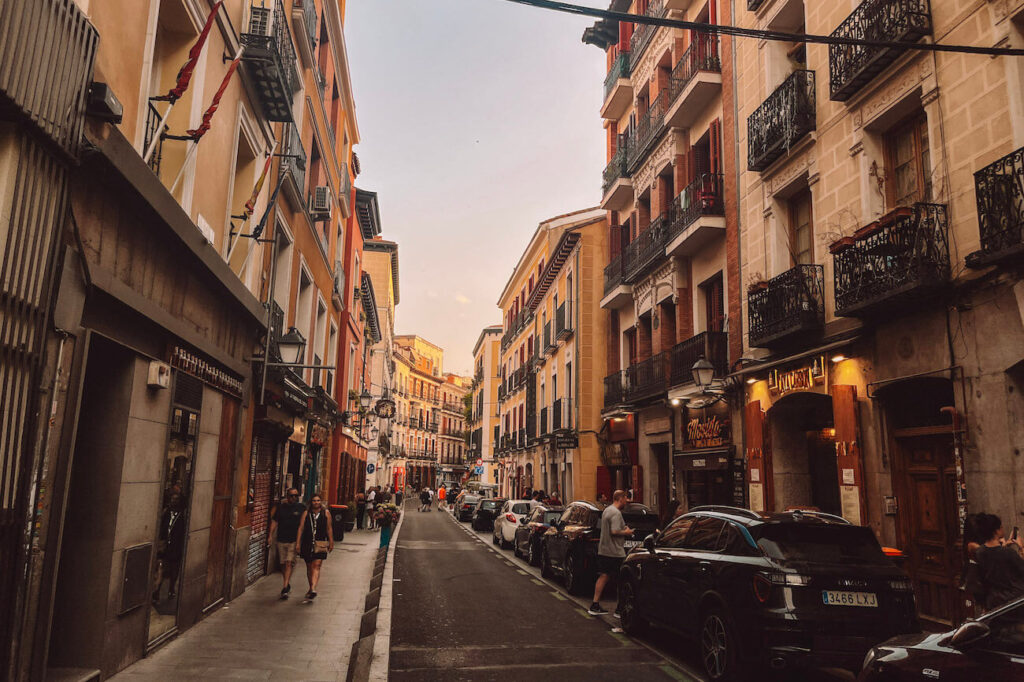
2-day Madrid itinerary
Day 1: Walk the city
Today is all about hitting the pavement and soaking up the best of Madrid on foot. You can either book a free guided walking tour like this one, or follow the route below at your own pace.
This self-guided route covers historic landmarks, leafy plazas and some of the city’s most beautiful architecture. Take it at your own pace and stop often for coffee, vermouth or a snack.
This is a very full day of walking, so listen to your body and feel free to skip some places or linger longer in others!
Start your morning at Templo de Debod, an ancient Egyptian temple that now sits on a hill overlooking the city. Gifted to Spain in the 1960s, it’s a peaceful spot early in the day, with panoramic views over Madrid and far fewer visitors than later on. (Alternatively, this is an excellent spot for sunset!)

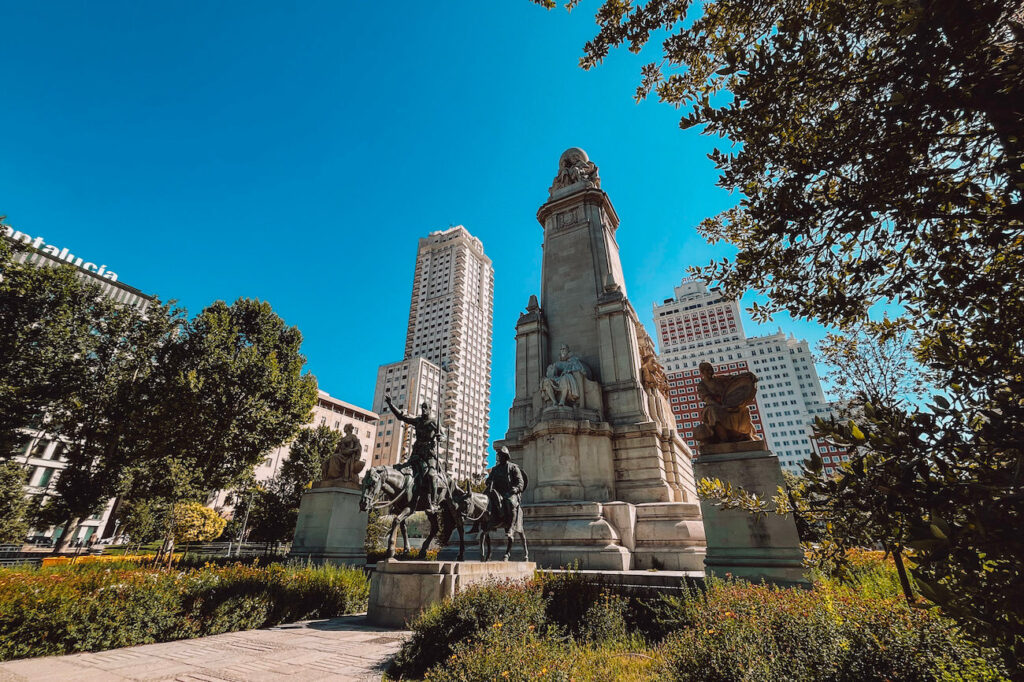
From here, make your way toward Plaza de España, a wide, open square with gardens, fountains and shady seating. Spaniards love highlighting their literary masters, and there’s a huge statue of novelist and writer Miguel de Cervantes seated behind Don Quixote and Sancho Panza.
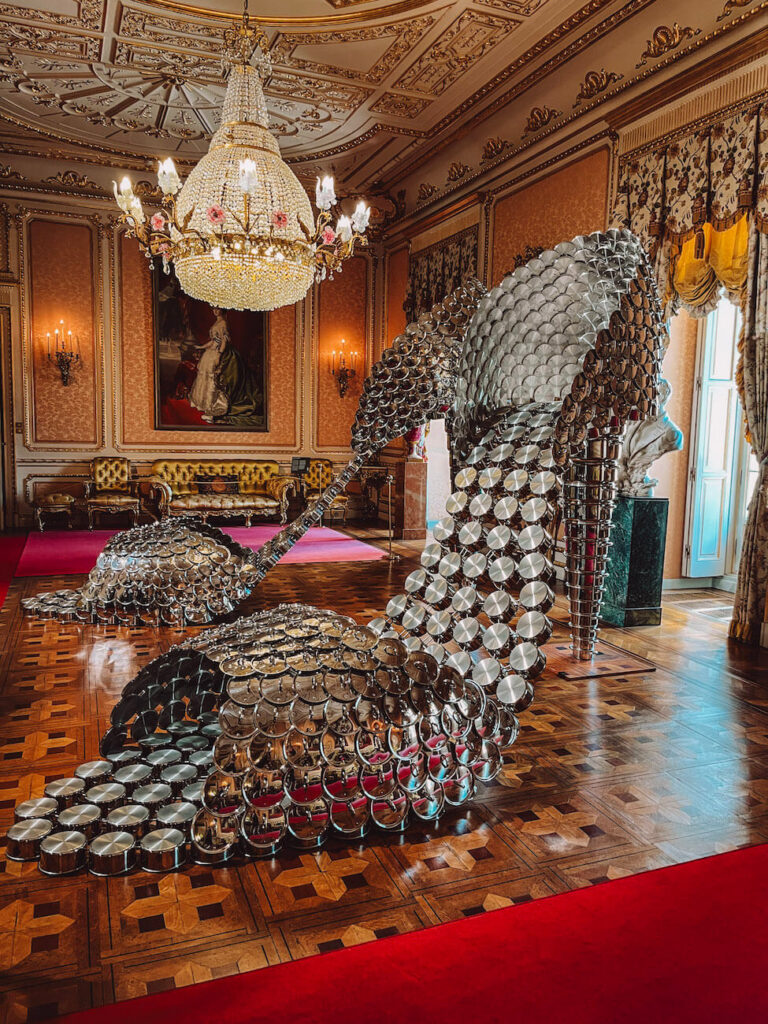
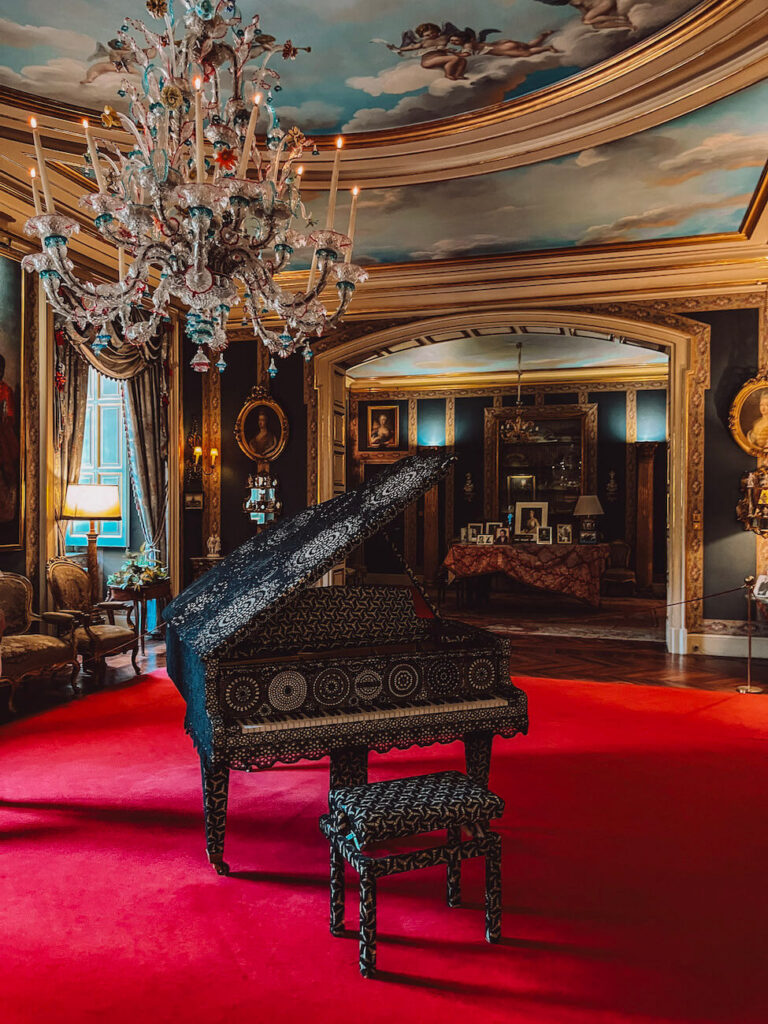
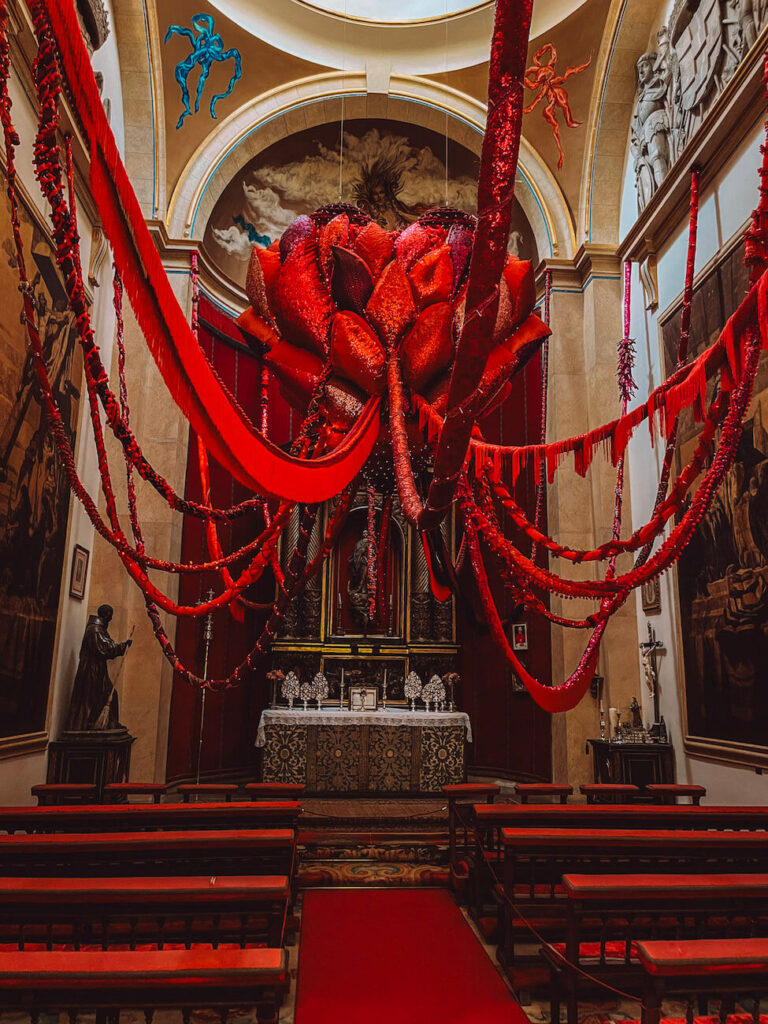
Next, if you’re an architecture buff, detour a few blocks to visit Palacio de Liria. Often called the “little brother” of the Royal Palace, this grand residence is still privately owned by the Alba family. Wander through the richly decorated rooms filled with art, rare books and historic artefacts. It’s a more intimate glimpse into aristocratic life than the Royal Palace (which is coming up later in this itinerary). The palace often hosts special exhibitions – on our last visit we saw the very striking Flamboyant by Joana Vasconcelos.
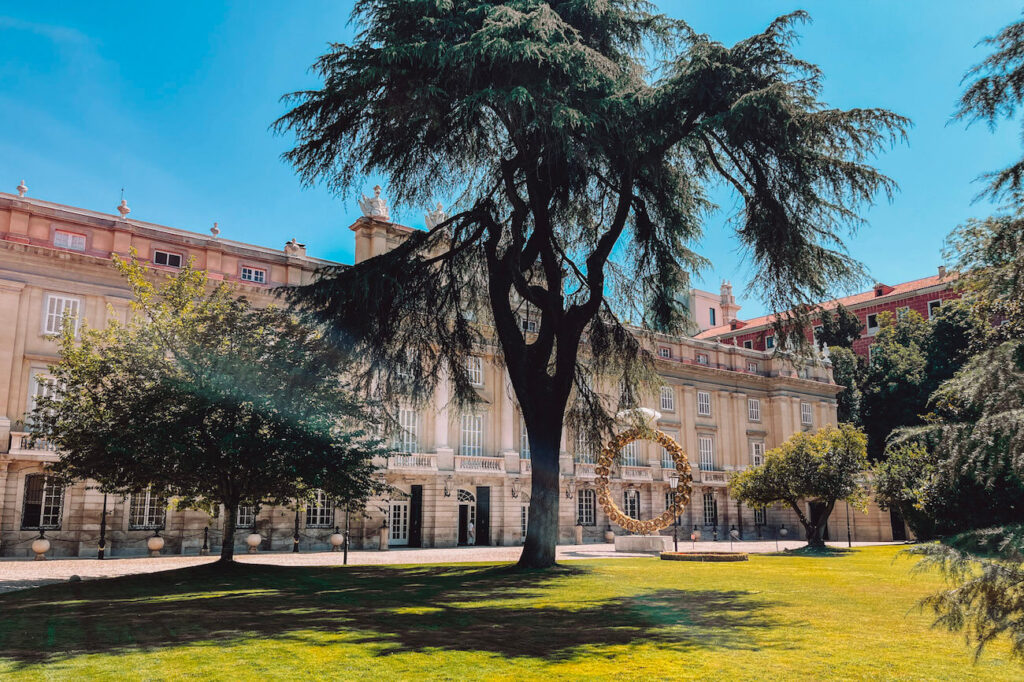
After your visit, head back toward the Sabatini Gardens, the formal gardens beside the Royal Palace. They’re small but elegant, with neatly trimmed hedges and a great view of the palace’s north facade. From here, wander into Plaza de Oriente, framed by the Royal Palace on one side and the Royal Theatre on the other, and dotted with statues of Spanish monarchs.
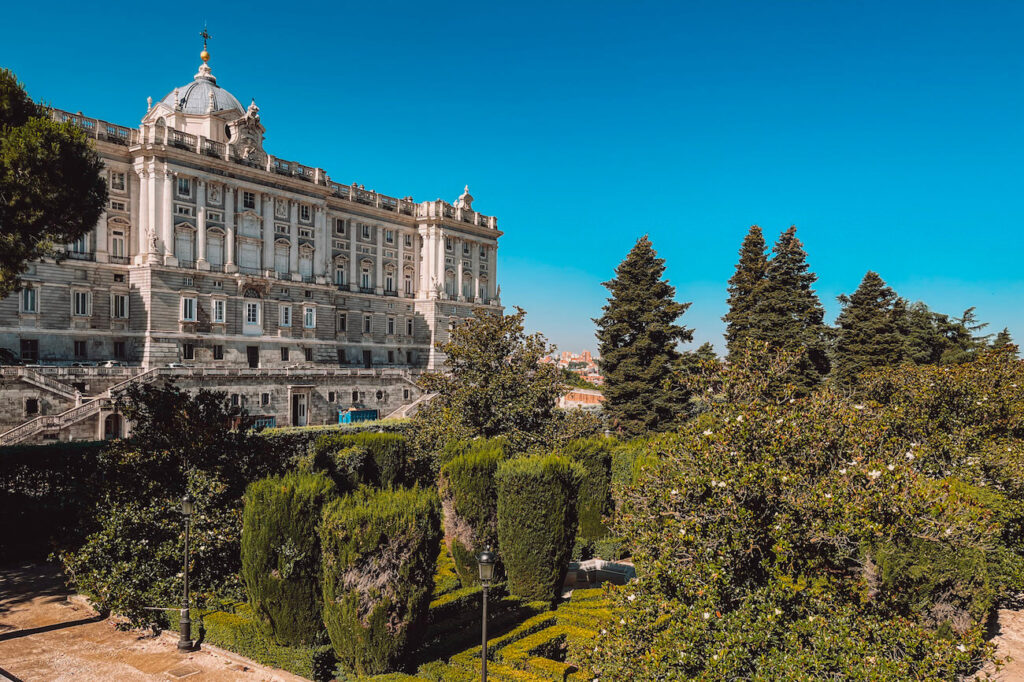
If you’re keen, step inside the Royal Palace of Madrid for a guided tour. It’s the largest royal palace in Europe by floor area and packed with ornate rooms and historic treasures. Even if you don’t go inside, walking around its exterior gives you a sense of its scale and grandeur. I’ve never actually visited inside – I’ve been more than happy to marvel at it from outside. You can book tickets online here.

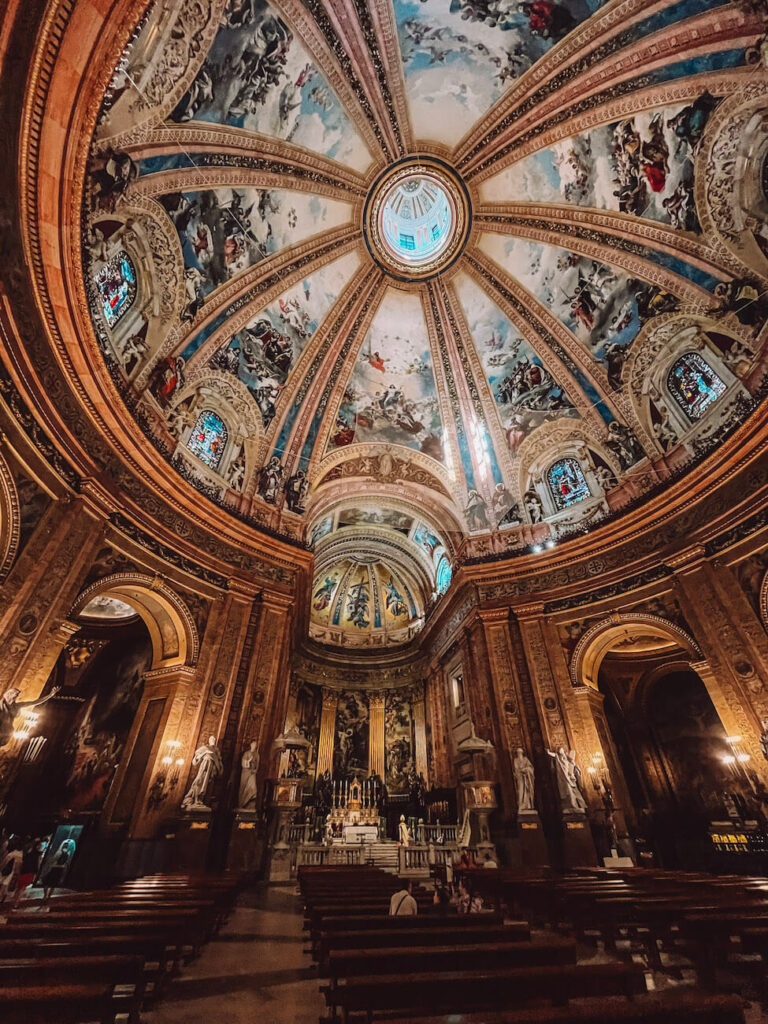
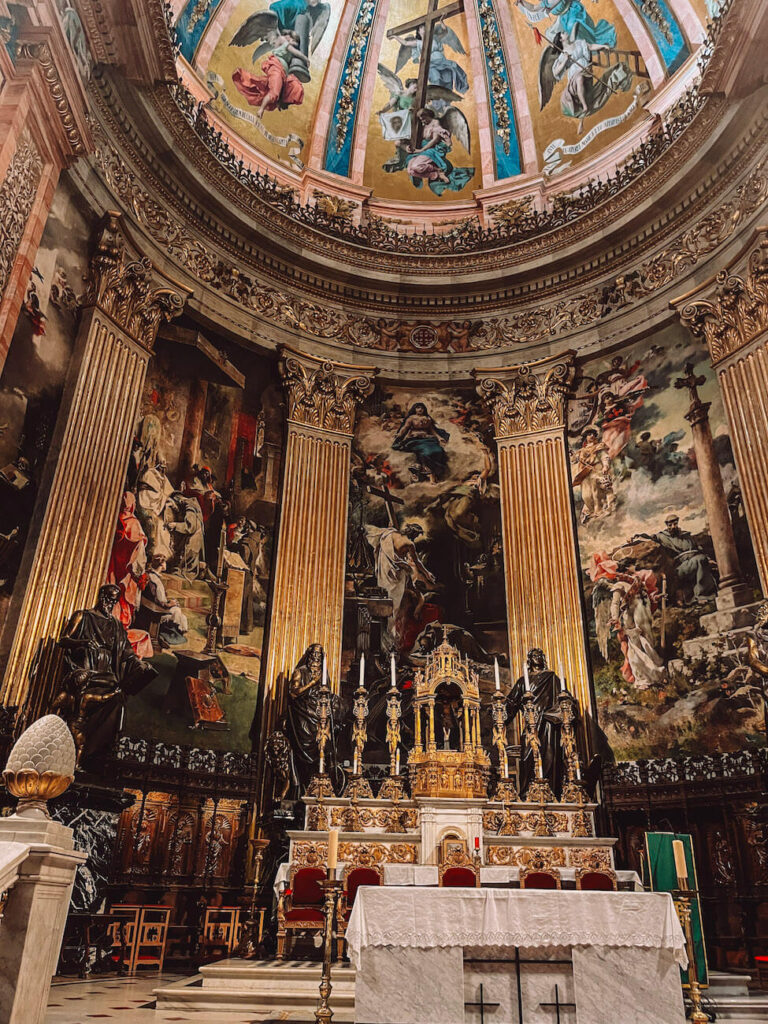
Next up, pick one of two churches. Right next door to the Palace is Almudena Cathedral. You can climb to the rooftop for sweeping city views. However, I’d recommend continuing on a bit further to the Real Basílica de San Francisco el Grande. In a somewhat residential area, it has one of the largest domes in Europe and chapels lined with beautiful artwork – I was blown away by how stunning the interior is.
By now, it’s time to refuel. Wander to Mercado de San Miguel, an elegant iron-framed market where you can sample tapas and sip a glass of vermouth or cava. This is more of a tourist than local’s market, though – but there are still plenty of great foods to try.

Just a short stroll away is Plaza Mayor, Madrid’s most famous square. This is a place for people watching, lingering over coffee at a café terrace or simply wandering under its arched colonnades.

When you’re ready, continue to the Monasterio de las Descalzas Reales. This former royal palace turned convent hides an unexpectedly opulent interior, and the guided tours are full of fascinating history – but only offered in Spanish. However, you can book tours in English online here.
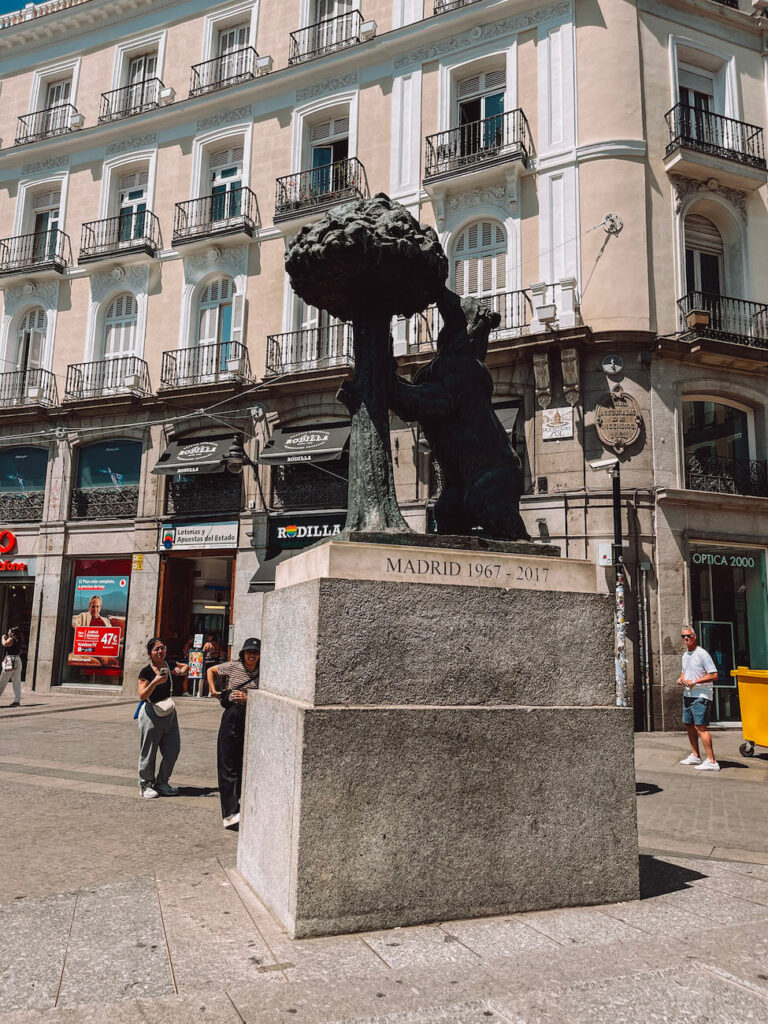
From here, walk to Puerta del Sol, where you’ll find constant street activity and the Bear and the Strawberry Tree statue (El Oso y el Madroño). This bronze sculpture is one of Madrid’s most important symbols, representing the city’s coat of arms. Like Plaza Mayor, this square is always buzzing, so enjoy the people watching, grab another drink or snack, or do some shopping.
End the day along Gran Vía, Madrid’s answer to Broadway, with its grand theatres, flagship stores and early 20th-century architecture.
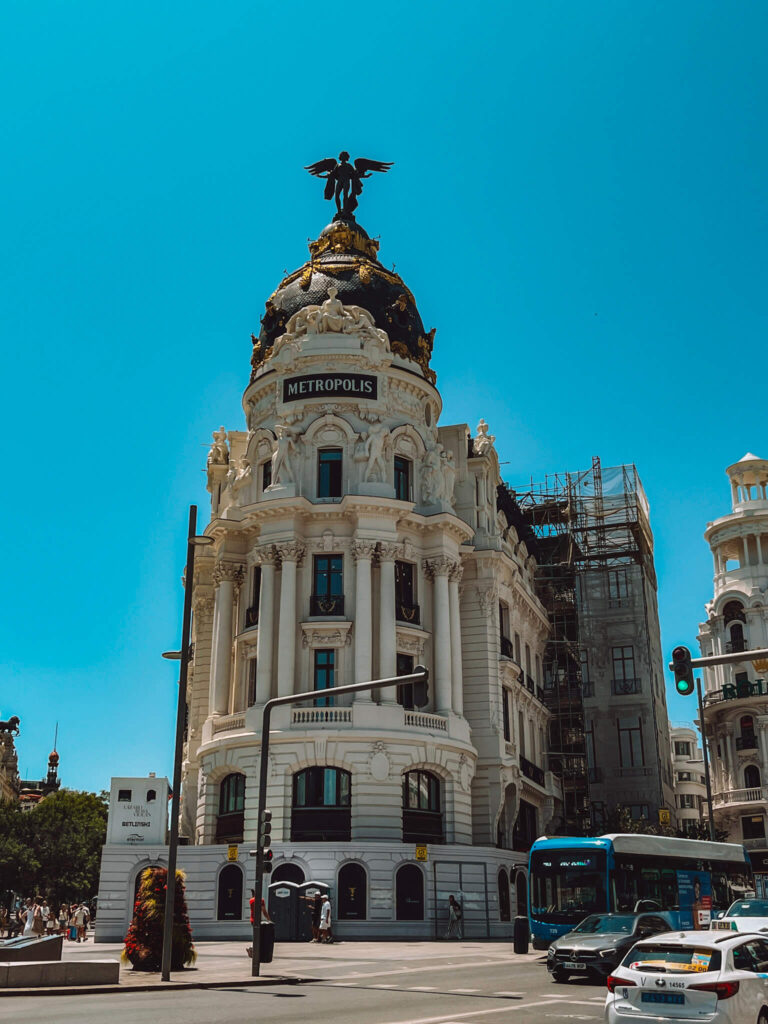
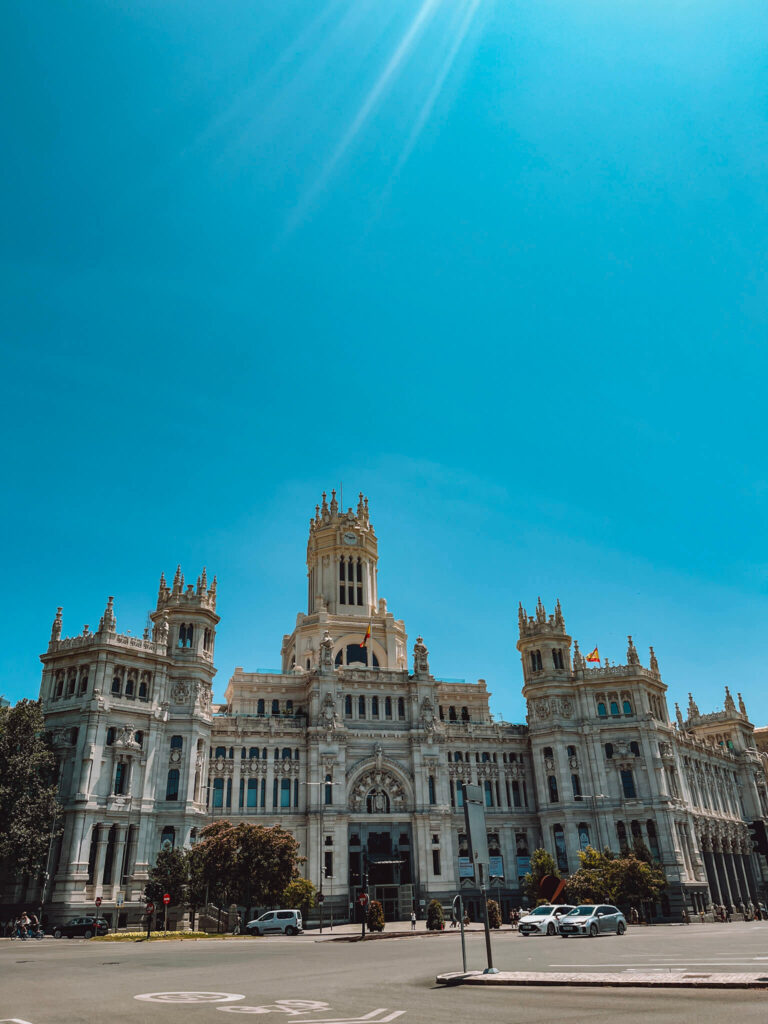
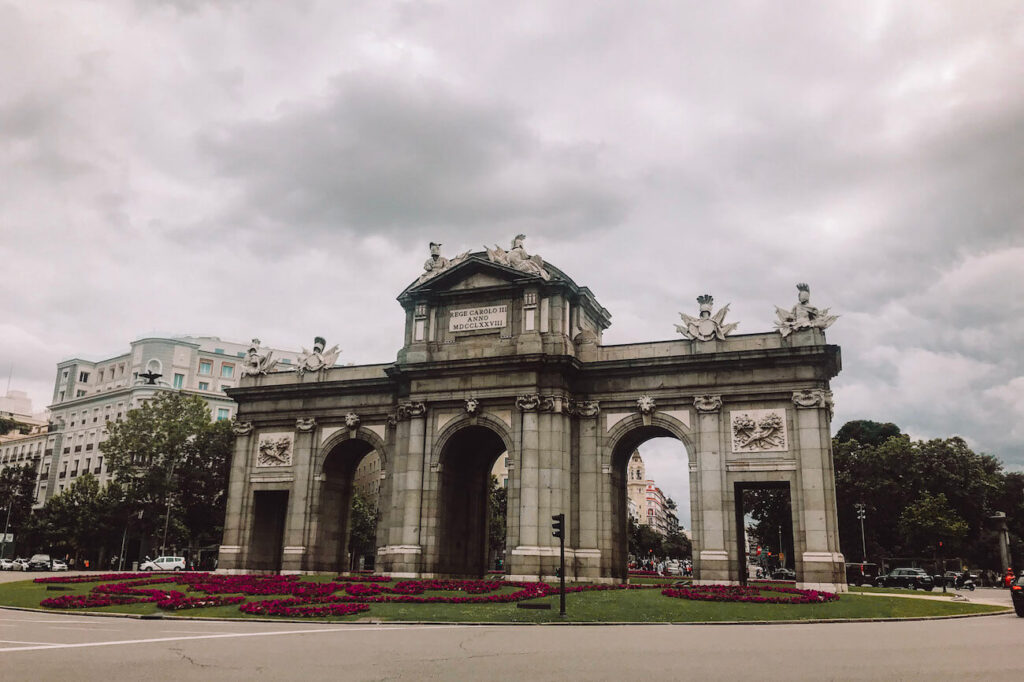
A final stroll will bring you to Puerta de Alcalá, the elegant 18th-century triumphal arch that looks especially beautiful when lit up at night.
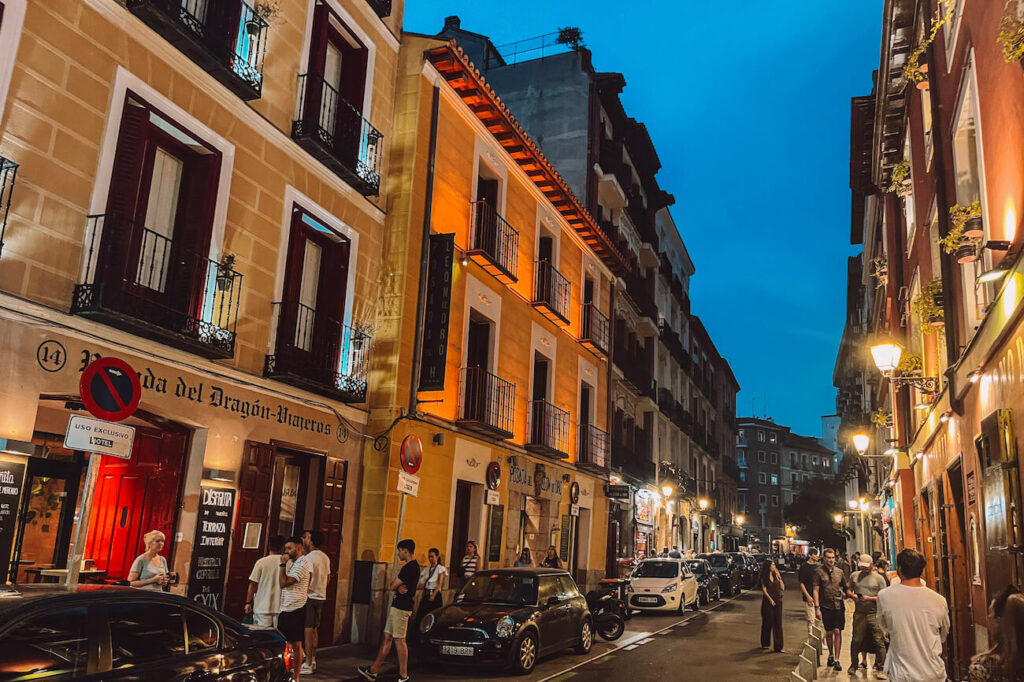
As evening falls, head to La Latina for a tapas crawl along Calle de la Cava Baja – known as “Tapas Street” – where you can hop between spots like Casa Lucio (famous for huevos rotos) and Taberna La Concha (great vermouth and we loved the service here – really down-to-earth staff), among dozens of other options.
Or, book a seat at a flamenco tablao such as Corral de la Morería or Cardamomo. While flamenco was born in Andalusia, Madrid draws some of Spain’s top performers.
Whether you choose tapas or flamenco (or both), Madrid has a special kind of energy after dark. The streets are alive well into the night, and locals will just be sitting down for dinner around 9 or 10pm. This is the time I’m usually in bed, but I try my best to keep up with madrileños!
Day 2: Food, parks and art
I always recommend taking a food tour in a big city – it’s one of the best ways to learn about a place and its culture. And on day two of this Madrid itinerary, we’re starting with just that.
In Madrid, Devour Tours runs the excellent Ultimate Spanish Cuisine Food & Wine Tour. You’ll start your morning like a true madrileño, with piping-hot porras (similar to churros) dipped in thick chocolate. Along the way, you’ll stop at family-run shops and historic bars to try olives (there are 260 varieties in Spain!) and olive oil, jamón ibérico, local cheeses, and Madrid’s famous bocadillo de calamares (calamari sandwich). There’s also a royal dessert that was once made for kings!
This was probably one of the best food tours I’ve done – our guide David was so full of knowledge about Madrid’s history and culinary traditions and so engaged with our group. By the end, you’ll be full and armed with insider food tips.
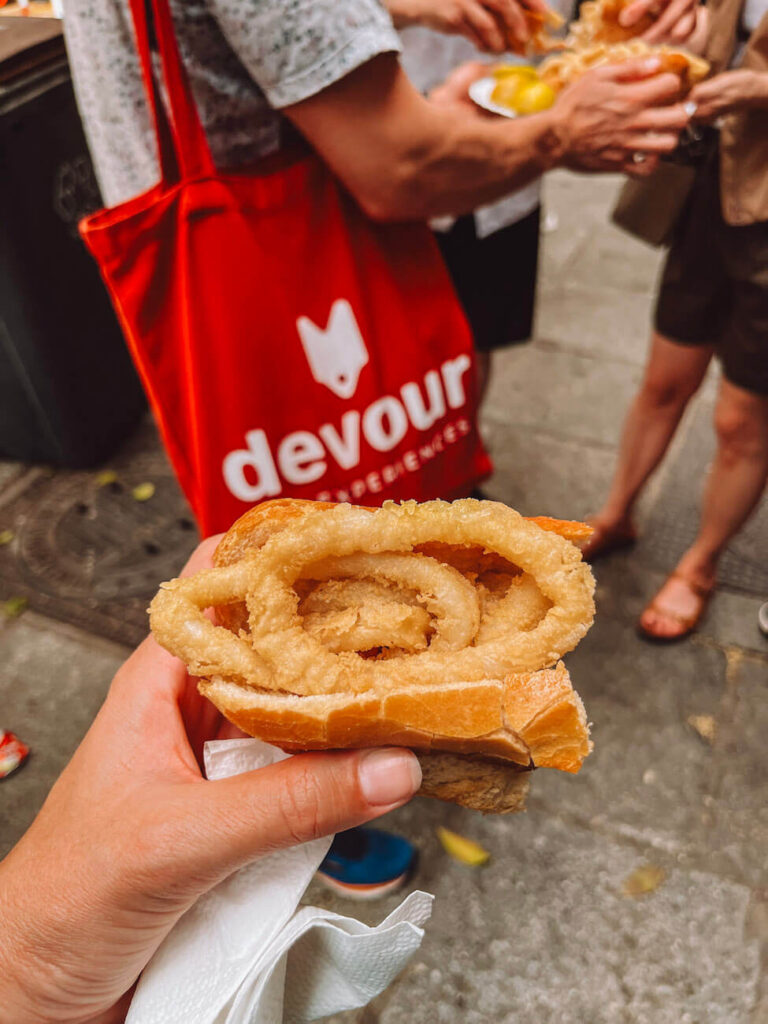
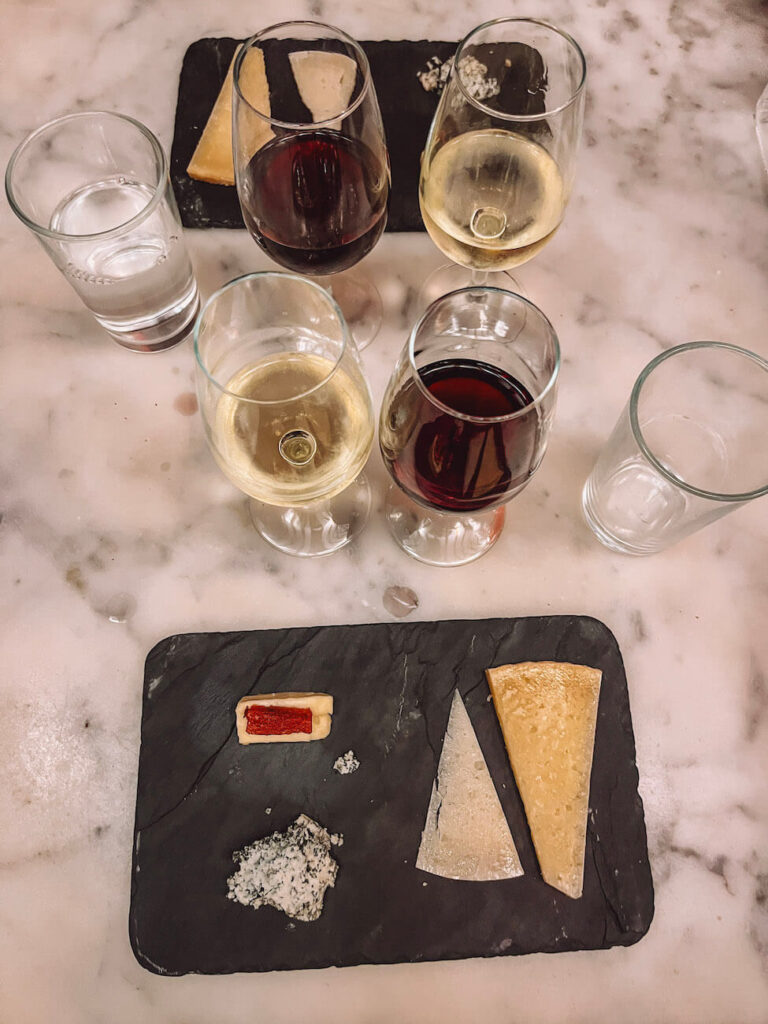
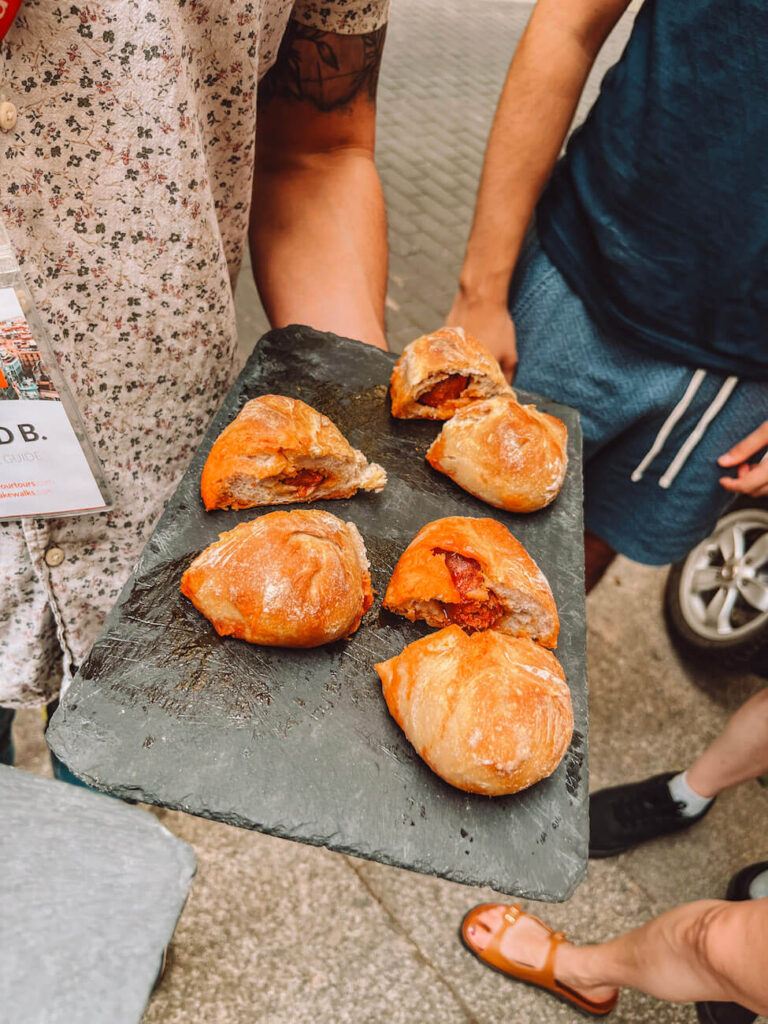
Book the Ultimate Spanish Cuisine Food & Wine Tour online here
After the tour, which ends around lunchtime, it’s time to explore one of Madrid’s major museums. If you love classical art, head to the Museo del Prado – home to masterpieces by Velázquez, Goya, Rubens and El Greco. It’s one of the best art museums in the world and can be overwhelming, so consider focusing on highlights or taking a guided tour. The museum’s website has several guides to help you manage your hours there, depending on what you want to see.
If you prefer modern and contemporary art, then Museo Reina Sofía is the place to go. It houses Picasso’s Guernica along with works by Dalí, Miró and others. You can book a guided tour online here.
You won’t be able to see both museums in one afternoon, so pick one and take your time. Whichever one you choose, you will need to book tickets in advance, particularly during peak holiday months.
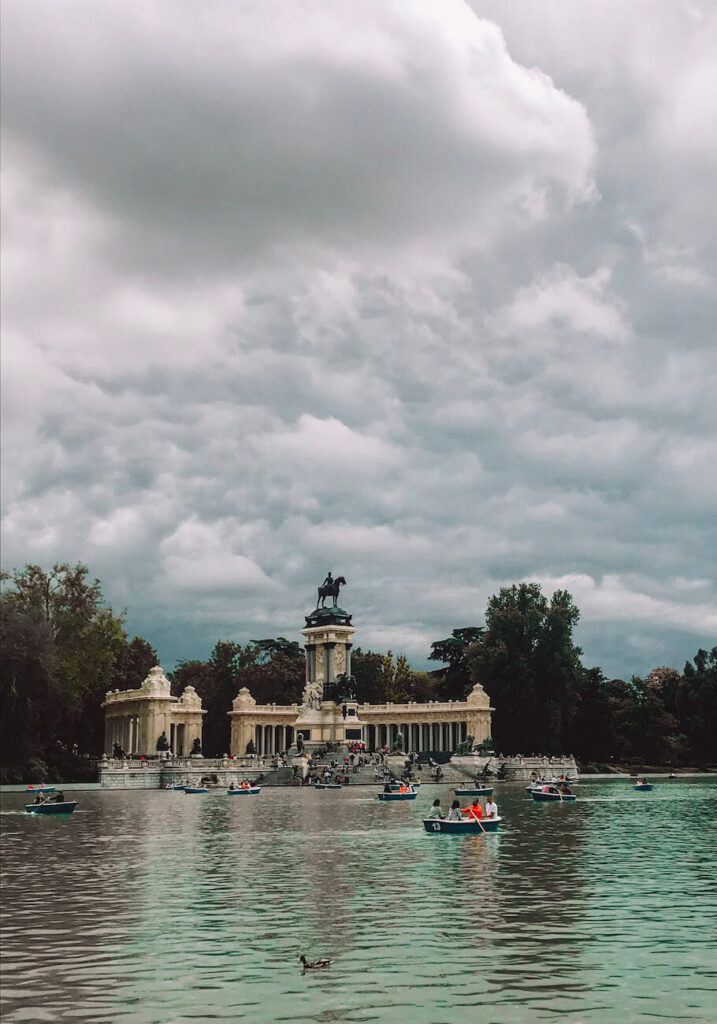
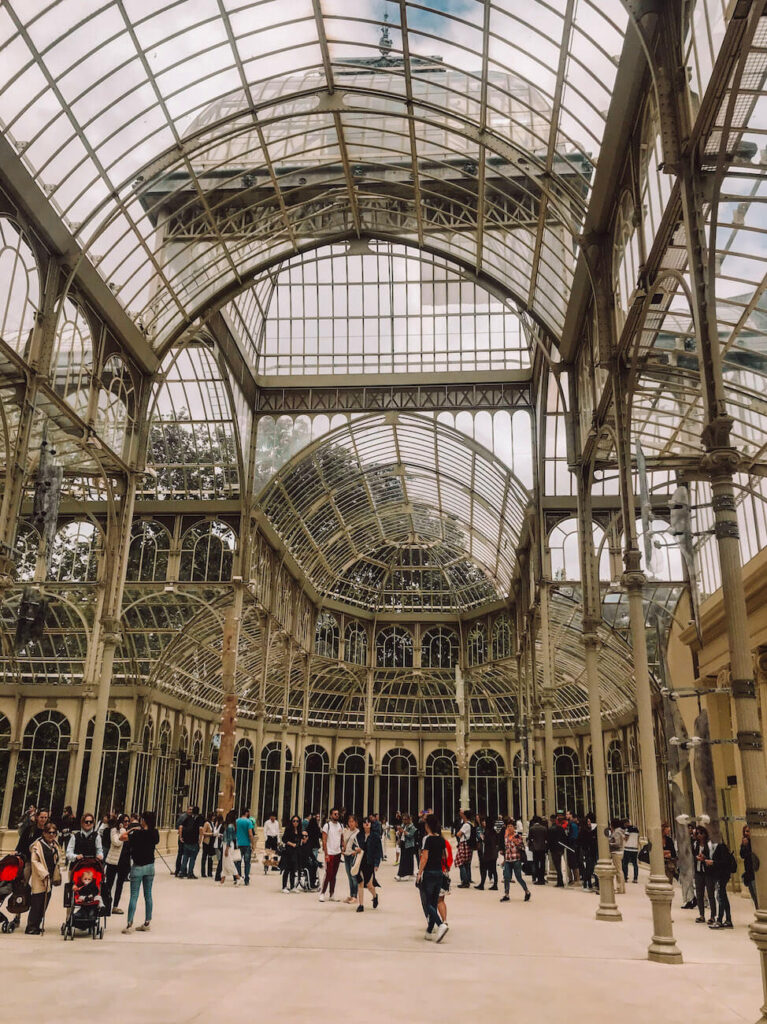
After the museum, walk over to El Retiro Park. Once a royal garden, it’s now the city’s most famous green space. Wander along its shaded paths, rent a rowboat on the lake or just sit on a bench with an ice cream. Don’t miss the Palacio de Cristal (Crystal Palace), a beautiful glass structure often used for art installations.
For sunset, head to one of Madrid’s many rooftop bars. A favourite is the rooftop at Círculo de Bellas Artes, which has panoramic views over the city skyline. Try to arrive a little before sunset to get a good spot.
End your night in Malasaña, a hip and eclectic neighbourhood that feels a bit like Madrid’s answer to Berlin or Brooklyn. You’ll find everything from tapas to ramen here.

After dinner, if you’re still up for it, grab a nightcap or see what’s playing at one of the nearby music venues. Madrid never really sleeps.
Madrid 2-day itinerary map
Where to stay in Madrid
While Madrid is huge (population: 3.3 million), it’s still a fairly compact city with excellent public transport, so most central neighbourhoods make a great base for a short stay. Here are a few areas to consider.
Centro (also called Sol): The heart of the city. Stay here if you want to be close to the main sights like Plaza Mayor, the Royal Palace and Puerta del Sol. Great for first-time visitors.
- Vincci Capitol (⭐ 8.7/10) – stylish hotel in the iconic Art Deco Capitol building on Gran Vía, with a rooftop terrace with stunning city views. | Book with Booking.com | Book with Expedia
- Hotel Europa (⭐ 8.6/10) – tucked right next to Puerta del Sol, this hotel has awesome staff | Book with Booking.com | Book with Expedia
Malasaña: Young, creative and full of personality. Think vintage shops, indie cafes and great nightlife.
- Gran View Apartments (⭐ 8.6/10) – a stylish apart-hotel right on Gran Vía, with a rooftop pool and within walking distance of Puerta del Sol and the Royal Palace | Book with Booking.com | Book with Expedia
- Tribu Malasaña (⭐ 9.0/10) – chic, bohemian-style apart-hotel with rooms with kitchenettes, decorated in calming pastel colours | Book with Booking.com
La Latina: Traditional and charming, with narrow streets and some of the city’s best tapas bars. Ideal for a more local feel.
- Cozy Bright 1-Bedroom 1-Bathroom Apartment (⭐ 9.1/10) – this is where we stayed on our most recent visit and it was in such a great location. It also has a good kitchen and a washing machine, along with a separate bedroom | Book with Booking.com
- Posada del Dragón Boutique Hotel (⭐ 8.5/10) – stylish hotel right in the tapas district, rooms have colourful, ultra-modern design | Book with Booking.com | Book with Expedia
Salamanca: This area has quieter, residential vibes.
- Catalonia Goya (⭐ 8.9/10) – stylish hotel tucked in a restored 19th-century building, it’s got a seasonal plunge pool and small gym, and is close to Retiro Park | Book with Booking.com | Book with Expedia
- VP Madroño (⭐ 9.2/10) – chic, mid-range hotel with kitchenette-equipped rooms and a private garden, a little further out from the centre | Book with Booking.com | Book with Expedia
We’ve stayed in both Malasaña and La Latina and I recommend both of those for a more local feel.

What to eat and drink in Madrid
Madrid is a city that takes its food seriously. Meals are social and never rushed. Here are a few things you must eat and drink while you’re in the city.
- Jamón ibérico – Cured ham from acorn-fed pigs, carved thin and served with bread or on its own. Try it at a specialist shop or order it as a tapa. It is pricier than other types of ham.
- Tortilla española – A thick potato omelette that’s a classic comfort dish. I could eat this every day.
- Bocadillo de calamares – A fried calamari sandwich. Try it at Bar La Campana near Plaza Mayor.
- Churros con chocolate – Long, fried dough sticks dipped in thick, rich chocolate. Madrileños eat these for breakfast rather than later in the afternoon. Chocolatería San Ginés has been open since 1894 and is the go-to spot for churros (expect a queue).
- Vermouth (vermut) – The classic pre-lunch or pre-dinner drink in Madrid.
- Tinto de verano – A mix of red wine and lemon soda, perfectly refreshing in summer.


Spaniards eat late. Lunch is usually around 2 to 3pm, and dinner often starts after 9pm. Get used to it!
Don’t expect fast service – meals are meant to be leisurely. Enjoy the pace and don’t be shy about asking for the bill (la cuenta, por favor) when you’re ready – it’s not usually brought to you until you ask.

Know before you go
Best time to visit Madrid
Madrid is a year-round destination, but spring (April to June) and autumn (September to early November) are ideal. May is a particularly festive month, with the San Isidro Festival celebrating the city’s patron saint with parades and concerts.
Summer (July and August) gets hot – often above 35°C – and many locals leave the city on holiday. On the other hand, foreign tourists descend on the city, so it will be busy – book accommodation in advance and be prepared to pay higher prices.
Tip: Not all accommodation has air conditioning, so double check before booking in summer.
Winter is quieter but still pleasant, with crisp air and fewer crowds. December is festive with Christmas lights and holiday markets.
How to get to Madrid
Madrid is easy to reach whether you’re flying in or arriving by train.
- By air: Madrid-Barajas Airport (MAD) is well connected to the city via metro, bus and taxi. It’s about 20-30 minutes to the city centre.
- By train: The AVE high-speed train connects Madrid with Barcelona, Seville, Córdoba, Valencia and more. You’ll arrive at Atocha or Chamartín station depending on your route. You can book train tickets online here.
Final thoughts: 2 days in Madrid
Madrid has a way of getting under your skin (I guess that’s why I keep going back!). If it’s your first time in Madrid, this itinerary will give you a solid introduction to the city – but there’s plenty more to discover on your next visit.
Madrid itinerary FAQs
Is 2 days in Madrid enough?
Two days is enough to see the major highlights and get a feel for the city’s energy, but you’ll definitely want to come back. With this itinerary, you’ll hit iconic sights, sample local food and explore a few great neighbourhoods – just prepare for full, busy days.
Can I see all three major museums (Prado, Reina Sofía, Thyssen) in two days?
You could, but it would feel rushed. I recommend focusing on one or two museums to really enjoy them. Most people opt for the Prado or Reina Sofía.
Should I buy museum tickets in advance?
Yes. Especially for the Prado and Reina Sofía, booking tickets in advance will save you time and avoid long lines. Some museums offer free entry in the evenings, but these sessions get busy, as you can imagine!
What’s the best month to visit Madrid?
May and October are both excellent – pleasant weather, fewer crowds and a great atmosphere. September and April are also good choices. Skip the summer months to avoid the heat.
Did you find this article helpful? Consider buying me a coffee as a way to say thanks!
What are your favourite things to do with 2 days in Madrid?
Related posts
Before you go, you might like these Spain travel blogs.
- How to Plan a 7-Day Southern Spain Itinerary
- 2 Days in Seville: A Guide to the Perfect First-Time Seville Itinerary
- Where to Find the Best Tapas in Seville: 7 Must-Visit Tapas Bars
- 2 Days in Granada, Spain: Tasty Tapas, Historic Neighbourhoods and the Amazing Alhambra
- 13 Things To Do in Ronda, Spain: The Prettiest Town in Andalucía
SPAIN TRIP ESSENTIALS
- Book flights to and around Spain online with Skyscanner. I like this site because it shows me which dates are cheaper.
- One thing I always purchase is travel insurance! Travel Insurance Master allows you to compare across multiple policy providers, while SafetyWing is great for long-term travellers and digital nomads.
- Wise is my choice for sending and receiving money and spending money overseas (you can get a digital and physical card).
- Find a great hotel in Spain. Check prices on Booking.com and Expedia online.
- Check out the huge range of day tours throughout Spain on GetYourGuide or Viator. I’m a huge fan of food tours!
- Saving money? Check out the huge range of free walking tours across Spain with GuruWalk (don’t forget to tip!).
- How to get around? I use DiscoverCars for car hire, or Motorhome Republic and Jucy for campervan/RV rental. For buses, trains and ferries, I use 12GO, Busbud and Omio.
- Grab an e-sim to stay connected while on the road.
- A copy of the Lonely Planet guide to Spain will be handy, along with a Spanish language phrasebook.
- Check out my Amazon shop for my fave travel items – everything from backpacks and suitcases to travel adapters and beauty products.
PIN IT FOR LATER: MADRID 2 DAY ITINERARY
Save this guide to 2 days in Madrid to Pinterest for your travel planning later.