
Walking the Portuguese Camino for the first time? Here are my tips and reflections for making the most of this incredible experience.
Before we walked the Portuguese Camino, I spent hours and hours reading blog posts, watching YouTube videos and making packing lists. I wanted to be as prepared as possible.
And while a lot of that information was incredibly helpful, there were still plenty of things I only figured out along the way.
What follows isn’t a list of packing tips (although I do have a Camino packing list that you can download!) or a stage-by-stage breakdown of the route. These are more like personal observations – little things I wish I’d known before we started walking.
And while we walked the Portuguese Camino, I think these thoughts and tips apply regardless of which Camino route you choose.
If you’re thinking about doing a Camino for the first time, this post is for you. I hope it reassures you that it’s doable and absolutely worth doing – even if you’re not sure you’re “fit enough” or “spiritual enough” or “outdoorsy enough.” The main thing I learned on this walk was that your Camino is yours alone.
So, here are a few of my tips to help get you prepared – and to make your Camino the best it can be.
If you’re not a resident of the EU, you’ll need to register for the Entry/Exit System (EES) when you travel to Europe. Digital registration happens when you cross borders. You can find out more information online here. Later (possibly 2027, although there’s no confirmation), the European Travel Information and Authorisation System (ETIAS) will kick off. More information about that here.
This blog post may contain affiliate links, meaning if you book or buy something through one of these links, I may earn a small commission (at no extra cost to you).
1. Anyone can do it!
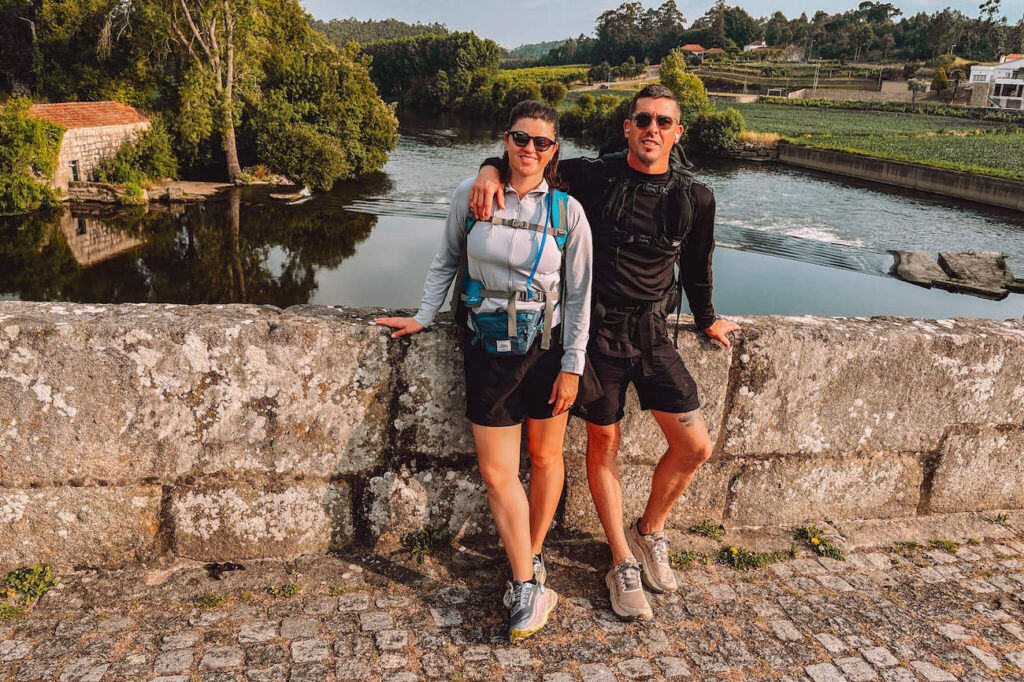
One of the most surprising and encouraging things about walking the Portuguese Camino was just how many different kinds of people we saw along the way.
There were solo travellers, couples, groups of friends and even families walking with kids. There were even a few people walking with their dogs (although I questioned whether that was smart, given the heat)!
We met people in their 20s and people in their 70s. And we saw plenty of women walking alone. If you’re worried about safety or feeling isolated, don’t be. The Camino is incredibly social and you’re never really alone unless you want to be.
It’s something you can also take at your own pace. We walked most days, but we also scheduled in a rest day (more on that later) and gave ourselves time to stop when we wanted to. There’s no prize for getting to Santiago the fastest. Some people walk 30 kilometres a day, others do 10 and stretch the route over more days. You do you.
Since coming home, quite a few people have asked me if I think they could do it – and my answer is always yes. You don’t need to be super fit or experienced in long-distance walking. You just need to love the simplicity of walking and be prepared to do it your own way.
2. It may not be “life-changing”
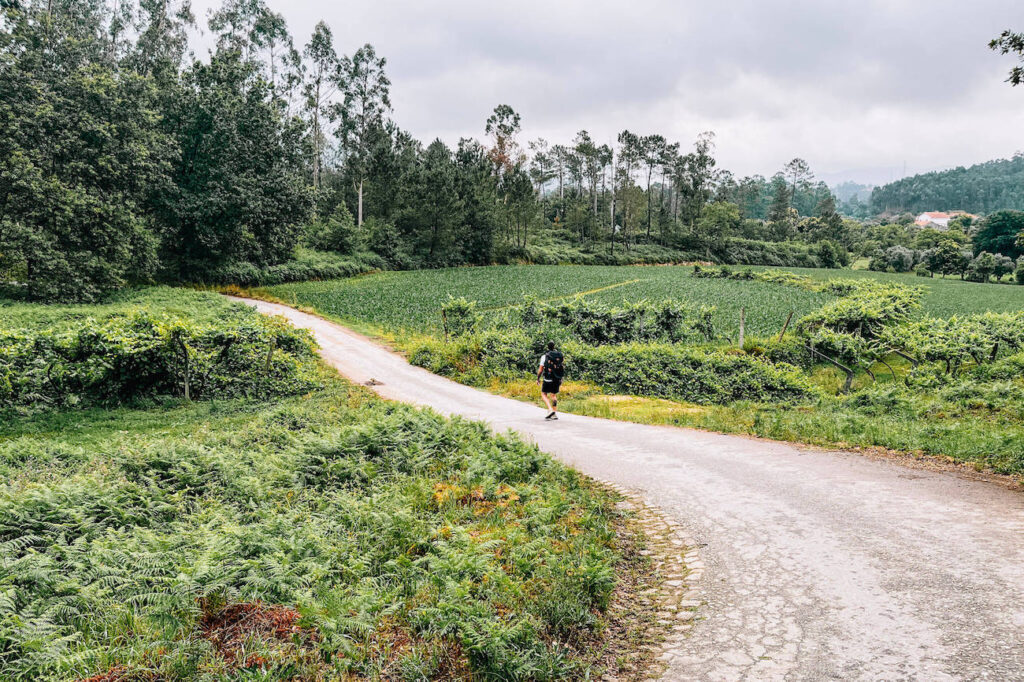
One of the things I kept reading before our Camino was how life-changing it would be. People talked about finding clarity, healing old wounds or having major epiphanies along the way.
That wasn’t our experience – and that’s okay.
We didn’t come home radically changed or with a whole new outlook on life.
What we did come home with was a deep sense of appreciation. For our bodies. For quiet moments. For the simplicity of walking, eating and sleeping. For carrying everything we needed in a bag on our back.
The Camino wasn’t life-changing in a dramatic way, but it was life-affirming.
If your Camino doesn’t end with a big spiritual awakening or tearful arrival in Santiago, that doesn’t mean you’ve done it “wrong.” Everyone’s experience is different, and there’s no one “right” way to walk the Camino. Try not to compare your journey to someone else’s highlight reel online. Walk your own walk – that’s the whole point.
3. Rest days are amazing
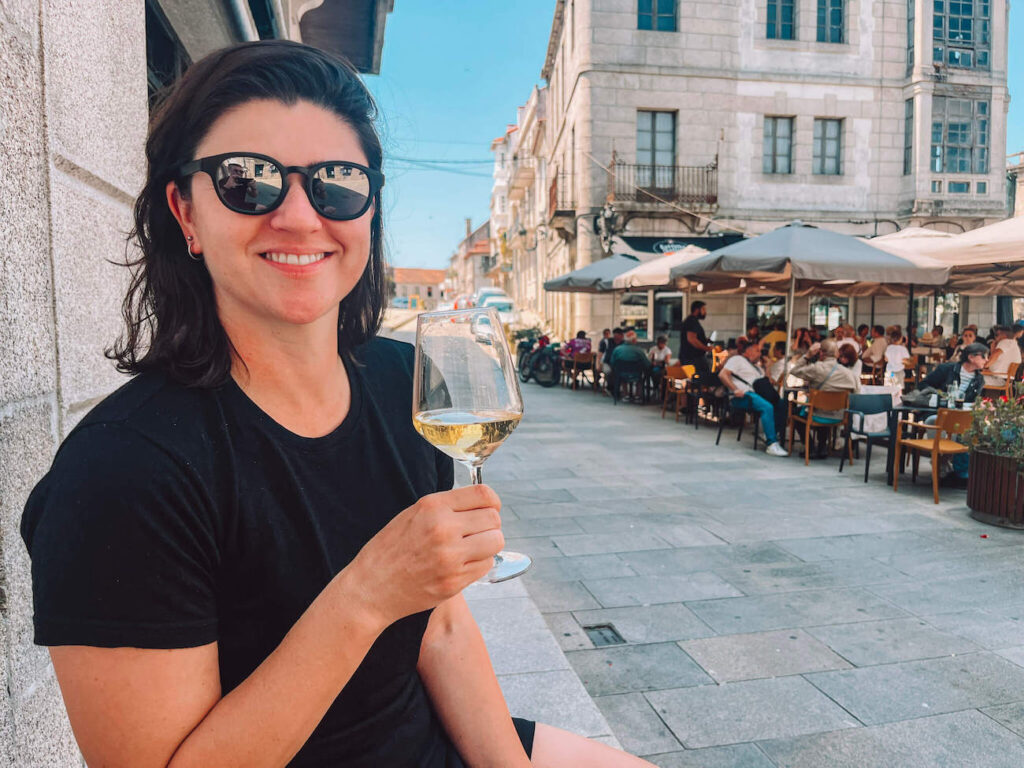
Before we left, we debated whether to include a rest day. We only had a limited amount of time, and it felt like we should try to walk every day to make the most of it.
I’m so glad we ignored that instinct.
Our rest day ended up being one of the highlights of the entire trip. We spent it in lovely Tui, on the Spain-Portugal border. We slept in, did laundry, wandered the streets without our backpacks and treated ourselves to a long lunch in the sun. It gave our feet a break, helped us catch up on some life admin and we felt so ready to head off again the following day.
If you have the time, I’d really recommend building in at least one rest day. It’ll really help you look after your body so you can keep going.
4. Many places shut for breakfast, so plan ahead
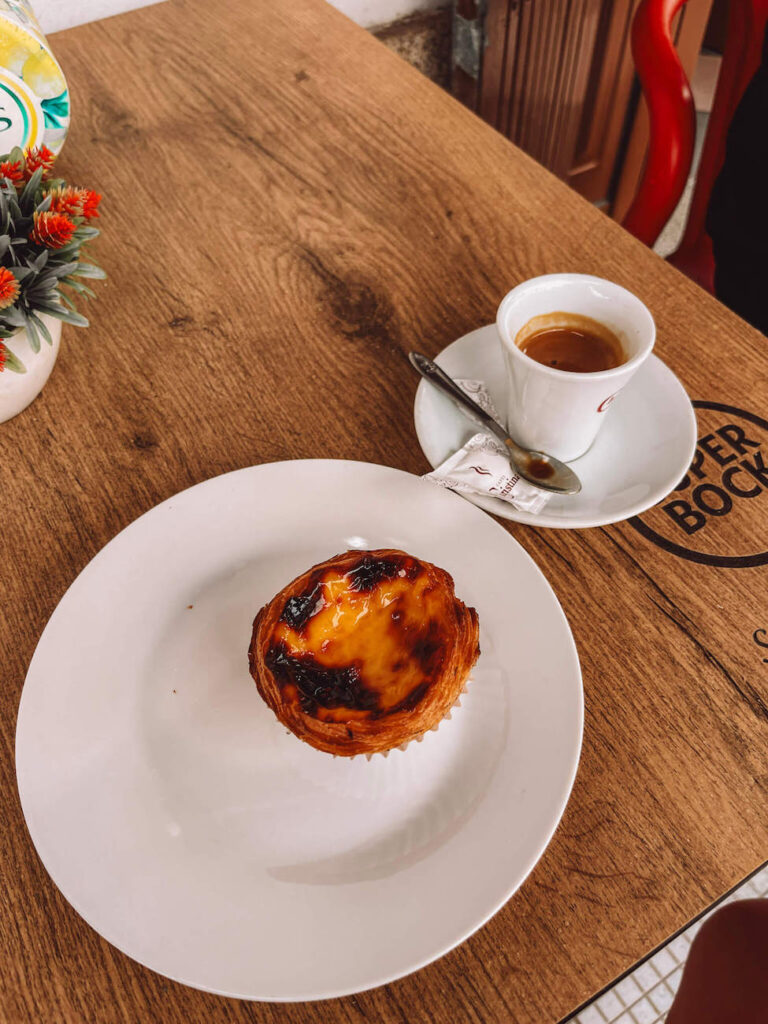
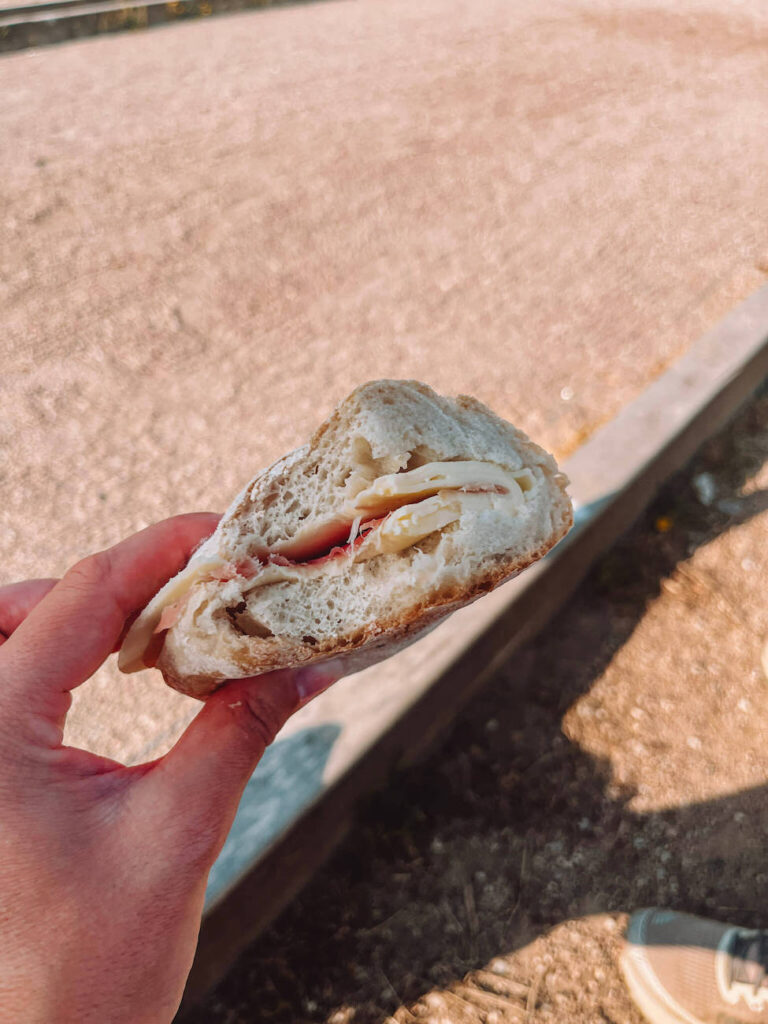
I love breakfast. It’s my favourite meal of the day – especially so when I’ve walked 10 kilometres before 10am.
But one thing we quickly discovered is that in both Portugal and Spain, locals don’t tend to be early risers, and that means a lot of cafés and restaurants are still closed when pilgrims are looking for their first meal of the day.
We had a few mornings where we arrived in a town absolutely starving, only to find that nothing was open. From then on, we started carrying a few backup options just in case. A bread roll, a slice of ham and cheese from the day before, a banana – anything to tide us over until we could find somewhere open.
Bakeries were often our saviour. They tended to open earlier than other places, and you could usually grab something simple like a croissant or a pastel de nata to go with a coffee. It’s not a big sit-down breakfast, but it was enough to keep us going.
A bit of planning the night before – asking your host or checking Google Maps for opening hours (even though they are so unreliable!) – can make a big difference. And if your accommodation has a fridge, stock up on a few basics to start your day right.
5. Take advantage of pilgrim’s menus
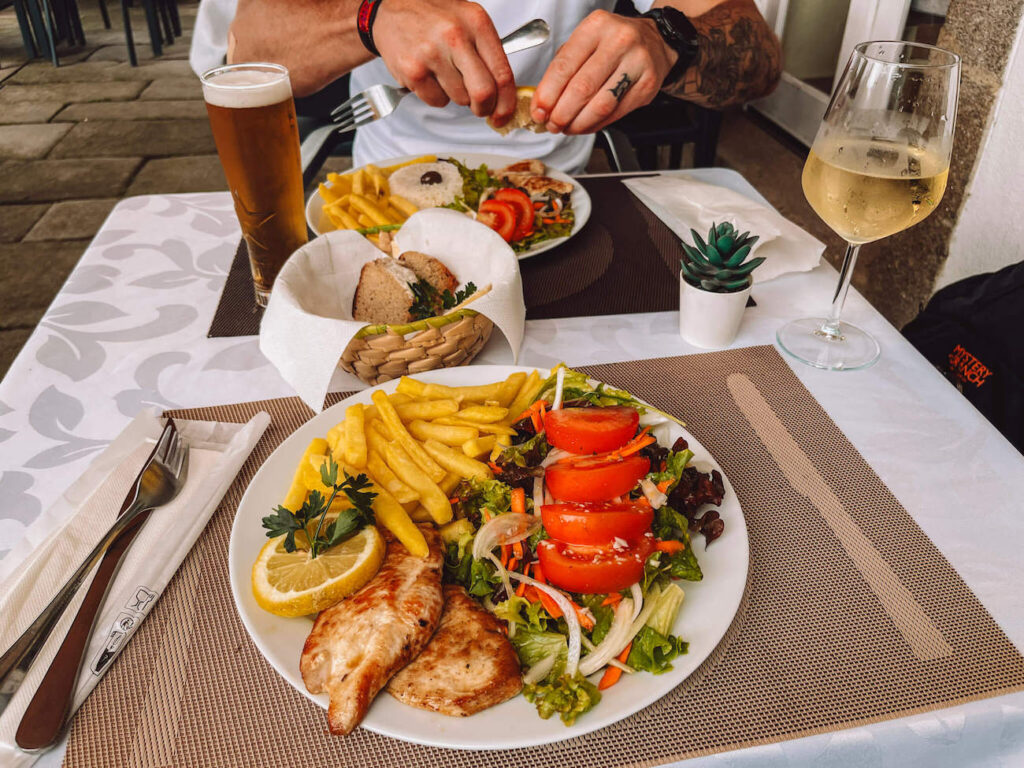
One of the best surprises on the Camino was how affordable and generous the food could be, especially when you order the pilgrim’s menu. We found this especially so in Portugal.
Most restaurants and cafés along the route offer a set meal for pilgrims, for lunch and/or dinner. It’s either called a pilgrim’s menu, or often it’s the menu do dia in Portugal or menú del día in Spain. These meals are filling and good value.
One day we had a full meal that included soup, bread, grilled fish with chips, a glass (well, half a carafe!) of wine and coffee – all for €7.50. Other places charged between €10 and €16, depending on the location and what was included, but it was always good value.
Some places let you choose from a few options for each course, while others have a fixed menu. Either way, it’s a great way to try local food without spending much. Plus, after a full day of walking, it was pretty satisfying to sit down and enjoy a proper meal without having to think too hard about what to order.
6. Fill up your water in the morning
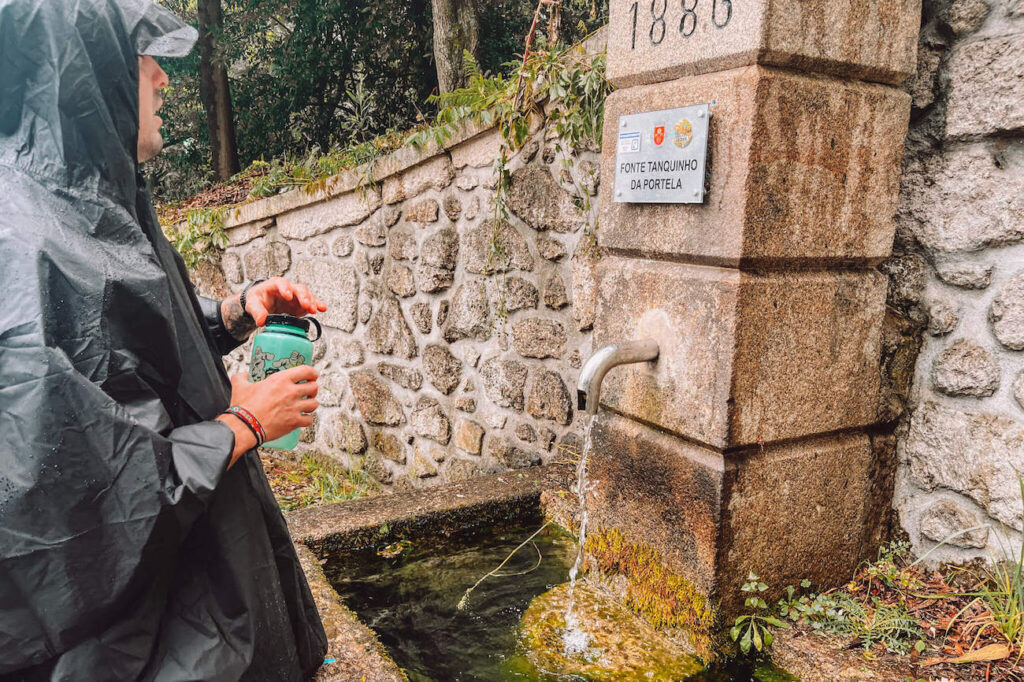
Before we left, I read that there were plenty of public fountains along the Camino where you could refill your water bottle. That’s technically true – we did see quite a few historic stone fountains – but in practice, many of them either had signs saying the water wasn’t drinkable or the water just looked a bit questionable.
This wasn’t a big issue for me because I carried a water bladder that held two litres, which usually lasted the whole day. But if you’re relying on a single one-litre bottle, you might find yourself running low, especially on longer stages or hot days.
My tip is to always start the day with a full supply of water. Most accommodations will have a tap where you can fill up in the morning and cafés are often happy to top up your bottle if you ask.
It’s also worth carrying a backup bottle or some hydration tablets (like Hydralyte), especially if you’re walking during warmer months.
Don’t assume there will be regular places to refill along the route – it’s better to be prepared.
7. Private rooms or albergues?
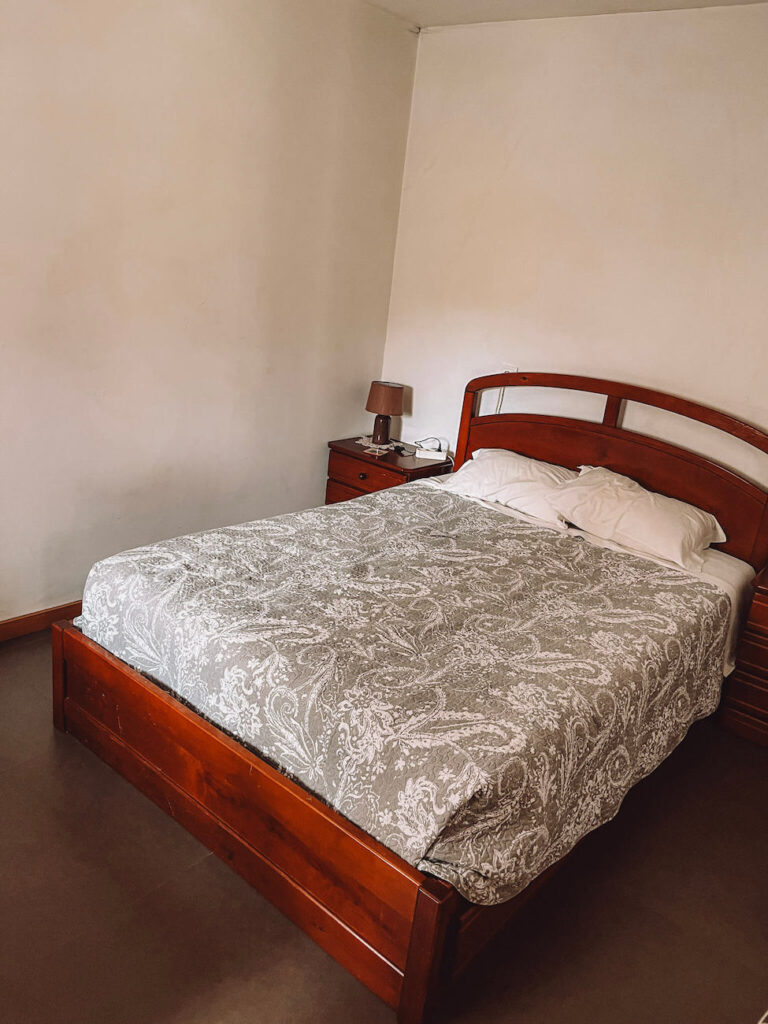
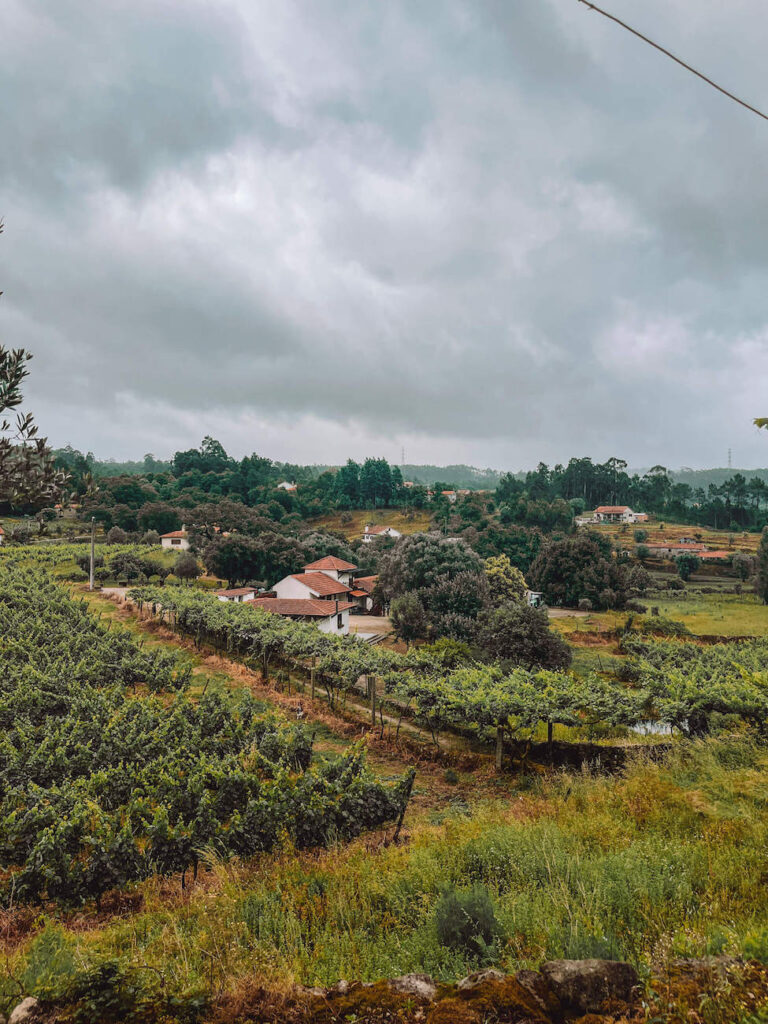
One of the big decisions you’ll make on the Camino is where to stay. There’s a wide range of options, from traditional albergues (pilgrim hostels) to guesthouses, hotels and even Airbnbs.
Albergues can be either municipal (run by local councils) or private. They usually offer shared dorm-style accommodation, and while they’re very budget-friendly, they’re also basic. Expect bunk beds, shared bathrooms and the occasional snorer. But you also get a real sense of community. The people we met who stayed in albergues had formed real bonds with other pilgrims and I was a little jealous at times!
However, we opted for private rooms in small guesthouses or pensions. Since we were walking as a couple, splitting the cost made it about the same price – or sometimes even cheaper – than two individual beds in an albergue. Having a private bathroom (and no snorers!) was also great.
There’s no right or wrong choice here. If you’re walking solo and want to meet people, albergues are fantastic. If you value privacy or need better rest, private rooms are worth considering.
8. Do you need to book accommodation in advance?
This is one of the most common questions people ask – and the answer is, it depends.
If you’re walking in peak season (May to September), booking ahead is a good idea, especially if you want to guarantee a bed in a specific town. We met a few people who arrived late in the day only to find everything fully booked, which led to some last-minute panic or extra kilometres of walking.
We booked our accommodation a few days in advance most of the time, using a mix of Booking.com and the Wise Pilgrim app. For the Spain portion of our trip, I started booking further ahead, because it was so much busier than Portugal – but I would always only choose accommodations that offered flexible bookings or cancellations so we could change our mind.
That said, if you prefer to be spontaneous, it’s definitely possible. Municipal albergues usually operate on a first-come, first-served basis and don’t take reservations. Just be sure to start walking early in the day if you’re hoping to stay in one.
For us, a mix of booked and flexible nights worked best. It gave us peace of mind when we needed it but left room for a little bit of spontaneity too.
9. Pack light!
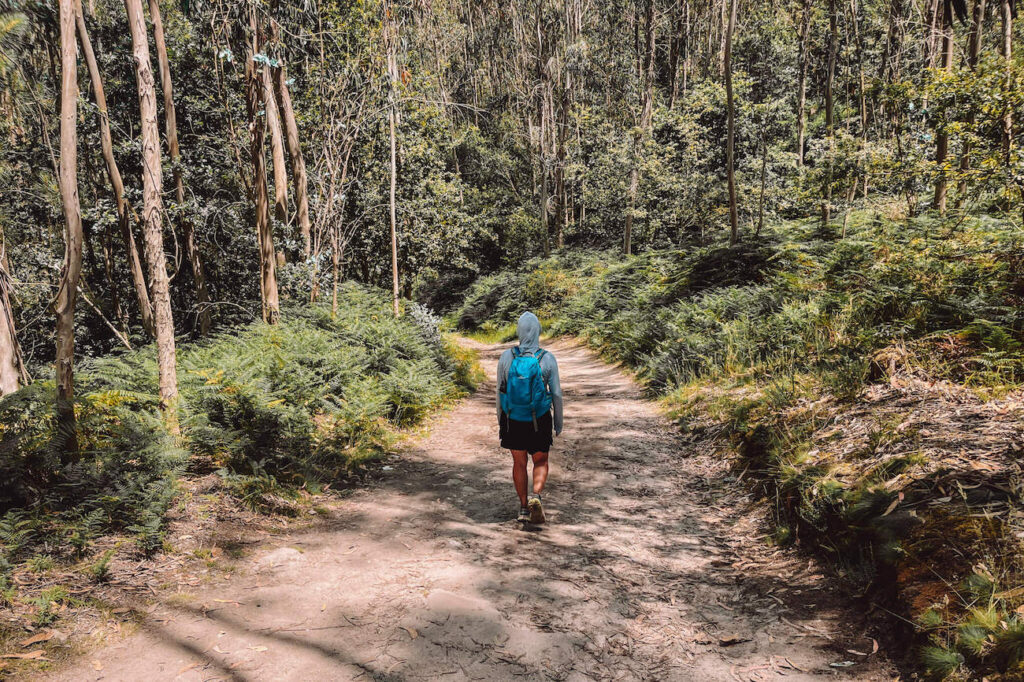
Everyone says this, and for good reason – you’ll feel every extra gram on your back within the first hour of walking.
The general rule of thumb is that your pack should weigh no more than 10 percent of your body weight. I managed to roughly stick to that by packing only the essentials, choosing lightweight clothing and sharing items like sunscreen and toiletries with my husband, but adding water put me slightly over the 10 percent guideline.
You don’t need as much as you think. You’ll be able to wash your clothes regularly – most places have laundry facilities or at least a sink and somewhere to hang things to dry. And if you forget something or realise you need an extra jacket or blister patches, you’ll find shops in most towns that stock the essentials.
Packing light doesn’t mean you have to be ultra-minimalist. It just means being practical and honest with yourself about what you’ll actually use. Before we left, I went through my backpack multiple times, questioning every single item. My husband, on the other hand, packed a few “just in case” extras… and ended up regretting a few of them within a few days.
If you want to see exactly what I brought, here’s my full Camino packing list.
10. Use a luggage transfer service if you need it
There’s a bit of a myth that you’re only a “real” pilgrim if you carry everything on your back. But here’s the thing: there’s no prize for suffering. If carrying a full pack causes you pain, slows you down too much or takes away from the experience, then luggage transfer is a great option.
There are several companies that offer this service along the Portuguese Camino. Each morning, you leave your bag at reception with a tag, and it magically appears at your next accommodation by the time you arrive.
We didn’t use it ourselves, but we met plenty of people who did – older walkers, those with injuries and even people who just wanted a break for a few days. It can make the walk more accessible and enjoyable and there’s absolutely no shame in that.
The Camino is meant to be somewhat enjoyable. If using a luggage service helps you get the most out of it, then go for it.
11. The routes are busy
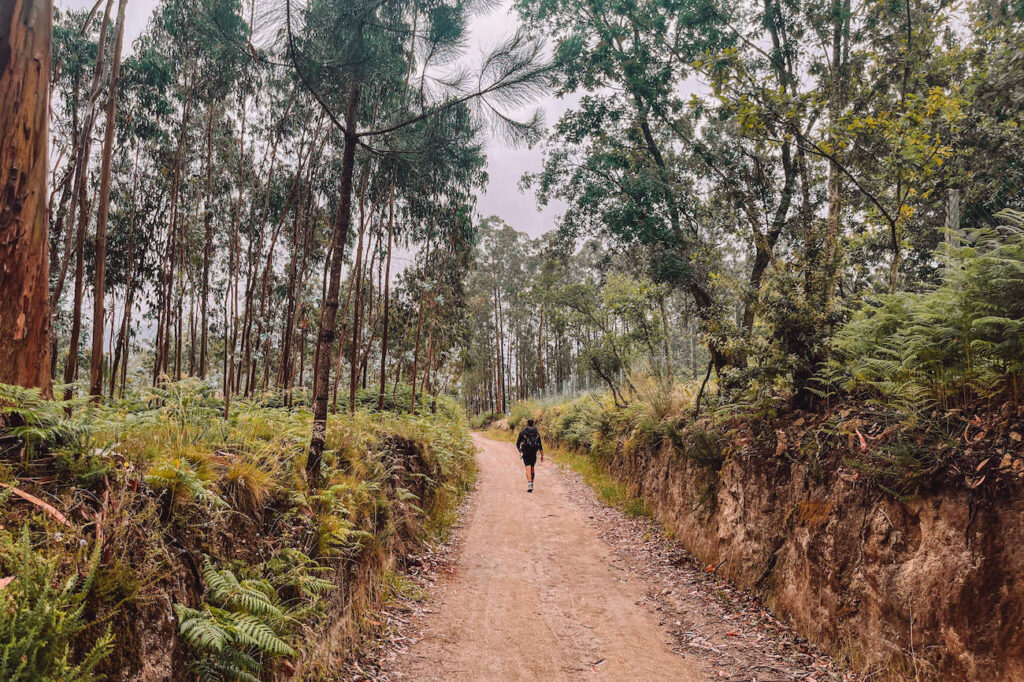
One of the things I didn’t fully expect was just how busy the Camino would get, especially once we crossed from Portugal into Spain.
In the early stages through Portugal, we saw maybe 10 to 20 people a day on the trail. It was peaceful and often felt like we had the path to ourselves. But once we hit Tui (the border town), the numbers exploded. Hundreds of pilgrims were suddenly walking alongside us every day, especially in the final 100 kilometres leading to Santiago.
That’s not necessarily a bad thing – it just has a different energy. It felt more social and livelier, and we had more opportunities to meet people. But it also meant more competition for beds, busier cafés and less of the solitude we’d grown used to.
If you’re seeking a quieter Camino, consider starting earlier in the season, walking outside of the main holiday periods or choosing a less-popular route. And if you’re starting from Porto or further south, enjoy those early quiet days!
12. Waymarking and navigation
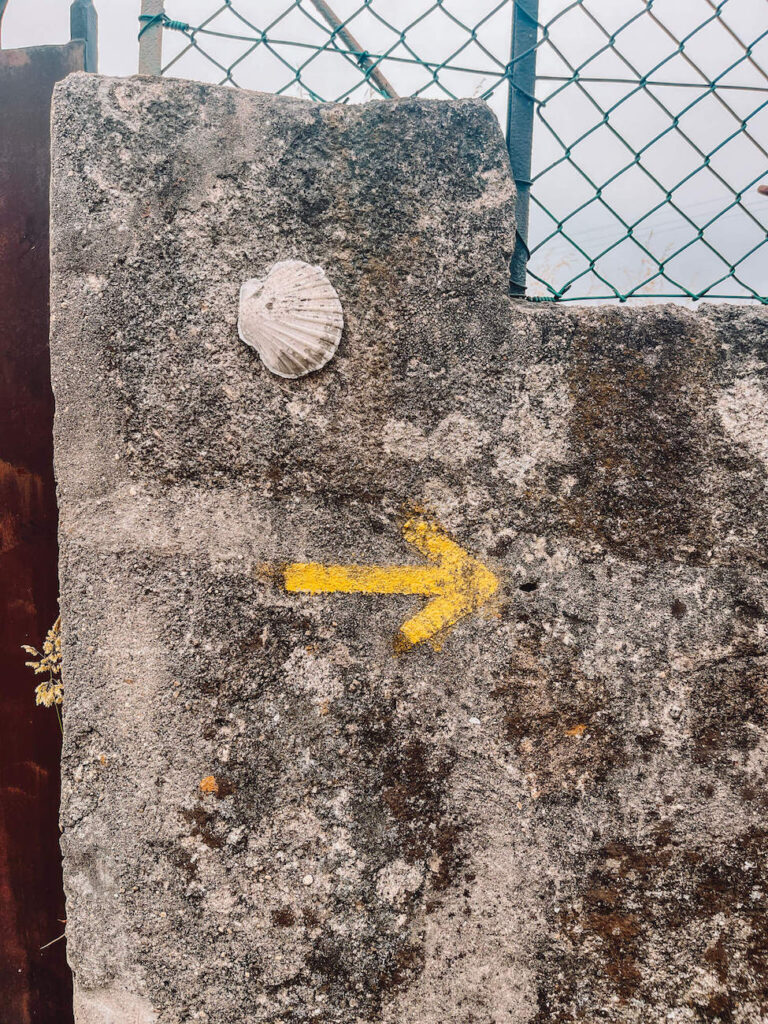
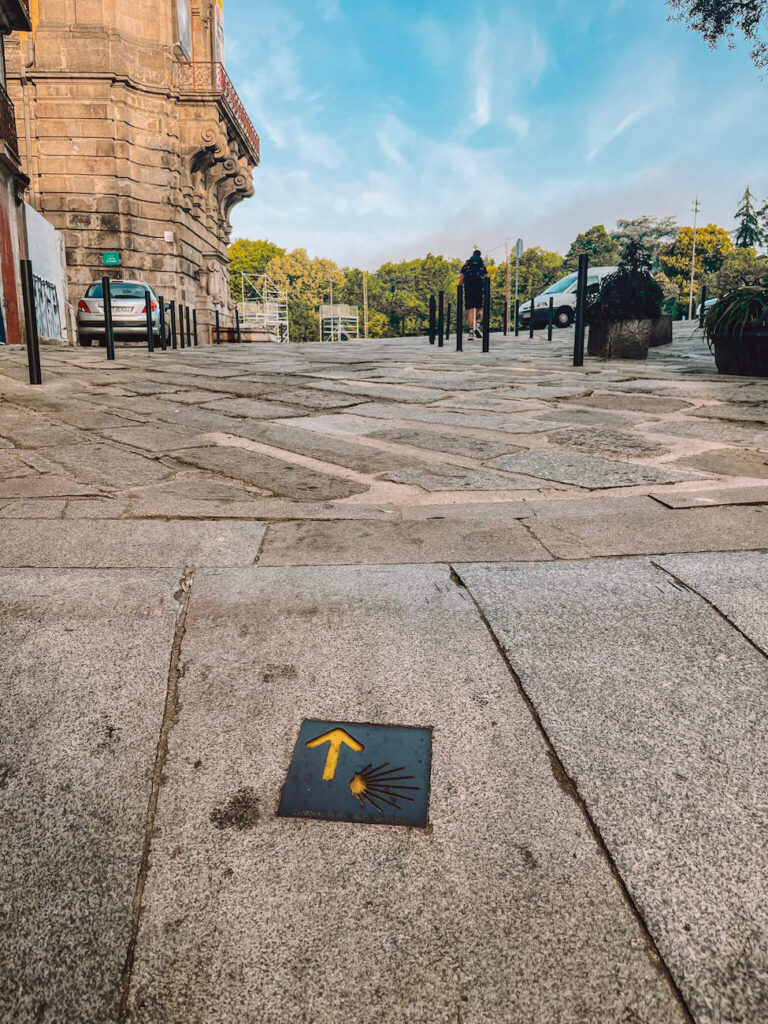

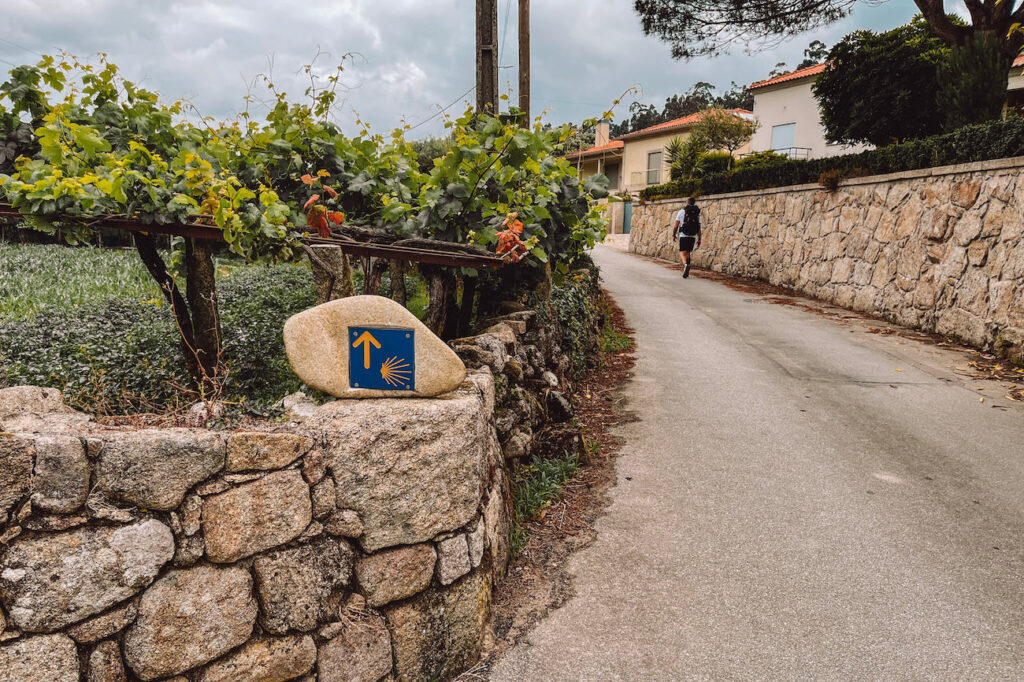
One of the most comforting things about the Camino is how well marked it is. You don’t need to be great with maps or GPS – just keep an eye out for the yellow arrows and scallop shell symbols. They’re painted on buildings, walls, trees, fences, light poles and signposts.
Make sure you are looking out for them and don’t just follow the person in front of you – we saw a few people occasionally take wrong turns because they were simply following the group in front of them.
We used the Wise Pilgrim app while walking. It was really useful for checking our location if we were ever unsure and also helped us plan distances between towns. Before the trip, we also used a guidebook (the famous John Brierley Camino Portugués guide) to get a general sense of the route and options for accommodation. But on the trail, the app and the arrows were all we needed.
13. Physical and mental preparation
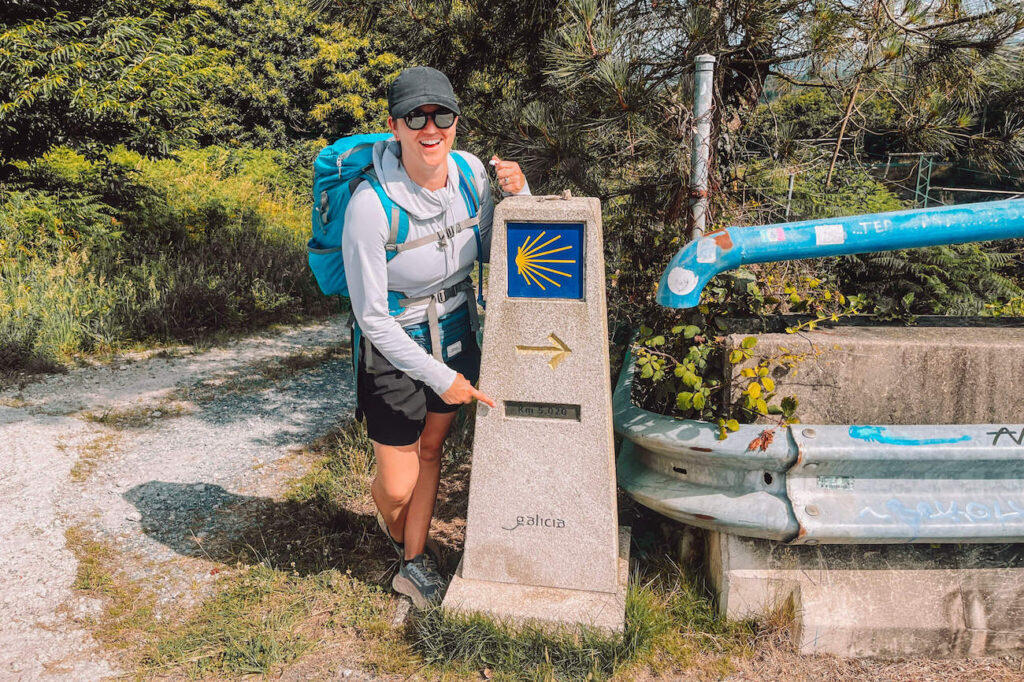
Before our Camino, we didn’t do any formal training. I had every intention of properly training but life just got in the way. We walked occasionally, but it was nothing close to the distances we’d be doing each day on the trail. We figured we’d just get fitter as we went. And we did… but it would have been much easier if we’d prepared a little.
If I were to do it again, I’d start walking longer distances with a pack a few times a week a month or two beforehand. Getting used to being on your feet for 4-6 hours a day helps with both stamina and confidence. It also helps break in your shoes and identify any niggles before they become problems on the trail.
Mentally, the Camino is all about persistence. Some days are joyful and full of energy. Others feel endless. So, having a taste of what to expect ahead of time can help you get through those long days.
14. Cobblestones are hard on the feet
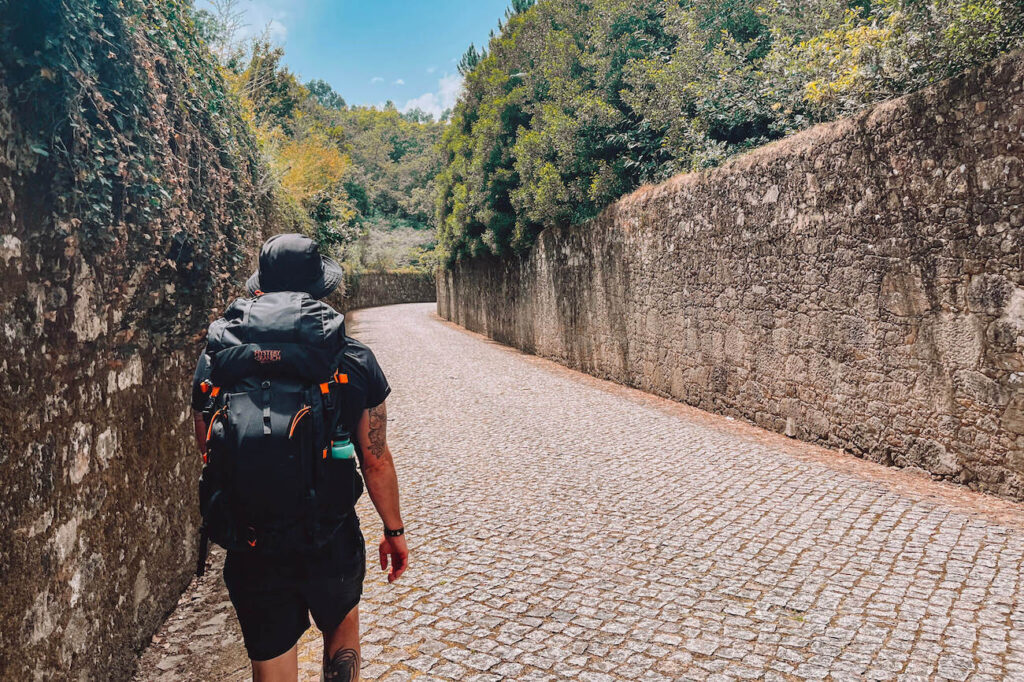
One things we discovered pretty quickly: the cobblestones in Portugal are brutal.
They’re beautiful to look at – not to mention the history! – but they’re not easy to walk on day after day. They’re uneven and hard, and they really wear your feet down. The terrain does improve once you get into Spain, but the early days can be tough.
Good footwear is essential. Make sure your shoes have decent cushioning and support. We both wore trail runners with thick, foam soles and they were a great option. Hiking boots are fine too if that’s your preference, but comfort is more important than anything else.
Blisters and foot fatigue are common, so be prepared. Pack good quality merino socks along with lambs wool and Compeed, and lather up your feet each morning with Vaseline. Taking care of your feet each night (clean, dry, moisturise) makes a big difference.
15. The Portuguese Camino is an affordable way to visit Portugal and Spain
One of the best things about the Camino is how budget-friendly it can be – especially compared to a typical holiday in Europe (and much cheaper than our 2 days in Lisbon!). We were surprised by how far our money went, even when staying in private rooms and eating out every day.
Here’s a rough breakdown of what we spent per person, per day:
- Accommodation: €20-40 per person (for private rooms)
- Meals: €10-40 (cheaper if we ate pilgrim’s menus or grabbed something simple for breakfast or lunch)
- Extras: €5-10 (coffee, snacks, laundry)
Some days we spent as little as €50 total. Other days, when we treated ourselves to a nicer room or “splurged” on dinner, we might spend €100. But it was still incredibly reasonable compared to what we’d usually pay when travelling.
If you’re trying to do Europe on a budget, the Camino is a fantastic option.
Final thoughts
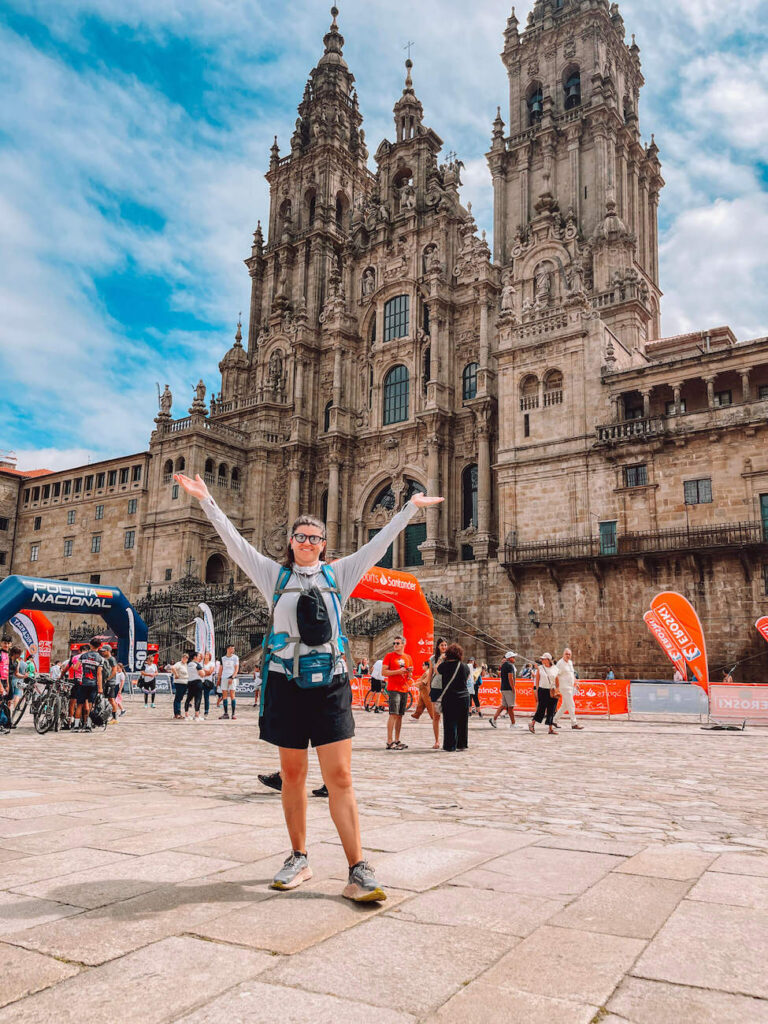
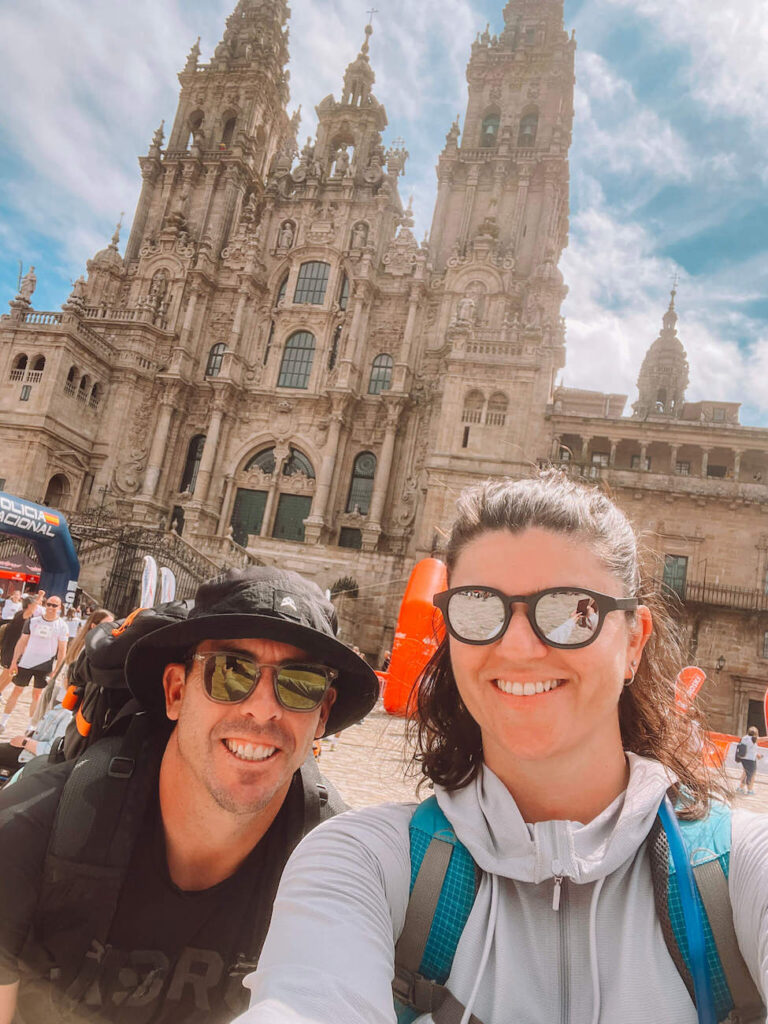
Walking the Portuguese Camino was one of the most memorable things we’ve ever done – not because of any big revelations or life-changing moments, but because of the simple rhythm of walking, eating, resting and seeing a country on foot at a much slower pace.
If you’re thinking about doing it, I say go for it. Go slow. Don’t rush to Santiago just to tick it off. Leave room for detours, for lazy mornings, for conversations with strangers.
And finally, walk your own Camino. That’s what everyone says – and it’s true. Whether you carry your bag or have it transferred, sleep in a bunk bed or a hotel, walk 10 kilometres a day or 30 – the journey is yours.
Buen Camino!
Did you find this article helpful? Consider buying me a coffee as a way to say thanks!
Have you walked the Portuguese Camino? What did you learn along the way?
Related posts
Before you go… you might like these Portugal travel posts:
- What to pack for the Portuguese Camino – and what to leave behind!
- How to spend 2 days in Lisbon, Portugal
- How to spend 2 days in Porto
PORTUGAL TRIP ESSENTIALS
- Book flights to and around Portugal online with Skyscanner. I like this site because it shows me which dates are cheaper.
- One thing I always purchase is travel insurance! Travel Insurance Master allows you to compare across multiple policy providers, while SafetyWing is great for long-term travellers and digital nomads.
- Wise is my choice for sending and receiving money and spending money overseas (you can get a digital and physical card).
- Find a great hotel in Portugal. Check prices on Booking.com and Expedia online.
- Check out the huge range of day tours throughout Portugal on GetYourGuide or Viator – I’m a fan of food tours especially!
- Saving money? Check out the huge range of free walking tours across Portugal with GuruWalk (don’t forget to tip!).
- How to get around? I use DiscoverCars for car hire, or Motorhome Republic and Jucy for campervan/RV rental. For buses, trains and ferries, I use 12GO, Busbud and Omio.
- Grab an e-sim to stay connected while on the road.
- A copy of the Lonely Planet guide to Portugal will be handy.
- Check out my Amazon shop for my fave travel items – everything from backpacks and suitcases to travel adapters and beauty products.
PIN IT FOR LATER: PORTUGUESE CAMINO TIPS
Save these Portuguese Camino travel tips to Pinterest for later!