
Planning to spend 2 days in Porto, Portugal? This guide for first-time visitors covers the best things to do in Porto on a weekend trip.
Porto is the kind of city that makes a big impression fast. Think colourful riverside buildings, steep cobble-stoned streets and churches covered in hand-painted tiles. Everywhere you turn there’s another ornate building or majestic view to grab your attention (or hill to make your thighs burn!).
Porto’s compact size and ease of getting around makes it a great destination for a short break. I’ve designed this 2-day Porto itinerary for first-time visitors – which is exactly what we were on our trip. Knowing we only had a short amount of time, I did a lot of research before we went to whittle down everything I wanted to do into a neat itinerary.
Whether you’re popping in for a weekend getaway, stopping in Porto as part of a wider Portugal trip or, like us, visiting before starting the Portuguese Camino, this guide will help you make the most of your short time.
Here’s how to spend two exceptional days in Porto.
If you’re not a resident of the EU, you’ll need to register for the Entry/Exit System (EES) when you travel to Europe. Digital registration happens when you cross borders. You can find out more information online here. Later (possibly 2027, although there’s no confirmation), the European Travel Information and Authorisation System (ETIAS) will kick off. More information about that here.
This blog post may contain affiliate links, meaning if you book or buy something through one of these links, I may earn a small commission (at no extra cost to you).
Best things to do in Porto, Portugal
If you only have a short time in Porto, you’ll want to focus on the city’s highlights – the best places, food and experiences. Here are the best things to do in Porto, all of which are included in this 2-day itinerary.
- Admire the tiled façade of Igreja do Carmo and other azulejo-covered churches
- Step inside Livraria Lello, one of the world’s most beautiful bookshops
- Climb the Torre dos Clérigos for panoramic views over the city
- See the azulejo panels at São Bento Station
- Wander through the Mercado do Bolhão, filled with yummy produce and foods
- Snack on a crisp cachorrinho at Gazela
- Stroll the colourful Ribeira district along the riverfront
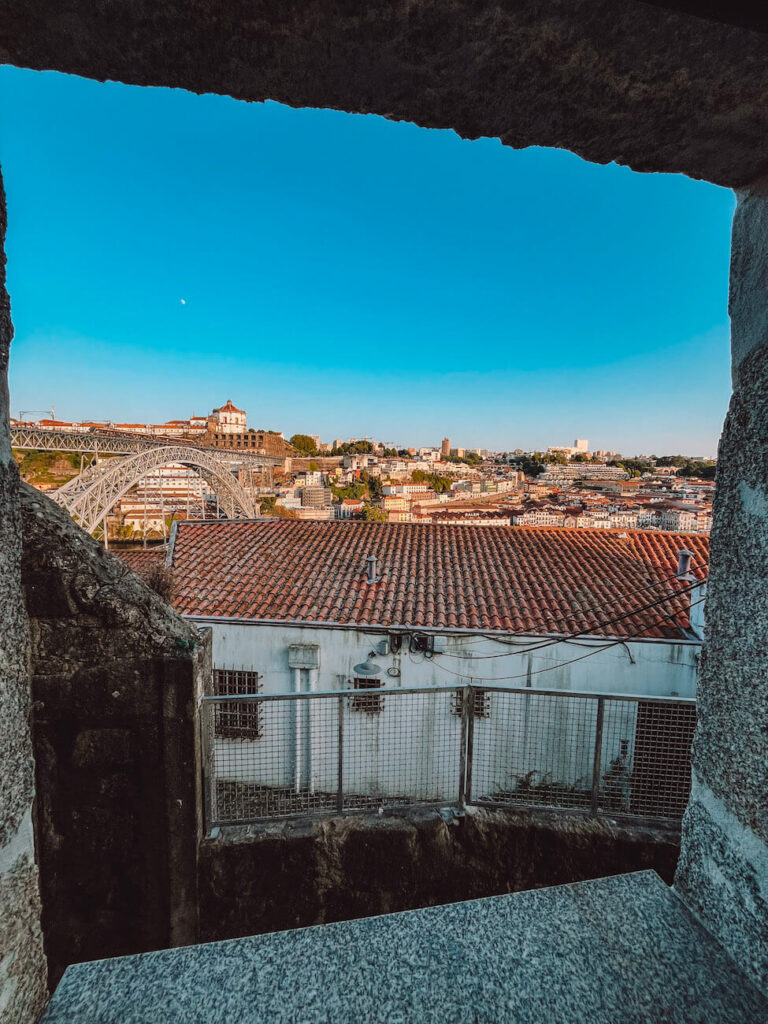
- Cross the Dom Luís I Bridge for stunning views of Porto and the Douro River
- Visit Mosteiro da Serra do Pilar, a UNESCO-listed monastery
- Taste Portugal’s famous export with a port wine tasting in Vila Nova de Gaia
- Eat your way through Mercado Beira Rio or the Time Out Market
- Experience the haunting beauty of a live Fado performance
Porto in 2 days itinerary
Day 1: Historic Porto
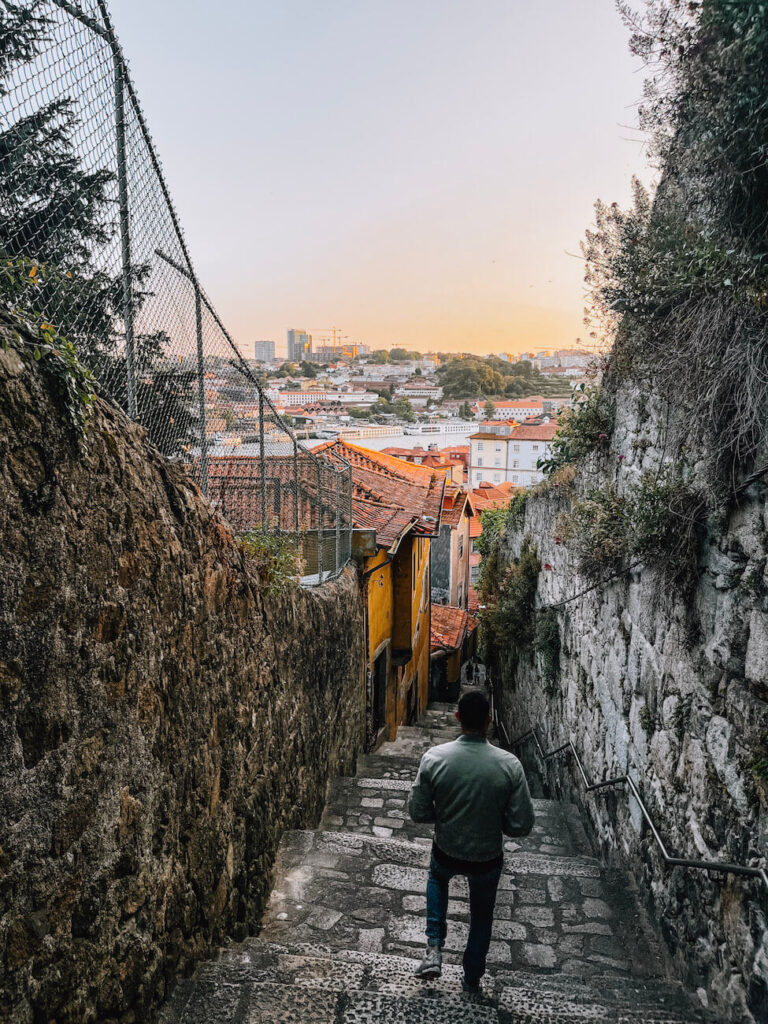
Start your first day in Porto with a walking route that takes you through some of the city’s most beautiful and iconic spots. The best way to get to know Porto is on foot, so wear comfortable shoes and prepare for a plenty of hills, stairs and cobblestones!
You can either join a free guided walking tour like this one or take your time strolling using the route below. The below will take around 2-3 hours to complete, plus time for breaks, depending on how quickly you walk.
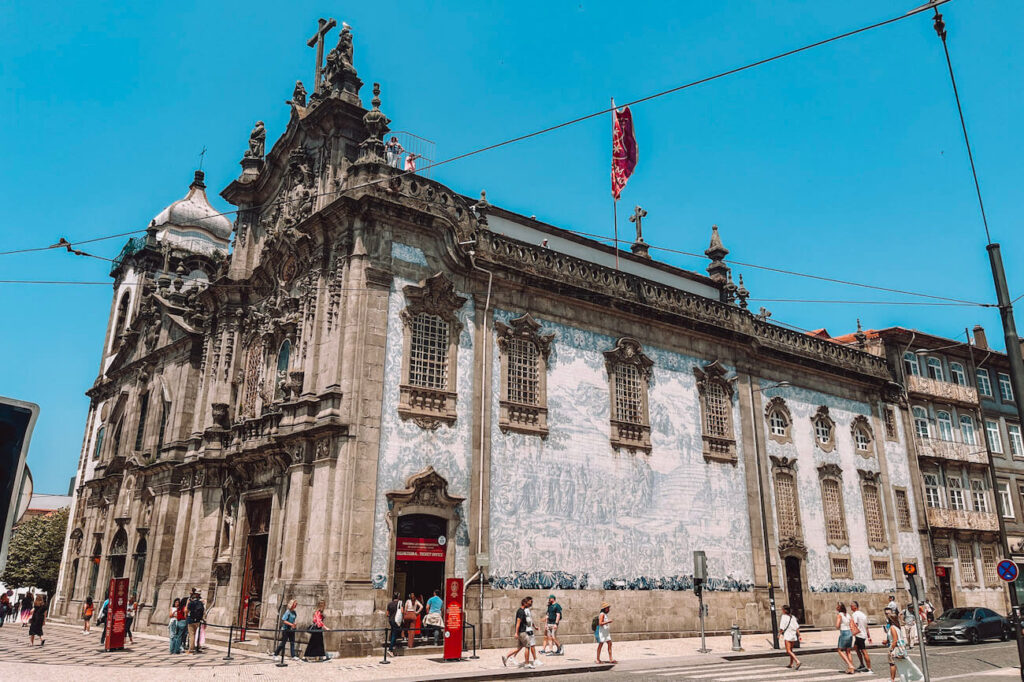
Begin at Igreja do Carmo, one of the city’s most photographed buildings thanks to its striking blue-and-white-tiled wall. Just next door is a tiny one-metre-wide house between this church and its neighbour, Igreja dos Carmelitas. It’s a quirky curiosity worth a quick look.
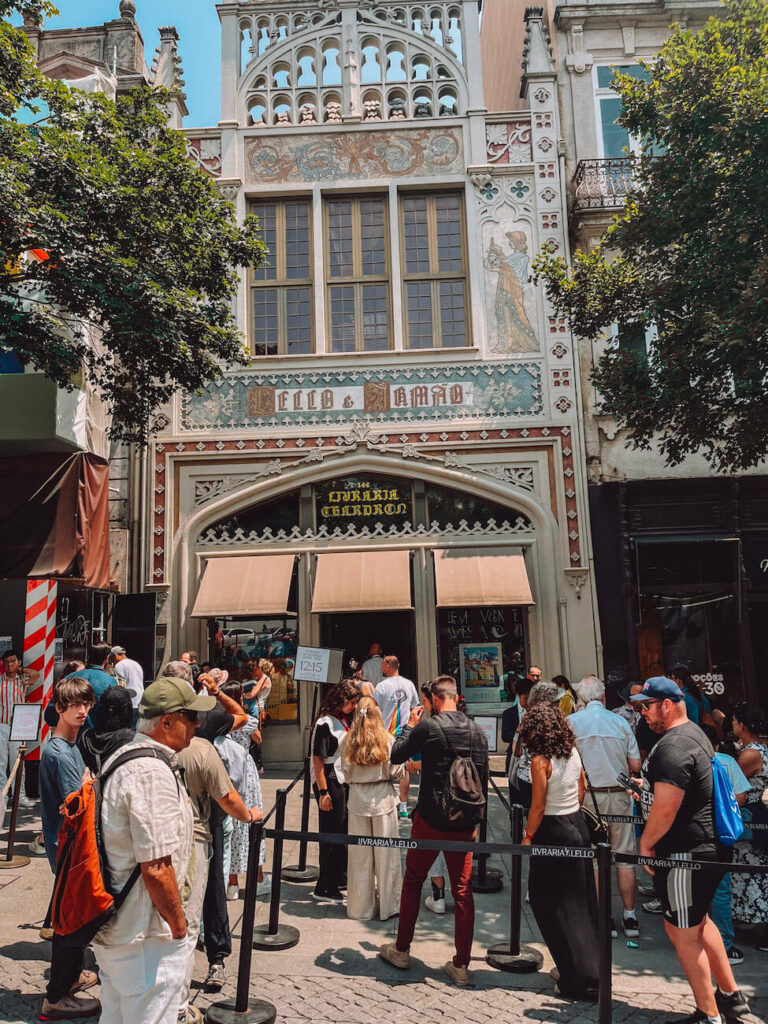
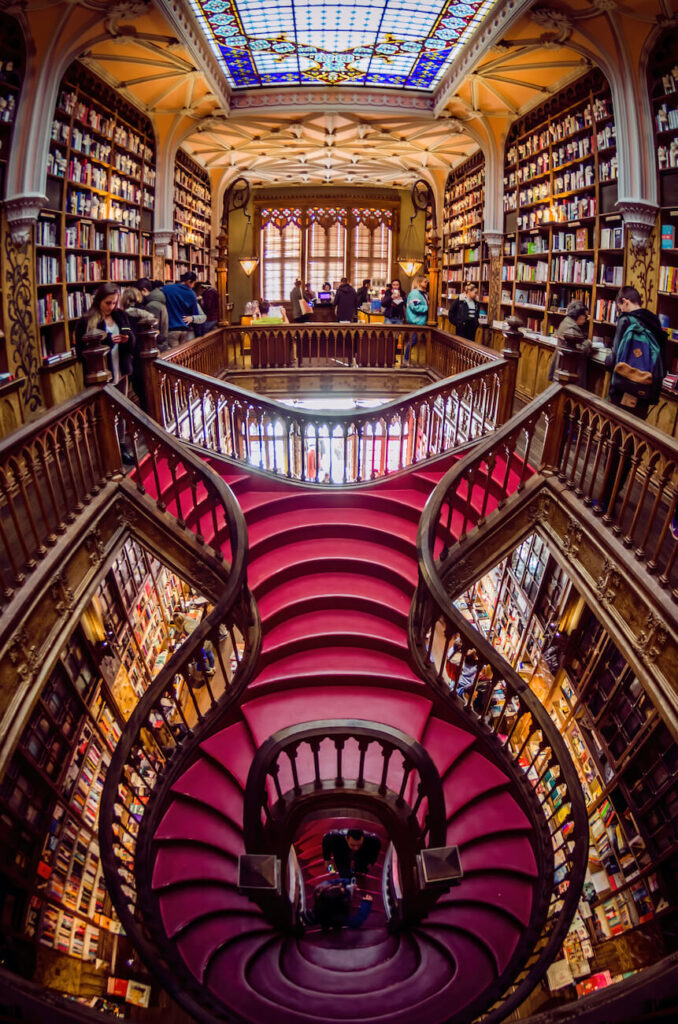
From there, wander to Livraria Lello, the beautiful bookshop said to have inspired parts of the Harry Potter series. It’s almost always busy, so having your ticket booked ahead makes entry smoother. Book tickets online
Personally, I was completely turned off by the crowds outside waiting to get in, but if you’re willing to plan ahead and queue for a photo, you’ll be rewarded with a glimpse of its ornate woodwork, stained glass skylight and winding staircase that make it one of the most photographed bookshops in the world.
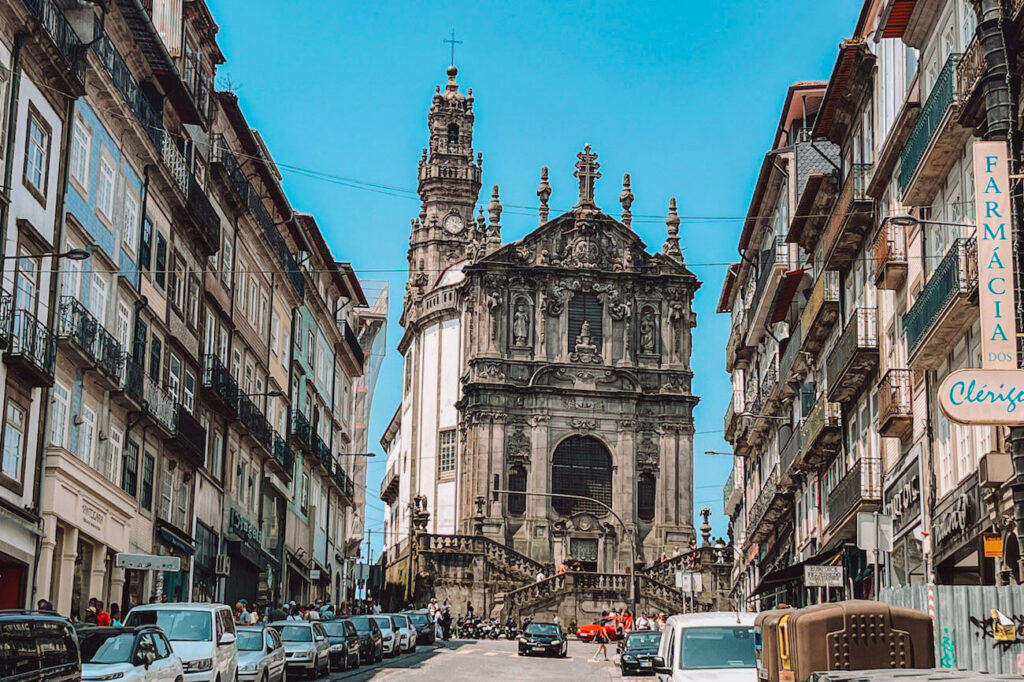
Continue to Torre dos Clérigos and take on the 225 steps for views over Porto’s terracotta rooftops.
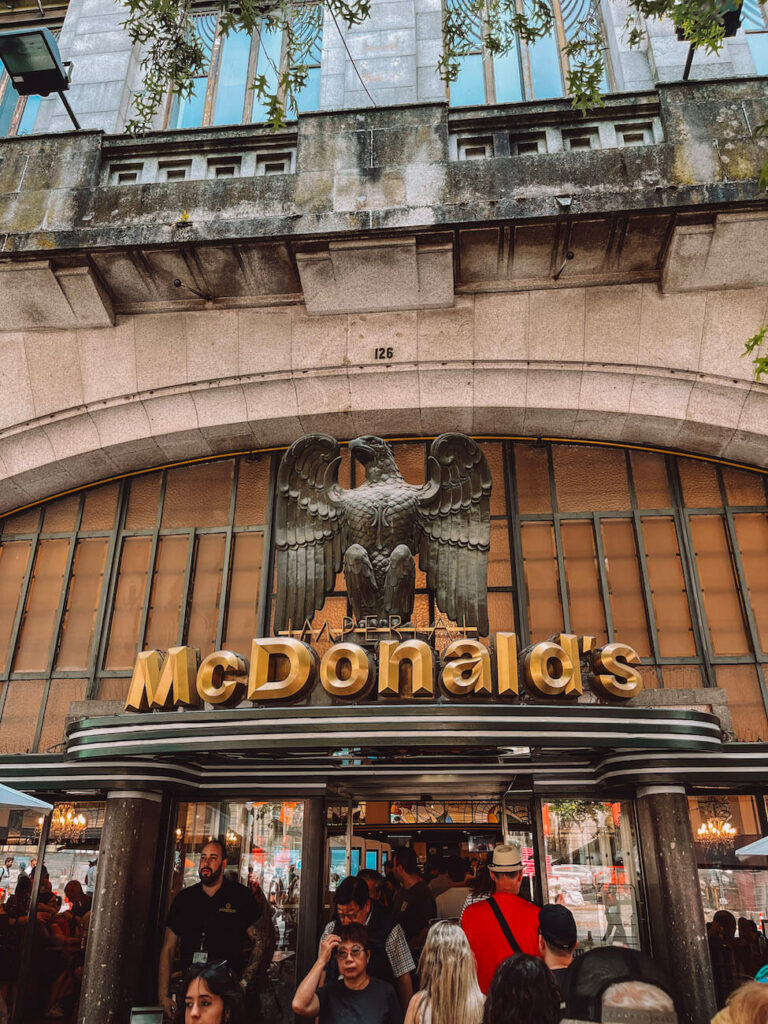
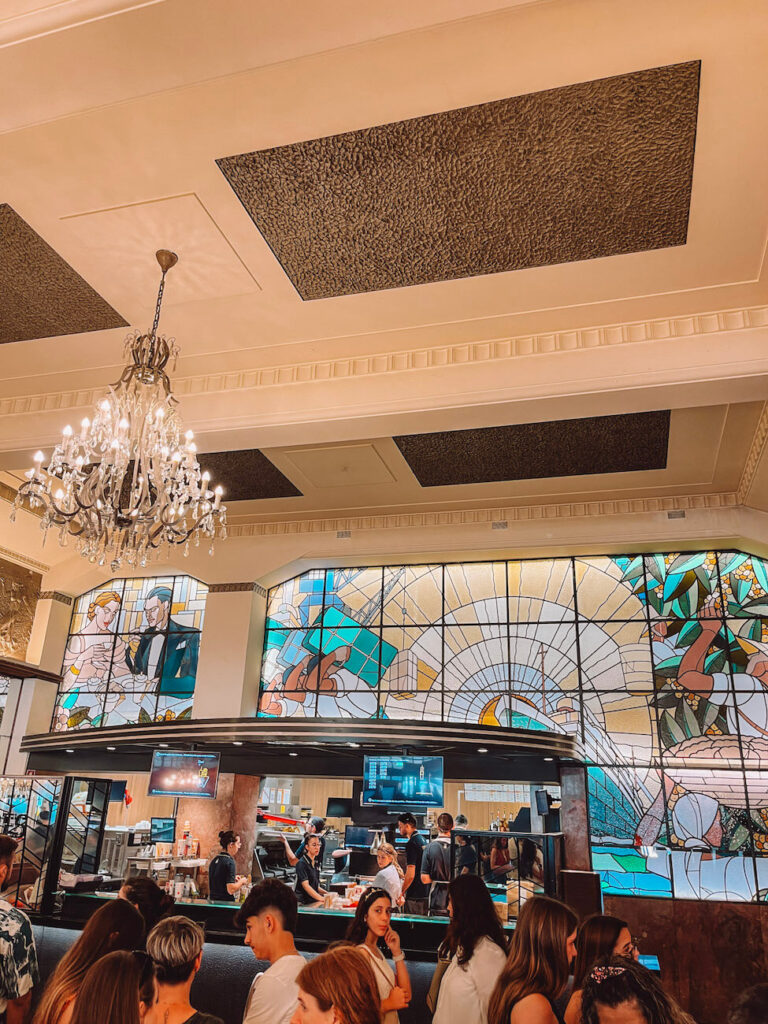
As you make your way downhill, you’ll pass through Praça da Liberdade, Porto’s main square, surrounded by grand 19th-century buildings. Pop into the McDonald’s here – not for the burgers, but to see its unexpected Art Deco interior with chandeliers and stained glass. This is quite possibly the most beautiful McDonalds store in the world.
A short stroll brings you to São Bento Station, where the entrance hall is lined with thousands of azulejos depicting scenes from Portuguese history. While always busy, it is a stunning place to see.
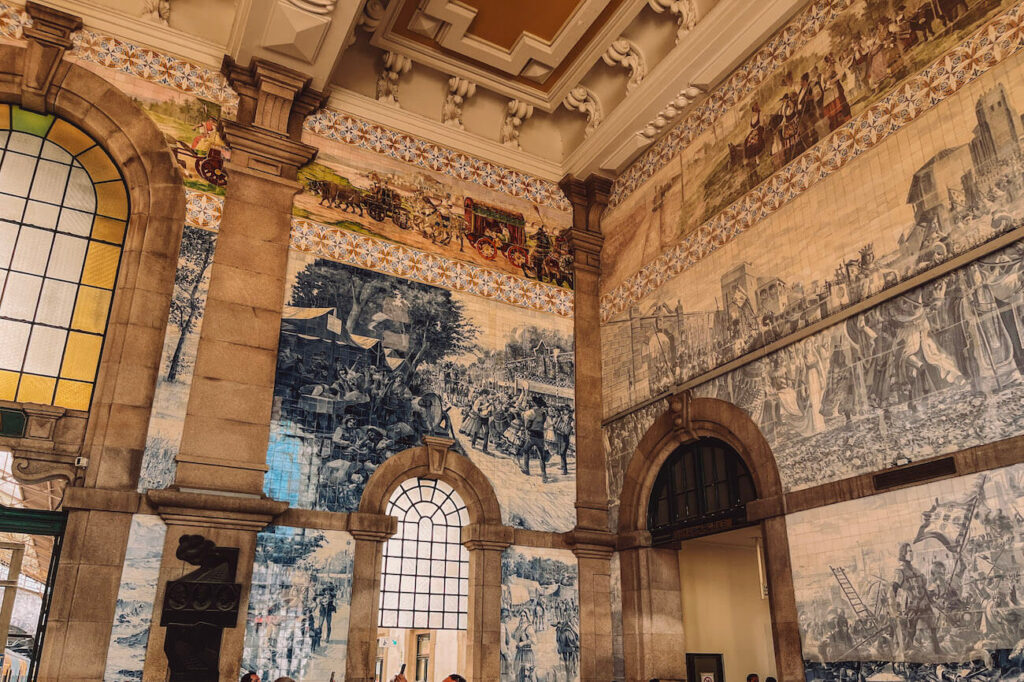
Next, make your way to the Chapel of Souls, with its façade entirely wrapped in intricate blue-and-white tiles.
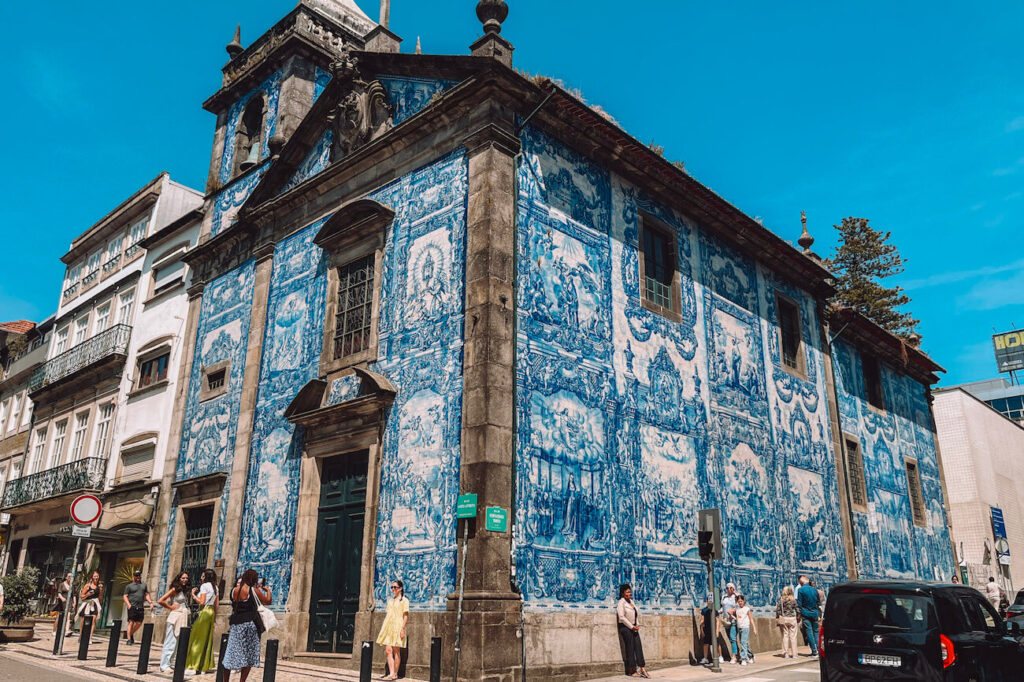
Nearby, Igreja de Santo Ildefonso is also wrapped in tiles and stands atop a staircase.
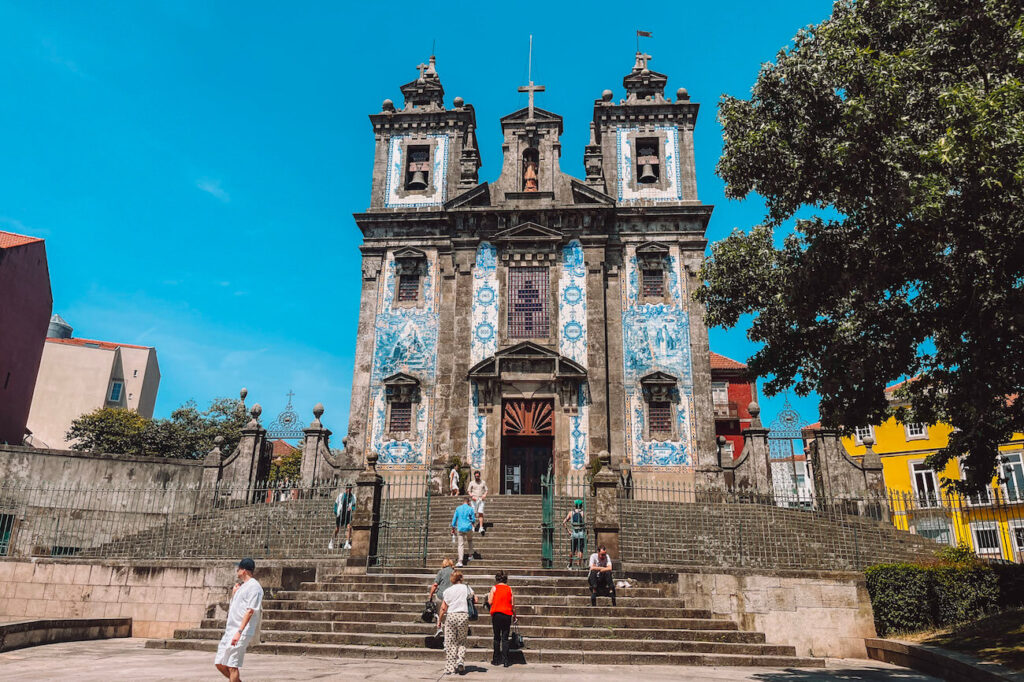
Depending on what time you started this walk, it’s probably lunchtime now and I have two recommendations. You can backtrack a little to wander the aisles of Mercado do Bolhão. This historic market, recently restored, is a great place to pick up some food and a glass of wine.
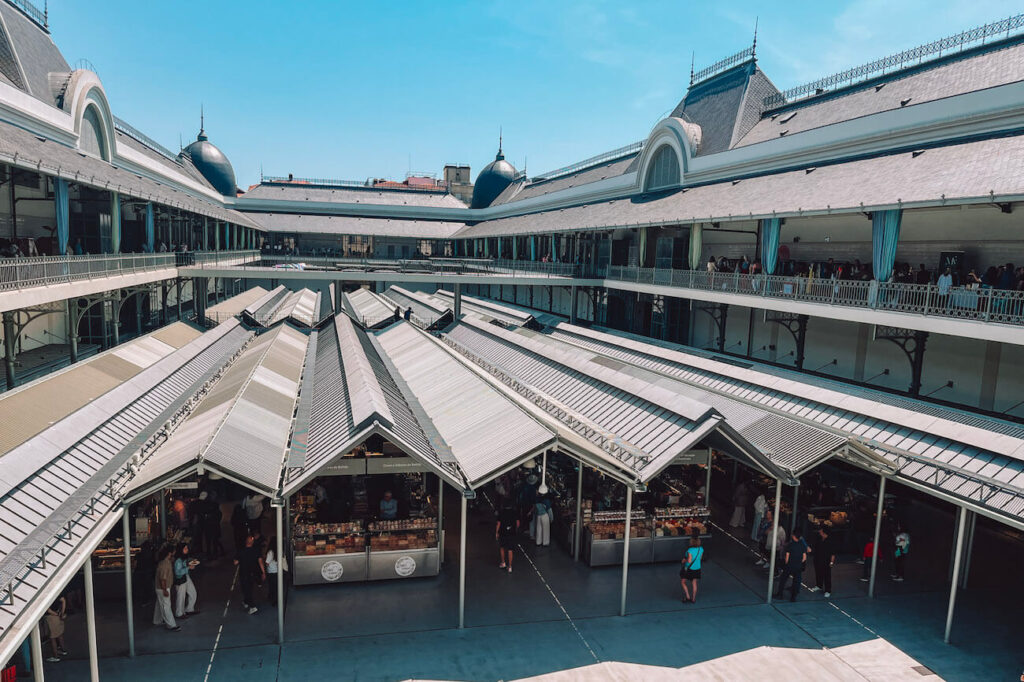
Or head to Gazela, a local spot famous for cachorrinhos – thin, spicy hot dogs grilled until crisp and shoved into a long bun with a spicy sauce. You will have to queue for a while to get a seat, but it’s worth it – the staff here are a lot of fun and this is greasy, finger-licking food.
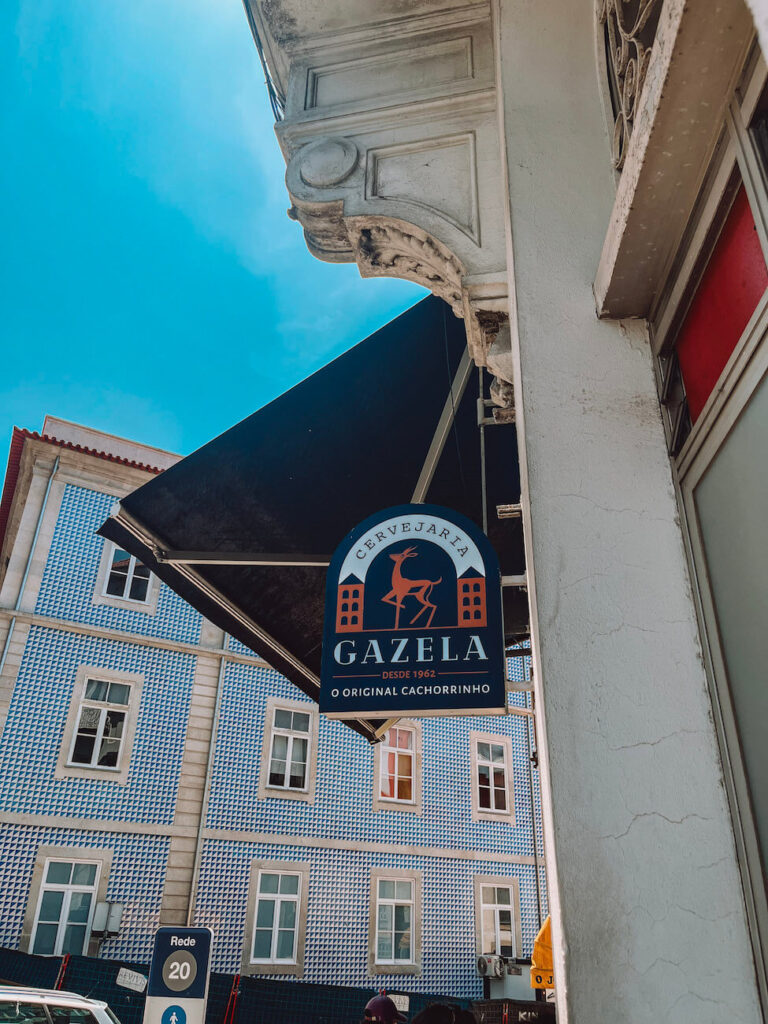
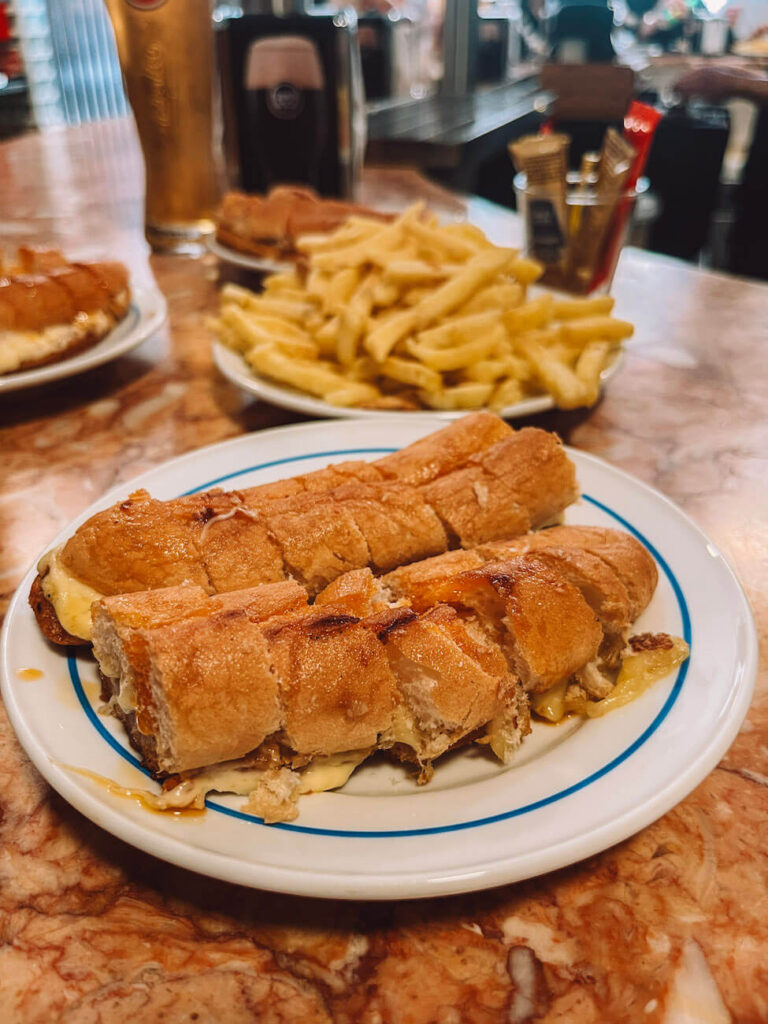
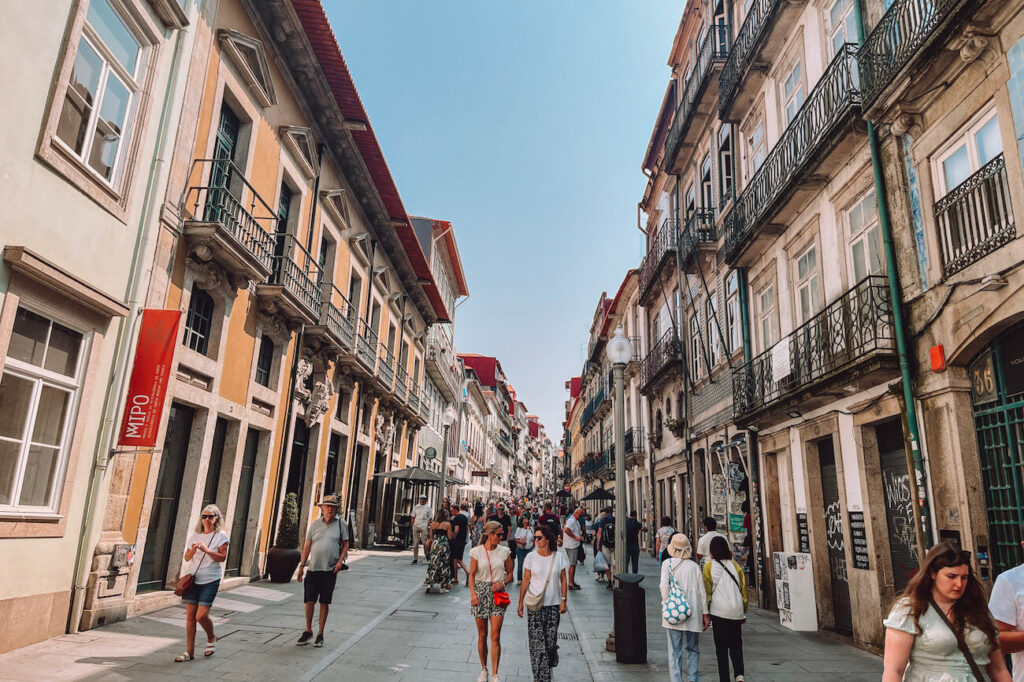
Afterward, stroll along Rua das Flores, a pedestrian street filled with shops, cafés and wine bars, along with street vendors selling photographs and paintings of typical Porto scenes.
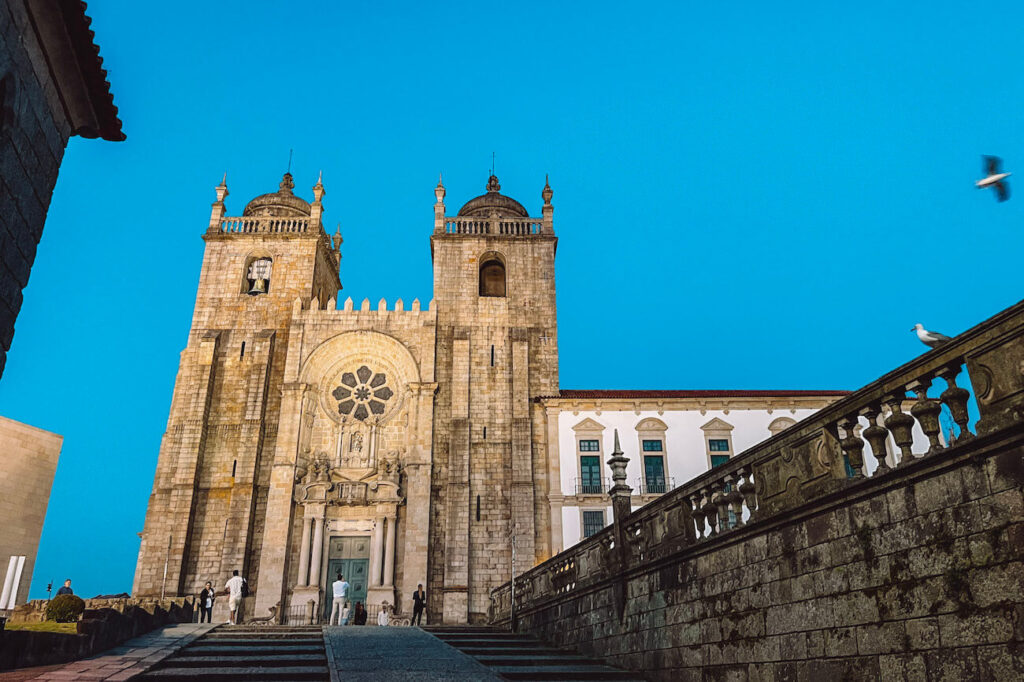
A little further on, you’ll find Porto’s cathedral, Sé do Porto, one of the city’s oldest monuments. In the morning, the courtyard is buzzing with people setting off on the Portuguese Camino, but it’s far more peaceful in the late afternoon. It’s free to enter the cathedral and just a few euros to visit the cloister.
If you still have energy, climb up to Miradouro da Vitória, a viewpoint with wide views over the Douro River and the rooftops of Vila Nova de Gaia on the opposite side of the river. It’s especially lovely at golden hour.
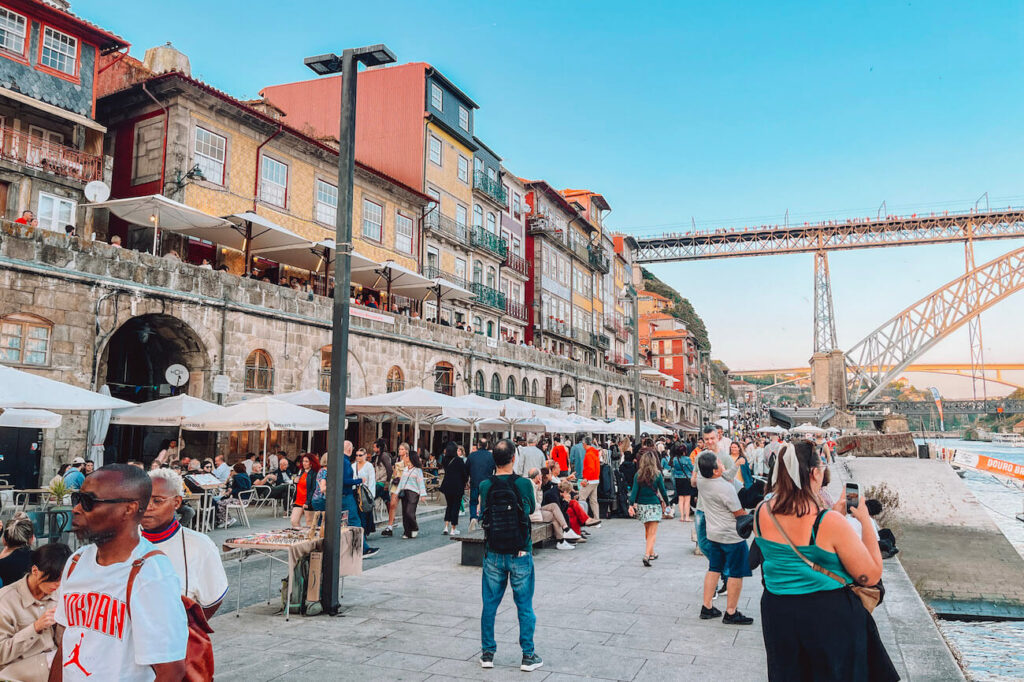
As evening falls, head to the Ribeira district for dinner. This colourful riverside neighbourhood may be touristy (and therefore pricier), but it’s hard to beat for atmosphere, with tables spilling out onto the streets and street performers competing for your euros. Find a spot with outdoor seating, order some grilled sardines or a plate of petiscos (Portugal’s answer to tapas) and watch the Douro flow by.
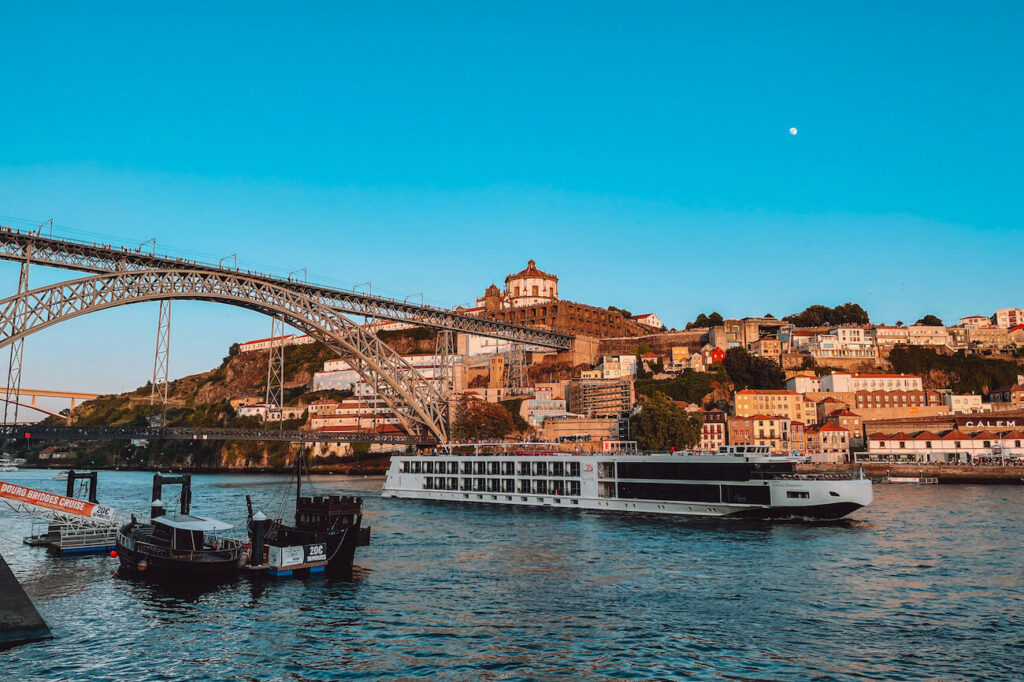
If you’d prefer something a little different, you could also book an evening Douro River cruise. These short boat trips give you a magical perspective of Porto and Vila Nova de Gaia as the sun goes down and the city lights begin to sparkle. Many cruises include a glass of port wine, and the sight of the bridges glowing against the twilight sky is a perfect way to wrap up your first day. Book a Douro River evening cruise here
Day 2: Cross the river for port tasting
On your second day in Porto, take things at a slightly slower pace and focus on the city’s most famous export – port wine. To do that, you’ll need to cross the Douro River into Vila Nova de Gaia, where the city’s best wine cellars are located.
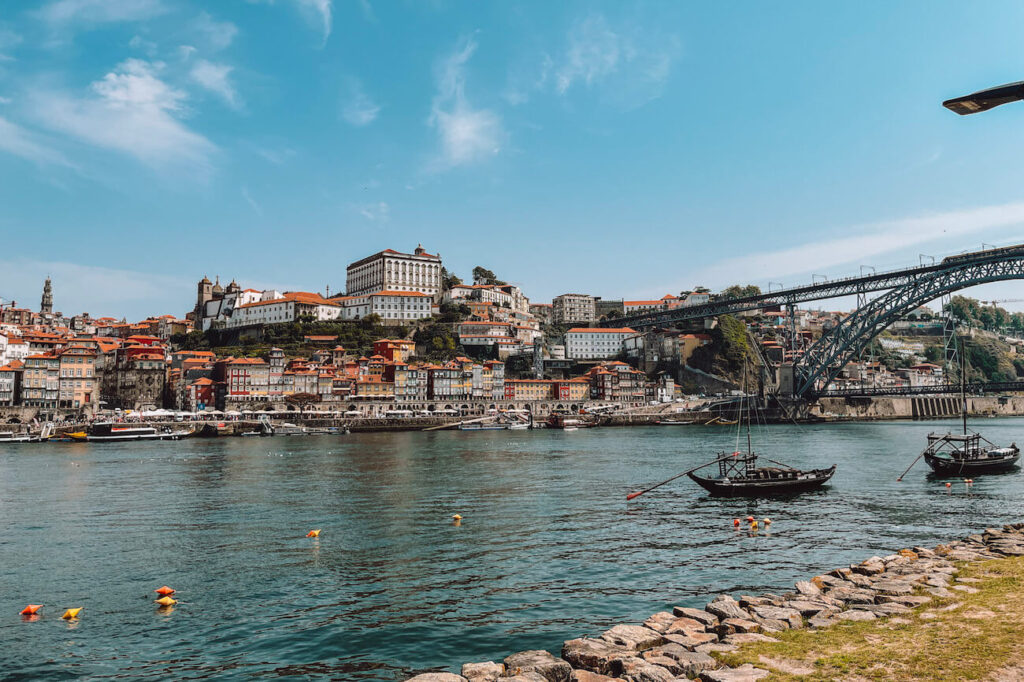
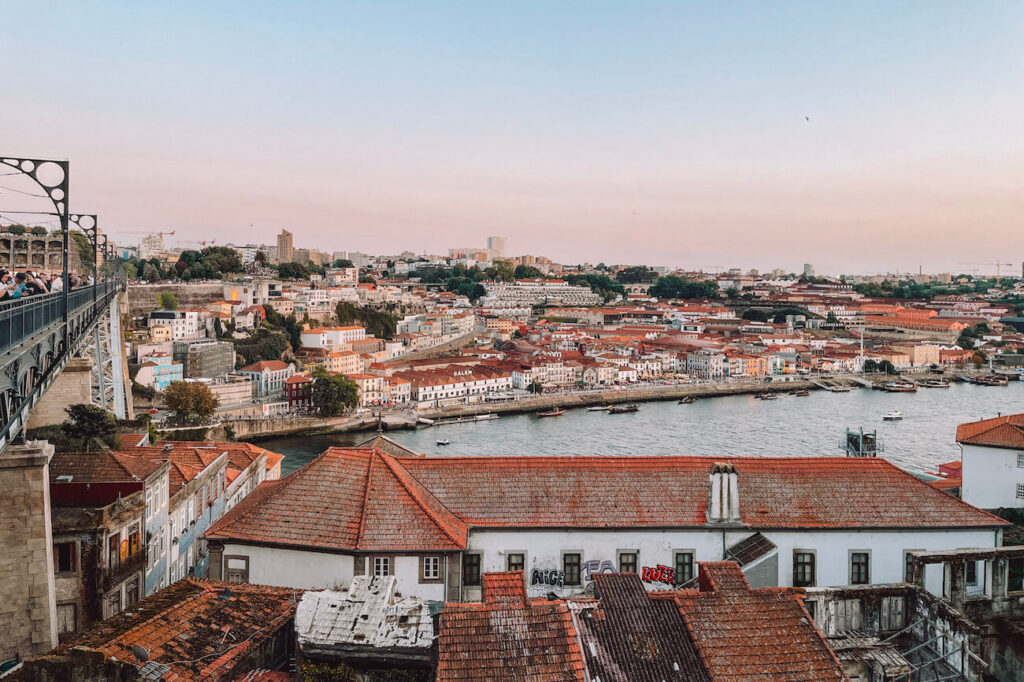
Start by walking across the upper deck of the Dom Luís I Bridge. The views are incredible, with the Douro River glistening below and the colourful houses of Ribeira stacked along the hill. Be careful, though – this bridge is shared by pedestrians and the metro train, so keep an eye on the tracks so you don’t get run over!
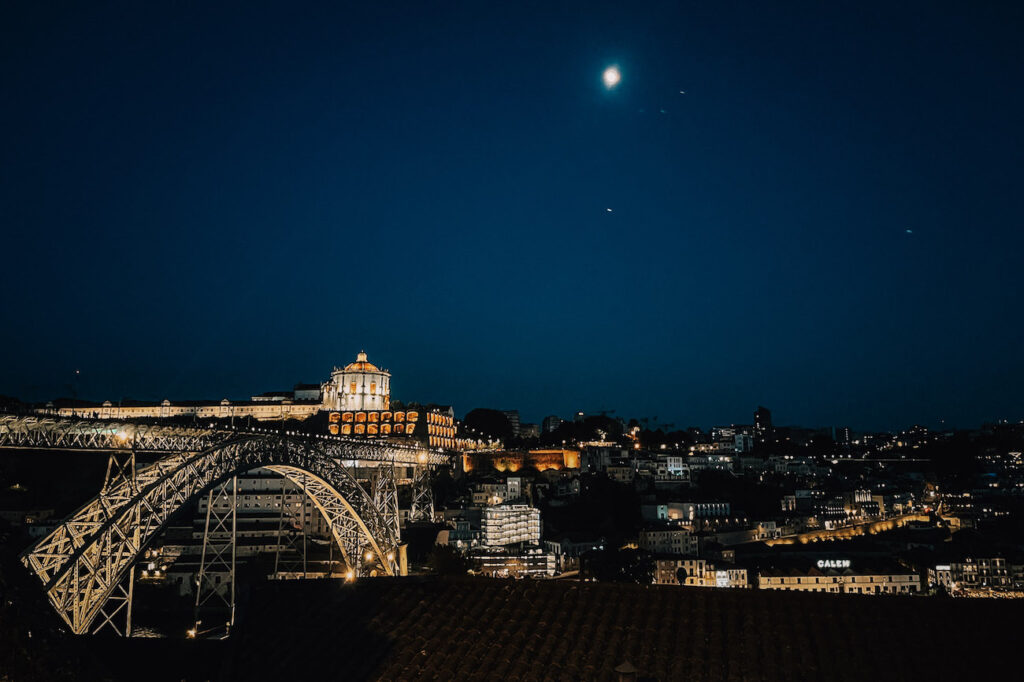
Once across, pause in Jardim do Morro, a small park. (Alternatively, plan your day to be here at sunset – this is a popular sunset viewpoint.)
If you have the energy, climb up to the Mosteiro da Serra do Pilar, a 16th-century monastery that is part of a UNESCO World Heritage site. During the Siege of Porto in the 1830s, the monastery was used as a military base due to its strategic hilltop location, and today it still has one of the most commanding views over the city, the river and the wine cellars of Vila Nova de Gaia. The terrace is open to the public, and for a small fee you can also visit the church and cloister. (Update: The monastery is temporarily closed for renovation works.)
Instead of tackling the steep walk down to the river, hop on the funicular and glide to the waterfront in Vila Nova de Gaia. Before you hit the cellars, make your way up to the World of Wine complex. It’s home to museums (about chocolate and port, say no more!), shops and several restaurants. Buy tickets online.
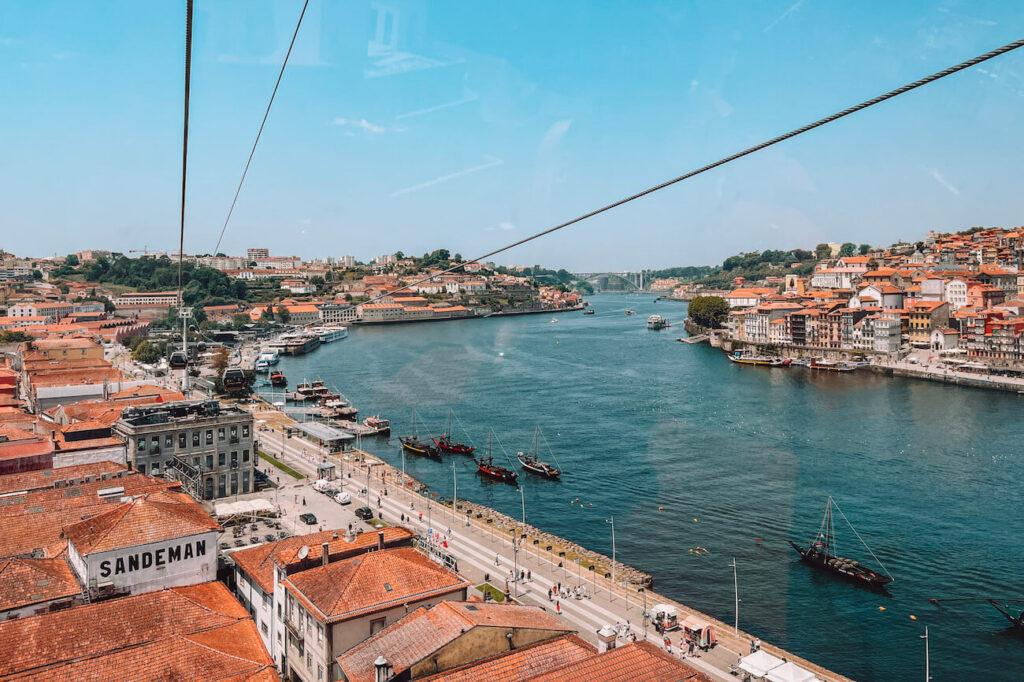
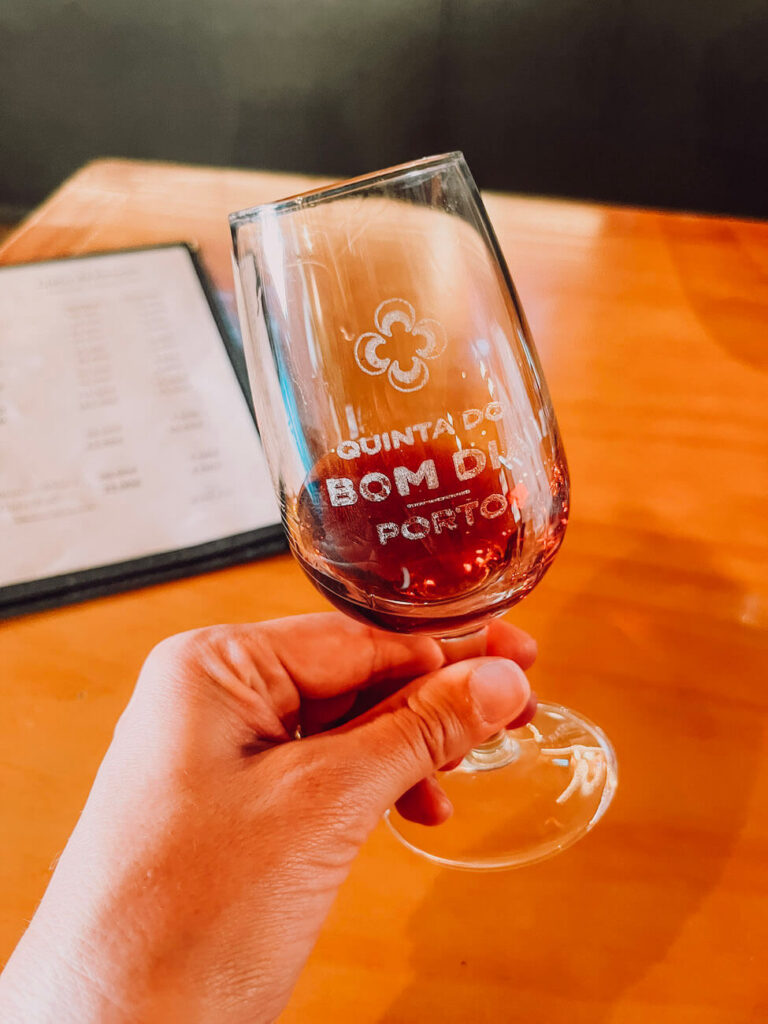
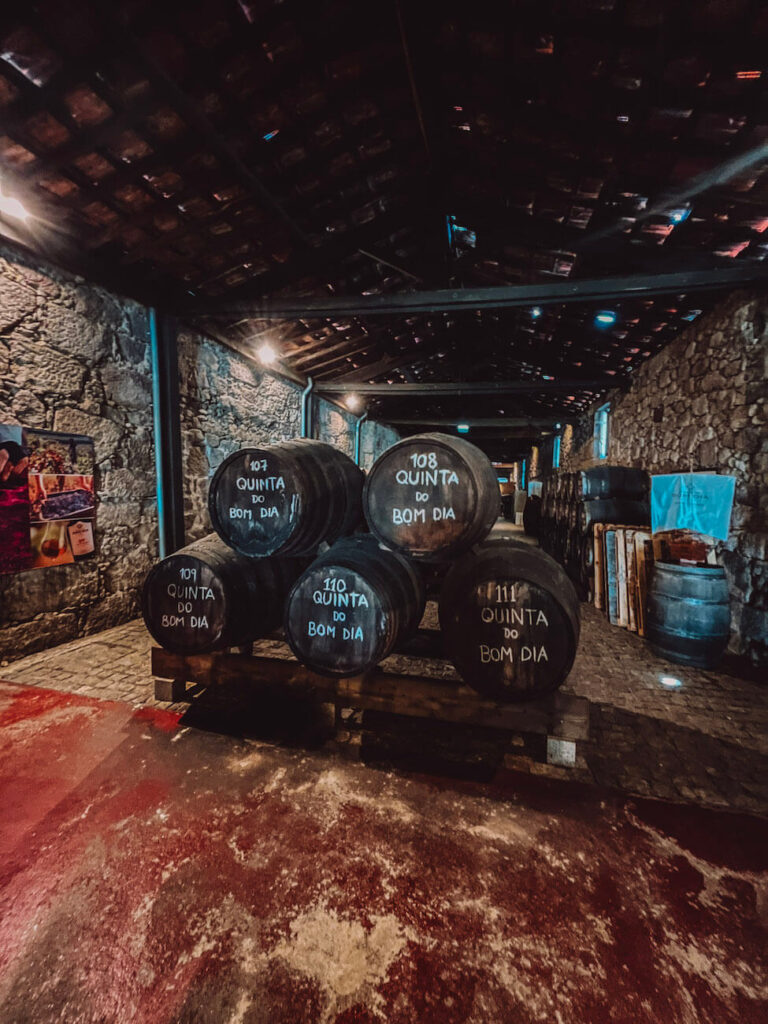
From here, head into the heart of the port wine industry, where historic cellars line the streets. Book a tour at one of the big-name producers like Cockburn’s, Graham’s, Sandeman or Taylor’s for a deep dive into the history and production of port. Or wander into smaller, more casual tasting rooms like Quevedo (with options for a port tasting or a port and cheese pairing experience) or Quinta do Bom Dia for a relaxed sampling.
Many wine cellars do require advance bookings, so check the websites ahead of time.
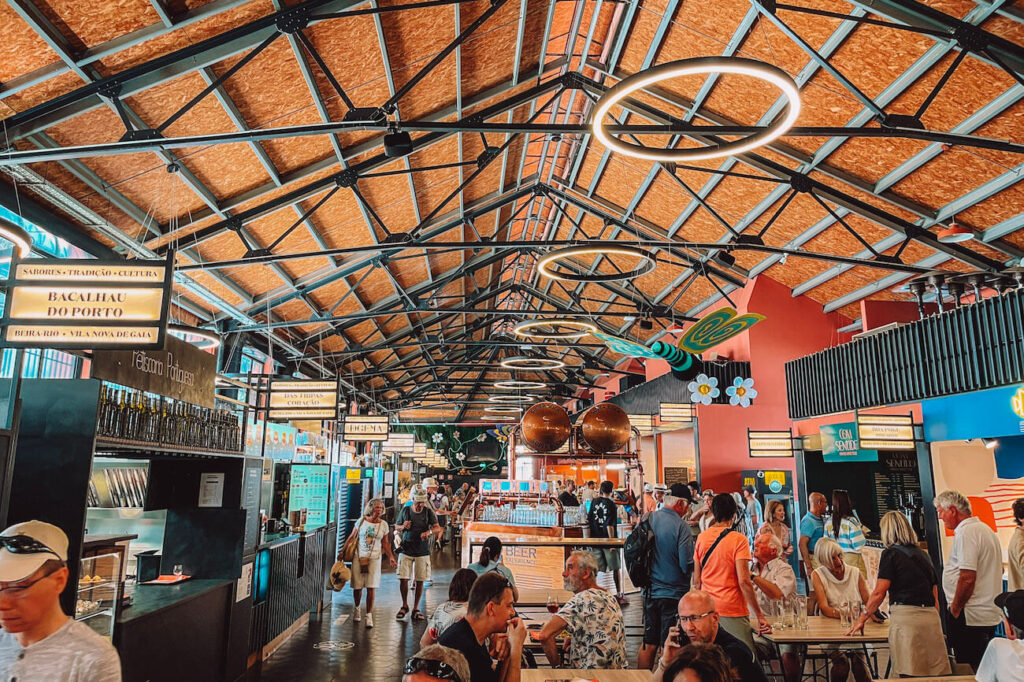
When hunger strikes, head to Mercado Beira Rio, a food hall right on the Gaia riverfront. We ate here after our tastings and sampled cheese and breads, sandwiches and plenty of sweet things.
After eating, stroll back across the lower level of the Dom Luís I Bridge for a different perspective of the Porto skyline.
To finish your Porto visit, book a seat at an evening Fado performance (if you haven’t already experienced Fado on a Lisbon itinerary). Fado is Portugal’s traditional music, a soulful, melancholic genre that tells stories of love, loss and longing.
The name comes from the Portuguese word for “fate” and is closely linked to the idea of saudade, a uniquely Portuguese feeling of nostalgic yearning. Venues like Casa da Guitarra or Ideal Clube de Fado offer intimate shows where the haunting, emotional songs are paired with guitar.
Porto itinerary map
Where to stay in Porto
Porto is compact, so for a short visit you’ll want to base yourself somewhere central so you can walk to most sights.
Porto accommodation is pricy, so prepare for sticker shock.
Some of the best areas for a short stay are:
Ribeira
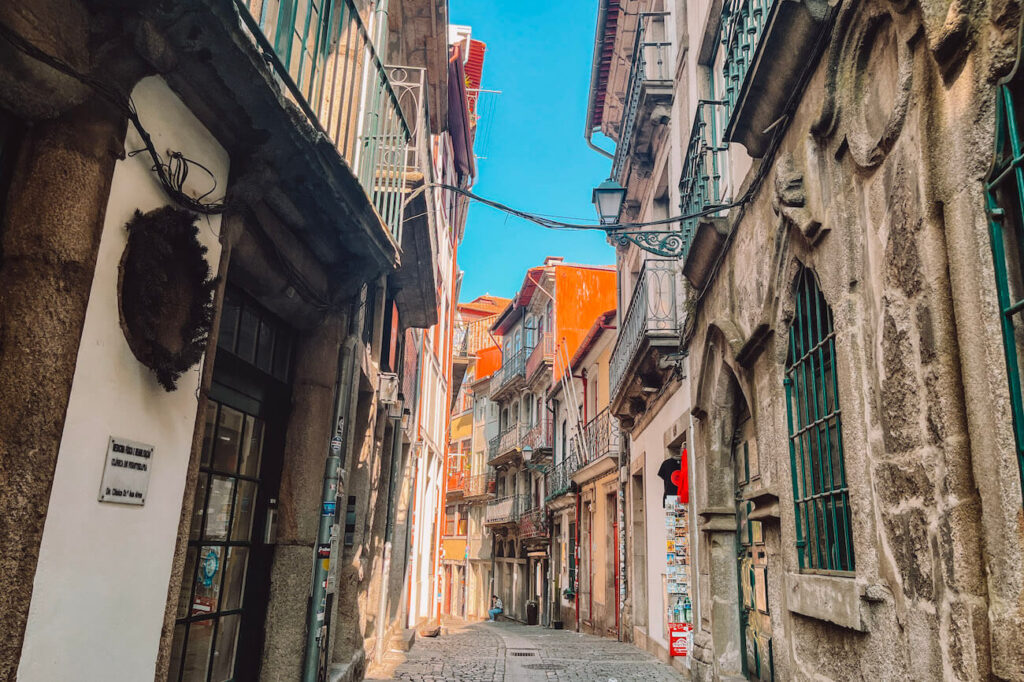
Right by the river, this is the most scenic and atmospheric part of the city. You’ll be surrounded by colourful buildings, cobbled lanes and plenty of restaurants. It’s a lively area so it can get noisy at night.
- We stayed in this fantastic apartment (⭐ 9.6/10) with views over the rooftops and the river. There’s an excellent wine bar right next door. You will have to navigate several flights of stairs to get here, though! | Book on Expedia
- Ribeira Douro Hotel (⭐ 9.6/10) – a cosy hotel by the Douro River with light-filled rooms | Book on Booking.com
Clérigos
A little uphill from Ribeira, the Clérigos area is anchored by the iconic Torre dos Clérigos. This neighbourhood is close to São Bento Station, Livraria Lello and many of the city’s key attractions, while still being within walking distance of the river. It’s a great option if you want to be central without the constant crowds of Ribeira.
- Wine & Books Porto Hotel (⭐ 9.4/10) – an elegant 5-star boutique hotel with literary and wine themes (hence the name!) and a nice rooftop bar | Book on Booking.com | Book on Expedia
- chic&basic Gravity (⭐ 9.2/10) – boutique hotel with cool décor and a great location minutes from the key sights | Book on Booking.com
What to eat and drink in Porto
Portuguese cuisine is known for being hearty and flavourful – and Porto has a few of its own unique specialties worth seeking out.
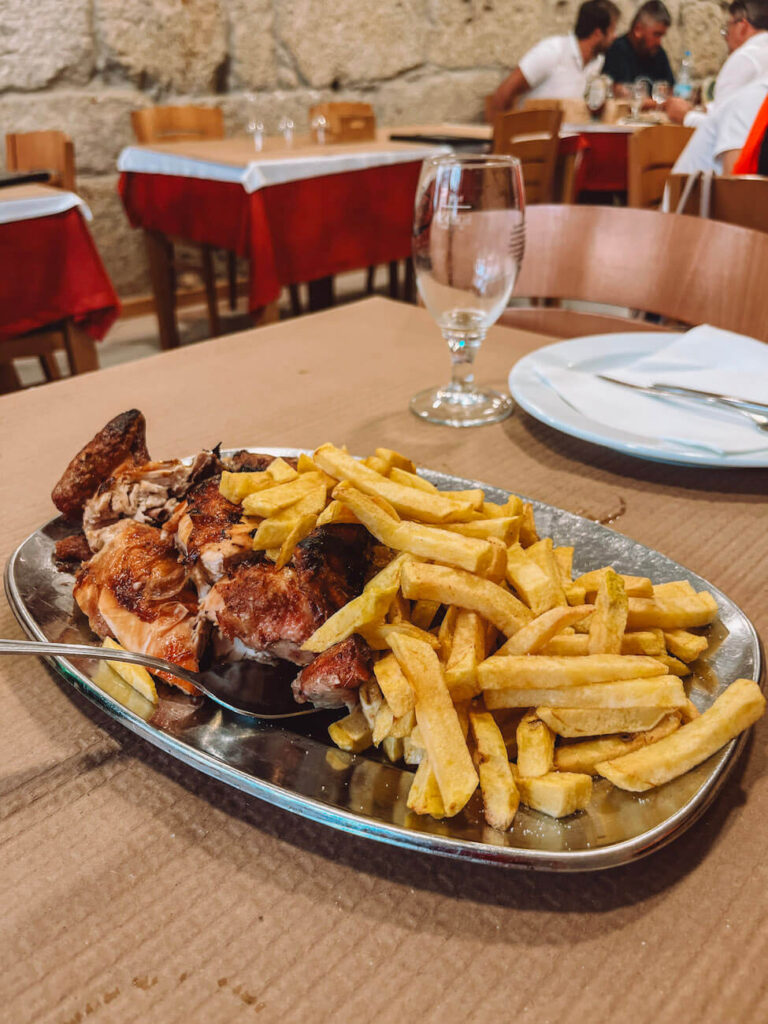
- Francesinha – Porto’s most famous dish. A towering sandwich layered with steak, sausage and ham, smothered in melted cheese and drenched in a rich beer-based sauce. Usually served with fries and sometimes topped with a fried egg. Definitely best shared!
- Cachorrinho – A thin, spicy hot dog served in a small crusty roll, brushed with a slightly spicy, buttery sauce, then grilled until crisp. It’s a Porto street food classic. Try it at Gazela.
- Bacalhau à Brás – One of many ways the Portuguese prepare salt cod, this dish combines shredded bacalhau with thin potato matchsticks and scrambled eggs.
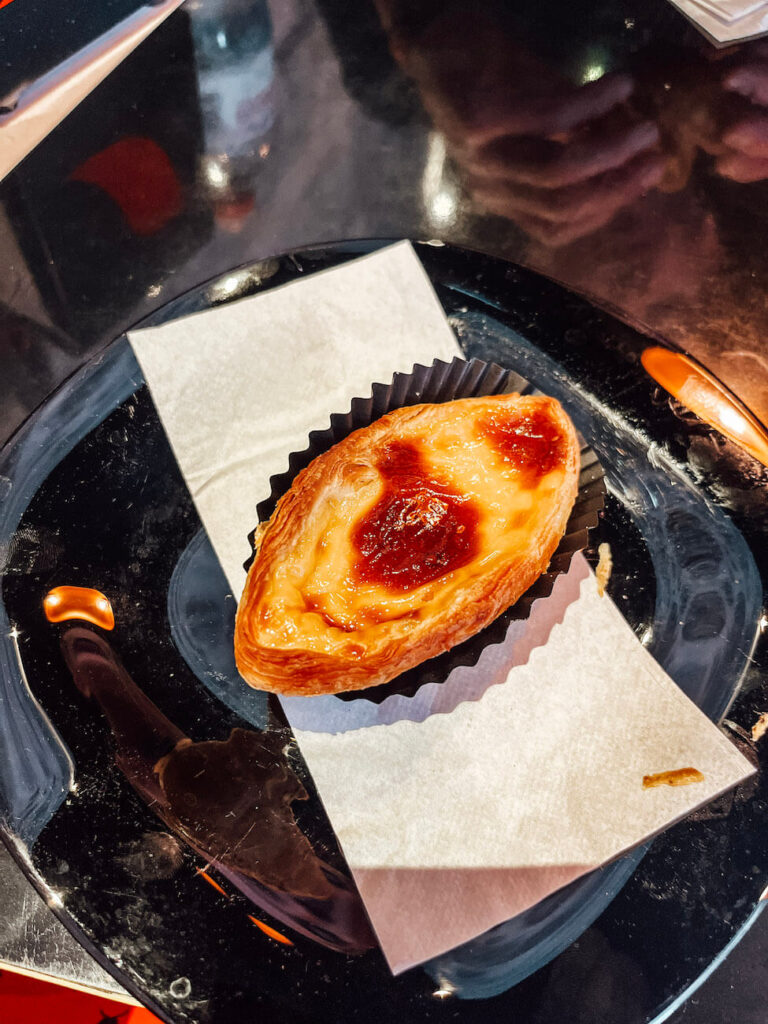
- Pastéis de nata – Not just a specialty of Porto, these flaky custard tarts are found all around Portugal and are irresistible (especially fresh from the oven and with a dusting of cinnamon).
Portuguese dining times are later than you might be used to. Lunch often starts around 1pm, and dinner rarely kicks off before 8pm. If you want to eat with locals rather than tourists, avoid the early seatings. Having a late afternoon siesta helps with staying up later!
Tipping isn’t expected, but leaving small change is always appreciated. Service can sometimes feel slow by some standards – take it as part of the relaxed Portuguese pace.
If you want an overview of Porto’s culinary traditions, join a guided food tour. We didn’t on this trip, but here are the Porto food tours I had saved in my list:
- Half-Day Walking Tour Tasting Local Food in Porto – a small-group tour of Porto with plenty of local food and drink tastings
- Porto Progressive Dinner Tour with Eating Europe – discover Portuguese food in a non-traditional way, visiting a handful of local eateries while learning about Portuguese history and culture
- Food Tour with Culinary Backstreets – I really want to do a tour with this company. I am signed up to their regular blogs and everything they write is in depth and explains the food culture of the city or country they’re highlighting
Know before you go
Best time to visit Porto
Porto is nice year-round, but spring (April to June) and early autumn (September and October) are ideal. The weather is mild, the days are long and the crowds are manageable. Summer can be insufferably hot and busy, especially in July and August. Winter is cooler and quieter, with some rain, but it’s still a perfectly fine option if you prefer fewer tourists.
Keep an eye out for local festivals like São João in late June – Porto’s biggest party, complete with fireworks, dancing and plastic hammers. We experienced Lisbon’s version of this festival and it was so much fun!
How to get to Porto
Porto’s international airport (Francisco Sá Carneiro Airport) is about 20 minutes from the city by metro or taxi and is well connected across Europe.
If you’re coming from Lisbon, the train is the best option (check tickets and timetables online here). It takes around three hours and arrives at Campanhã station, with easy connections to the city centre. Buses are also available and can be slightly cheaper, but slower.
There are also cross-border buses and trains from Spain, especially from Galicia.
How to get around Porto
Porto is a walkable city, but it’s also a hilly one. You’ll want sturdy shoes for the cobblestones and steps. Most major sights are within walking distance if you stay central – everything on this Porto itinerary can be visited by walking.
There’s also a reliable public transport system that includes metro, buses and the historic tram. The metro is great for longer distances (like airport transfers), while the trams are fun but mostly for the experience rather than for getting around. The funicular and elevators are helpful for tackling steep hills.
Final thoughts on spending 2 days in Porto
Porto may be small, but it leaves a big impression. For us, visiting Porto before walking the Portuguese Camino was the perfect way to ease into the rhythm of northern Portugal. In just two days, you can wander through centuries of history, admire colourful riverside views and sip some of the best wine in the world – all while enjoying the relaxed pace of Portuguese life.
Two days in Porto won’t be enough to see it all, but it’s the perfect introduction. You’ll almost certainly want to come back!
2 days in Porto: FAQs
Is 2 days enough in Porto?
Two days is just enough to see the main sights, taste some port and soak up the city’s vibe. You’ll need to move at a steady pace, but it’s doable – especially if you stay somewhere central. If you have more time, an extra day or two would let you explore at a slower pace or take a day trip to the Douro Valley.
Is Porto safe for visitors?
Yes, Porto is a very safe city for travellers. The main thing to watch out for is petty theft, such as pickpocketing, particularly in crowded tourist areas like the Ribeira district, São Bento Station and on public transport.
Should I visit Porto or Lisbon if I only have time for one?
They’re both great, but different. Lisbon is bigger, with grander landmarks and more nightlife. Porto feels more compact and intimate, with a slower pace and a slightly more traditional feel. If you love food, wine and old-world charm, Porto is hard to beat.
Did you find this article helpful? Consider buying me a coffee as a way to say thanks!
What are your tips for spending two days in Porto?
Related posts
Before you go, you might like these Portugal travel posts:
- How to spend 2 days in Lisbon, Portugal – A first-time visitor’s guide
- What to pack for the Portuguese Camino
- What to know before hiking the Portuguese Camino
PORTUGAL TRIP ESSENTIALS
- Book flights to and around Portugal online with Skyscanner. I like this site because it shows me which dates are cheaper.
- One thing I always purchase is travel insurance! Travel Insurance Master allows you to compare across multiple policy providers, while SafetyWing is great for long-term travellers and digital nomads.
- Wise is my choice for sending and receiving money and spending money overseas (you can get a digital and physical card).
- Find a great hotel in Portugal. Check prices on Booking.com and Expedia online.
- Check out the huge range of day tours throughout Portugal on GetYourGuide or Viator – I’m a fan of food tours especially!
- Saving money? Check out the huge range of free walking tours across Portugal with GuruWalk (don’t forget to tip!).
- How to get around? I use DiscoverCars for car hire, or Motorhome Republic and Jucy for campervan/RV rental. For buses, trains and ferries, I use 12GO, Busbud and Omio.
- Grab an e-sim to stay connected while on the road.
- A copy of the Lonely Planet guide to Portugal will be handy.
- Check out my Amazon shop for my fave travel items – everything from backpacks and suitcases to travel adapters and beauty products.
PIN IT FOR LATER: 2 DAYS IN PORTO ITINERARY
Save this guide to planning 2 days in Porto to Pinterest for later.