
Got two days in Singapore? After 10+ visits, here’s my guide to what to see, do and eat in the Lion City!
Singapore is one of the best stopover destinations in the world – but it’s also a city worth a dedicated visit in its own right. Land at Changi (routinely voted one of the best airports on earth, and for good reason), be in the city within the hour and by lunchtime you could already be eating at a hawker stall that’s holding a Michelin mention. That’s the thing about Singapore: there are few places in the world that pack so much into so little space.
It’s also just about the easiest country in Southeast Asia to drop into with zero culture shock and very little stress. English is widely spoken, the MRT is spotless and simple to navigate, and it’s clean and safe enough that you can wander at 11pm without a second thought.
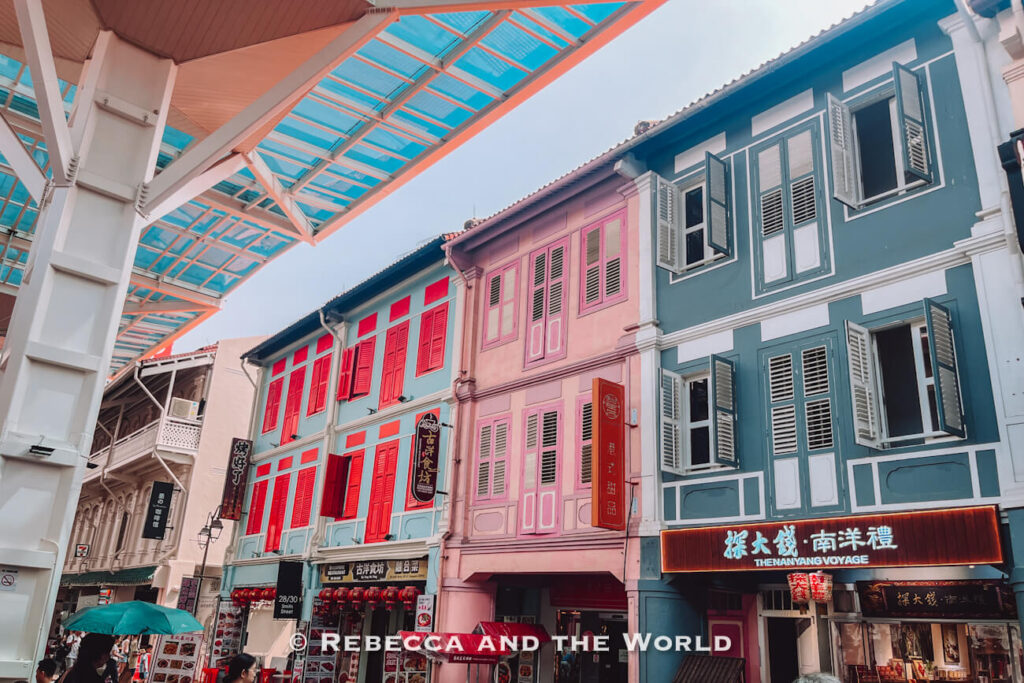
But easy doesn’t mean boring – this is a city of Chinese shophouses next to glass skyscrapers, jungle-dense botanic gardens minutes from the financial district and some of the best food in the region, from three-dollar hawker plates to Michelin-starred tasting menus.
After visiting this city more than 10 times, this itinerary is a compilation of my favourite things to do here for a first-time visitor.
This blog post may contain affiliate links, meaning if you book or buy something through one of these links, I may earn a small commission (at no extra cost to you).
At a glance: 2 days in Singapore itinerary
This itinerary assumes you have two full days in Singapore – so three nights. If you’ve got less time than that, you’ll need to adjust this to fit the time you do have. Here’s my ideal Singapore stopover itinerary.
Day 1
- Morning: A light breakfast, then A Chef’s Tour food tour through Chinatown, Little India and Kampong Glam
- Afternoon: Wander Kampong Glam, rest at your hotel, sunset photos at the Merlion
- Evening: Rooftop drinks, then dinner on Ann Siang Road
Day 2
- Morning: Stretch your legs at Singapore Botanic Gardens
- Late morning: Visit the Tiong Bahru neighbourhood, including lunch at Tiong Bahru Market
- Late afternoon/evening: Gardens by the Bay and dinner at a famous hawker market (Lau Pa Sat)
Map of what to do in Singapore
How to get around Singapore
Singapore is an incredibly easy city to navigate. I usually use a mix of Grab and the metro to get around, and you can do the same as you follow this Singapore itinerary.
Airport to city: Grab (Southeast Asia’s answer to Uber) is the easiest option. Download the app and order a car (or even food). You can also load up Grab Pay and use the app to pay for things once you’re in the city (for example, at hawker stalls). If you’d rather save money, the MRT (train system) gets you from Changi into the city in about an hour. You can tap in with a contactless credit card, or grab a Singapore Tourist Pass (1, 2 or 3-day options) if you know you’ll be relying on the trains a lot during your 2 days in Singapore.
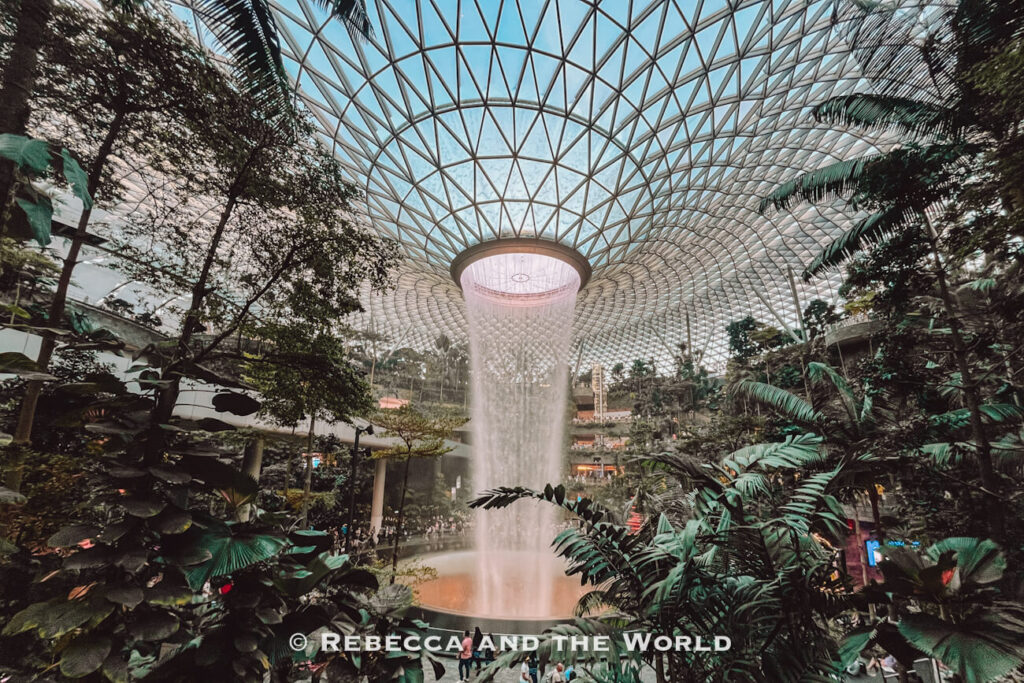
Getting around once you’re there: The MRT is one of the easiest metro systems I’ve used anywhere. There are 170 stations across 6 colour-coded lines, and it’s clean, efficient and easy to navigate even if it’s your first time in the country. I just plug my route into Google Maps and it tells me the fastest way between stations.
For short hops or when you’re short on time, Grab is always there as a backup. Just plan ahead if you’re on a schedule, as drivers can sometimes take 5-10 minutes to arrive, depending on where you are and what time of day it is.
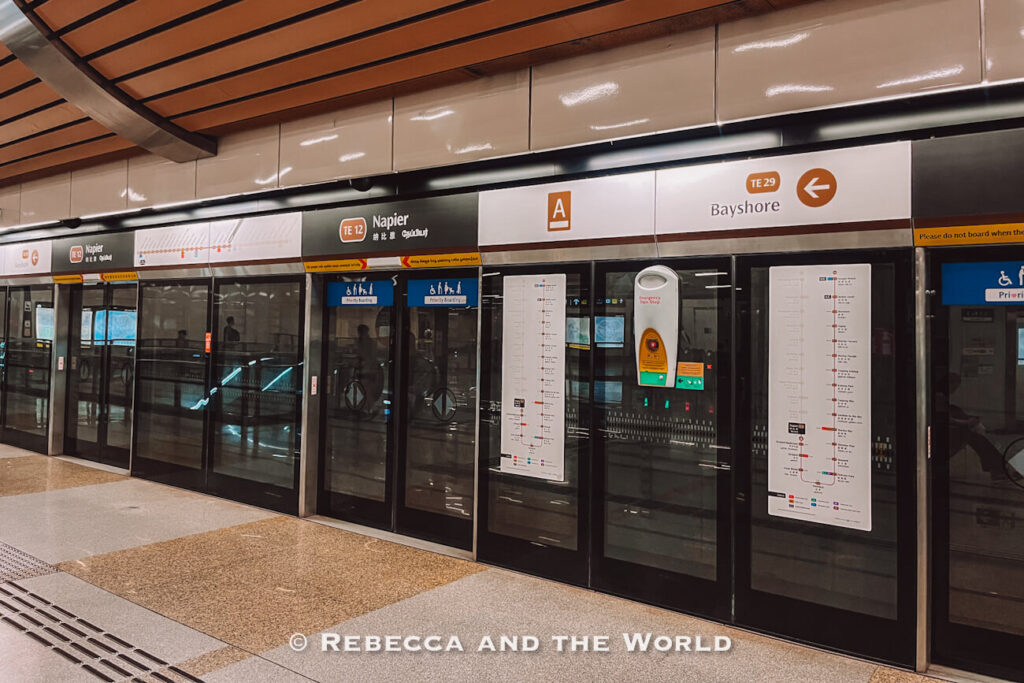
→ READ NEXT: How to take the train from Singapore to Bangkok
Day 1 in Singapore
Morning: Kaya toast and a Singapore food tour
Start light – you’ve got a big morning of eating ahead of you. Head to a heritage kopitiam (traditional coffee shop) to try kaya toast, the classic Singapore breakfast of toasted bread and kaya (coconut jam) and soft-boiled eggs. Traditionally, you dip the kaya toast into the eggs, but that’s not for everyone, so feel free to eat them separately!
Tong Ah Eating House, right in Chinatown, is a good pick, or Ya Kun Kaya Toast if you want something a little more well-known. (Line up early for Ya Kun – it gets busy, especially on weekends.)
Just don’t eat too much because there’s a lot of food coming!
Join A Chef’s Tour’s “Singapore Stories” food tour through Chinatown, Little India and Kampong Glam, which runs from 10am to 2pm. This is one of the best things to do in Singapore if you love to try different foods. I’ve done a few of these tours around the world (in Kuala Lumpur, Santiago and Bogotá to name a few) and they’re always one of the best ways to get under the skin of a city’s food scene and hear the stories behind what you’re eating. I always try to fit one of these tours in on my first day in a city, so I know exactly what to order for the rest of the trip.
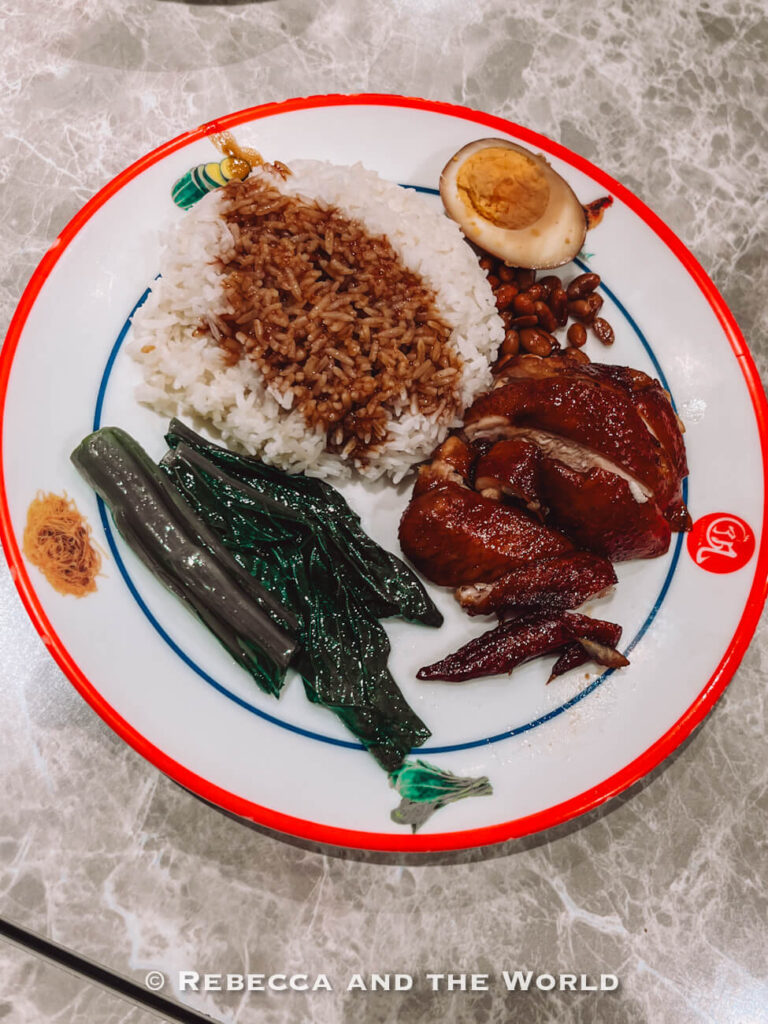
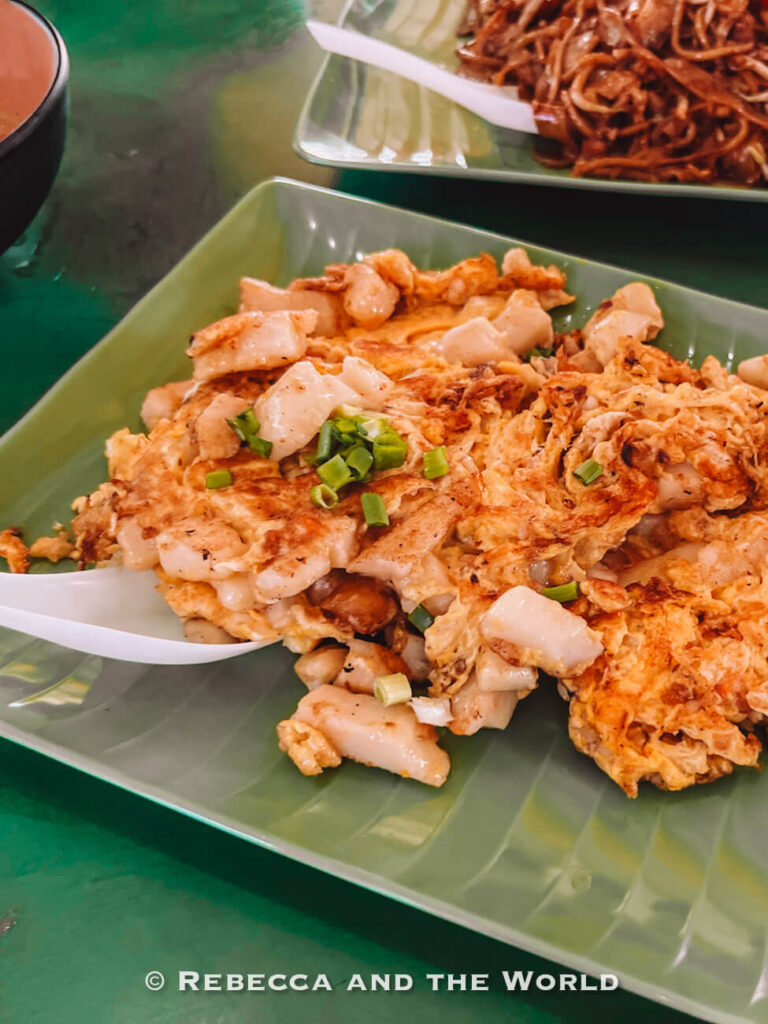
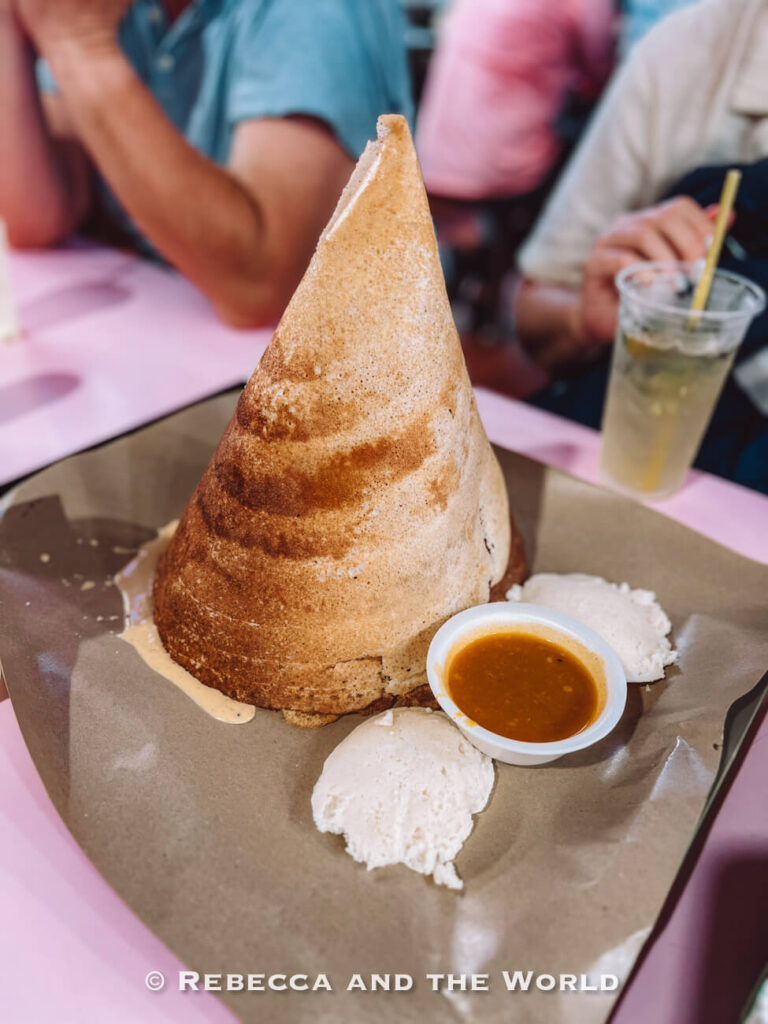
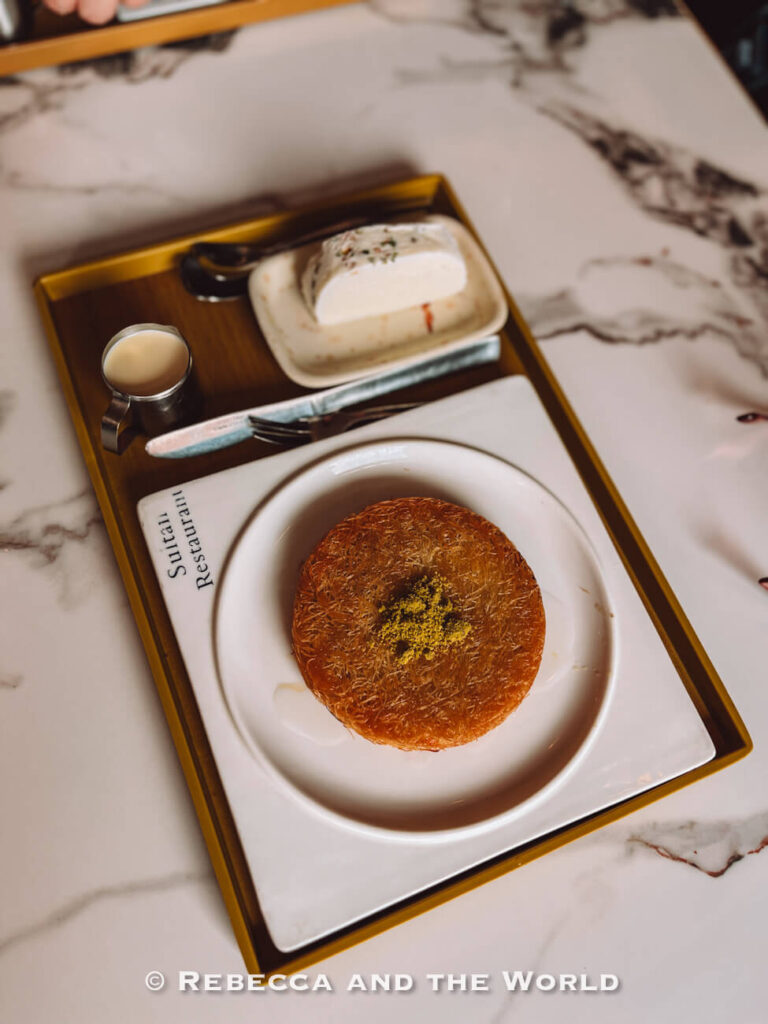
Our guide was Dayne and he was brilliant at guiding us through 16 different dishes across the four hours, explaining where each comes from, why and how it’s eaten, and other interesting cultural and historical information. Prepare to be full by the end!
🍜 BOOK A CHEF’S TOUR SINGAPORE STORIES ONLINE HERE 🍜
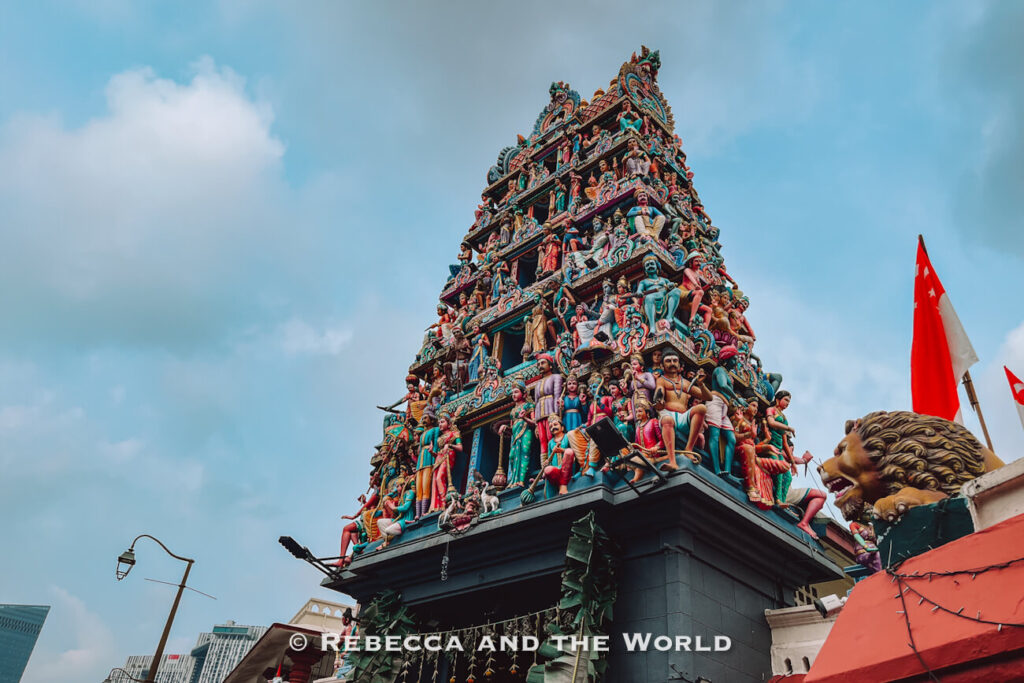
The tour also winds past some of Chinatown’s landmark temples – Buddha Tooth Relic Temple and Sri Mariamman Temple. If you want to actually go inside any of these buildings, plan to do that before the tour starts (and bring a scarf for your shoulders and something that covers your knees).
→ READ NEXT: What to eat in Singapore – A Chef’s Tour review
Afternoon: Kampong Glam and a rest
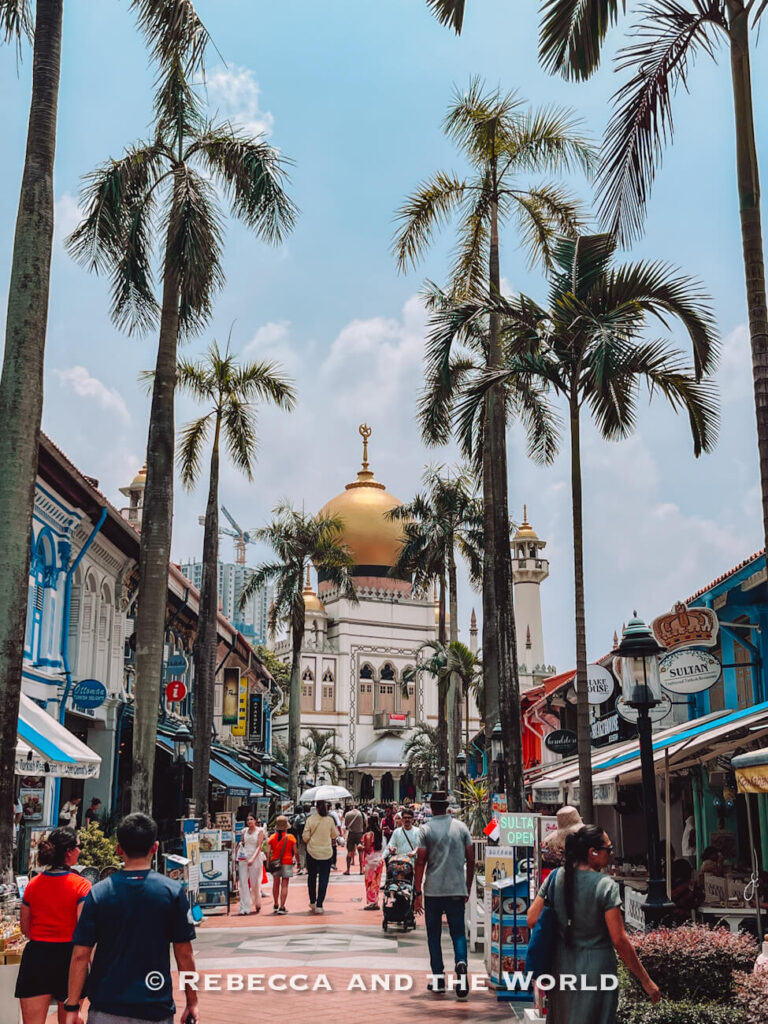
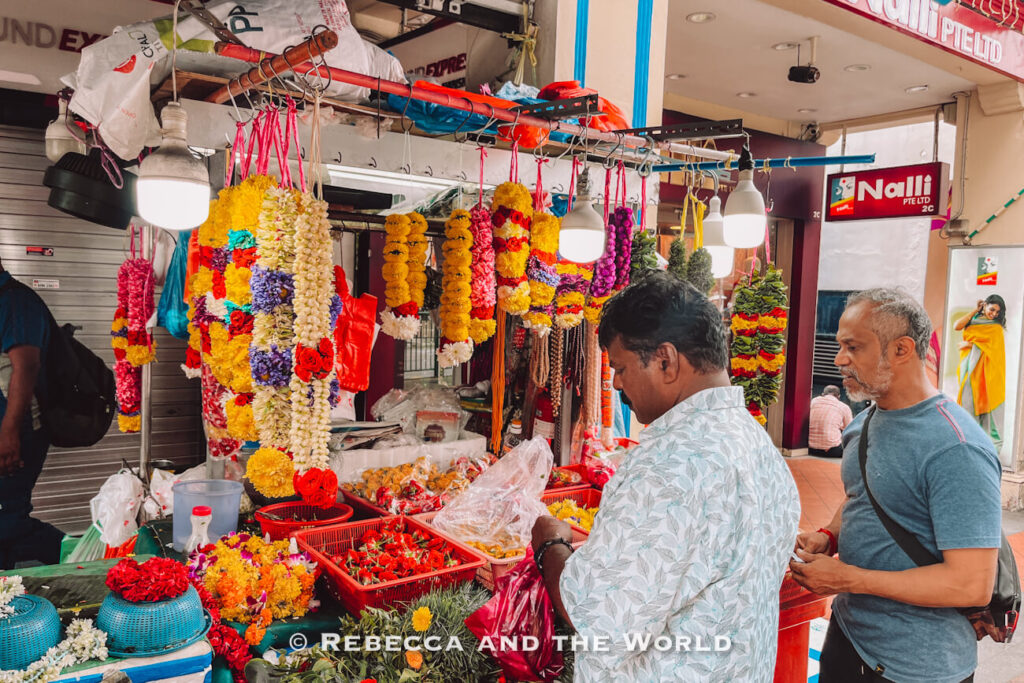
The food tour ends in Kampong Glam, Singapore’s Muslim quarter, so once the tour wraps up, spend some time wandering the neighbourhood. It’s easy to write this neighbourhood off as just Haji Lane’s Instagram-famous shophouses, but there’s more to it than that – it’s Singapore’s historic Malay and Arab quarter, home to the Sultan Mosque and a mix of textile shops, independent boutiques and low-key cafes that most visitors walk straight past.
By this point of your 2 days in Singapore itinerary you’ll have been on your feet all day, so head back to your hotel for a rest before the evening.
Evening: Merlion, rooftop drinks and dinner on Ann Siang Road
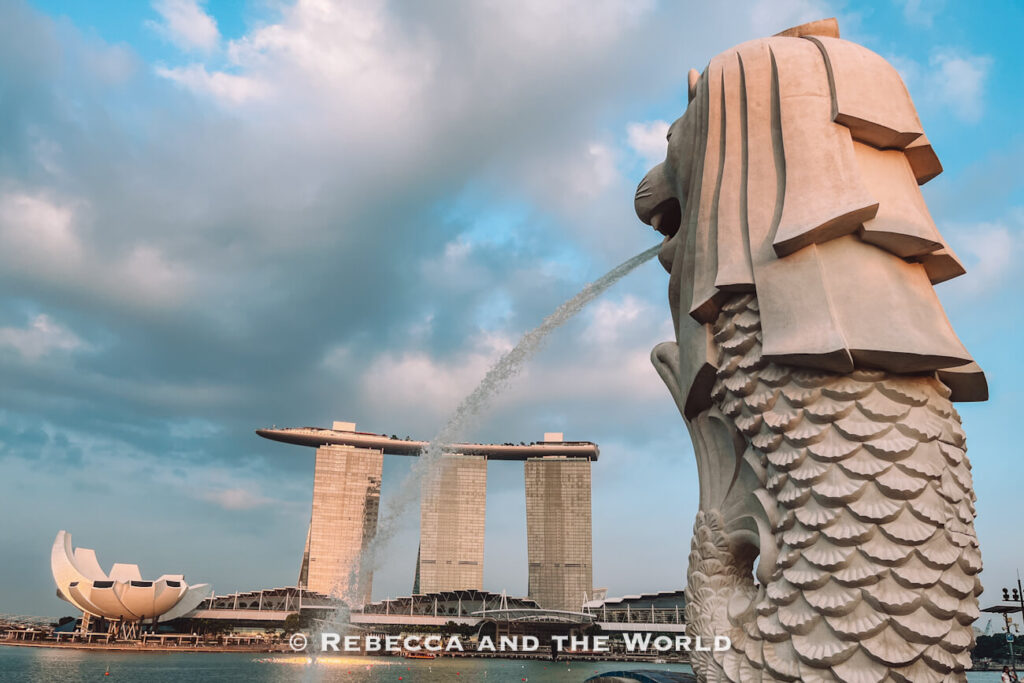
As the sun starts to drop, make your way to the Merlion for the classic skyline photo over Marina Bay – twilight is the best time for it, when the buildings start to light up but there’s still colour in the sky.
From there, find a rooftop bar for a drink with a view before dinner. Lantern is the Fullerton Bay Hotel’s rooftop bar, with great cocktails and amazing views, while Kinki Restaurant + Bar is another great, slightly more casual option (book a table by the window).
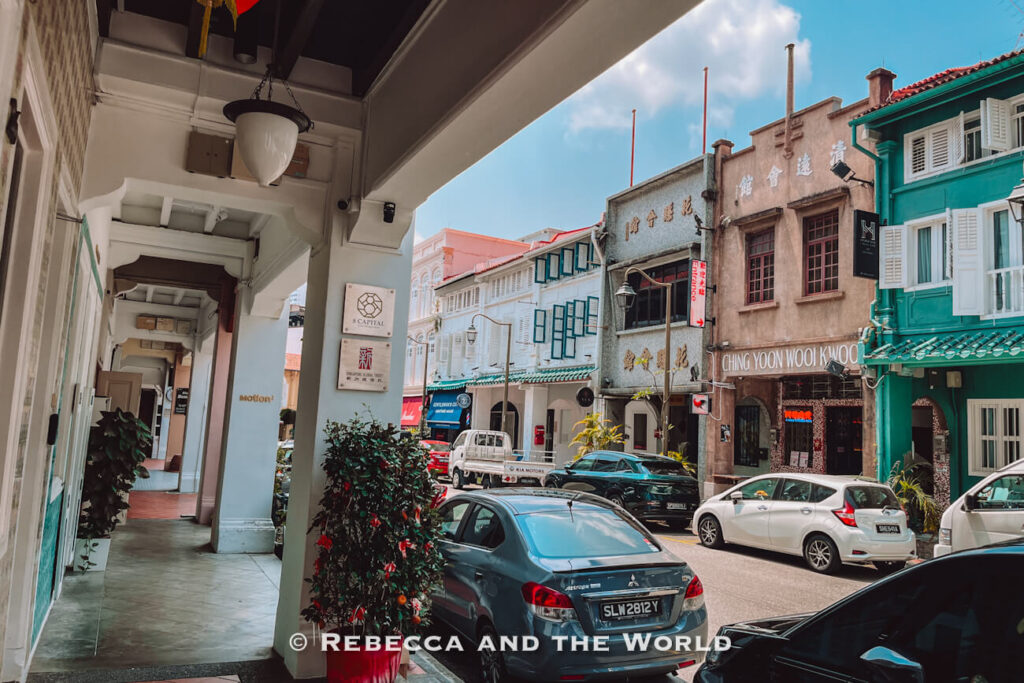
For dinner, head to Ann Siang Road. It’s a lovely spot during the day too, but it really comes alive at night, and the food here leans more international than what you’ll find in the hawker centres. A few of my go-tos: Les Bouchons for French bistro classics, Jungle for their yellow crab curry or Blue Label Pizza & Wine if you’re after something more casual.
Day 2 in Singapore
Morning: Singapore Botanic Gardens
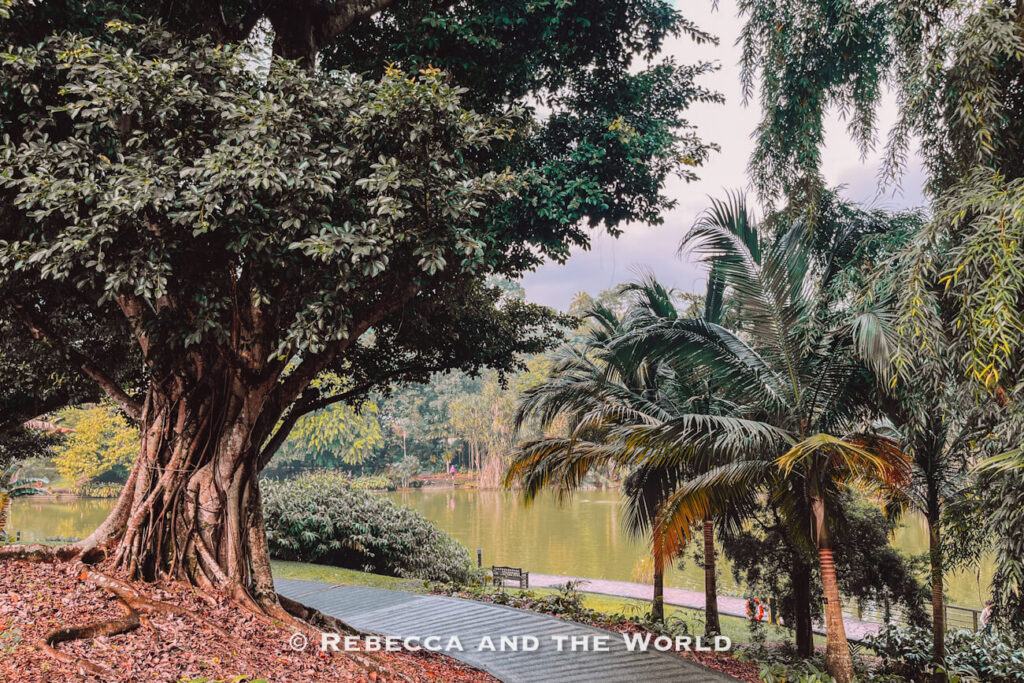
Start your second day at the Singapore Botanic Gardens, Singapore’s UNESCO World Heritage-listed green space. It’s free to enter (you’ll only pay if you want to visit the National Orchid Garden), and it’s huge. You’ll see locals painting, sketching, jogging and having picnics – it’s a lovely way to ease into the day and it’s hard to believe you’re in one of the world’s bustling metropolises when you’re in this green space.
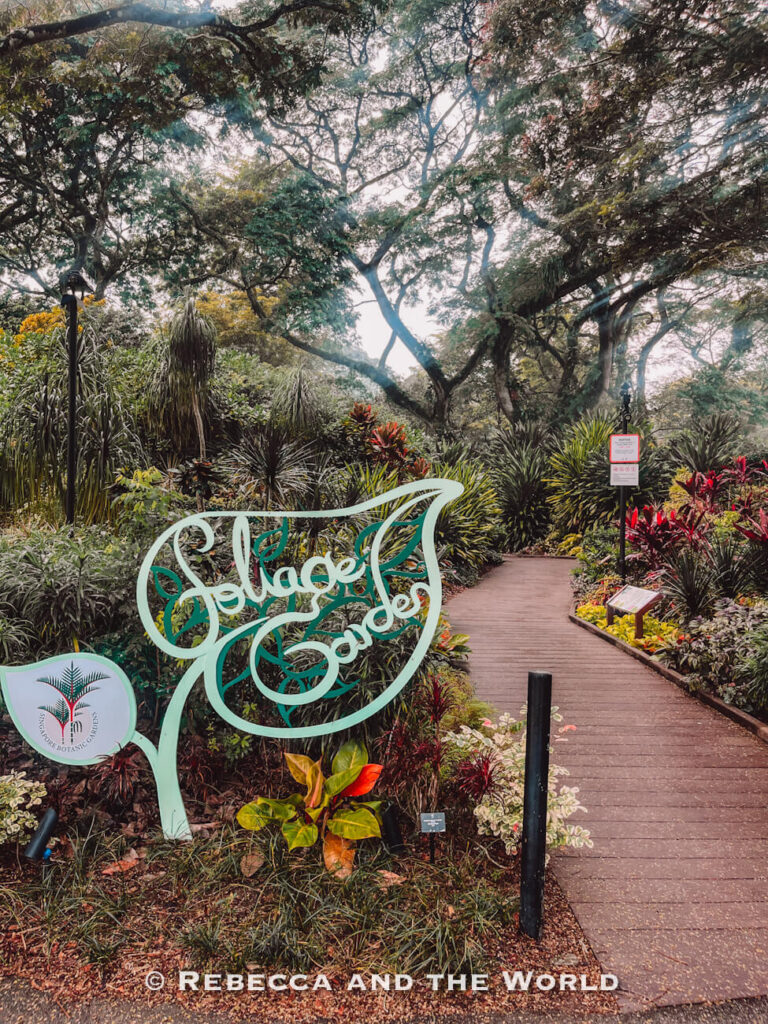
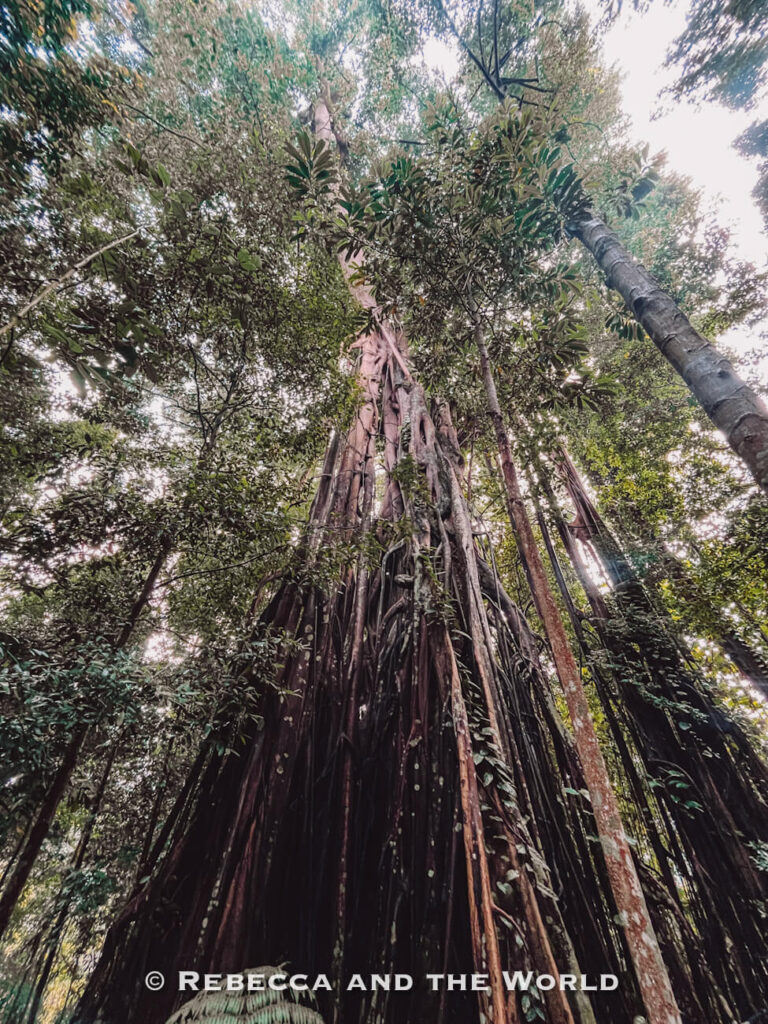
My favourite corners are the Foliage Garden for all the lush tropical foliage, and the Rain Forest trail, which is a short walk through (you guessed it) the rainforest – keep an eye out for the incredible strangling fig!
Late morning/midday: Tiong Bahru
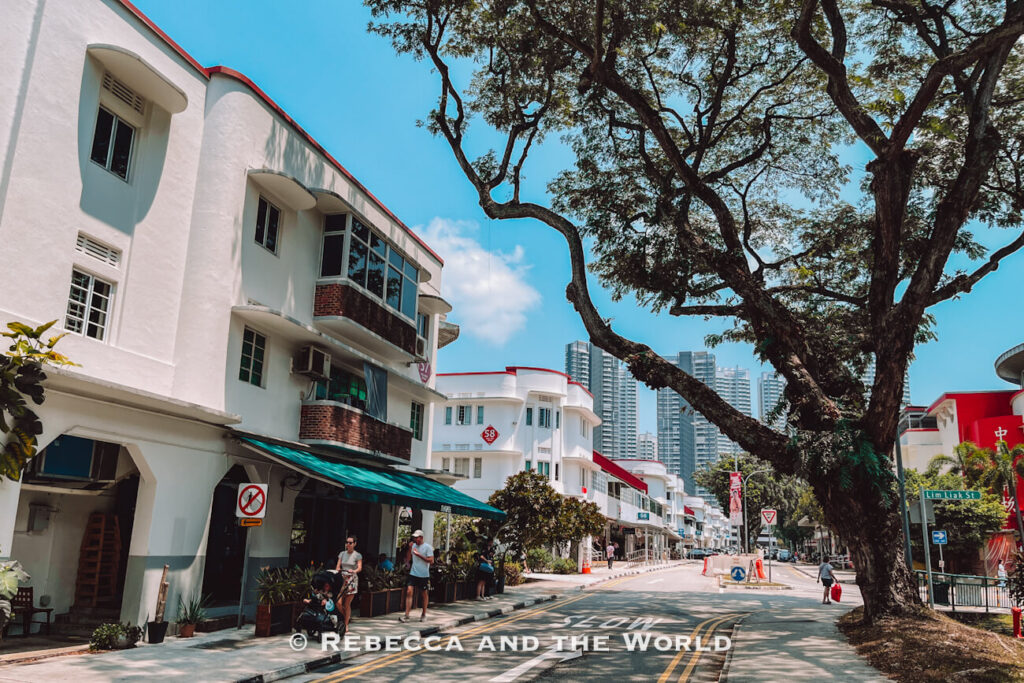
From there, jump on the metro and head to Tiong Bahru, Singapore’s oldest public housing estate known for its art deco buildings. It was built in the 1930s and 20 of its blocks are now protected as conservation buildings. Walking the streets here, you’ll notice the rounded corners, curved balconies, spiral staircases and porthole windows that give the estate such a distinctive look – it wouldn’t look out of place in a stylised period film.
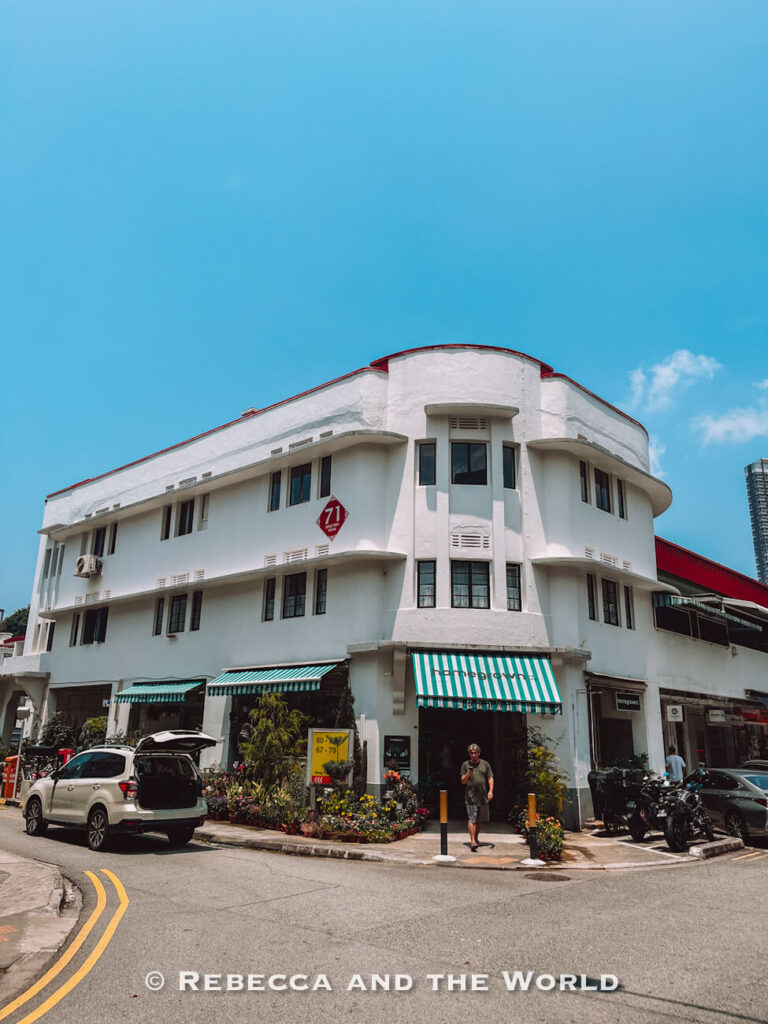
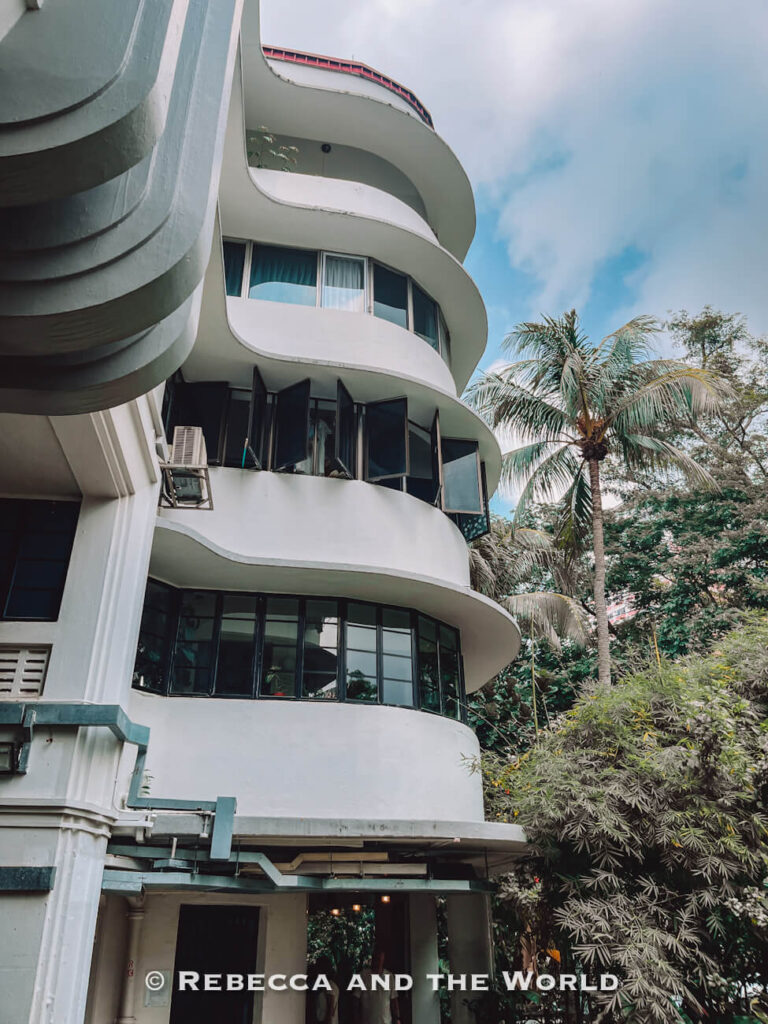
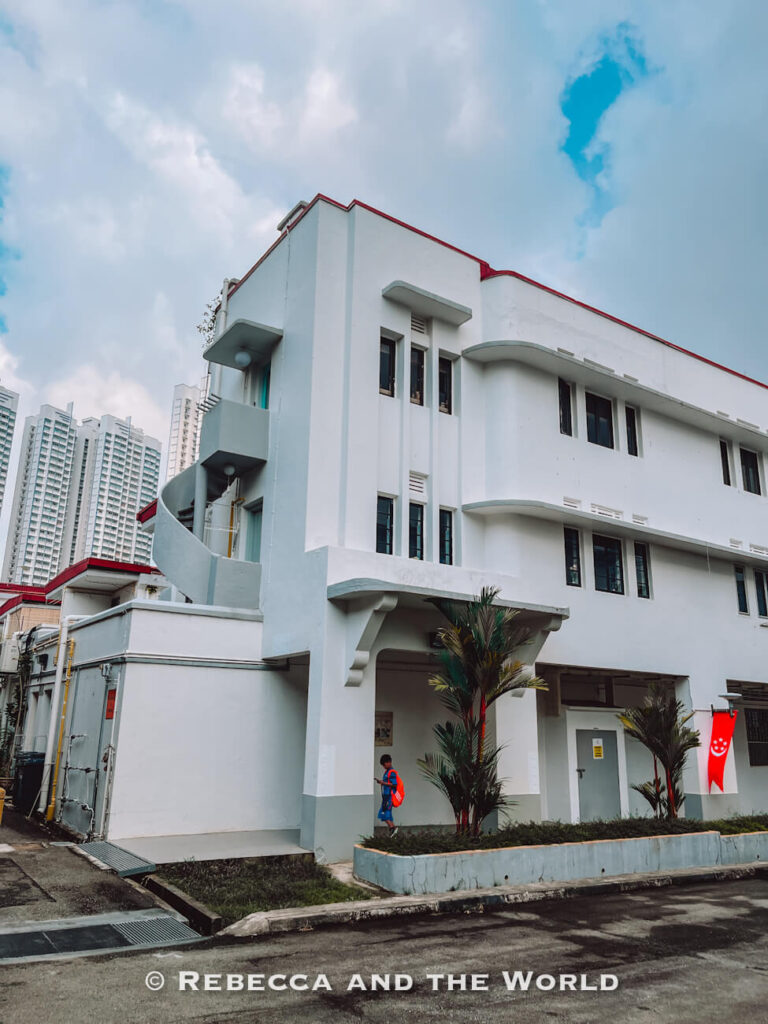
Beyond the architecture, this is one of the more low-key, local pockets left in central Singapore, with a mix of independent stores and cosy cafes tucked in among the old blocks. I loved Cat Socrates, a little store full of cute homewares, mugs and souvenirs. I bought a notebook covered in drawings of Singapore’s famous dishes. The muffins and cakes at Plain Vanilla are also very more-ish and a perfect morning pick-me-up.
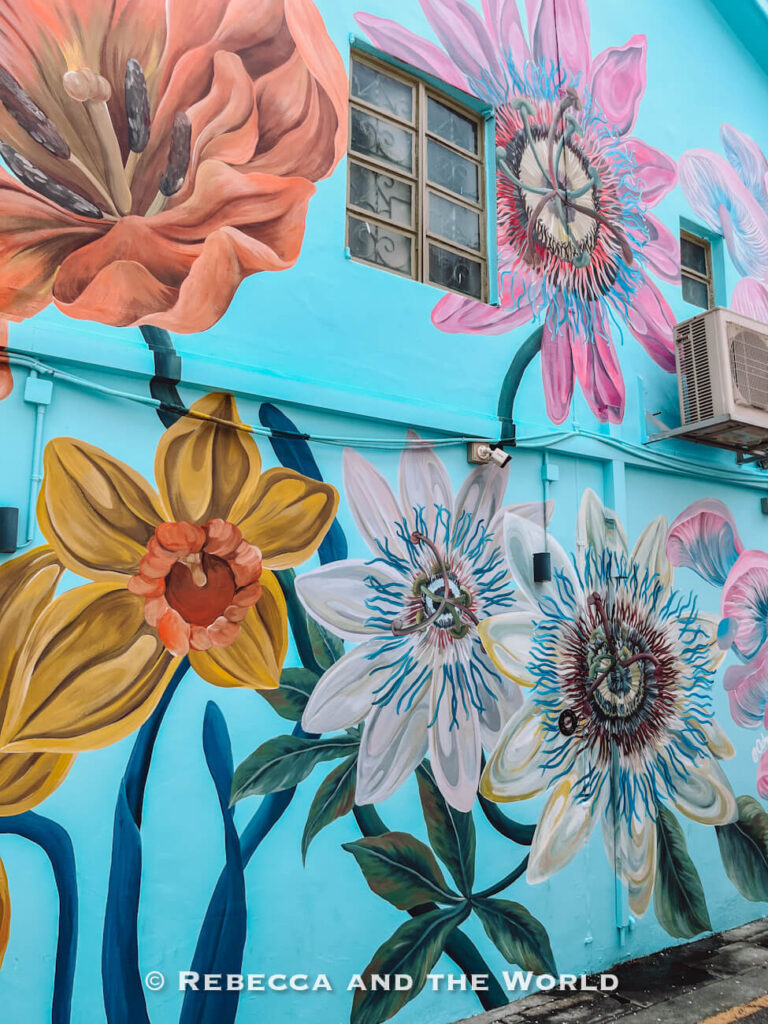
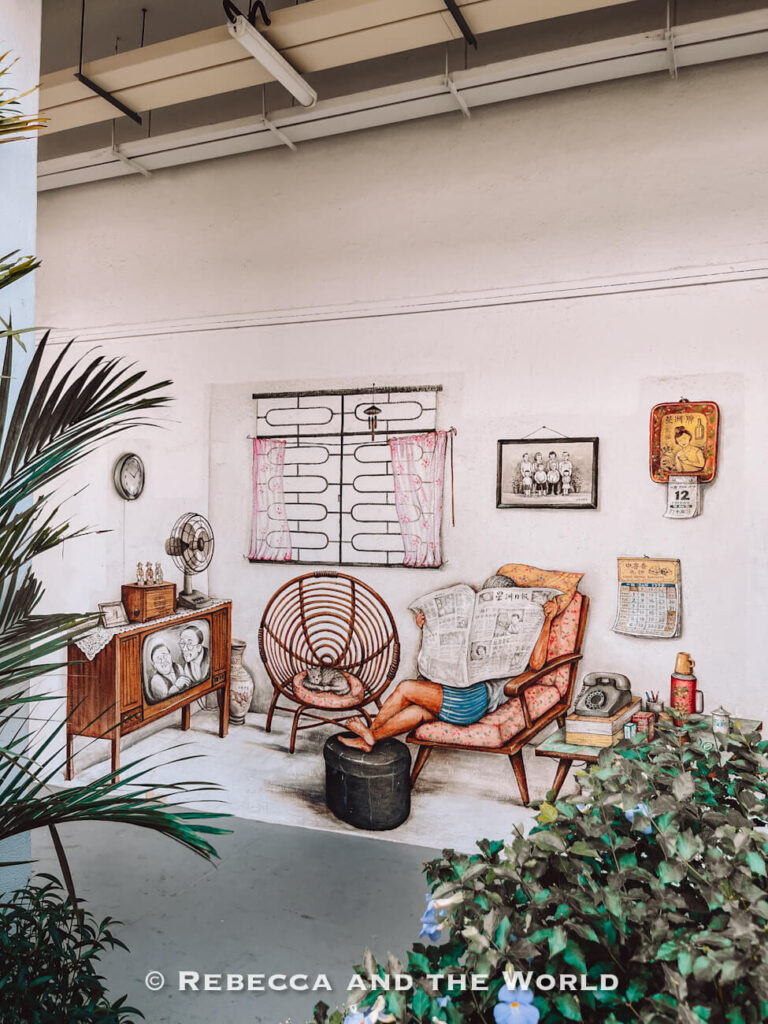
Keep an eye out for the neighbourhood’s murals too – several were painted by local artist Yip Yew Chong and depict scenes of everyday life in old Tiong Bahru.
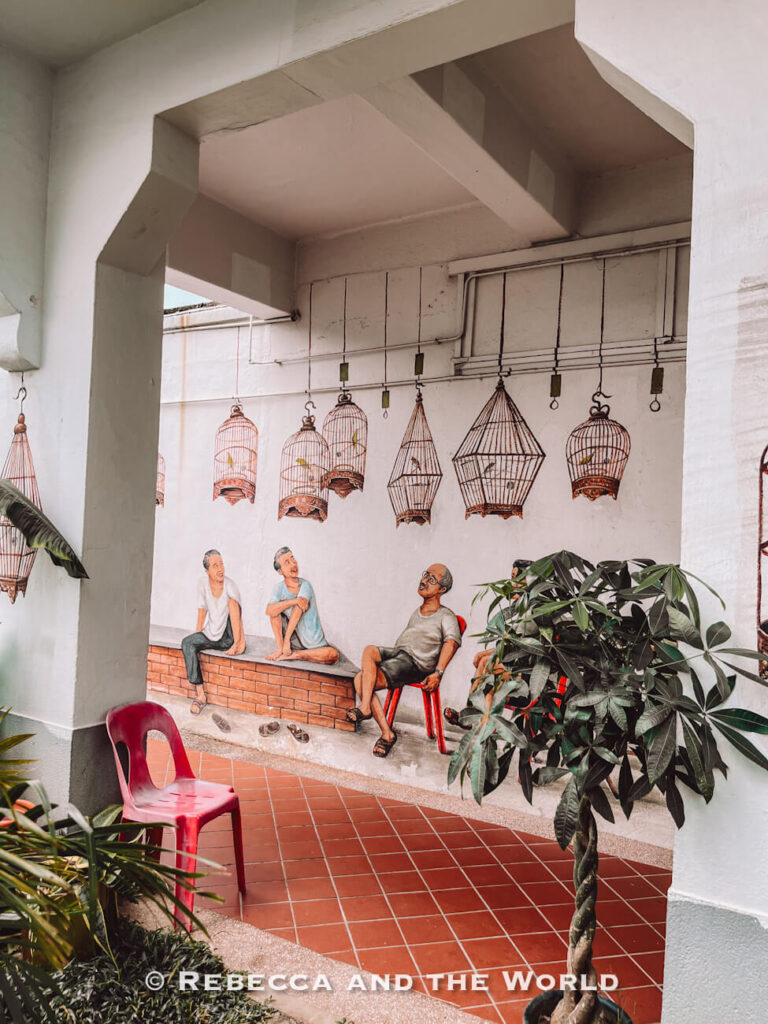
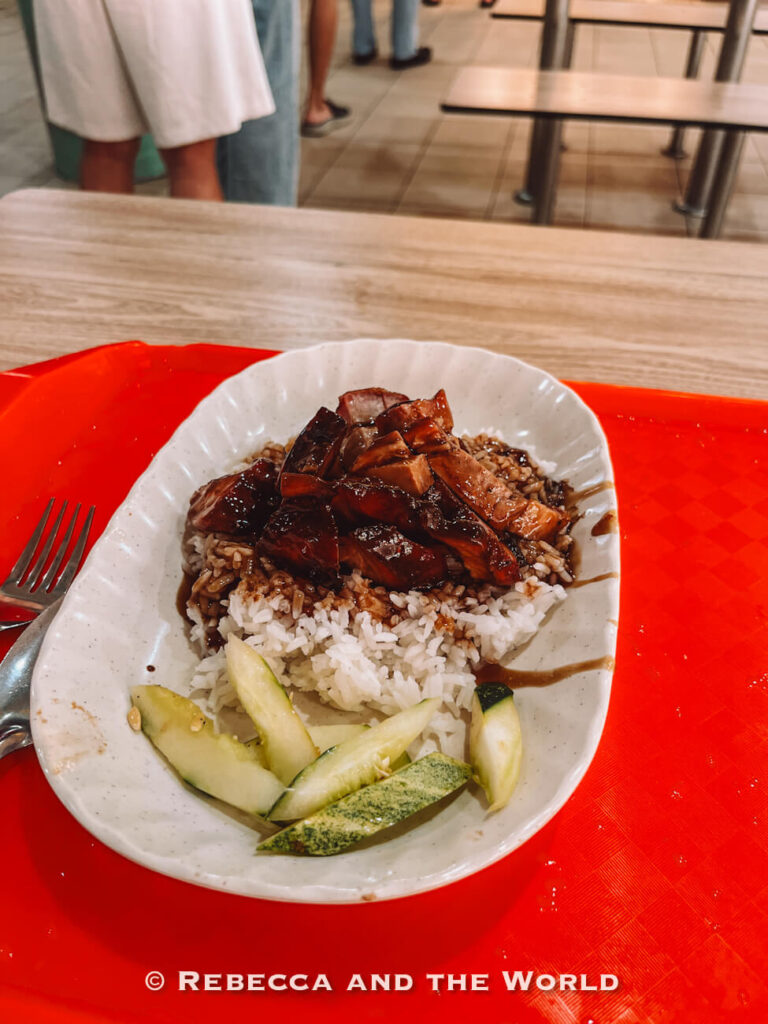
Grab lunch at Tiong Bahru Market while you’re there – and now that you’ve done the food tour, you’ll actually know what you’re looking for and what you liked best. I could have eaten bowls and bowls of char siew with roasted pork rice from Tiong Bahru Lee Hong Kee Cantonese Roasted.
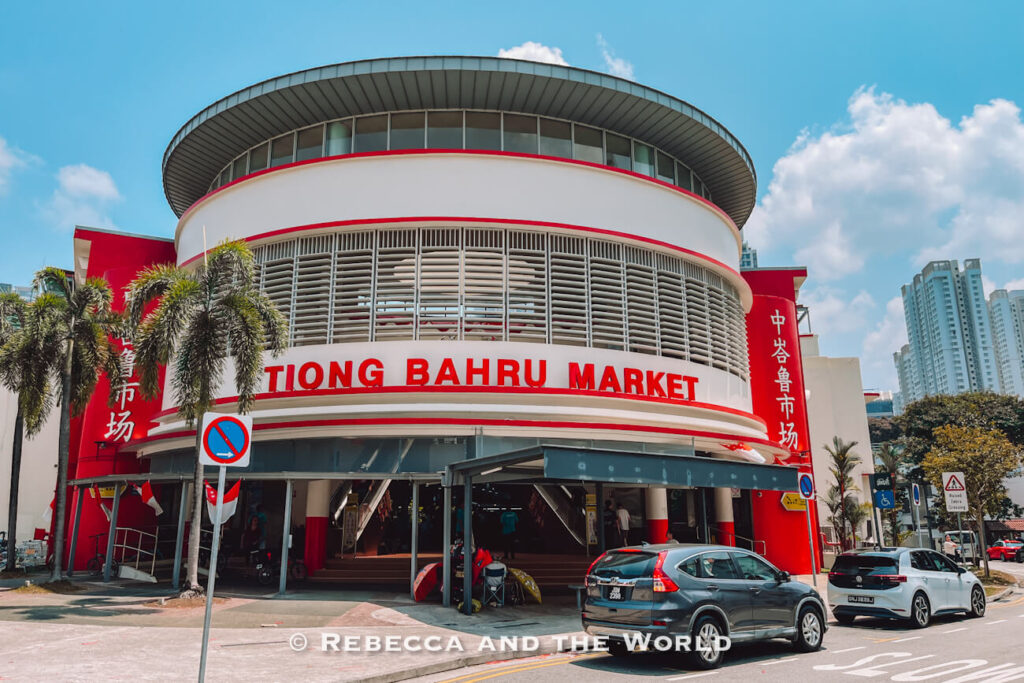
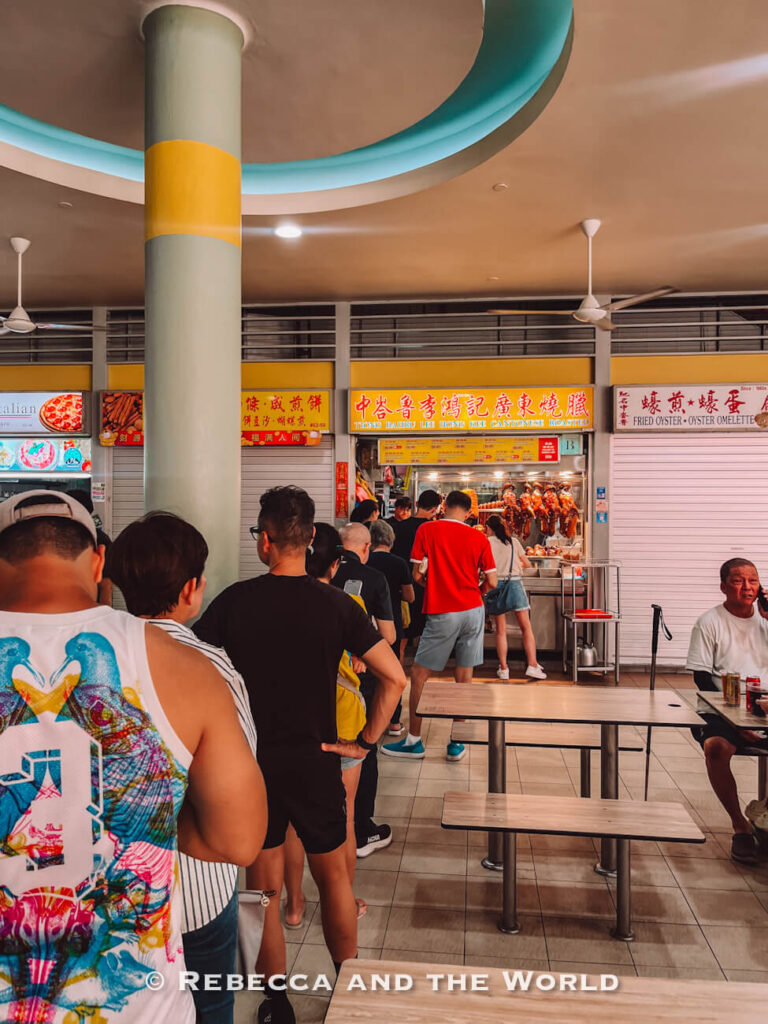
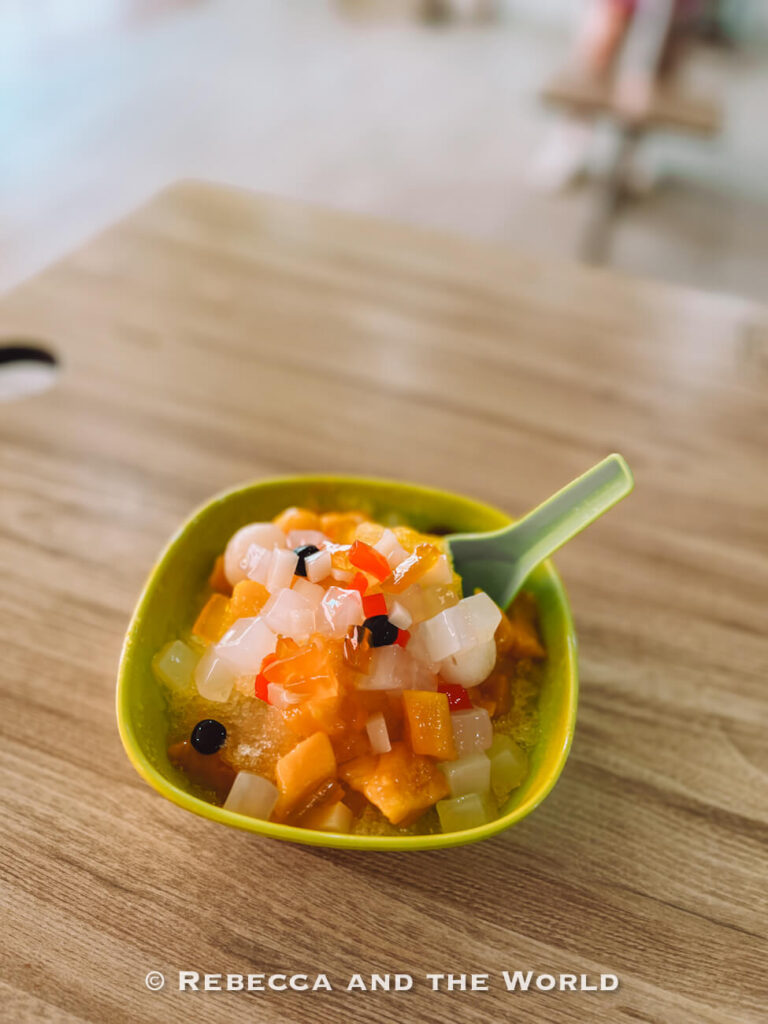
Other popular spots are Tiong Bahru Hainanese Boneless Chicken Rice and Hong Heng Fried Sotong Prawn Me – just look out for the queues and you’ll instantly see which stalls the locals love. You’ll need cash or have money topped up on Grab Pay.
Afternoon: A massage
I never leave Singapore without a foot or shoulder massage, and this is the perfect point in the day to fit one in. I had a great one-hour foot and neck/shoulder massage at Live Spa on Seng Poh Road on my most recent visit, but you’ll find massage places all over the city at reasonable prices.
Late afternoon and evening: Gardens by the Bay and dinner at Lau Pa Sat
Gardens by the Bay is one of the most popular things to do in Singapore and an incredible place to explore. On reclaimed land, this 101-hectare site celebrates the natural world – with a futuristic bent.
Head there in the late afternoon and plan to spend a few hours exploring the Cloud Forest (a huge dome with a 35-metre waterfall and tropical gardens) and the Flower Dome (the world’s largest indoor greenhouse). These are both paid attractions but well worth it.
🌸 BUY TICKETS FOR THE CLOUD FOREST AND FLOWER DOME 🌸
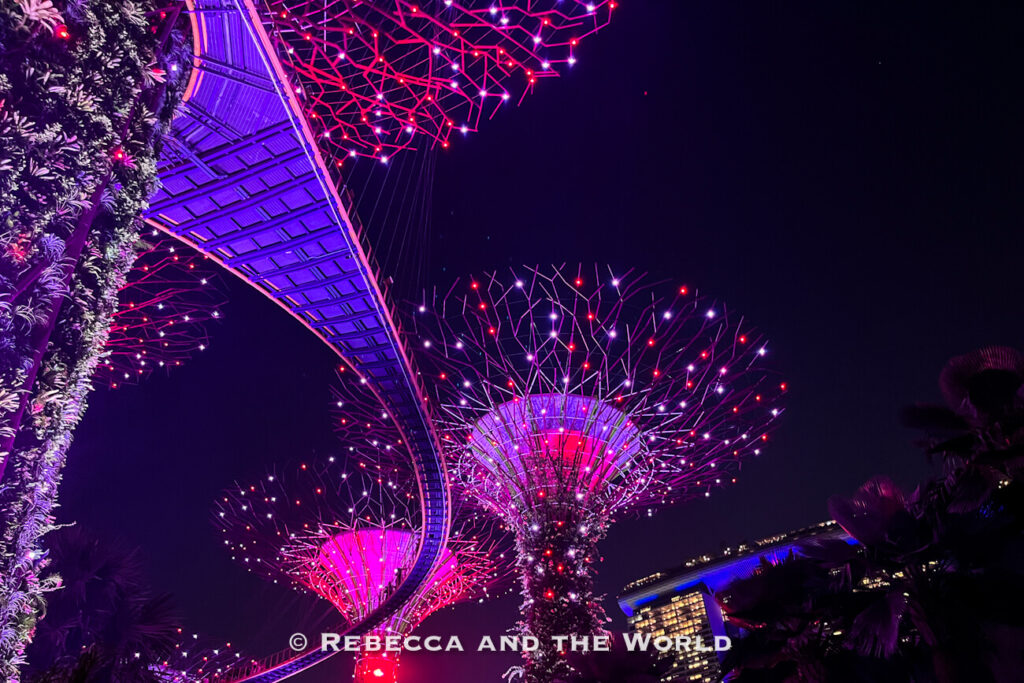
Stick around for the Garden Rhapsody light and sound show in Supertree Grove at 7.45pm (a second show is at 8.45pm). The Supertrees are 25- to 50-metre high vertical gardens that generate solar power and collect rainwater – and twice a night they light up in time to a themed musical score. It’s free to watch the show, or you can pay to go up to the Supertree Observatory or walk along the OCBC Skyway for a different view (I did the latter, somehow forgetting I’m afraid of heights – I held on very tightly to the railings!!).
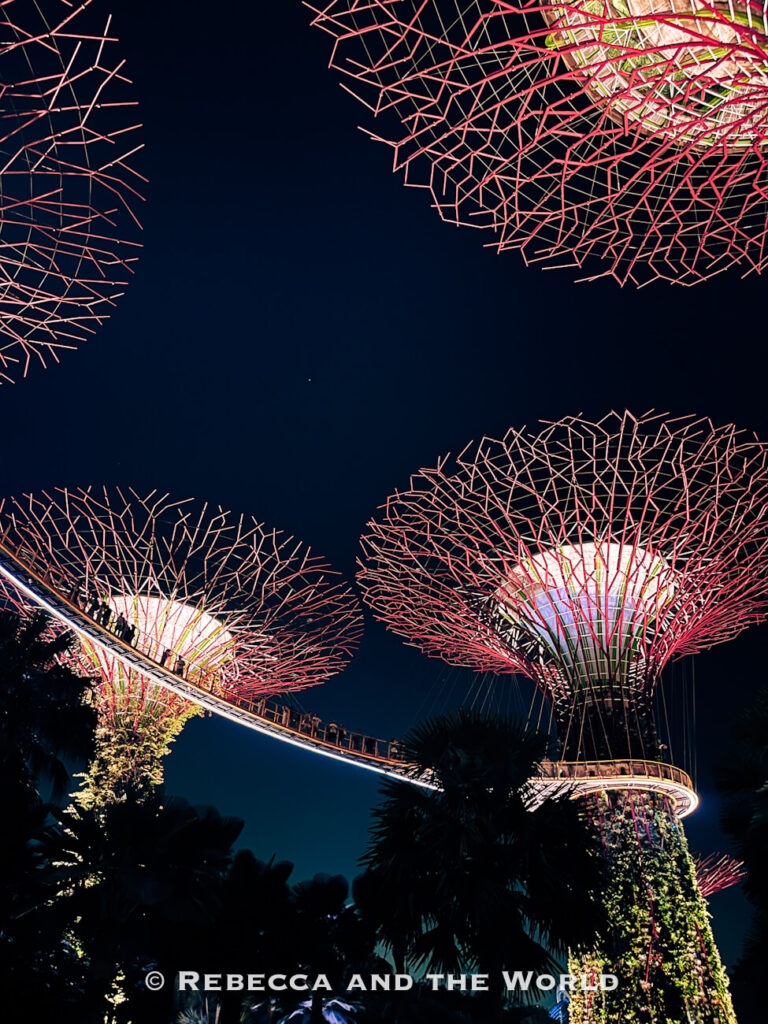
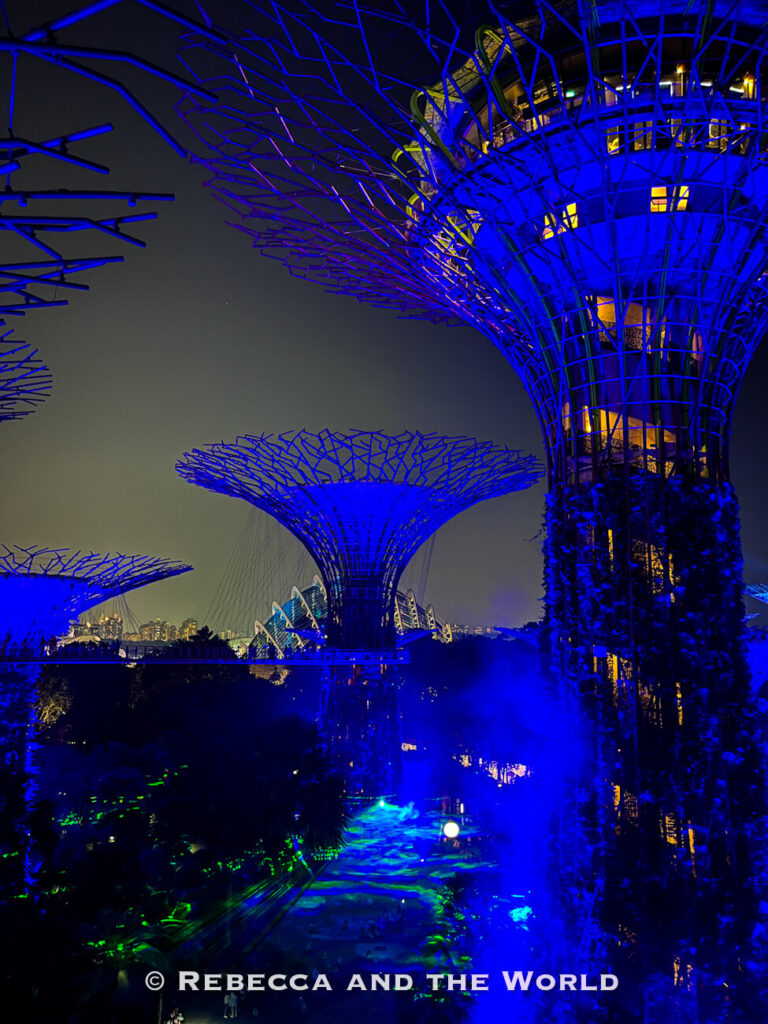
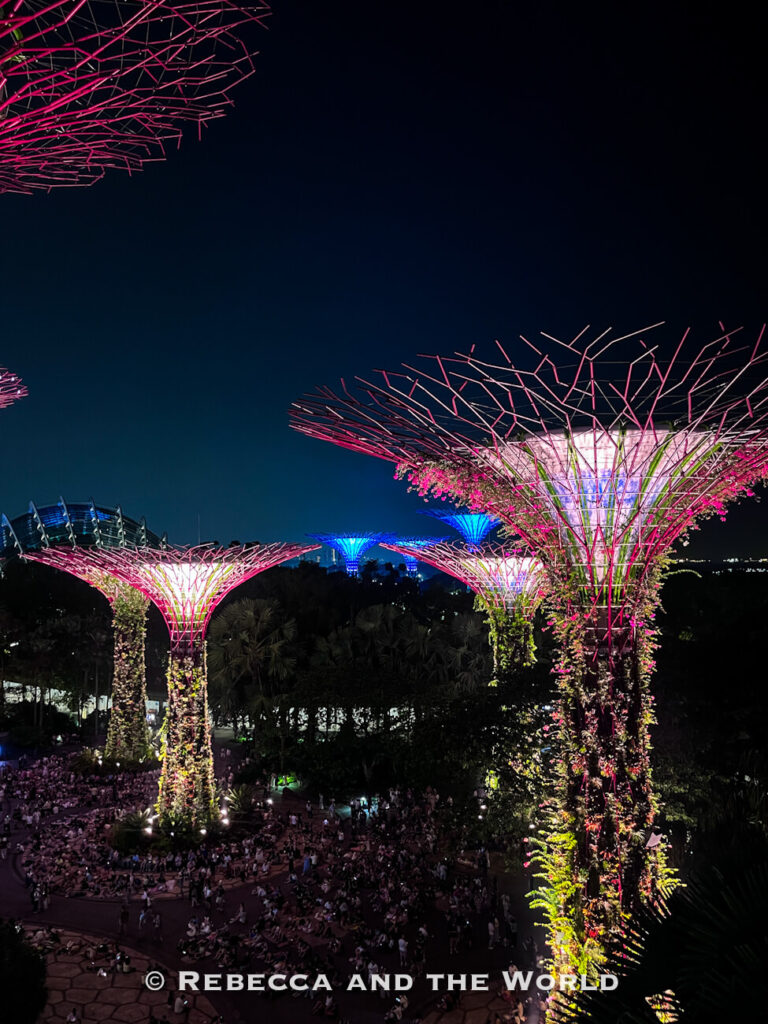
It’s worth bringing a sarong or small towel to sit on for the show, because the available seating (really just the concrete barriers around the base of the Supertrees) does get packed. You’ll likely end up on the ground on busy nights.
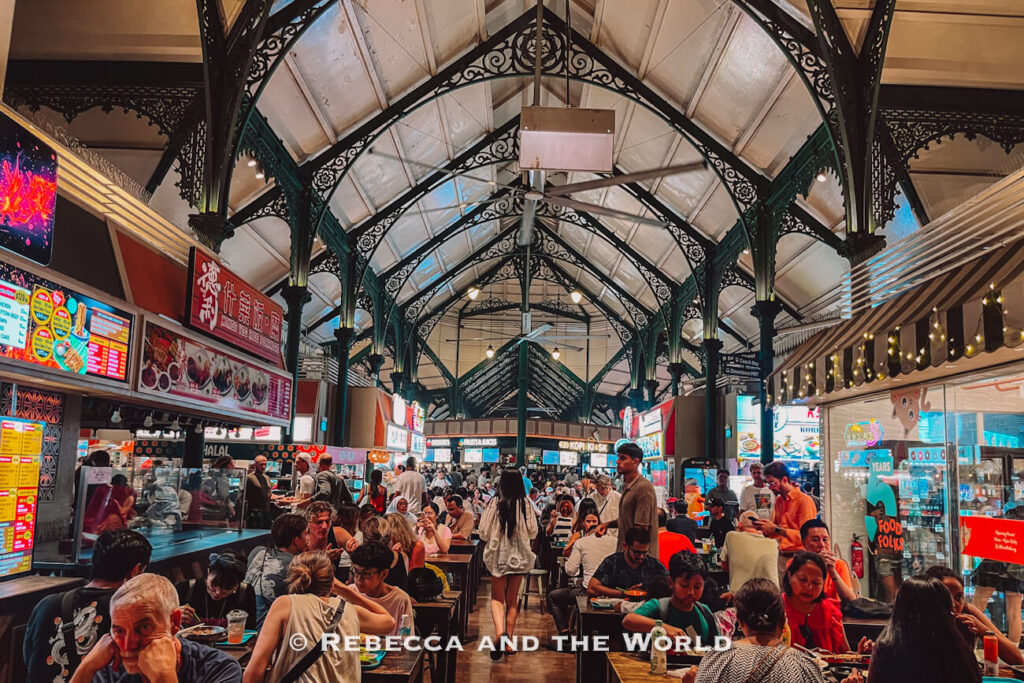
To finish the day – and your time in Singapore – make your way to Lau Pa Sat for dinner. This popular hawker centre is home to six Michelin-mentioned stalls and has a more international spread than most hawker centres in the city – Thai, Korean and Japanese food alongside the local classics. Grab a beer, catch some live music (there’s usually something on most nights) and get as many dishes as you can fit in. It’s touristy, sure, but that’s part of the vibe, and the prices stay reasonable even so.
Where to eat in Singapore
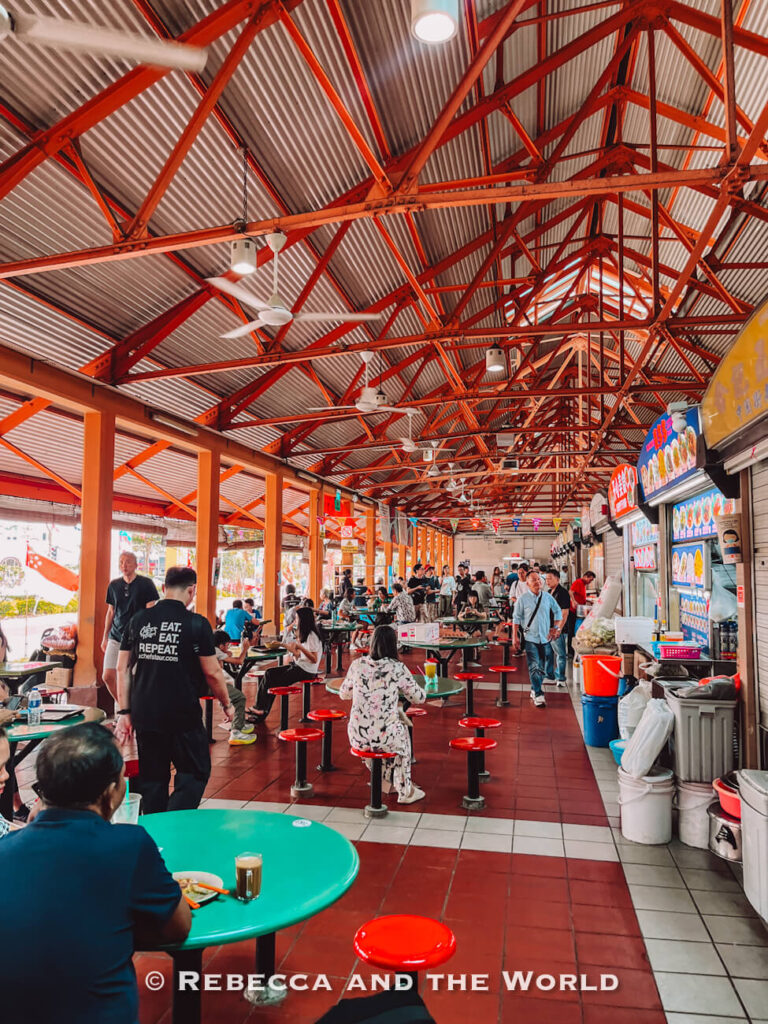
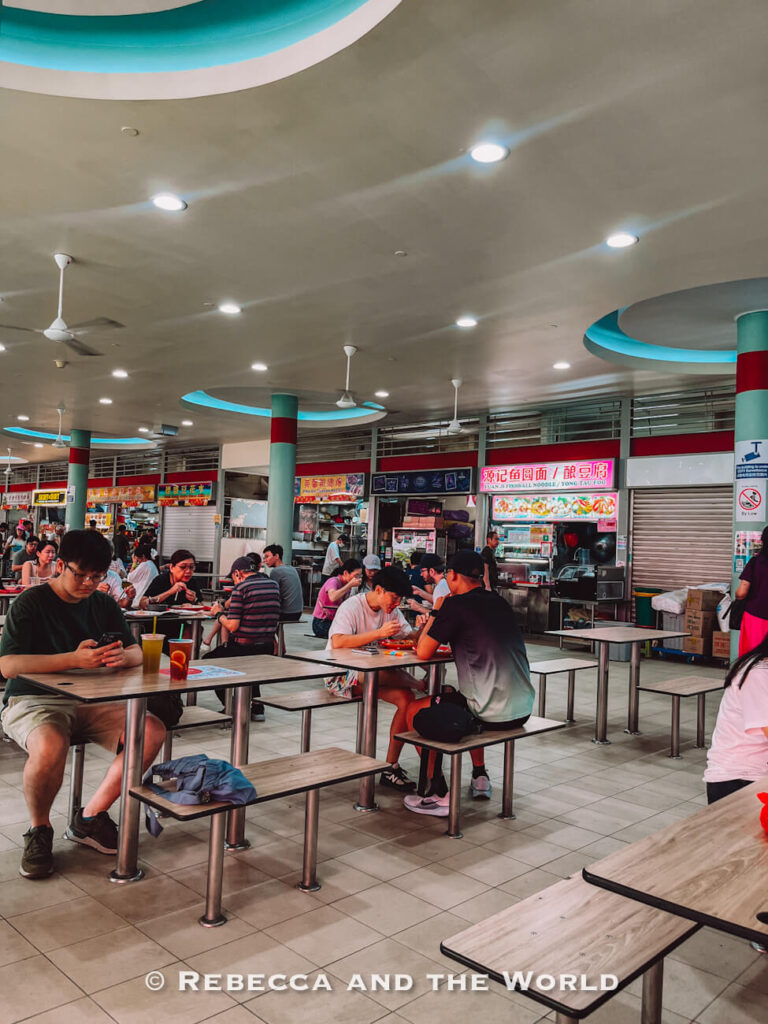
Food is one of the biggest reasons to visit Singapore, and it deserves its own section beyond what’s already on this itinerary. The food scene here draws on Chinese, Malay and Indian cuisines, and you can eat brilliantly at either end of the spectrum – Michelin-starred hawker stalls charging a few dollars a plate, or white-tablecloth restaurants doing tasting menus. In between, there’s food from pretty much everywhere else in the world too.
Hawker centres
This is Singapore’s biggest culinary draw, and you should try to visit at least one on your visit.
- Maxwell Food Centre – one of the most popular with visitors, and rightly so. Tian Tian Hainanese Chicken Rice is the star here, a Michelin Bib Gourmand stall known for its tender poached chicken and fragrant rice. If the queue looks too long, Ah Tai just a few stalls down is an alternative – its owner used to cook at Tian Tian before opening his own stall.
- Chinatown Complex Food Centre – Singapore’s largest hawker centre, with hundreds of stalls to choose from. Liao Fan Hawker Chan is one of the stalls that put hawker food on the Michelin map, and its soya sauce chicken is still one of the cheapest Michelin-recognised meals you’ll find anywhere.
- Tiong Bahru Market – one of my personal favourite hawker centres. Tiong Bahru Hainanese Boneless Chicken Rice is a Michelin Bib Gourmand regular and one of the most popular chicken rice stalls in Singapore.
- Lau Pa Sat – Singapore’s oldest hawker centre, and also home to Satay Street, which closes off Boon Tat Street each evening for a strip of charcoal-grilled chicken, beef, mutton and prawn satay.
- People’s Park Food Centre – a much more local spot, with fewer tourists. Yong Xiang Xing Dou Fu draws the longest queue in the centre for its yong tau foo (stuffed tofu or vegetables).
Best restaurants in Singapore
If you want to dress up one night and treat yourself, here a few options worth considering:
- I love a good buffet, and one of the best is at the Grand Hyatt. Here, you can eat everything from Asian to pasta to grilled steak, with chef’s stations cooking up fresh dishes (I have indulged here far too often!)
- Les Bouchons – French bistro classics for when you feel like the perfect steak frites
- Live Twice – order the wagyu katsu sando, a panko-crusted slab of wagyu beef between pillowy shokupan bread that’s earned a reputation as one of the best sandwiches in the world
- Keng Eng Kee – I’ve not been here yet but my Singaporean friend raves about this place, especially the beef moonlight hor fun, prawn rolls, coffee pork ribs, prawn paste chicken, salted egg calamari.
- Labyrinth – if you want the full Michelin-starred experience, this one-star restaurant reworks classic Singaporean flavours into a tasting menu format
Where to stay in Singapore
For a short trip like this, you want to stay somewhere central that puts you close to the MRT and within easy reach of both days’ activities. My top picks would be Marina Bay, Chinatown or Clarke Quay. Be prepared – Singapore isn’t a cheap city for accommodation (but you can offset it by eating cheaply at hawker centres!).
Marina Bay puts you right in the middle of the skyline, close to the Merlion and Gardens by the Bay, and it’s home to some of the city’s most iconic (and expensive) hotels.
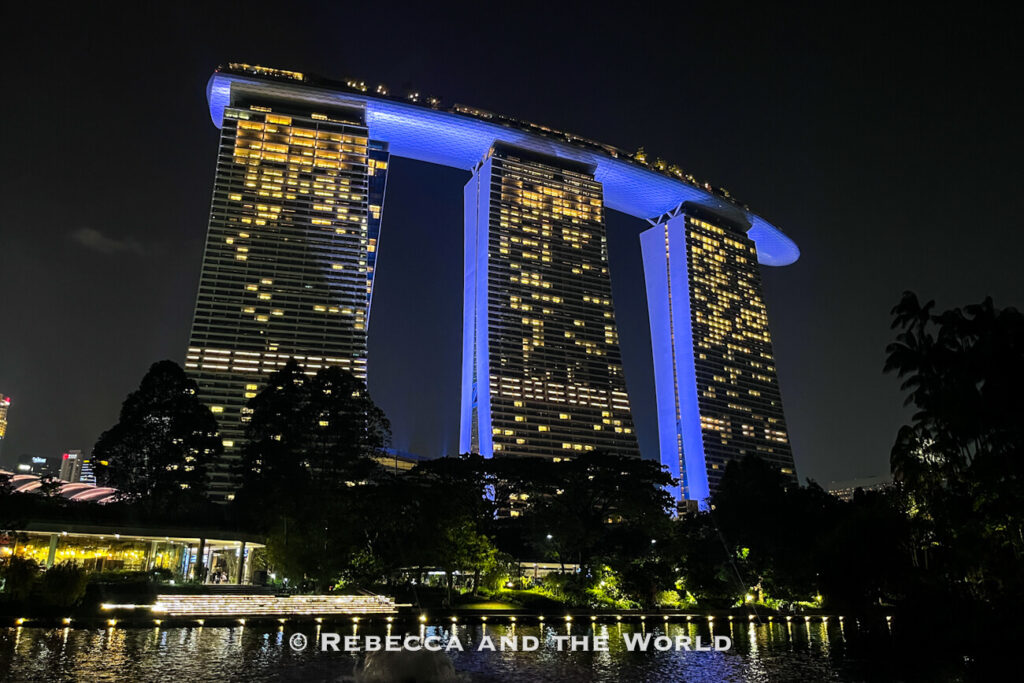
- Marina Bay Sands – the three-tower icon of the Singapore skyline, and while you’ll pay for the privilege, staying here at least once gets you access to that famous rooftop infinity pool. | Check prices and availability on Booking.com and Expedia
- The Fullerton Bay Hotel Singapore – a sleek, glass-fronted waterfront hotel with floor-to-ceiling windows in every room, so you get those bay views without the scale (or the crowds) of its bigger neighbour. | Check prices and availability on Booking.com and Expedia
Chinatown puts you right in the middle of the action and is a central location for most of the sites I’ve recommended in this Singapore itinerary.
- AMOY Boutique Hotel – a small heritage hotel built around a converted temple, with rooms named after the Chinese clans who settled in the area. | Check prices and availability on Booking.com and Expedia
- Duxton Reserve Singapore – a row of restored 19th-century shophouses turned into a design-led boutique hotel, perfect if you want somewhere with real character rather than a standard city hotel room. | Check prices and availability on Booking.com and Expedia
Clarke Quay puts you riverside, close to nightlife and dining while also being central without the Marina Bay price tag.
- Paradox Singapore – a resort-style hotel right on the river with an outdoor pool. It’s close to Clarke Quay’s many restaurants and bars. | Check prices and availability on Booking.com and Expedia
- Holiday Inn Express Singapore Clarke Quay – I’ve stayed here myself (on my most recent trip to Singapore) and it’s a reliable, well-located budget (for Singapore) pick, just a short walk from the river and the MRT. | Check prices and availability on Booking.com and Expedia
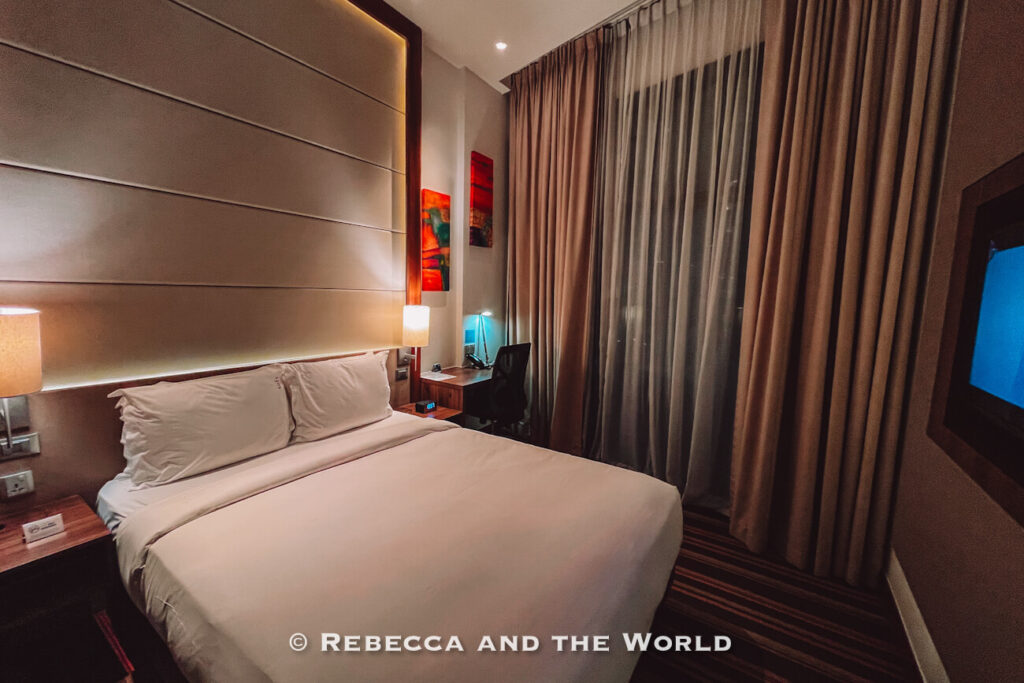
I’ve put together a full guide with hotel recommendations across all five of Singapore’s best neighbourhoods to stay in (this trio plus Orchard Road and Bugis/Kampong Glam) in my separate where to stay in Singapore guide (COMING SOON) if you want a wider range of options.
→ READ NEXT: Where to stay in Singapore (COMING SOON)
Weather and best time to visit Singapore
Singapore sits right on the equator, so it’s hot and humid year-round – expect temperatures in the low 30s°C (high 80s°F) whatever month you visit. There isn’t really a dry season, but it does rain less from February to April, which makes that stretch a slightly more comfortable time to visit. Whenever you go, be prepared for a sudden downpour at some point – they tend to pass quickly, so it’s rarely worth cancelling plans over.
What to pack for Singapore
- Lightweight, breathable clothing
- A hat, sunglasses and sunscreen
- A small handheld or USB-powered fan – I didn’t pack mine and regretted it
- An umbrella, for both protection from the rain and the sun
- A scarf and something to cover your knees, if visiting religious sites like temples or mosques
Local etiquette and quirky rules
Singapore is famous for its strict rules, and Singaporeans themselves joke that the country is a “fine city”. Here are a few things worth knowing before you arrive:
- Chewing gum is banned for sale (bring your own for personal use if you need it, but you can’t buy it here)
- Jaywalking can result in a fine, so stick to designated crossings even if the road looks empty
- Vaping and e-cigarettes are illegal, and being caught with one can mean a hefty fine
- Eating or drinking on the MRT is banned – even a sip of water counts, so finish your bottle before you tap in
- Durian is banned from the MRT and most hotel rooms entirely, thanks to its notoriously pungent smell (I’m not a fan so this is never something I need to worry about!)
- Littering fines are steep and enforced, so use the bins around the city or put your rubbish in your handbag
None of this should put you off. Singapore’s rules are exactly why it feels so clean, orderly and easy to navigate as a visitor.
2 days in Singapore: Final thoughts
Two days is enough to fall in love with Singapore, even if it never feels like quite enough time. You’ll walk away having eaten better than you expected, seen a skyline unlike anywhere else and gotten a real taste of the mix of cultures that makes this such a fascinating place.
If this trip is part of a longer journey through the region, this itinerary works just as well as a bookend on either side of it. And if you find yourself with a bit more time up your sleeve, don’t be surprised if you start planning your next trip back before you’ve even boarded your flight out – I still am, and I’ve lost count of how many times I’ve been.
FAQs: Things to do in Singapore in 2 days
Is 2 days enough time in Singapore?
Two days gives you a solid taste of Singapore’s food, culture and sights, and this itinerary is built to make the most of that time. It won’t feel like enough but if you plan out what you want to see and do (and eat), you can pack a lot into two days.
Can you do Singapore as a stopover?
Yes, Singapore is one of the best cities in the world for a stopover. Changi Airport is efficient, well connected to the city by MRT or Grab and close enough that even a single day gives you time to eat well and see a few highlights. If your layover stretches to two or three days, you can follow this itinerary almost exactly as written.
Do you need a visa for Singapore?
It depends on your nationality. Visitors from many countries, including the US, UK, Australia, Canada and most of the EU, can enter visa-free for short tourist stays. Others, including passport holders from India and China, need to apply for a visa in advance. Everyone needs to submit a Digital Arrival Card online within three days of arrival, regardless of nationality.
Is Singapore expensive to visit?
It can be, especially if you’re staying in five-star hotels and eating at fine-dining restaurants, but it doesn’t have to be. Hawker centre meals cost just a few dollars, and the MRT is one of the cheapest ways to get around any major city. You can comfortably mix budget eating with the occasional splurge, which is exactly what this itinerary does.
Is Singapore safe to visit?
Singapore is consistently ranked among the safest cities in the world, thanks in large part to its strict laws and heavy enforcement. Violent crime is rare, and it’s a place where you’ll feel comfortable walking around at night on your own (even as a solo female traveller).
What’s the best time of year to visit Singapore?
Singapore is hot and humid year-round since it sits right on the equator, so there’s no dramatic difference between seasons. February to April tends to be slightly drier, which can make it a marginally more comfortable time to visit, but honestly, any time of year works.
Do you need cash in Singapore, or is it mostly cashless?
Singapore is very card and app-friendly, and you can tap to pay almost everywhere, including the MRT. That said, it’s worth carrying some cash for hawker centres, since plenty of the older stalls (including some of the ones on this itinerary) are still cash-only.
Did you find this article helpful? Consider buying me a coffee as a way to say thanks!
Now you know how to spend two days in Singapore, when are you planning a stopover or trip there? Let me know in the comments below!
Read next
Before you go, you might like these travel articles:
- A Chef’s Tour of Singapore: 11 Dishes You Must Try
- Where to Stay in Singapore (COMING SOON)
- Travelling from Singapore to Bangkok by Train: The Ultimate Overland Adventure
- How to Spend 2 Days in Kuala Lumpur, Malaysia
BOOKING A TRIP SOON? HERE ARE SOME HELPFUL LINKS
- Book your flight online with Skyscanner – it’s where I always start my flight research. (I then book directly with the airline.)
- One thing I always purchase is travel insurance. Travel Insurance Master allows you to compare across multiple policy providers, while SafetyWing is great for long-term travellers and digital nomads.
- Wise is my choice for sending and receiving money and spending money overseas (you can get a digital and physical card).
- Find a great hotel on Booking.com.
- How to get around? I use DiscoverCars for car hire, or Motorhome Republic and Jucy for campervan/RV rental. For buses, trains and ferries, I use 12GO, Busbud and Omio.
- Grab an e-sim to stay connected while on the road.
- Check out the huge range of day tours throughout major cities and countries on GetYourGuide, Klook or Viator. I’m always a fan of a good food tour!
- Saving money? Check out the huge range of free walking tours on GuruWalk (don’t forget to tip!).
- Stuff I always pack? A reusable water bottle, packing cubes and a handy electronics organiser. Check out my Amazon shop for all my fave travel items – everything from backpacks and suitcases to travel adapters and beauty products.
PIN IT FOR LATER: 2 DAYS IN SINGAPORE ITINERARY
Save this 2 days in Singapore itinerary to Pinterest so you can plan your trip later.